Vehicle Types Guide
Vehicle type usually starts with body style, sedan, SUV, pickup, van, coupe, wagon, hatchback, or minivan, but for registration and insurance, I trust the title, the VIN decode, and the DMV class code ahead of any marketing label. Get that wrong and you can land in the wrong insurance bucket, registration class, towing setup, or family-car choice. This guide maps everyday vehicle types against legal and insurance categories, then shows which source to trust for city use, winter driving, towing, and ownership paperwork.
Vehicle type, vehicle class, body style, make, and model
A simple hierarchy: what each label answers
Vehicle type is the broad answer to “what kind of thing is this?” On the road, that usually starts with body style: sedan, pickup, SUV, van, motorcycle, or bus.
Vehicle class sits above body style. It groups vehicles by size, weight, duty, or intended role, such as subcompact car, midsize SUV, light-duty pickup, or heavy-duty truck.
Make is the brand. Model is the product line. Trim is the version inside that model line. A Toyota RAV4 and a Honda CR-V can fit the same class and same job while still being different makes and models.
Why body style and class get mixed up
Most people go by shape first, so they name a vehicle by body style. Paperwork systems often care about a different layer: passenger, truck, commercial, multipurpose, motorcycle, or bus.
That is where the mix-up starts. I have seen one crossover described as a wagon by one source, an SUV by the maker, and a multipurpose vehicle by the title system.
Where manufacturer terms stop being useful
Manufacturer labels help when you are shopping and comparing seating, cargo layout, and overall packaging. They are weak once the question turns legal or insurance-related.
For example, “crossover coupe,” “sport activity vehicle,” or “adventure van” may describe styling, but they do not decide your registration class, plate type, insurer rating bucket, or whether a hitch setup matches payload and tow limits.
How ISO 3833-1977 fits into the terminology
ISO 3833-1977 is named as the international standard for road vehicle types. It helps when the goal is clean terminology and a stable taxonomy for road vehicles. (en.wikipedia.org)
It helps less at a state title office. A DMV form may use broad categories, abbreviations, or local codes that do not mirror ISO wording.
The broad idea of a vehicle can extend past road use. PX4 supports multicopters, planes, VTOL vehicles, ground vehicles, and more. PX4 lists multirotor, fixed-wing, and VTOL as well-tested supported vehicle groups, and labels airships, autogyros, balloons, helicopter, rovers, and submarines as experimental. That wider usage matters for taxonomy, but this guide stays centered on road vehicles because titles, registrations, and insurance systems do too.
According to docs.px4.io — PX4 lists multirotor, fixed-wing, and VTOL as well-tested supported vehicle groups.
What are the different vehicle types?

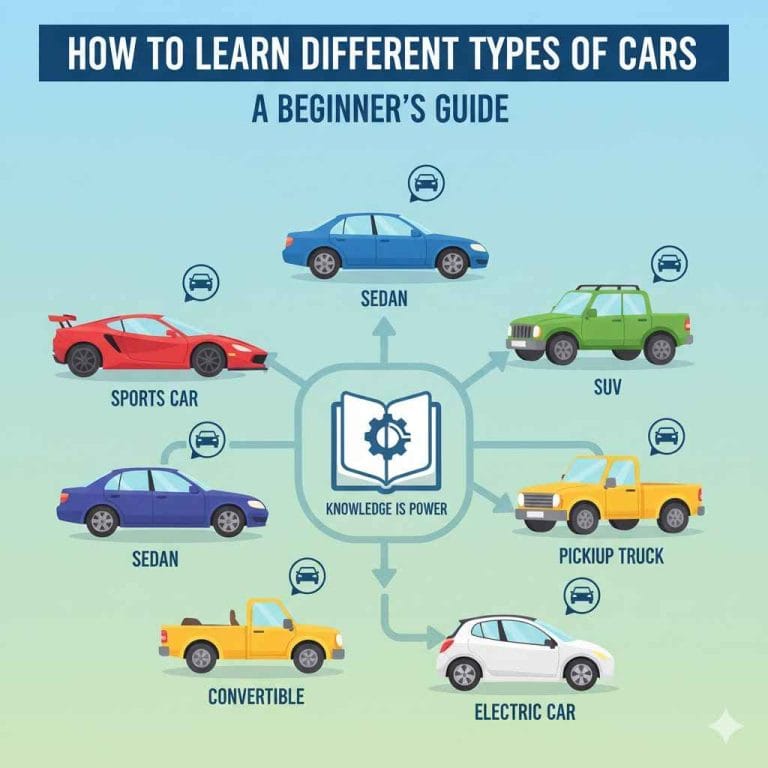
For most buyers and owners, vehicle types break into passenger cars, utility vehicles, vans, pickups, motorcycles, buses, and work vehicles. The useful move is to separate shape from role: a hatchback is a body style, a family car is a use case, and a passenger vehicle is an administrative bucket.
Passenger vehicle body styles
Sedan: four-door passenger car with a separate trunk. Good default packaging for commuting and family use where a low roof and easy loading height matter less than road manners and efficiency.
Coupe: passenger car with a tighter cabin and a sport-focused shape. Two-door labels are common, though some makers stretch the word.
Hatchback: rear liftgate with a shared cargo cabin. Useful when a small footprint still needs flexible cargo access.
Wagon: car-based body with a long roof and rear cargo area. It often gets overlooked because many buyers call it an SUV if ride height rises even a little.
Convertible: open-roof body style. This is a clear body-style label and rarely a useful class label for paperwork.
Utility and family types
SUV: high-roof, taller-riding utility vehicle. In daily speech, this may include truck-based and car-based designs.
Crossover: car-based utility vehicle. Buyers use it to separate road-focused utility vehicles from heavier truck-based SUVs, but document systems often collapse both into the same bucket.
Minivan: family-focused van with easy access, flexible seating, and low floor packaging. For moving people, it solves problems that three-row SUVs often solve with less space efficiency and worse access.
Passenger van: van configured mainly for people, often with multiple rows and commercial roots. A title may still call it van or bus depending on seating and use.
Work and cargo types
Pickup: open cargo bed and separate cab. Body style answers only part of the question because half-ton, heavy-duty, crew cab, and chassis cab can lead to very different legal and insurance treatment.
Cargo van: enclosed load space for goods, tools, or service work. This may be registered for personal use or commercial use depending on state rules and actual operation.
Chassis cab: cab with frame rails ready for another body, such as a utility body, box, dump body, or service bed. This is where body style and use case fully split apart.
Box truck: fixed cargo box on a truck chassis. Buyers often call it a truck; many systems rate it by use and weight class first.
Other road vehicle categories
Motorcycle and bus are usually clear enough in documents, though scooters, trikes, and small shuttle buses can drift across categories. Specialty vehicles create the hardest cases: step vans, cutaway vans, flatbeds, tow trucks, and work trucks with custom bodies.
Matching vehicle types to daily driving versus work use
Choosing between a car, SUV, van, or truck depends on whether your primary need is commuting or hauling tools and cargo. Cars and SUVs handle daily driving efficiently, while vans and trucks become necessary when weekly trips involve heavy loads, towing, or site visits. Selecting the wrong type increases fuel costs, accelerates wear, and strains cargo capacity.
This breakdown matters because insurers evaluate mileage, commuting patterns, and business use differently, and frequent work tasks can push a personal vehicle into commercial coverage territory. A mixed-use decision matrix helps score each option against both roles so you avoid costly registration or insurance mismatches. Compare how daily driving versus work demands shape the right vehicle choice before you buy.
How are vehicle types grouped by size or purpose?
Vehicle types can be grouped in practical ways such as by size and by intended use, including people-moving, cargo, mixed-use, or service roles. In practice, size changes parking, turning, interior room, and garage fit, while purpose drives body choice, registration labels, insurance treatment, and whether towing gear or winter traction matter most.
Size bands from subcompact to heavy-duty
Passenger cars usually progress from subcompact to compact, midsize, and full-size. Utility vehicles often mirror that pattern with small, compact, midsize, and full-size SUVs or crossovers.
Trucks add a duty layer: light-duty, heavy-duty, and commercial truck classes. That duty label matters more than styling once payload, hitch setup, axle loading, and braking margin enter the discussion.
People-moving, cargo-moving, mixed-use, and specialty roles
Purpose cuts across shape. A wagon, crossover, minivan, and passenger van can all be people-movers. A pickup, cargo van, and box truck can all be cargo-movers. An SUV or crew-cab pickup may be mixed-use, carrying people on weekdays and trailers or materials on weekends.
What size changes in the real world
Size changes four things fast: parking ease, turning behavior, cabin room, and cargo volume. Short wheelbase vehicles usually feel easier in tight streets and parking structures. Longer vehicles often give better cargo flexibility and towing stability, but they ask more of the driver in garages and urban loading zones.
Visibility also changes with shape. A taller driving position may feel easier in traffic, yet a larger footprint can make close-quarters parking harder than many buyers expect.
Fuel economy tradeoffs tied to weight and shape
Body style affects fuel use through weight, ride height, frontal area, and drivetrain choice. A lighter, lower hatchback or sedan will usually beat a taller, heavier SUV doing the same job.
Real-world efficiency is often a packaging question. If a family needs sliding doors, upright seating, and three child seats across, a minivan may use more fuel than a midsize sedan but still be the more efficient answer than a large SUV with less usable space.
Passenger vs commercial vehicles
What usually counts as a passenger vehicle
A passenger vehicle is mainly used to carry people. Common examples include sedans, coupes, hatchbacks, wagons, minivans, crossovers, SUVs, and many pickups or vans used privately.
The key point is use and registration treatment, not only shape. A pickup owned by a family and used for normal personal transport may still sit in a passenger-style registration or insurance bucket in some systems.
What usually counts as a commercial vehicle
A commercial vehicle is generally used for business, cargo, paid transport, or work equipment. Cargo vans, box trucks, chassis-cab trucks, service bodies, and some buses often fall here.
But shape alone does not decide it. A cargo van can be privately used. A pickup with company graphics and tools on board may trigger commercial handling where the same model in driveway duty would not.
Why the distinction changes paperwork and cost
Passenger and commercial labels can change plate type, fees, insurer rating method, and road-use restrictions. They can also affect underwriting questions about garaging, mileage, tools carried, and business exposure.
State details vary. For example, New Hampshire DMV says residents have 60 days to register vehicles and obtain a driver license. New Hampshire DMV also says REAL ID is required for domestic flights starting May 7, 2025. Those facts do not classify a vehicle by themselves, but they show why state-specific forms and timing rules matter once a vehicle enters the paperwork system. (dmv.nh.gov)
How do I know which vehicle type I have?
The safest method is a layered check: read the title and registration card, inspect the DMV class code, decode the VIN, and compare the result against the manufacturer’s body style and configuration. When labels conflict, trust the source tied to the question being asked: legal ownership, insurance rating, towing setup, or shopping comparison.
Start with the title and registration card
The title often shows a broad type or class, sometimes abbreviated. The registration card may add a body code, weight class, or use class. Do not expect perfect wording.
A title might say “UT,” “VN,” “PK,” “SUBN,” or a state-specific abbreviation. That can be enough for filing taxes or renewing plates, but it may be too broad for choosing tires, a hitch, or family seating.
Check DMV forms and state category codes
DMV renewal forms, title applications, and registration fee charts often reveal the actual bucket that state uses. Some states care most about weight or plate type. Others care about passenger versus commercial use.
If the question is legal classification, state code wins over a sales listing or window sticker.
Use a VIN lookup and compare it with manufacturer specs
A VIN decode can confirm body type, restraint layout, engine, drive layout, and build series. It is useful when a seller uses loose language such as “SUV” for a lifted wagon or “truck” for a chassis-cab conversion.
Then compare that output with the manufacturer’s published body style and trim information. This step clears up the common mismatch between how a vehicle is sold and how it is titled.
Resolve conflicts between document labels and body style reality
- Ask what decision is being made: registration, insurance, shopping, towing, or family fit.
- Pull the title and registration card.
- Read the body or class code on the DMV paperwork.
- Run a VIN lookup.
- Check the maker’s body style and configuration.
- If the documents disagree with the vehicle’s physical configuration, contact the DMV or insurer before assuming the seller’s label is right.
Crosswalk table: 20 common vehicle labels across four classification lenses
How to read the table
This table separates four lenses that people blend together: body style, use case, DMV or document classification, and the confusion point. The last column notes what different sources usually call the vehicle, which is often where SUV, crossover, van, and truck arguments begin.
The 20-label crosswalk table
| Common label | Body style lens | Use case lens | DMV or document lens | Likely confusion point and source notes |
|---|---|---|---|---|
| Sedan | Passenger car, separate trunk | Commuting, family, ride-share | Passenger car | Usually consistent across maker, insurer, and DMV |
| Coupe | Passenger car, sport-oriented roofline | Personal use | Passenger car | Makers stretch the term to four-door fastbacks; DMV may still code as passenger car |
| Hatchback | Passenger car with rear liftgate | City use, light cargo, commuting | Passenger car | Sometimes sold as compact car or small wagon |
| Wagon | Long-roof passenger car | Family, cargo, long-trip use | Passenger car or multipurpose in some systems | Lifted wagons often marketed as crossovers |
| Convertible | Open-roof passenger car | Personal use | Passenger car | Body style matters more than class; title may ignore “convertible” wording |
| Subcompact car | Size class, not body style by itself | City driving, fuel saving | Passenger car | Class label gets mistaken for type; body may be sedan or hatchback |
| Compact car | Size class | General passenger use | Passenger car | Again, class over body style; seller may omit actual body shape |
| SUV | Utility body, taller ride height | Family, mixed cargo, winter use | Passenger, truck, or multipurpose depending on system | Makers use SUV broadly; DMV may use utility or multipurpose wording |
| Crossover | Car-based utility vehicle | Family, commuting, mixed use | Often same bucket as SUV | Insurers and DMVs frequently do not separate it from SUV |
| Minivan | People-focused van | Family, shuttle, mobility access | Passenger vehicle or van | Some documents say van only, dropping the “mini” distinction |
| Passenger van | Van with multiple seating rows | Large family, shuttle, church or group use | Van, passenger vehicle, or bus in edge cases | Seat count and use can move it toward bus treatment |
| Cargo van | Enclosed van for goods or tools | Delivery, trades, service work | Van, truck, passenger, or commercial depending on use | Personal-use cargo vans often surprise owners at registration or insurance time |
| Pickup | Cab plus open bed | Mixed personal and cargo use | Truck, passenger, or commercial | Body style is clear; admin label depends on weight and use |
| Crew cab pickup | Pickup with full rear seating | Family plus cargo | Truck | People assume “family vehicle” means passenger classification; DMV may still say truck |
| Heavy-duty pickup | Truck body, higher-duty chassis | Towing, hauling, work | Truck or commercial-leaning classification | Insurance and registration treatment often shift here even in private use |
| Chassis cab | Cab with bare frame rails | Platform for service body, flatbed, box, dump | Truck or commercial vehicle | Often sold incomplete; final body determines practical type |
| Box truck | Truck chassis with fixed cargo box | Freight, moving, delivery | Commercial truck in many systems | Buyers say “truck”; paperwork often keys off weight and business use first |
| Motorcycle | Two-wheeled motor vehicle | Personal transport, recreation | Motorcycle | Usually clear, though trikes and scooters can vary by state |
| Bus | Large passenger-carrying vehicle | Transit, school, shuttle, charter | Bus | Small shuttle vans can blur into passenger-van categories |
| Work truck | Use-case label, not a pure body style | Service, tools, site work | Truck or commercial vehicle | Can be pickup, chassis cab, service body, or box truck; the label is too broad alone |
Patterns the table reveals
Cars are easy. Utility vehicles and work vehicles are not. SUV and crossover commonly collapse into one administrative bucket, while pickups and vans split the most once weight, bed type, seating, and business use enter the file.
The worst labels for paperwork are lifestyle labels: “adventure vehicle,” “sport wagon,” “work truck,” and “family SUV.” They describe intent, not classification.
How to use the table when sources disagree
If the seller says crossover, the title says utility, and the insurer says SUV, the conflict may be normal rather than a mistake. Use the table to decide which lens matters for the decision in front of you.
For a child-seat fit question, body style and interior layout win. For plate fees, state document class wins. For towing, configuration and ratings win over all naming debates.
Which vehicle type is best for families, towing, winter, or city driving?
The best vehicle type depends on the job. Families usually do best with easy access, usable seating, and cargo space that works with strollers, groceries, and child seats; towing depends on tow rating, payload, hitch fit, wheelbase, and brakes; winter driving depends on tires first; city driving rewards short length, good visibility, and easy parking over sheer size.
Family use
For families, access beats image. Wide rear door openings, low step-in height, square cargo space, and a seat layout that accepts child seats without a fight matter more than a marketing category.
That is why minivans remain so effective. Three-row SUVs can work well, but many trade third-row comfort and cargo room for a taller stance and towing image.
Towing use
Towing starts with the actual vehicle configuration, not the badge on the tailgate. Check tow rating, payload, tongue-weight allowance, hitch compatibility, cooling setup, wheelbase, and brake capacity.
Longer wheelbase and firmer rear support usually help trailer stability. Payload matters because passengers, cargo, and trailer tongue weight all consume it. A “tow-capable SUV” may be less suitable than a pickup or body-on-frame utility vehicle if the trailer is large or loaded near the upper end of the setup.
Winter use
Winter capability starts with tires. Drivetrain affects how the vehicle gets moving; tires affect how it turns and stops.
After tires, look at ground clearance, weight distribution, throttle calibration, and visibility in poor weather. All-wheel drive helps launch traction, but it does not shorten stopping distance on its own.
City use
City-friendly vehicles usually combine short length, modest width, easy sightlines, and a tight turning circle. Hatchbacks, subcompact cars, and small crossovers do well here.
Short wheelbase helps in parking structures and curbside maneuvers. The tradeoff is usually rear-seat space, highway composure, or cargo height.
How vehicle types affect insurance, registration, and titles
What vehicle type means on a title
On a title, vehicle type usually means a broad administrative label rather than a detailed shopping label. Expect words or codes such as passenger, truck, van, utility, motorcycle, or bus. The title answers a legal filing question, so its wording may be abbreviated, broad, or different from the manufacturer’s sales description.
Why insurers may classify the same vehicle differently
Insurers rate risk, use, repair cost, and claim patterns. They may group the same vehicle differently from a DMV because their question is pricing exposure, not issuing plates.
A crew-cab pickup used only for errands may still rate as a truck. A cargo van with shelving may pull commercial questions even if privately owned.
Registration fees, plate types, and use-based restrictions
Registration systems often care about body code, declared use, and sometimes weight class. That is why a pickup, cargo van, or heavy-duty SUV can trigger different plate options or fees than a sedan.
Mixed-use vehicles are the common trap. Owners assume personal use cancels the truck or commercial label, but the state may still code by chassis type or weight.
Common mismatch scenarios and how to fix them
- A lifted wagon is sold as an SUV, but the title reads passenger car.
- A privately owned cargo van is insured as business-use because shelving and tools remain installed.
- A crew-cab pickup is chosen as a family hauler, but the owner forgets payload limits when adding passengers and trailer tongue weight.
- A passenger van is titled as a van while local rules treat it like a bus once seating or use changes.
The fix is simple in method, though not always fast: collect the title, registration card, VIN decode, and any maker configuration sheet, then ask the DMV or insurer to explain the code being used. Ask for the bucket name in plain language and the reason it applies.
Frequently asked questions
What is the difference between vehicle type and vehicle class?
Vehicle type usually answers the shape or broad category question, such as sedan, SUV, van, or pickup. Vehicle class groups vehicles at a higher level by size, duty, weight, or role, such as subcompact car, midsize SUV, or heavy-duty truck. Make and model are separate from both.
What does vehicle type mean on a title?
On a title, vehicle type usually means an administrative category used for ownership records and state processing. It may be broad, abbreviated, or inconsistent across states. Trust it for legal paperwork, but do not assume it fully describes body style, interior layout, tow setup, or insurer rating.
How are vehicle types grouped by size or purpose?
They are usually grouped by size bands such as subcompact through heavy-duty, and by purpose such as carrying people, moving cargo, mixed personal-work use, or specialty service. Size changes parking and interior room. Purpose changes body choice, registration treatment, and whether payload or seating flexibility matters more.
Which vehicle type is best for families?
For many families, the best type is the one with easy access, practical seating, and usable cargo room. Minivans often fit those needs extremely well. Crossovers and three-row SUVs can work too, but body style alone is less important than door access, third-row comfort, and child-seat fit.
Which vehicle type is best for towing?
The best towing vehicle is the one with the right configuration, not the most aggressive label. Focus on tow rating, payload, hitch compatibility, wheelbase, and brake capacity. Pickups, truck-based SUVs, and some full-size vans often suit heavier towing better than compact crossovers or lightly configured SUVs.
How do vehicle types affect insurance or registration?
Vehicle type can change plate category, fees, insurer rating bucket, and use-related restrictions. A vehicle marketed as a crossover may be treated like an SUV in insurance files, while a privately used cargo van may still raise commercial questions. For legal treatment, trust DMV forms, title wording, and VIN-based records first.
Products related to this article
Sponsored / affiliate links. As an Amazon Associate I earn from qualifying purchases. I may earn additional commission from eligible campaigns.
 Headlight Restoration Kit,Headlight Cleaner for All Vehicle Types (4.23 oz)
 Swing‑Away 2 Inch Hitch Adapter, Heavy‑Duty 120 Degree Pivot, 260 Lbs Load Capacity, Hitch Mount Bike Rack Extension for Standard 2" Receiver, Fits Most 2‑inch Hitch Racks
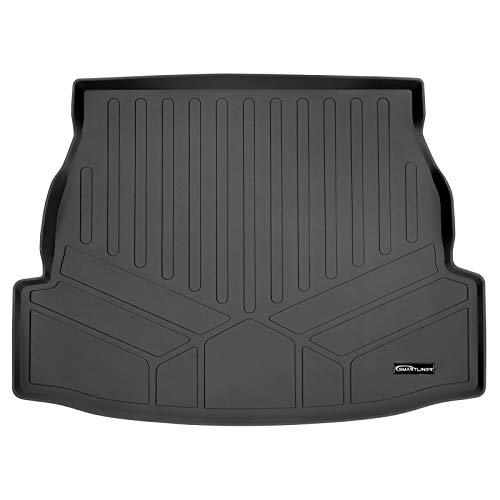 SMARTLINER All Weather Custom Fit Cargo Liner Trunk Floor Mat Compatible with 2019-2025 Toyota RAV4