N1 Vehicle Rules UK: Speed Limits, MOT, V5C & Approval
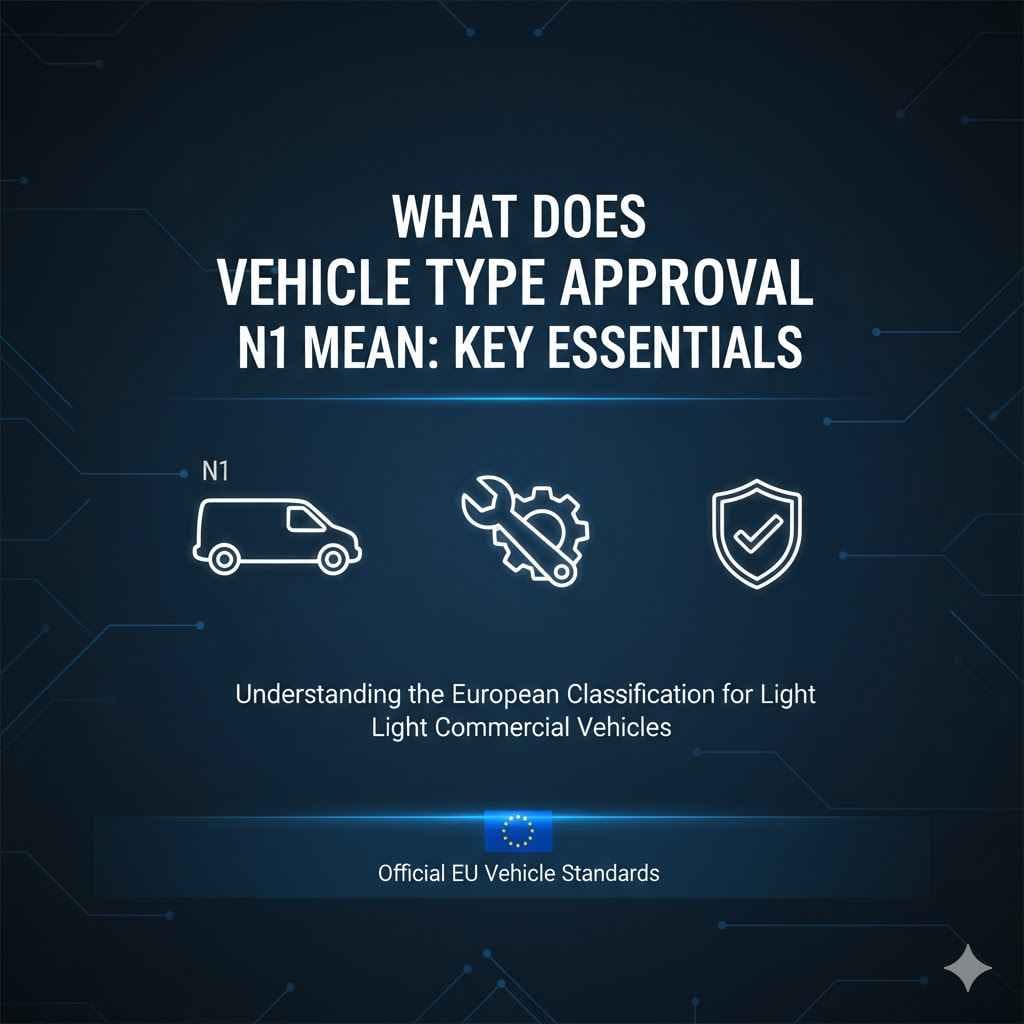
An N1 vehicle is a goods vehicle with a maximum mass not exceeding 3.5 tonnes (3,500 kg). In the UK, that category commonly covers panel vans, many pickups and chassis-cab vehicles. The N1 code tells you what the vehicle was designed to carry and its weight category; it does not, by itself, settle every question about speed limits, MOT class, tax, insurance or campervan conversions.
Quick Answer: What N1 Means in the UK
The UK Vehicle Certification Agency defines N1 as a vehicle used for carrying goods with a maximum mass of no more than 3.5 tonnes. Check the category on the V5C, Certificate of Conformity or manufacturer documentation. Then check the separate rule that applies to your question: vehicle construction for speed limits, designated gross weight for MOT class, and DVLA requirements for recorded changes.
- N means the vehicle is designed primarily to carry goods.
- 1 means its maximum mass does not exceed 3,500 kg.
- N1 is a type-approval category, not a universal shortcut for tax, insurance or speed-limit treatment.
- Car-derived vans and qualifying dual-purpose vehicles can follow car speed limits in Great Britain.
- N1 goods vehicles may require a Class 4 or Class 7 MOT depending on their designated gross weight and vehicle type.
N1 Category at a Glance
| Question | Practical answer |
|---|---|
| What does N1 describe? | A vehicle designed primarily to carry goods. |
| Maximum mass | Not exceeding 3,500 kg. |
| Common examples | Panel vans, pickups, light commercial vehicles and chassis cabs. |
| Where should I check? | V5C vehicle category, Certificate of Conformity and manufacturer records. |
| Does N1 automatically set the speed limit? | No. Car-derived van and dual-purpose exceptions can apply. |
| Does N1 automatically mean Class 7 MOT? | No. Many N1 vehicles up to 3,000 kg DGW are Class 4; qualifying goods vehicles from 3,001 to 3,500 kg are Class 7. |
For the category definition and a broader comparison with passenger vehicles, see our N1 versus M1 type-approval guide. This page focuses on the UK rules an owner or driver is most likely to use.
Type Approval, Registration and Vehicle Use Are Different
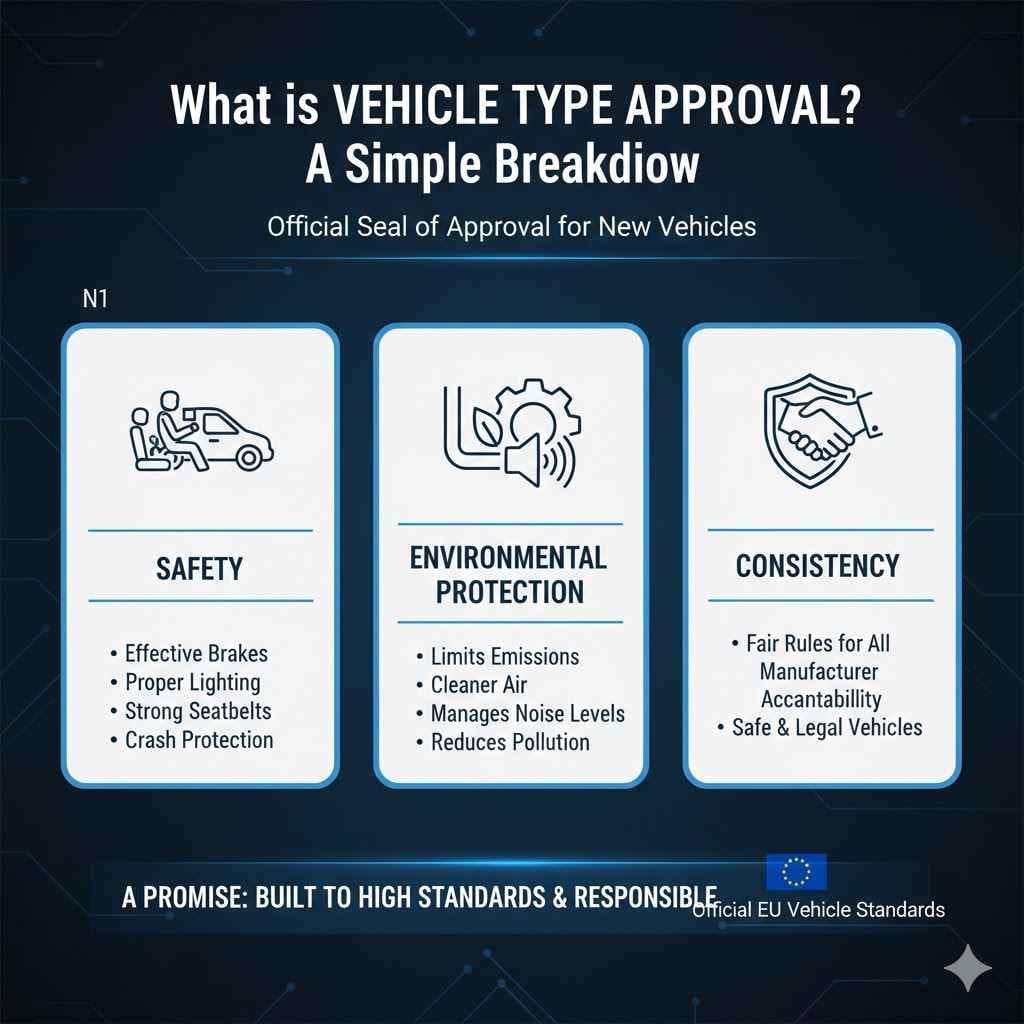
Vehicle type approval confirms that production examples of a vehicle type meet specified performance standards. In the UK, the Vehicle Certification Agency is the type-approval authority, while DVLA records registration details and DVSA handles matters such as Individual Vehicle Approval and MOT testing.

Hileapx
2Pcs Reflective Speed Monitored by GPS Magnetic…
- Clear Speed Monitoring Message: This speed monitored by gps magnet provides a clear reminder to surrounding drivers. The reflectiv…
- Magnetic & Removable Design: Designed as magnet signs for vehicles, these magnetic vehicle signs attach securely to metal surfaces…
- Reflective Vehicle Magnets for Visibility: These vehicle magnets feature a reflective layer that reacts to headlights in low-light…
As an Amazon Associate I earn from qualifying purchases.
This distinction matters because a code on the V5C does not answer every legal question. A vehicle can remain category N1 while a separate body-type description, use, weight or construction rule changes how another requirement applies. Do not use a tax definition, an insurance description or a dealer advertisement as a substitute for the vehicle’s official category.
How to Confirm Whether Your Vehicle Is N1
- Check the V5C: look for the vehicle-category entry. If it records N1, that is the registered category.
- Read the Certificate of Conformity: the manufacturer’s CoC records the approved category and technical data for the vehicle.
- Check the statutory plate: use it to confirm maximum permitted weights. A plate alone may not display every registration detail, so compare it with the V5C and CoC.
- Ask the manufacturer or relevant authority if records conflict: do not guess from appearance. Similar-looking versions of the same model can have different approval details.
A payload figure used for a particular UK tax rule does not automatically prove that a pickup is N1. Type approval is based on the vehicle’s approved design and maximum mass. Confirm the actual vehicle documents before making tax, insurance or operating decisions.
UK Speed Limits for N1 Vans
Most vans follow the national limits for goods vehicles of the same weight. In Great Britain, a goods vehicle not exceeding 7.5 tonnes is normally limited to 50 mph on a single carriageway, 60 mph on a dual carriageway and 70 mph on a motorway. The lower limit shown in the table applies only where the national speed limit is in force; a lower posted limit always takes priority.
| Road | Most N1 vans | Car-derived van or qualifying dual-purpose vehicle |
|---|---|---|
| Built-up road | Follow the posted limit, commonly 30 mph | Follow the posted limit, commonly 30 mph |
| Single carriageway | 50 mph | 60 mph |
| Dual carriageway | 60 mph | 70 mph |
| Motorway | 70 mph; 60 mph if articulated or towing a trailer | 70 mph; towing rules can reduce the limit |
The important exception is construction, not merely the N1 label. A car-derived van must meet the statutory definition, including a maximum laden weight not exceeding 2 tonnes. A dual-purpose vehicle has its own construction and weight requirements. If you are unsure, check the V5C body type and obtain confirmation from the manufacturer rather than relying on the model name.
Official reference: GOV.UK national speed limits and the Department for Transport guidance on car-derived vans and dual-purpose vehicles.
Does an N1 Vehicle Need a Class 4 or Class 7 MOT?
N1 does not automatically mean Class 7. According to the current DVSA MOT inspection manual, category N1 goods vehicles not exceeding 3,000 kg designated gross weight are generally tested as Class 4. Goods vehicles from 3,001 kg to 3,500 kg DGW are Class 7. Dual-purpose vehicles, motor caravans and some other vehicle types can fall within Class 4 even when category N1 is shown.
| Vehicle | Typical MOT class |
|---|---|
| N1 goods vehicle up to 3,000 kg DGW | Class 4 |
| N1 goods vehicle 3,001–3,500 kg DGW | Class 7 |
| Dual-purpose vehicle or motor caravan | Often Class 4; confirm using the vehicle record and current DVSA manual |
Give the test station the registration number and exact vehicle details when booking. The official DVSA MOT inspection manual is the deciding reference, not a generic statement that all vans use the same test class.
What Happens When You Modify an N1 Vehicle?
Routine accessories do not necessarily change a vehicle’s approval category, but structural, weight, seating, body or use changes can trigger registration, approval, insurance or inspection requirements. GOV.UK says vehicle approval may be required when a goods vehicle is modified, radically altered, rebuilt or imported.
- Check the plated weights after adding heavy equipment, storage, seats or a conversion interior.
- Tell the insurer exactly how the vehicle is used and modified.
- Update the V5C when a change falls within DVLA’s reporting requirements.
- Ask DVSA whether IVA, voluntary IVA or another approval route applies before making a major structural change.
Start with the official vehicle approval overview before altering a goods vehicle. Approval requirements depend on what was changed and whether the vehicle is already registered.
N1 Van to Campervan: Do Not Confuse Body Type With Category
Converting a van for camping does not automatically turn an N1 goods vehicle into an M1 passenger vehicle. DVLA may consider changing the V5C body-type description to “motor caravan” when its evidence requirements are met. However, DVLA’s own guidance says the recorded body type describes the vehicle’s appearance and does not itself determine insurance category, speed limits or other legislative requirements.
Use the current DVLA motor-caravan conversion guidance, notify your insurer and confirm applicable weights and speed limits separately. A mattress or removable camping box alone does not alter the approved vehicle category.
Common N1 Mistakes to Avoid
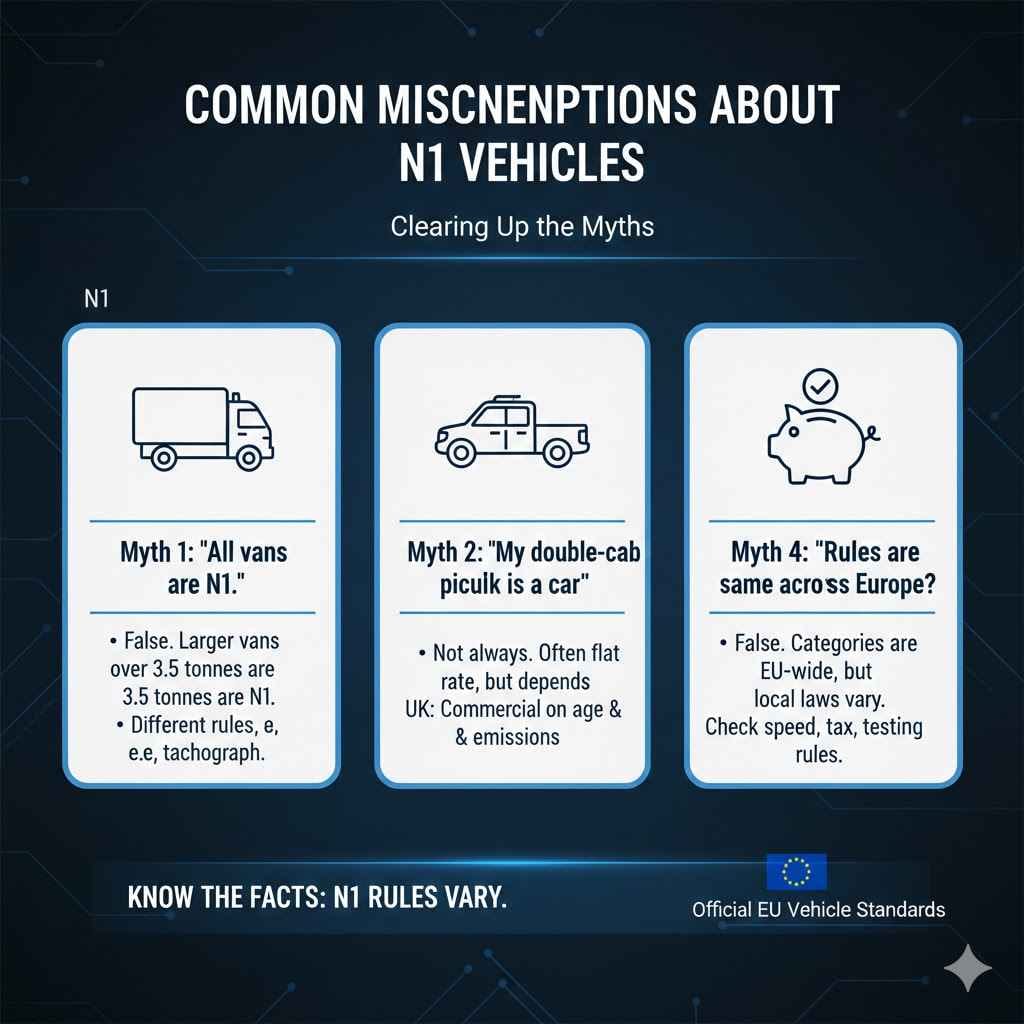
- “Every van is N1.” Larger goods vehicles can be N2 or N3, while a vehicle that looks like a van may have another approved category.
- “Every N1 van is limited to 50/60 mph.” Car-derived van and dual-purpose exceptions can allow car limits.
- “Every N1 vehicle needs a Class 7 MOT.” The 3,000 kg DGW boundary and vehicle type matter.
- “A one-tonne pickup rule proves N1 status.” Some one-tonne tests relate to tax treatment; use approval documents to confirm the vehicle category.
- “Changing the V5C body type changes all other rules.” Speed, insurance, tax and approval requirements must be checked separately.
N1 Owner Checklist
- Confirm N1 on the V5C or Certificate of Conformity.
- Record the vehicle’s maximum authorised mass and designated gross weight.
- Determine whether it legally qualifies as car-derived or dual-purpose before using car speed limits.
- Confirm Class 4 or Class 7 before booking the MOT.
- Tell the insurer about business use and modifications.
- Check DVLA and DVSA requirements before structural, seating, weight or camper conversions.
Frequently Asked Questions
What does N1 mean on a V5C?
It means the vehicle is recorded in the light-goods category: designed primarily to carry goods with a maximum mass not exceeding 3.5 tonnes.
Is every N1 vehicle a commercial van?
N1 is a goods-vehicle approval category, but the vehicle may be used privately or commercially. Use and insurance cover are separate questions.
Can an N1 van use car speed limits?
It can if it legally qualifies as a car-derived van or dual-purpose vehicle. Most other light goods vans follow the lower goods-vehicle limits on single and dual carriageways.
Is an N1 MOT Class 4 or Class 7?
An N1 goods vehicle up to 3,000 kg DGW is generally Class 4; from 3,001 to 3,500 kg it is generally Class 7. Vehicle-type exceptions exist, so confirm before booking.
Does converting a van to a camper change N1 to M1?
Not automatically. A DVLA body-type change and a vehicle’s type-approval category are not the same. Major changes may require evidence, inspection or approval.
Who handles N1 approval questions in the UK?
VCA handles vehicle type approval, DVSA handles Individual Vehicle Approval and MOT guidance, and DVLA records vehicle and keeper details.
Bottom Line
N1 means a goods vehicle with a maximum mass up to 3.5 tonnes. For everyday decisions, do not stop at that label: check the exact vehicle documents, construction, designated weight and use. Those details determine which UK speed-limit, MOT, registration and modification rules apply. See also how to type a vehicle report the right way quick guide .
Related pick: Check today's price on Amazon
Products related to this article
Sponsored / affiliate links. As an Amazon Associate I earn from qualifying purchases. I may earn additional commission from eligible campaigns.