Vehicle types for city driving: Best picks for tight streets
For tight city streets, the best picks are small hatchbacks and subcompacts. If you can, keep the width relatively narrow and the turning circle short. Pick badly and you will spend more time hunting parking, scraping mirrors, and fighting traffic than driving. This guide ranks the vehicle types that fit narrow streets, garage clearance, visibility, and daily parking.
What matters most in a city vehicle

A vehicle is a self-powered machine used to carry people, cargo, or both. In city use, body style matters because width, length, and weak sightlines get punished far more than they do on the highway.
Overall width and mirror-to-mirror clearance
Width is the first city filter. A car that fits the lane on paper can still clip mirror space in narrow alleys, tight garage entrances, and old street grids with parked cars on both sides. Mirror-to-mirror width matters more than sheet metal alone because the mirrors are usually the first contact point with a wall, post, or passing van.
Drivers in dense neighborhoods feel width every day: parking between lines, pulling into a garage, and squeezing past delivery trucks. A narrower vehicle gives more room for door swing, curb correction, and the error margin that keeps wheel lips off the curb.
Turning circle and curbside parking
Turning circle affects whether a car can make a clean U-turn, back into a tight bay, or swing into a parallel space without three corrections. A short turning circle is one of the best city traits because it cuts down on shuffling in narrow streets and makes dead-end reversals less painful.
This is where small cars pull ahead. Turning radius matters more than the badge on the hood, and more than a higher seating position. A driver can sit up high and still need a long, awkward multi-point turn.
Rear visibility, cameras, and sensors
Rear visibility is about window size, pillar thickness, and how much the driver can see without electronic help. A large rear window makes backing into spaces calmer; a small rear glass can make every reverse maneuver feel like a camera exercise.
Parking assist tech changes the equation. A rear camera helps with bumper-to-bumper gaps, sensors warn about poles and low walls, and automatic parking support can reduce stress in larger vehicles. It does not change the vehicle’s footprint, though, so it cannot fix bad width or a long body.
Which vehicle type is easiest to drive in the city?
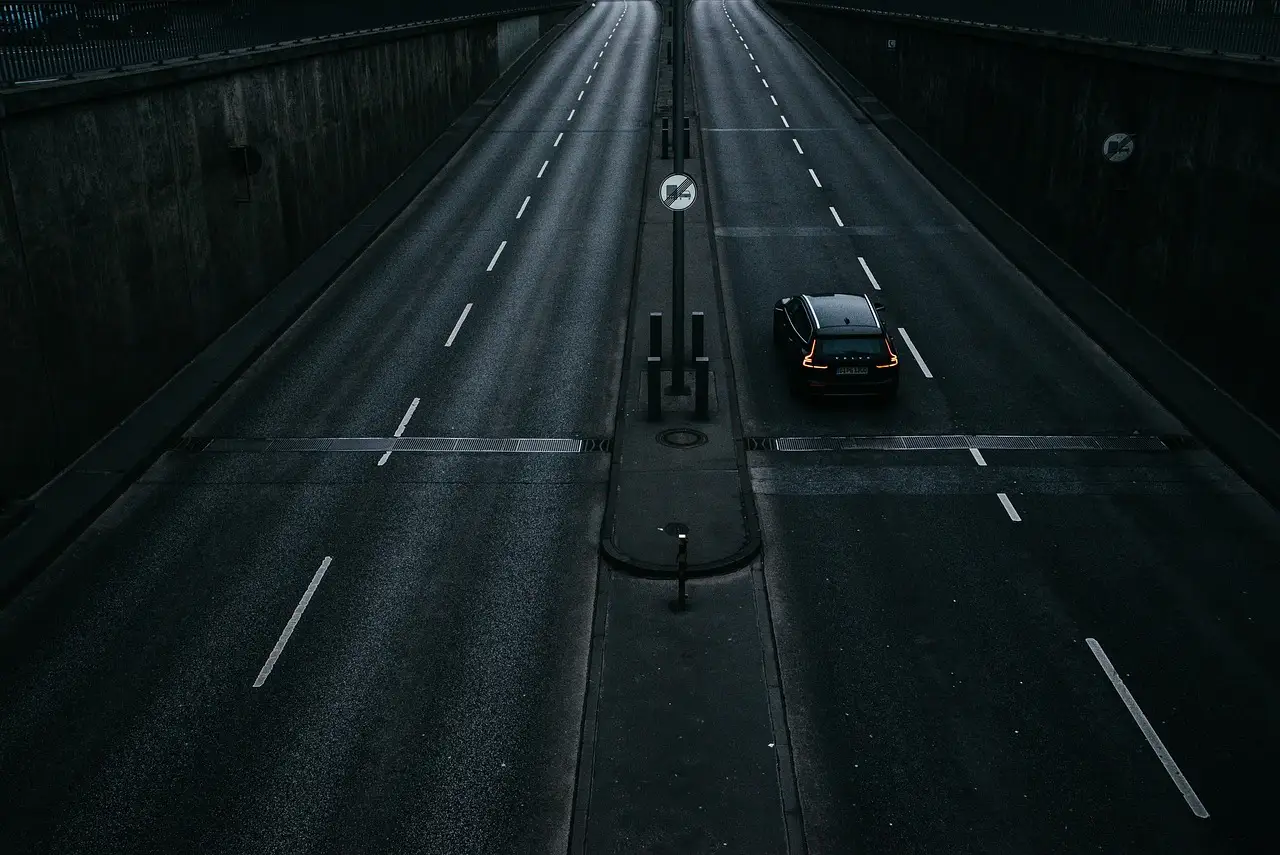
Subcompact cars are often among the easiest to park and place in tight city traffic, helped by their shorter length and easier street fit. Hatchbacks are often a strong choice and can be easier than sedans and small SUVs when the route includes narrow alleys, curbside parking, or short garage openings.
Why subcompact cars usually win on parking and tight turns
Subcompact cars solve the core city problem: they are easier to slot into small spaces. Their short body gives more room to correct a parking angle, and their small turning circle helps in U-turns, back-ins, and tight residential streets.
The tradeoff is cargo space. A subcompact works best for solo drivers and couples who do not need a lot of luggage room. It is the first choice when parking stress matters more than carrying capacity.
Why hatchbacks are the best all-round city pick for many drivers
Hatchbacks usually offer better city packaging than sedans with a similar footprint. The short rear overhang helps when backing into spaces, and the rear liftgate gives better cargo access than a trunk lid. That makes them easier to use for grocery runs, small furniture, and awkward boxes.
For many urban drivers, the hatchback is the sweet spot. It keeps maneuverability close to a subcompact while giving more flexible cargo and passenger split than a sedan. It is a common city-friendly body style for a reason.
Where compact SUVs and sedans fit in the ranking
Compact SUVs move people higher in traffic, which improves sightlines, but they bring a larger footprint. That usually means more effort in parking, more attention at garage entry, and more sensitivity in narrow lanes.
Sedans sit in the middle. They often drive calmly and can feel composed at speed, but the separate trunk and longer body than hatchbacks make parking and curb-length fit less friendly in tight districts.

City-fit scorecard: the numbers that change the answer
This scorecard rates each body type on the city problems that matter most: parking ease, street agility, garage compatibility, passenger space, and visibility. Higher scores mean better city fit. The notes focus on real failure cases: mirrors, garage mouths, curb rash, and tight alley access.
| Vehicle type | Parking ease | Street agility | Garage compatibility | Passenger space | Visibility | Best for | Avoid if |
|---|---|---|---|---|---|---|---|
| Subcompact car | 5/5 | 5/5 | 5/5 | 2/5 | 3/5 | Solo drivers and couples in tight districts | You need frequent rear-seat room or large cargo |
| Hatchback | 5/5 | 4/5 | 5/5 | 3/5 | 4/5 | Mixed cargo and passenger use in dense neighborhoods | You want the largest trunk security or the tallest ride height |
| Sedan | 3/5 | 3/5 | 3/5 | 3/5 | 3/5 | Calm daily commuting and trunk security | Your streets are tight, your garage is short, or rear access matters |
| Compact SUV | 2/5 | 3/5 | 2/5 | 4/5 | 4/5 | Drivers who value entry height and sightlines | Parking is scarce and lanes are narrow |
| Minivan | 1/5 | 2/5 | 1/5 | 5/5 | 4/5 | Families that need sliding doors and passenger room | You use cramped streets, short garages, or alley parking |
| Small electric vehicle | 5/5 | 5/5 | 5/5 | 2/5 | 3/5 | Short urban trips with home or workplace charging | You regularly leave the city or lack reliable charging |
Is a hatchback better than an SUV for tight streets?
Yes, in most tight streets a hatchback is easier to place than a compact SUV. The hatchback’s shorter rear overhang and smaller footprint make parking, backing out, and garage entry simpler, while an SUV mostly adds height and a better view rather than better street fit.
Short rear overhang and easier parking
A hatchback’s short rear end helps in parallel parking and in spaces where the back bumper would otherwise stick into traffic. The liftgate also makes cargo loading easier when the rear of the car sits close to a wall or another parked vehicle.
That packaging advantage is one reason hatchbacks often beat sedans in cities. They are easier to thread through curbside gaps without making the vehicle feel oversized.
Higher seating position versus larger footprint
Compact SUVs do improve sightlines. That helps drivers see over surrounding traffic, and it can cut stress in dense traffic. But sightlines are not the same thing as maneuverability.
The SUV still has to fit the space. A larger body increases the odds of mirror scrapes, wider turning swings, and garage fit problems. That tradeoff matters more than the seating height once streets get narrow.
When a compact SUV still makes sense
A compact SUV can still work if the driver values easier entry and exit, wants a higher seating position, or regularly carries passengers who prefer that posture. It is a reasonable choice when the city has wider streets and more forgiving parking spaces.
It is a weaker choice for old downtown cores, tight townhouse garages, and alley-heavy blocks. In those places, visibility helps, but the footprint still rules the outcome.
Should I choose a sedan, hatchback, or subcompact for city driving?
Choose a subcompact if parking and turning are the top problems, a hatchback if you need the best balance of cargo access and city fit, and a sedan if you want a separate trunk and a calmer road feel. The right answer depends on passenger count, cargo habits, and garage space.
Subcompact car for solo drivers and couples
A subcompact car is the best city answer for people who mostly carry one or two passengers. It is short, easy to swing into a spot, and usually simple to place in garages that punish long noses and wide mirrors.
It is less suitable when a stroller, sports gear, or larger luggage becomes routine. Limited cargo space is the main compromise.
Hatchback for mixed cargo and passenger use
A hatchback is the practical middle ground. The rear liftgate makes loading easier than with a sedan, and the body shape still stays compact enough for dense traffic and curbside parking.
If a driver wants one vehicle for weekday commuting, weekend errands, and occasional passengers, the hatchback usually wins on city usefulness.
Sedan for trunk security and calmer highway use
A sedan is worth choosing when the driver wants a separate trunk, a tidier cargo area, and a body style that may feel quieter and more settled on longer drives. The trunk also offers more security than an open cargo area.
For tight-street city use, though, the longer body and trunk length can make parking more annoying than a hatchback or subcompact.
Are small SUVs, minivans, and EVs practical in the city?
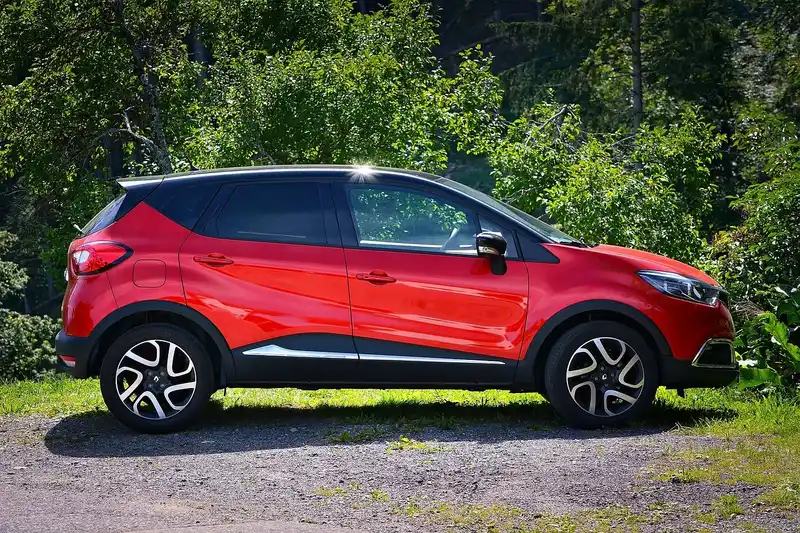
Small SUVs are practical when visibility and easier entry matter more than parking efficiency, minivans work for families that need sliding doors and passenger space, and small EVs can be ideal for short urban trips if charging is available at home or work. Each solves a different city problem.
Small SUVs for visibility with a size penalty
Small SUVs can work in urban driving, but they are not the easiest choice for tight streets. The extra height helps the driver see better in traffic, yet the larger body usually costs parking ease and garage margin.
If the neighborhood has roomy lots and wider streets, a small SUV can be a fair compromise. In cramped cores, it is often chosen for comfort and view, not for maneuverability.
Minivans for families who need sliding doors
Minivans are practical when passenger space is the priority. Sliding doors help in tight parking spaces because they reduce the chance of door-swing damage to nearby cars or walls. That matters in crowded lots and school pickups.
They are hard to fit in narrow streets and short garages. The large footprint is the price of family space, and it shows every time a driver lines up to park.
Small EVs for short-range urban use with charging access
Small electric vehicles can be excellent city tools because they are quiet at low speed, quick off the line, and well suited to short hops across town. They make the most sense when the driver can charge at home or at work.
The short-range use case matters. A small EV is best for repeat urban routines, not for frequent long trips that demand wider charging planning.
What vehicle features matter most in tight streets?
The most useful city features are a rear camera, parking sensors, and a turning setup that makes slow-speed corrections easy. Automatic parking support can help larger vehicles, but it works best when the car already has a manageable footprint and good sensor coverage.
Rear camera and parking sensors
A rear camera gives the driver a clearer view of curbs, posts, and the rear bumper line. Sensors help when the view is blocked by hatch glass, headrests, or a tall cargo load.
These tools are especially useful for newer drivers and for anyone who parks in tight garages. They reduce guesswork, but they do not replace a smaller body.
Automatic parking support
Automatic parking support matters most for drivers who regularly face parallel spaces or cramped lots. It can lower stress in larger cars and SUVs, where judging angles by eye is harder.
Still, the system depends on usable space. It will not fix a vehicle that is too wide for the garage or too long for the block.
Door swing, curb rash, and low-speed visibility checks
City driving is full of small contact risks. Door swing matters when parking next to walls or passengers stepping out into traffic. Curb rash shows up when wheel placement is hard to judge in narrow spaces.
Before buying, check the vehicle in a real garage mouth, not just on paper. Look at mirror clearance, rear window visibility, and how much room remains with the driver door open beside a wall or another car.
What vehicle is a car, and how are city vehicles classified?
A car is a motor vehicle with wheels. Most definitions say cars run mainly on roads and seat 1–8 people, and most cars have four wheels. Road vehicle types can also be classified by wheels, tracks, rails, or skis, with ISO 3833-1977 named as the international standard for road vehicle types, terms and definitions.
That broad classification matters because city buyers usually care less about legal labels than fit. For urban use, the body style and size do the real work.
The modern car was invented in 1886 when Carl Benz patented the Benz Patent-Motorwagen. There are over 1.6 billion cars in use worldwide as of 2025, so the category is large, but the city decision still comes down to footprint, visibility, and parking behavior. (en.wikipedia.org)
Frequently asked questions
What vehicle type is easiest to drive in the city?
Subcompact cars are usually the easiest in the city because they are short, narrow, and simple to turn into tight spaces. Hatchbacks are close behind and often feel more useful day to day. The winner is the one that fits your streets, garage, and parking routine with the least correction.
Is a hatchback better than an SUV for tight streets?
Yes, most of the time. A hatchback is easier to park, easier to reverse, and usually kinder in narrow lanes because its footprint is smaller. An SUV may give a better view and easier entry, but it still takes up more space where space is scarce.
What is the best car size for city parking?
The best size is the smallest one that still fits your passengers and cargo. For most urban drivers, that means a subcompact or hatchback. Short overall length, a small turning circle, and manageable width matter more than extra height or a large trunk.
Are small SUVs good for urban driving?
Small SUVs can work in the city, especially if the driver values a higher seat and easier entry. They are less ideal for the tightest streets because the larger body makes parking and garage fit harder. They are a compromise, not the best city specialist.
Which vehicle types are hardest to park in the city?
Minivans are usually the hardest because they have a large footprint and need more room to swing into a space. Compact SUVs and longer sedans also create more parking stress than hatchbacks and subcompacts. The pain point is usually body size, not badge style.
Are vans and minivans practical for tight streets?
They are practical only when passenger capacity matters more than parking ease. Sliding doors and big interior space help families, but the size can be awkward in narrow streets, short garages, and alley parking. They make sense for people hauling many passengers, not for the average curbside commuter.
Products related to this article
Sponsored / affiliate links. As an Amazon Associate I earn from qualifying purchases. I may earn additional commission from eligible campaigns.