Vehicle Types And Sizes: Complete Guide for Every Driver
Every driver faces a myriad of choices when it comes to selecting the right vehicle. From compact cars weaving through city streets to heavy-duty trucks powering across open highways, the variety of vehicle types and sizes can be overwhelming. Understanding these distinctions is more than just a matter of preference, it’s about safety, cost, practicality, and lifestyle alignment.
Whether you’re a first-time buyer or a seasoned motorist looking to upgrade, knowing the landscape of options empowers you to make informed decisions that fit your unique needs.
Selecting the wrong vehicle can lead to unnecessary expenses, reduced comfort, or even safety concerns. Conversely, finding the right match can enhance your driving experience, lower ownership costs, and provide peace of mind. This comprehensive guide demystifies all major vehicle types and sizes, equipping you with actionable insights, real-world examples, and expert-backed comparisons.
Let’s explore the world of cars, trucks, SUVs, vans, and specialty vehicles, ensuring you’re confident behind the wheel, whatever road you travel.
Key Takeaways
- Vehicle types range from compact cars to large trucks, each tailored for specific uses and lifestyles.
- Size and class influence safety, fuel economy, maneuverability, and ownership costs.
- Modern innovations like electric and hybrid vehicles offer eco-friendly alternatives with unique benefits and limitations.
- Understanding vehicle dimensions is crucial for parking, cargo needs, and passenger comfort.
- Safety ratings, real-world use cases, and comparison tables help highlight the strengths and weaknesses of each class.
- Choosing the right vehicle requires balancing personal needs, budget, and long-term value.

Credit: www.simivalleychryslerdodgejeepram.com
Understanding Vehicle Categories: An Overview
Navigating the automotive world starts with a clear understanding of the main vehicle categories. Each category serves distinct purposes and attracts different types of drivers.
Passenger Cars
Passenger cars are the most common vehicles on the road, designed primarily for personal transportation. They include sedans, hatchbacks, coupes, and convertibles. These vehicles are known for their fuel efficiency, ease of handling, and affordability. Sedans offer a balance of comfort and trunk space, hatchbacks provide flexible cargo options, and coupes/convertibles focus on style and performance.
Sport Utility Vehicles (suvs)
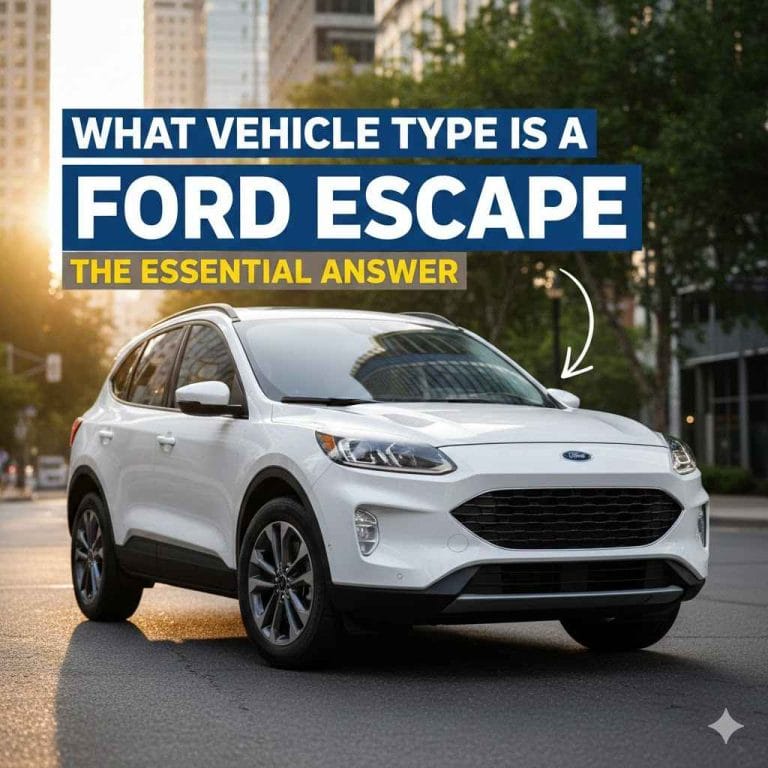
SUVs have surged in popularity, offering a blend of ruggedness and versatility. They come in various sizes, from subcompact to full-size, and typically feature higher ground clearance and available all-wheel drive. SUVs are ideal for families, outdoor enthusiasts, and drivers who face challenging weather or road conditions.
Trucks
Pickup trucks are renowned for their towing capacity and durability. They range from mid-size models suited for city driving to heavy-duty options capable of hauling construction equipment. Trucks are often the vehicle of choice for professionals, outdoor adventurers, and those needing to transport goods.
Vans And Minivans
Vans and minivans excel in passenger and cargo capacity. Minivans are tailored for families, offering sliding doors, flexible seating, and ample storage. Full-size vans cater to businesses or large groups, while cargo vans are a backbone of the logistics and delivery industries.
Specialty Vehicles
This category encompasses electric vehicles (EVs), hybrids, luxury cars, sports cars, and off-road vehicles. Each serves a niche market: EVs for eco-conscious drivers, luxury cars for premium comfort, and sports cars for enthusiasts prioritizing speed and agility.

Credit: securitylocksmithokc.com
Vehicle Size Classes And Their Impact
The size of a vehicle affects everything from maneuverability to fuel economy and safety. Understanding size classes helps match your driving needs to the right vehicle.
Subcompact And Compact
Subcompact cars are the smallest class, perfect for urban environments and tight parking. Compact cars offer slightly more space while maintaining efficiency and affordability. Both classes are ideal for commuters and small families.
Midsize
Midsize vehicles strike a balance between space and efficiency. They provide comfortable seating for up to five passengers and sufficient trunk space, making them popular for families and business users.
Full-size
Full-size cars, SUVs, and trucks boast spacious interiors, powerful engines, and advanced features. While they offer enhanced comfort and towing capacity, they tend to have lower fuel efficiency and can be challenging to maneuver in dense city settings.
Crossover And Suv Size Segments
SUVs and crossovers are divided into subcompact, compact, midsize, and full-size segments. Each size brings trade-offs:
- Subcompact SUVs: Easier to park, lower running costs.
- Midsize SUVs: More passenger/cargo room, suited for families.
- Full-size SUVs: Maximum space, power, and capability.
Case Study: Urban Vs Rural Driving
A New York City resident may favor a subcompact car for daily commutes and parking ease, while a Texas rancher might require a full-size pickup truck for hauling and rural roads. These examples illustrate how lifestyle and environment dictate the optimal vehicle size.

Credit: tdl-service.com
Passenger Cars: Types, Sizes, And Use Cases
Passenger cars remain a staple in the automotive landscape, offering a range of styles and sizes to fit diverse needs.
Sedans
Sedans are four-door vehicles with a separate trunk. They are favored for their ride comfort, affordability, and balanced performance. Midsize sedans like the Toyota Camry or Honda Accord have consistently high safety ratings and resale value.
Hatchbacks
Hatchbacks feature a rear door that swings upward, allowing for versatile cargo space. They are ideal for city dwellers who need flexibility without upgrading to a larger vehicle. Popular models include the Volkswagen Golf and Honda Fit.
Coupes And Convertibles
Coupes offer sporty styling with two doors, often appealing to younger drivers or those seeking a dynamic ride. Convertibles provide open-air driving experiences, perfect for leisure but less practical in adverse climates.
Comparison Table: Popular Passenger Car Sizes
| Car Type | Typical Length (inches) | Seating Capacity | Average MPG |
|---|---|---|---|
| Subcompact | 155-170 | 4-5 | 30-40 |
| Compact | 170-180 | 5 | 28-38 |
| Midsize | 180-190 | 5 | 25-35 |
| Full-Size | 190+ | 5-6 | 20-30 |
Example: Choosing The Right Sedan
When I tested the Toyota Camry and Honda Accord, I found the Camry’s quieter cabin and slightly better fuel economy suited my longer highway commutes, while the Accord’s spacious back seat was perfect for family trips.
Suvs And Crossovers: Versatility And Performance
SUVs and crossovers have become the go-to for drivers seeking flexibility, safety, and utility.
Subcompact And Compact Suvs
These SUVs balance agility and space. Models like the Hyundai Kona and Mazda CX-5 offer higher seating positions and better visibility while remaining easy to drive in cities.
Midsize Suvs
Midsize SUVs such as the Toyota Highlander and Ford Explorer provide three rows of seating, making them popular for families. Their all-wheel drive options and ample cargo space make them excellent for road trips and varying road conditions.
Full-size Suvs
Vehicles like the Chevrolet Suburban and Ford Expedition deliver maximum passenger and cargo capacity. They often feature advanced towing capabilities and are chosen for large families or those who frequently haul trailers or boats.
Crossover Utility Vehicles
Crossovers blend car-like driving with SUV practicality. Built on car platforms, they offer better fuel efficiency and smoother rides. The Honda CR-V and Toyota RAV4 exemplify this class.
Table: Suv Size Comparison
| SUV Size | Length (inches) | Seating | Towing Capacity (lbs) |
|---|---|---|---|
| Subcompact | 165-175 | 5 | 1,500 |
| Compact | 175-185 | 5 | 2,000 |
| Midsize | 185-200 | 5-7 | 3,500-5,000 |
| Full-Size | 200+ | 7-8 | 7,500+ |
Example: Family Road Trip
A family of six planning a cross-country trip might opt for a midsize SUV like the Toyota Highlander, which offers three rows of seating, advanced safety features, and enough cargo space for luggage.
Trucks: Power, Payload, And Purpose
Trucks are the backbone of utility, offering unmatched towing and payload capacities for both work and recreation.
Mid-size Trucks
These trucks, such as the Toyota Tacoma and Ford Ranger, are compact enough for city use but tough enough for light-duty hauling. They offer better fuel economy compared to their full-size counterparts.
Full-size Trucks
Models like the Ford F-150 and Chevrolet Silverado dominate this segment. Known for their V6 and V8 engine options, they offer high payload and towing capabilities, making them favorites for construction, agriculture, and towing trailers.
Heavy-duty Trucks
For maximum towing and payload, heavy-duty trucks such as the Ram 2500 or Ford F-350 are indispensable. These are primarily used in commercial settings or by those regularly hauling heavy loads.
Specialized Trucks
This includes off-road trucks and performance trucks like the Ford Raptor or Toyota Tundra TRD Pro, designed for enthusiasts seeking adventure beyond the pavement.
Table: Truck Size And Towing Comparison
| Truck Class | Length (inches) | Max Towing (lbs) | Max Payload (lbs) |
|---|---|---|---|
| Mid-Size | 210-225 | 7,000 | 1,600 |
| Full-Size | 225-245 | 13,000 | 3,300 |
| Heavy-Duty | 245+ | 37,000 | 7,600 |
Example: Contractor’s Choice
A building contractor might choose a full-size pickup truck like the Ford F-150 for its blend of passenger comfort and ability to tow equipment trailers to job sites.
Vans And Minivans: Space And Utility
Vans and minivans are champions of space, providing unmatched passenger and cargo capacity for families, businesses, and organizations.
Minivans
Minivans such as the Honda Odyssey and Chrysler Pacifica are built for families. Their sliding doors, low step-in height, and configurable seating make school runs and road trips convenient.
Passenger Vans
Larger passenger vans, like the Ford Transit or Mercedes-Benz Sprinter, can accommodate up to 15 passengers. They’re commonly used by shuttle services, large families, or community organizations.
Cargo Vans
Cargo vans are designed to maximize storage for tools, equipment, or deliveries. Businesses rely on models like the Ram ProMaster for their spacious interiors and customization options.
Specialty Vans
Some vans are modified for specific purposes, wheelchair accessibility, camper conversions, or mobile offices. These customizations enhance usability for unique needs.
Example: Delivery Business
A local delivery company may opt for the Ford Transit Cargo Van due to its high payload, customizable shelving, and fuel-efficient engine options, streamlining daily operations.
Specialty, Electric, And Alternative Vehicles
Innovation and environmental consciousness are driving the rise of electric, hybrid, and other specialty vehicles.
Electric Vehicles (evs)
EVs like the Tesla Model 3 and Nissan Leaf run solely on electricity, offering zero tailpipe emissions. They are known for instant torque and lower long-term maintenance costs. According to the U.S. Department of Energy, EV sales surpassed 800,000 units in the United States in 2026 (U.S. Department of Energy).
Hybrid And Plug-in Hybrid Vehicles
Hybrids such as the Toyota Prius combine gasoline and electric power for enhanced fuel efficiency. Plug-in hybrids (PHEVs) offer short all-electric ranges before switching to gasoline, ideal for drivers with short commutes.
Luxury Cars
Luxury vehicles from brands like Mercedes-Benz and BMW focus on advanced technology, premium materials, and superior comfort. They often introduce innovations that later trickle down to mainstream models.
Sports And Performance Cars
Sports cars prioritize speed, handling, and design. Examples include the Chevrolet Corvette and Porsche 911. While thrilling to drive, they typically sacrifice practicality for performance.
Off-road And Adventure Vehicles
Specialized vehicles such as the Jeep Wrangler or Toyota 4Runner are engineered for off-road capability, featuring rugged suspensions and four-wheel drive systems for tackling challenging terrain.
Example: Commuter’s Dilemma
A city commuter considering a plug-in hybrid like the Toyota Prius Prime can benefit from all-electric mode for daily drives while retaining gasoline backup for longer trips.
Factors To Consider When Choosing Vehicle Type And Size
Selecting the right vehicle involves a careful balance of practical needs, budget, and personal preferences.
Intended Use
- Daily commuting: Compact or midsize cars for efficiency and comfort.
- Family transport: Midsize SUVs or minivans for space and safety.
- Towing/hauling: Trucks or full-size SUVs for power and capacity.
- Business needs: Cargo vans or specialized vehicles for customization.
Budget And Total Cost Of Ownership
Factor in purchase price, fuel economy, insurance, maintenance, and depreciation. Smaller vehicles tend to have lower running costs, while luxury and specialty vehicles carry higher expenses.
Safety And Technology Features
Look for advanced safety ratings, driver-assist technologies, and crash test results. The National Highway Traffic Safety Administration (NHTSA) provides comprehensive safety ratings (NHTSA).
Environmental Impact
Consider fuel type, emissions, and eco-friendly options like hybrids or EVs. Many cities incentivize green vehicles with tax credits or access to HOV lanes.
Resale Value
Some vehicles, like the Toyota Tacoma and Honda CR-V, retain value better than others. Research historical depreciation rates to estimate long-term costs.
Real-world Example: First-time Buyer
A college graduate on a budget might prioritize a used compact sedan for affordability, reliability, and lower insurance rates, while a family of five may lean toward a midsize SUV for versatility.
Vehicle Dimensions, Parking, And Maneuverability
Vehicle size directly influences parking ease, turning radius, and day-to-day usability.
Exterior Dimensions
Length, width, and height determine how easily a vehicle fits in garages, parking spaces, or narrow streets. Subcompact cars and compact SUVs excel in urban settings, while larger vehicles may require spacious parking lots.
Interior Space
Headroom, legroom, and cargo volume impact comfort, especially for taller drivers or families with child seats. Review manufacturer specs and test drive for a real sense of space.
Turning Radius
A smaller turning radius improves maneuverability in tight spaces, critical for city driving or complex parking situations.
Visibility And Blind Spots
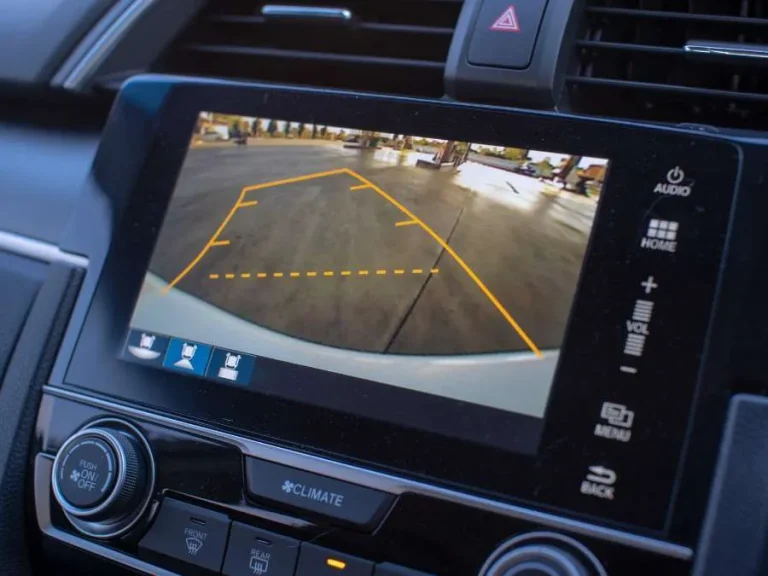
Higher seating positions (SUVs, crossovers) offer better outward visibility, while some larger vehicles may have more pronounced blind spots, requiring advanced camera systems or sensors.
Example: City Vs Suburban Parking
In my experience, driving a Honda Fit made parallel parking in crowded city neighborhoods effortless, while a friend’s Chevrolet Suburban was best suited for suburban driveways with ample space.
Frequently Asked Questions
What Is The Safest Vehicle Size For Families?
Safety depends on a combination of factors, but midsize and full-size SUVs often perform well in crash tests due to their larger crumple zones and advanced safety technology. However, some minivans also receive top safety ratings, especially for child seat accommodation. Always consult the latest NHTSA or IIHS safety ratings for current models.
Are Electric Vehicles Suitable For Long Road Trips?
Most modern electric vehicles offer ranges between 200-400 miles per charge, making them feasible for road trips if you plan charging stops. Public charging infrastructure is expanding, but charging times remain longer than refueling with gasoline. For frequent long-distance travel, consider a plug-in hybrid or a gasoline vehicle with longer range.
How Do Vehicle Size And Type Affect Insurance Rates?
Insurance rates are influenced by vehicle size, safety ratings, repair costs, theft rates, and performance characteristics. Smaller cars usually have lower premiums, while sports cars, luxury vehicles, and large SUVs/trucks often cost more to insure due to higher repair or replacement costs.
What Is The Best Vehicle Type For Harsh Winter Conditions?
All-wheel drive (AWD) SUVs and trucks with proper winter tires provide the best traction and control in snow and ice. Features like heated seats, remote start, and advanced stability control also enhance comfort and safety in harsh climates.
Can Vans Or Trucks Be Converted For Alternative Uses?
Yes, many cargo vans are converted into campers, mobile workshops, or business delivery vehicles. Pickup trucks can be fitted with specialized beds for landscaping, construction, or recreation. Always ensure modifications comply with local regulations and do not compromise safety.
The world of vehicles is vast and ever-evolving, offering solutions for every driver’s needs, preferences, and budget. By understanding the nuances of vehicle types and sizes, you’re better equipped to make confident choices, whether buying your first car, upgrading for a growing family, or selecting a workhorse for your business.
Take time to assess your lifestyle, research options, and test drive before making a commitment. The right vehicle isn’t just transportation, it’s an investment in your safety, comfort, and daily satisfaction on the road.
Products related to this article
Sponsored / affiliate links. As an Amazon Associate I earn from qualifying purchases. I may earn additional commission from eligible campaigns.