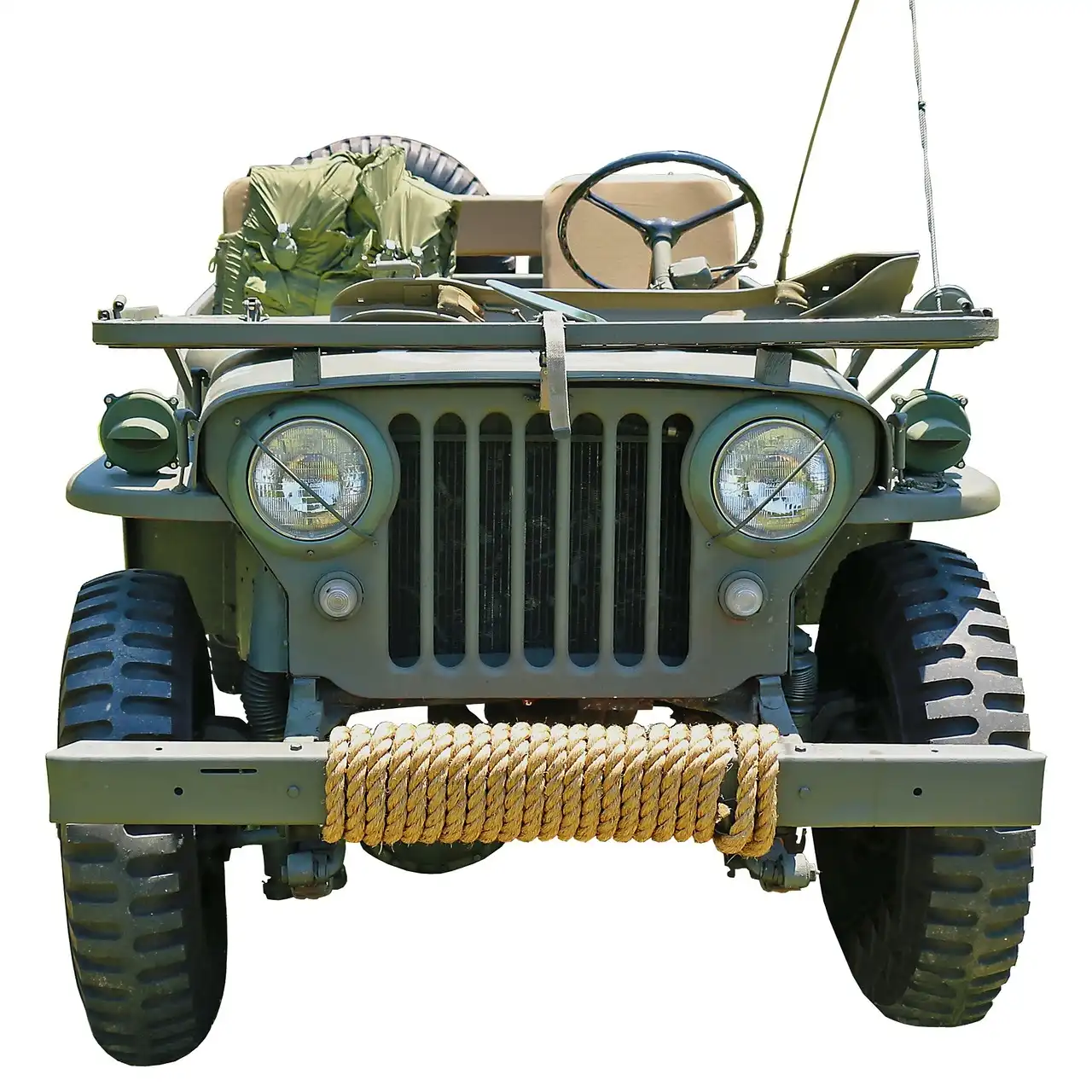
Best Vehicle Types for Bad Roads: Ground Clearance and Durability
For bad roads, choose a vehicle with at least 8.0 inches of ground clearance, long-travel suspension, and underbody protection; use AWD for mixed snow and gravel, and 4WD low range for steep, muddy, or deeply rutted routes. Ignore those thresholds and you trade ride control, tire life, and clearance for bent wheels, crushed splash shields, and repeated scrapes. This guide maps common road conditions to the right vehicle type, plus the clearance, drivetrain, suspension, and protection targets that matter.
What bad roads punish first


Bad roads usually hit the lowest and weakest parts first: tires, wheels, underbody panels, and suspension components. Potholes strike wheel rims and sidewalls. Broken pavement and washboard roads keep the suspension moving in short, sharp cycles. Gravel, mud, ruts, and steep transitions add scraping risk, especially when the vehicle runs low or has poor geometry.
Potholes and broken pavement
Potholes are the fastest path to tire sidewall damage, bent wheels, and suspension wear. A low car can survive city potholes if driven carefully, but repeated impacts quickly expose the limits of low clearance and short sidewalls. The problem is not only the hole itself. It is the abrupt edge and the repeated load on the same components.
Gravel and washboard surfaces
Gravel roads punish control more than height alone. A durable suspension matters because washboard surfaces create constant vibration, which can shake loose fasteners, worsen ride quality, and wear parts faster. Progressive notes that a durable suspension system is one of the key features for rough roads, and a wider track improves stability and traction.
Say your daily route includes 10 miles of graded gravel plus two deep potholes near the driveway. The gravel asks for traction and control, while the potholes ask for enough clearance to keep the front bumper, exhaust, and splash shields from taking repeated hits.
Mud, snow ruts, and steep grades
Mud, snow-packed ruts, and steep grades are where clearance, traction, and drivetrain choice all matter together. Loose or uneven surfaces often call for 4WD, especially when the route includes steep climbs, soft shoulders, or deep ruts. Hill descent control also becomes useful on mountain roads because it helps manage braking on steep downhill sections.
Picture a road that starts as packed snow, then drops into a steep rutted lane. A vehicle with AWD may move well on the packed section, but 4WD with low range is the safer fit once the surface turns soft, uneven, and steep.
Vehicle types decision matrix
Ground clearance is the distance from the lowest underbody point to the ground. For rough roads, about 8 inches is a practical threshold, not a magic number. Below 6 inches, caution is warranted on broken pavement, speed humps, and gravel transitions. Dedicated off-road SUVs can have more than 11 inches, which gives more margin for rocks, ruts, and steep breakovers.
| Road type | Minimum practical ground clearance | Must-have drivetrain | Suspension priorities | Tire type | Common failure risks |
|---|---|---|---|---|---|
| City potholes and broken pavement | 6 inches minimum, 8 inches preferred | AWD optional; FWD or RWD can work if roads are mild | Controlled damping, enough travel to prevent bottoming | Street tires with adequate sidewall height | Bent wheels, sidewall cuts, scraped splash shields |
| Gravel roads | 8 inches preferred | AWD or 4WD | Durable suspension with stable body control | All-terrain tires or reinforced all-season tires | Stone strikes, tire punctures, loose trim |
| Dirt roads and rural access lanes | 8 inches minimum, more if ruts form | AWD for light use; 4WD for softer or uneven sections | Long travel, good rebound control | All-terrain tires | Underbody scrapes, tire punctures, suspension wear |
| Snow-packed ruts and muddy tracks | 8 to 10 inches preferred | 4WD preferred, especially with low range | Suspension travel and wheel control over articulation changes | All-terrain tires with stronger sidewalls | Getting hung up, wheelspin, underbody contact |
| Steep driveways and mountain roads | 8 inches minimum, more for steep transitions | AWD for traction; 4WD if the climb is loose or steep | Stable damping, brake control, limited dive and squat | All-terrain tires if the surface is rough | Breakover scraping, nose strikes, downhill brake overheating |
| Rocky tracks and deep ruts | 10 inches preferred | 4WD with low range | Long travel, durable mounts, controlled articulation | All-terrain tires with tougher sidewalls | Underbody strikes, tire cuts, damaged fuel lines or transmission covers |

Which vehicle type fits which bad-road scenario?
The best vehicle type depends on the surface, not on a generic “off-road” label. SUVs work well for mixed use because they usually bring useful clearance, decent ride comfort, and easy daily driving. Pickups fit rougher routes, load work, and places where body-on-frame durability matters. Crossovers and wagons can handle light rough roads, but they usually need more care on ruts and deep potholes.
SUVs for mixed rural use
An SUV is often the most practical answer for drivers who split time between pavement, gravel, and seasonal rough roads. Look for at least 8 inches of clearance, AWD or 4WD depending on how severe the route gets, and underbody protection if the road includes rocks or hidden dips. A Ford Explorer is listed at 8.3 inches of clearance, while a Toyota 4Runner is listed at approximately 9.6 inches.
Pickups for rocks, ruts, and load work
A pickup is the better fit when rough-road use includes tools, cargo, towing, or repeated contact with broken surfaces. Body-on-frame construction is commonly associated with durability and suits rugged use better than softer road-focused designs. A pickup also gives more tolerance for skid plates, stronger suspension pieces, and larger tires without giving up as much load capacity.
Crossovers and wagons for light rough-road use
Crossovers and wagons work best when the road is mostly rough, not deeply broken. They can handle gravel driveways, light dirt access roads, and potholes if they have enough clearance and sensible tires. They are weaker choices for rocks, deep ruts, or steep breakover points because their lower bodies and geometry leave less margin.
The same source says the best cars for rough roads include four-wheel drive and high ground clearance, and that skid plates protect the underside of a vehicle. Those features matter more when the route has loose surfaces, steep dips, or hidden debris.
Is high ground clearance enough for rough roads?
No. High ground clearance helps prevent the car from getting stuck or damaged, but height alone does not solve poor tires, weak suspension, or bad geometry. A vehicle can sit high and still scrape its bumper, bottom out on a dip, or suffer tire damage if the sidewalls are thin and the suspension is too stiff.
Why geometry matters more than height
Approach, breakover, and departure angles decide whether the vehicle clears a crest, ditch, or steep ramp without scraping. That matters on driveways, drainage dips, and uneven rural tracks. A tall vehicle with poor angles can still drag its nose, belly, or rear bumper when transitioning over a sharp rise or rut.
The role of underbody protection
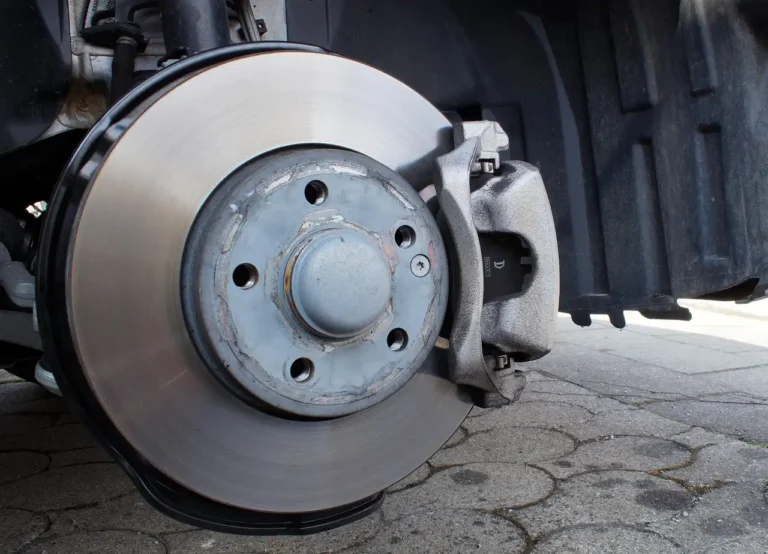
Skid plates matter when the route includes rocks, ruts, branches, or sharp debris. They protect vulnerable parts such as the fuel lines and transmission area. Without that protection, a single strike can do more than scratch paint. It can damage parts that are expensive to repair and easy to overlook until the vehicle starts leaking or binding.
What suspension features matter most?
Suspension on bad roads should do three jobs at once: keep the tires planted, limit harsh impacts, and resist wear. Long travel helps the wheel move through bumps without slamming into its limits. Good damping keeps the vehicle from bouncing after each hit. Durable suspension parts matter because rough roads shorten the life of weaker setups.
Travel, damping, and control on washboard
Washboard roads are a test of control, not just clearance. If damping is too soft, the vehicle floats and bounces. If it is too firm, the tires skip across the surface and lose traction. The better setup keeps the body settled and the tires in contact with the road, which helps steering and braking.
Why body-on-frame often lasts longer
Body-on-frame vehicles often suit rugged use because the frame and body are separate, and the design is common in trucks and off-road SUVs. That layout can handle repeated stress well, especially when paired with higher clearance, stronger suspension parts, and better underbody protection. It is not the only durable layout, but it is a sensible one for severe roads.
How much ground clearance do you need?
About 8 inches is a practical benchmark for rough roads. That gives a useful margin for broken pavement, steep entrances, gravel, and shallow ruts. It does not make the vehicle immune to scraping, but it gives more room before the lowest point meets the ground. Below 6 inches, the margin narrows quickly.
Lower limits for light gravel and city potholes
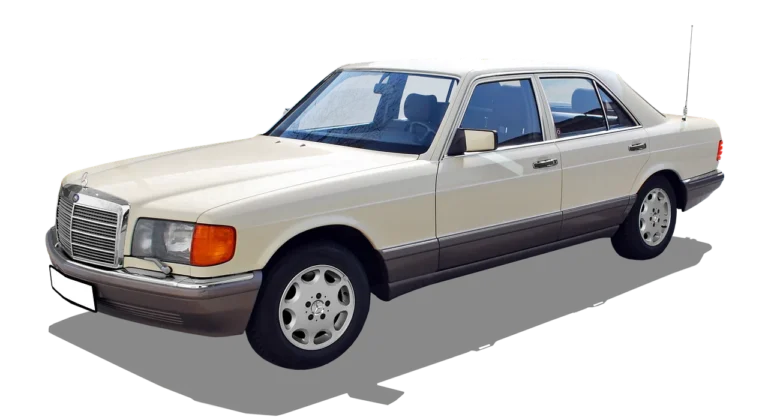
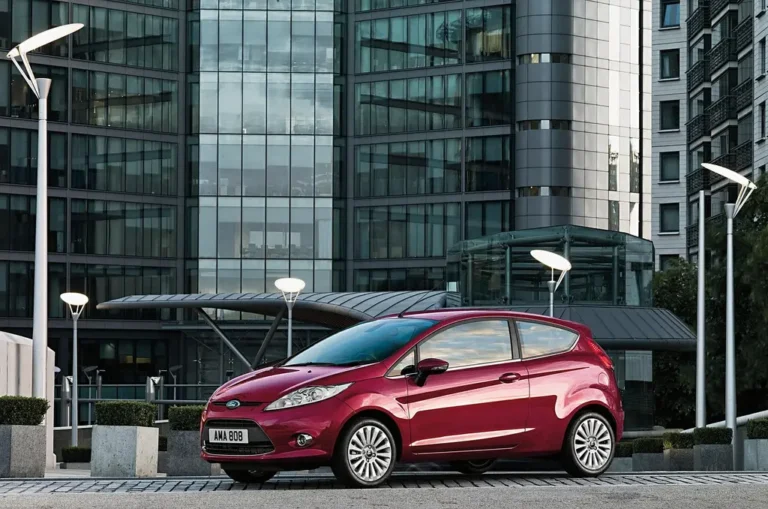
Low cars often sit around 4 to 5 inches of ground clearance, which is enough for smooth pavement but tight for rough roads. If your route is mostly city streets with occasional potholes, a low car can still work if you drive carefully. For any repeated gravel or broken access road, that same height becomes a liability.
Higher targets for ruts and rocky tracks
For ruts, rocky trails, and steep transitions, more clearance is better, and 9 to 10 inches gives more confidence. Some dedicated off-road SUVs go beyond 11 inches, and that extra height helps when the road has hidden rocks or deep grooves. The tradeoff is usually more body roll, a taller step-in height, and sometimes less efficiency.
What to check before you buy
Before buying a vehicle for potholes or rough roads, inspect the clearance, tires, suspension, and underbody. A good spec sheet can still hide weak sidewalls, low-hanging exhaust parts, or poor approach and breakover angles. The best choice is the one that matches the worst part of your route, not the easiest part.
- Check the ground clearance at the lowest point, not just the headline number.
- Look at tire sidewall height and type; all-terrain tires are better for gravel and dirt than street tires.
- Inspect the underbody for skid plates, exposed fuel lines, and low-hanging plastic shields.
- Look at suspension travel and ride height consistency from front to rear.
- Study approach, breakover, and departure angles for steep entries, dips, and ruts.
- Confirm whether the drivetrain is AWD or 4WD, and whether 4WD includes low range.
A common first-timer mistake is choosing a tall vehicle with short sidewalls for a badly patched rural route. The height looks right, but the tires are still vulnerable to cuts and the underbody may still scrape on a sharp dip.
Frequently asked questions
What vehicle type is best for bad roads?
A high-clearance SUV or a body-on-frame pickup is usually the best all-around choice for bad roads. Aim for at least 8.0 inches of ground clearance, AWD for mixed gravel and snow, and 4WD low range if the route gets muddy, steep, or deeply rutted. The right answer depends on the worst surface you face.
Should I choose an SUV or a truck for potholes?
Choose an SUV if you want a more comfortable daily driver that still has useful clearance and traction. Choose a truck if the potholes are only part of a harsher routine that also includes load work, rough access roads, or repeated suspension stress. For potholes alone, either can work if the wheel and tire package is sensible.
What suspension features matter most on bad roads?
Look for long travel, controlled damping, and hardware built to resist repeated impacts. Those traits matter most on washboard gravel, broken pavement, and roads with sharp edges. A durable suspension system helps control the body, keeps the tires planted, and reduces wear from constant vibration and bottoming.
How much ground clearance do I need for rural roads?
For most rural roads, 8 inches is a good practical target, with more preferred if ruts, rocks, or snow piles are common. Below 6 inches, you need to be far more cautious. If the road has steep dips or hidden washouts, geometry and underbody protection become just as important as height.
Which vehicles handle gravel and dirt roads best?
SUVs with AWD or 4WD are often the best match for gravel and dirt roads, especially when they have all-terrain tires and durable suspension. Pickups do well too, particularly when the road is rough enough to justify body-on-frame durability and added underbody protection. Crossovers work for lighter use, but they have less margin.
Are low cars always bad for rough roads?
Not always, but they are a poor fit for repeated rough-road use. A low car can handle occasional potholes and short gravel stretches if driven carefully, yet its smaller clearance and lower sidewall margin make damage more likely. If the rough section is frequent, a higher vehicle is the better decision.
What should I check before buying a car for potholes?
Check tire sidewall height, wheel size, clearance at the lowest underbody point, and the condition of the suspension. Then look for skid plates, exposed parts, and the vehicle’s approach and breakover angles. Those details tell you whether the car can survive repeated hits, or only tolerate them for a short while.
Products related to this article
Sponsored / affiliate links. As an Amazon Associate I earn from qualifying purchases. I may earn additional commission from eligible campaigns.