Vehicle Types And Names: Every Category With Examples
Understanding the vast universe of vehicle types and names is essential, not only for car enthusiasts and industry professionals, but also for anyone navigating daily life. From the compact city car weaving through urban streets to the mighty long-haul truck powering global commerce, vehicles shape economies, cultures, and personal freedom. Yet, with evolving technology and shifting consumer needs, the sheer diversity of vehicles can be overwhelming.
Whether you’re deciding what to drive, studying for a license, or just curious about the world’s mobility marvels, a comprehensive guide is invaluable. This article demystifies every major category of vehicle, providing examples, comparisons, and fresh insights. Prepare to explore the road, water, rail, and air, discovering not just what vehicles exist, but how they differ, where they excel, and the roles they play in modern society.
Key Takeaways
- Vehicles are categorized by design, purpose, and terrain, including land, water, rail, and air vehicles.
- Passenger vehicles span from compact cars to luxury sedans, each tailored for specific user needs.
- Commercial and specialty vehicles include trucks, buses, and construction machines, vital for industries and infrastructure.
- Alternative vehicles such as electric, hybrid, and autonomous models are revolutionizing transportation.
- Real-world examples, comparison tables, and authoritative resources help clarify distinctions and use-cases.
- Understanding vehicle types supports informed decisions, whether buying, renting, or investing in mobility solutions.

Credit: www.motortrend.com
Classification Of Vehicles: The Big Picture
Vehicles are systematically classified based on several factors, including:
- Function (transportation, recreation, utility)
- Power source (internal combustion, electric, hybrid)
- Terrain (land, water, rail, air)
- Capacity and size (number of passengers, cargo volume)
- Legal category (private, commercial, public service)
This framework helps governments regulate road use, manufacturers design products, and consumers select the right option. Below is a data-driven overview illustrating the proportional distribution of key vehicle types globally:
| Vehicle Type | Estimated Global Share (%) | Common Examples |
|---|---|---|
| Passenger Cars | 60 | Sedan, Hatchback, SUV |
| Motorcycles/Scooters | 15 | Standard Bike, Moped |
| Commercial Trucks/Vans | 10 | Pickup, Semi-Truck |
| Buses | 5 | City Bus, School Bus |
| Rail | 5 | Freight Train, Bullet Train |
| Other (Boats, Aircraft, Construction) | 5 | Yacht, Airplane, Excavator |
Understanding these categories is foundational before exploring the nuances of each class.
Passenger Vehicles: Comfort, Style, And Utility
Passenger vehicles are designed primarily for the transport of people, typically accommodating one to eight occupants. They are the backbone of personal mobility and come in a variety of shapes and sizes.
Sedans
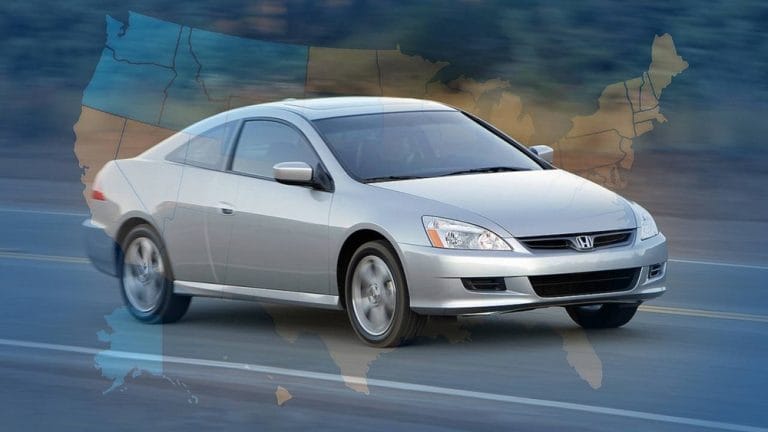
The sedan is a classic four-door vehicle with a separate trunk. Known for comfort and efficiency, sedans are widely used for daily commuting and family transport. Examples include the Toyota Camry, Honda Accord, and Mercedes-Benz E-Class.
- Advantages: Smooth ride, fuel efficiency, balanced handling.
- Use Case: Urban and suburban driving.
Hatchbacks
Hatchbacks are compact vehicles with a rear door that swings upward, integrating the cargo and passenger space. They maximize utility in a small footprint.
- Examples: Volkswagen Golf, Ford Focus, Hyundai i30.
- Pro Tip: Hatchbacks are ideal for city dwellers who need to park in tight spaces but require flexible cargo capacity.
Suvs (sport Utility Vehicles)
SUVs have surged in popularity for their elevated seating, spacious interiors, and off-road capabilities. They range from compact crossovers to full-size models.
- Examples: Toyota RAV4, Jeep Grand Cherokee, BMW X5.
- Warning: Larger SUVs may consume more fuel and be more challenging to park in urban settings.
Coupes
A coupe is typically a two-door vehicle designed for style and performance. Coupes often have sporty characteristics, appealing to driving enthusiasts.
- Examples: Ford Mustang, Audi A5, Chevrolet Camaro.
Convertibles
Convertibles feature a retractable roof, offering an open-air driving experience. They are often based on coupe or sedan platforms.
- Examples: Mazda MX-5 Miata, BMW Z4, Porsche 911 Cabriolet.
Minivans And Mpvs
Minivans and multi-purpose vehicles (MPVs) prioritize passenger capacity and cargo flexibility, making them popular among families.
- Examples: Honda Odyssey, Chrysler Pacifica, Toyota Sienna.
Comparison: Sedans Vs. Suvs Vs. Hatchbacks
| Feature | Sedan | SUV | Hatchback |
|---|---|---|---|
| Passenger Capacity | 4-5 | 5-8 | 4-5 |
| Cargo Space | Moderate | High | Flexible |
| Fuel Efficiency | High | Medium | High |
| Off-Road Capability | Low | High (selected models) | Low |
Real-world Example: Family Car Selection
When I tested several models for a family road trip, I found the Toyota RAV4 (SUV) offered the best cargo space and comfort for long drives, while the Volkswagen Golf (hatchback) excelled in city maneuverability.

Credit: www.vikingbags.com
Commercial Vehicles: Powering Business And Industry
Commercial vehicles are engineered for transporting goods, materials, or passengers for profit. Their robust construction and specialized features cater to diverse industries, from logistics to construction.
Pickup Trucks
Pickup trucks combine passenger seating with an open cargo bed, making them versatile for both personal and work applications.
- Examples: Ford F-150, Chevrolet Silverado, Ram 1500.
- Use Case: Towing, hauling, construction sites.
Vans
Vans are enclosed vehicles optimized for moving goods or groups of people. They come in various configurations:
- Cargo vans: Ford Transit, Mercedes-Benz Sprinter
- Passenger vans: Toyota Hiace, Nissan NV350
Light And Heavy Commercial Trucks
These range from small delivery trucks to massive tractor-trailers:
- Light trucks: Often used for local deliveries.
- Heavy trucks (semi-trucks, 18-wheelers): Essential for long-distance freight.
Examples: Freightliner Cascadia, Volvo FH, Isuzu NPR.
Buses
Buses transport large groups and are essential for public and private transit.
- City buses: Frequent stops, accessible designs.
- Coaches: Long-distance comfort, luggage space.
- School buses: Safety-focused, distinctive yellow design in the US.
- Examples: Blue Bird All American, Mercedes-Benz Citaro, Prevost H3-45.
Specialized Commercial Vehicles
Some vehicles are tailored for specific industries:
- Refrigerated trucks
- Tankers
- Dump trucks
- Concrete mixers
Case Study: Urban Delivery Fleet
A leading e-commerce company optimized last-mile logistics by deploying a fleet of electric cargo vans in major cities, reducing emissions and operating costs, as highlighted in a New York Times report.

Credit: www.youtube.com
Two-wheeled Vehicles: Motorcycles, Scooters, And Bicycles
Two-wheeled vehicles offer unmatched agility, affordability, and fuel efficiency, making them a popular choice in densely populated cities and developing regions.
Motorcycles
Motorcycles are powered two-wheelers designed for speed, performance, and maneuverability. They include:
- Standard motorcycles: All-purpose, comfortable riding position.
- Cruisers: Laid-back seating, classic styling (e.g., Harley-Davidson Softail).
- Sport bikes: Aerodynamic, high-performance (e.g., Yamaha YZF-R1, Honda CBR1000RR).
- Touring bikes: Long-distance comfort (e.g., BMW K1600 GTL).
Scooters And Mopeds
Scooters feature a step-through frame and automatic transmission, making them accessible for beginners. Mopeds are small, lightweight, and often limited in speed.
- Examples: Vespa Primavera, Honda Activa, Yamaha Zuma.
Electric Two-wheelers
The rise of electrification has spurred the popularity of electric scooters and e-bikes. These offer low emissions and quiet operation.
- Examples: NIU NQi Series, Segway Ninebot, Rad Power Bikes.
Bicycles
While not motorized, bicycles are vital for short commutes, exercise, and recreation. They include:
- Road bikes, mountain bikes, folding bikes, BMX bikes.
Comparison: Motorcycle Vs. Scooter Vs. E-bike
| Feature | Motorcycle | Scooter | E-Bike |
|---|---|---|---|
| Top Speed | 100+ mph | 30-60 mph | 20-28 mph |
| License Required | Yes | Yes (varies) | Often not |
| Fuel/Energy | Gasoline | Gasoline/Electric | Electric |
| Best For | Highway, Long Distance | City, Short Trips | City, Short Trips |
Example: Urban Mobility Transformation
Major Asian cities have reduced congestion and pollution by promoting e-scooters and bicycle-sharing, as detailed in the World Health Organization’s urban transport reports.
Off-road And Recreational Vehicles
Off-road and recreational vehicles are engineered for adventure, sport, and work in environments beyond paved roads. They offer unique capabilities and experiences.
All-terrain Vehicles (atvs)
ATVs are four-wheeled vehicles designed for rugged terrain, with handlebar steering and straddle seating.
- Examples: Polaris Sportsman, Honda FourTrax, Yamaha Grizzly.
- Use Case: Farming, outdoor recreation, rescue operations.
Utility Task Vehicles (utvs)
UTVs (also known as side-by-sides) feature side-by-side seating, steering wheels, and roll cages.
- Examples: Can-Am Defender, John Deere Gator.
- Pro Tip: UTVs are preferred for group rides and heavy hauling in off-road environments.
Recreational Vehicles (rvs)
RVs offer mobile living spaces, perfect for travel and camping. Types include:
- Motorhomes: Self-propelled, with full amenities.
- Travel trailers: Towable by another vehicle.
- Camper vans: Compact, versatile.
- Examples: Winnebago View, Airstream Classic, Mercedes-Benz Marco Polo.
Snowmobiles And Personal Watercraft
Specialized vehicles for snow and water:
- Snowmobiles: Ski-Doo MXZ, Polaris Indy
- Personal Watercraft (PWC): Yamaha WaveRunner, Sea-Doo Spark
Dune Buggies And Dirt Bikes
- Dune buggies: Lightweight, open vehicles for sand dunes.
- Dirt bikes: Motorcycles optimized for off-road racing.
Case Study: Rv Boom In North America
According to the RV Industry Association, over 600,000 RV units were shipped in the US in 2026, reflecting a surge in outdoor recreation and mobile living trends.
Rail, Air, And Water Vehicles
Beyond roads and trails, specialized vehicles dominate railways, skies, and waterways, facilitating mass transit, commerce, and global connectivity.
Rail Vehicles
Trains transport people and goods efficiently over long distances.
- Passenger trains: Amtrak Acela, Shinkansen (Japan bullet train), Eurostar
- Freight trains: Haul bulk commodities, containers, and vehicles.
- Light rail and trams: Urban public transit.
Aircraft
Aircraft span a wide range, from small recreational planes to massive commercial jets.
- Commercial airplanes: Boeing 737, Airbus A320
- Private jets: Gulfstream G650, Cessna Citation
- Helicopters: Bell 407, Airbus H125
Watercraft
Water vehicles range from personal boats to giant ships.
- Boats: Sailboats, fishing boats, speedboats
- Ships: Container ships, cruise liners (e.g., Symphony of the Seas)
- Submarines: Used for research, military, and tourism.
Comparison: Rail Vs. Air Vs. Water Transport
| Feature | Rail | Air | Water |
|---|---|---|---|
| Speed | Moderate (up to 200 mph) | High (400-600 mph) | Low (20-30 mph for cargo ships) |
| Capacity | High (passengers/cargo) | Medium-High | Very High |
| Cost per Mile | Low | High | Lowest (cargo) |
| Environmental Impact | Medium-Low | High | Varies |
Example: High-speed Rail Revolution
Japan’s Shinkansen system, operational since 1964, demonstrates how high-speed rail can transform regional economies, connecting cities with speeds up to 200 mph.
Alternative, Electric, And Autonomous Vehicles
The future of transportation is being shaped by innovation. Alternative fuel, electric, and autonomous vehicles are redefining efficiency, safety, and sustainability.
Hybrid Vehicles
Hybrids combine a gasoline engine with an electric motor, optimizing fuel economy and reducing emissions.
- Examples: Toyota Prius, Honda Insight, Ford Escape Hybrid.
- Pro Tip: Hybrids are great for city driving, where frequent stops allow for energy regeneration.
Electric Vehicles (evs)
EVs run solely on electricity, requiring charging infrastructure but offering zero tailpipe emissions.
- Examples: Tesla Model 3, Nissan Leaf, Chevrolet Bolt.
- According to the International Energy Agency, over 10 million EVs were on the road globally in 2026.
Hydrogen Fuel Cell Vehicles
Powered by hydrogen and emitting only water vapor, these vehicles are rare but promising.
- Examples: Toyota Mirai, Honda Clarity Fuel Cell.
Plug-in Hybrids
Plug-in hybrids (PHEVs) can be charged via an external power source and operate as EVs for short distances.
- Examples: Chevrolet Volt, Mitsubishi Outlander PHEV.
Autonomous Vehicles
Self-driving technology is advancing rapidly, with vehicles capable of sensing their environment and navigating without human input.
- Examples: Waymo One (autonomous taxis), Tesla Full Self-Driving (beta).
- Warning: Regulatory approval and safety concerns mean widespread adoption is still several years away.
Case Study: Electric Ride-sharing
Ride-hailing companies like Uber and Lyft are piloting all-electric fleets in select cities, aiming to reduce urban emissions and operating costs.
Specialty And Work Vehicles
Specialty vehicles are engineered for unique tasks, often in challenging environments or hazardous conditions.
Construction Vehicles
Vital for building infrastructure, these include:
- Excavators
- Bulldozers
- Cranes
- Backhoes
- Examples: Caterpillar 336 Excavator, Komatsu D155A Dozer, Liebherr LTM 11200 Crane
Agricultural Vehicles
From plowing to harvesting, specialized machines drive modern farming:
- Tractors
- Combine harvesters
- Planters
- Sprayers
- Examples: John Deere 8R Tractor, Case IH Axial-Flow Combine
Emergency And Public Service Vehicles
These vehicles are configured for rapid response and life-saving missions:
- Ambulances
- Fire trucks
- Police cars
- Rescue vehicles
- Examples: Ford F-450 Ambulance, Pierce Enforcer Fire Engine
Military Vehicles
Designed for defense and security, these include:
- Tanks
- Armored personnel carriers
- Humvees
- Missile launchers
- Examples: M1 Abrams Tank, Stryker APC
Mining And Heavy-duty Vehicles
Operating in extreme conditions, these vehicles move earth, minerals, and resources:
- Dump trucks (e.g., BelAZ 75710)
- Drilling rigs
- Loaders
Example: Construction Site Efficiency
On large construction projects, the use of GPS-equipped excavators and bulldozers has increased productivity by up to 30%, as reported in industry white papers.
Vehicle Naming Conventions And Trends
How vehicles are named reflects branding, function, and market positioning.
Brand And Model Hierarchy
Most manufacturers use a combination of brand, model, and variant:
- Brand: Toyota, Ford, BMW
- Model: Camry, Mustang, X5
- Variant: LE, GT, M Sport
Example: BMW X5 xDrive40i, ‘BMW’ is the brand, ‘X5’ is the model, ‘xDrive40i’ indicates the drivetrain and engine.
Descriptive And Functional Names
Some vehicles are named for function or market:
- Pickup, Cargo Van, Mini Bus
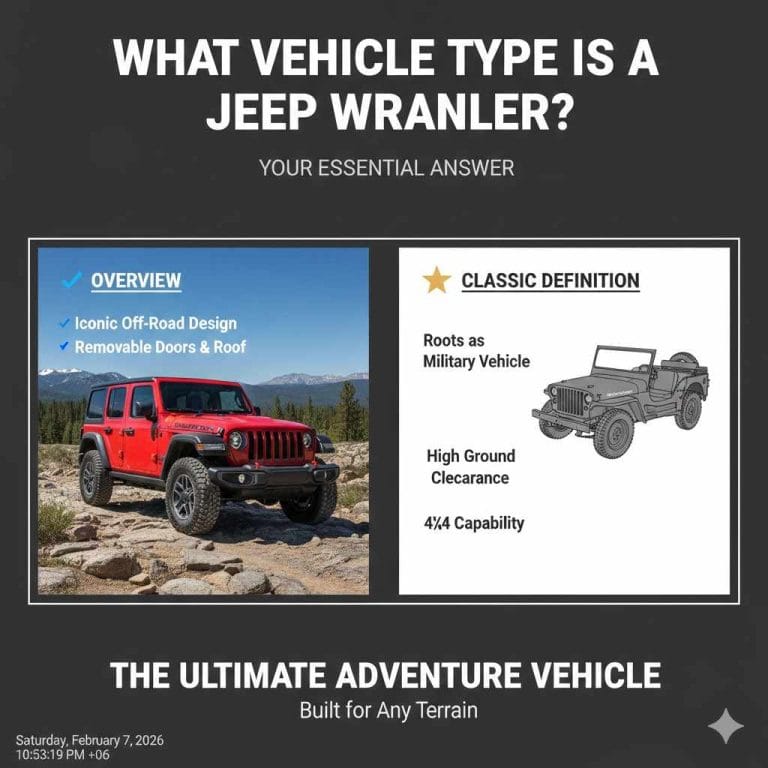
Others use alphanumeric codes (e.g., Audi A4, Mercedes-Benz C300) or thematic names (Jeep Wrangler, Chevrolet Trailblazer).
Regional Variations
A single vehicle may have different names in different countries:
- Toyota Yaris (Europe) = Toyota Vitz (Japan)
- Honda Fit (US) = Honda Jazz (Europe/Asia)
Naming Trends
- Electric and hybrid vehicles often use ‘E’ or ‘i’ prefixes: BMW i3, Nissan e-NV200
- Luxury models may use numbers to indicate engine size or position in the lineup.
Example: Case Of Success
The Jeep Wrangler’s rugged name supports its off-road image, contributing to strong brand loyalty.
Frequently Asked Questions
What Is The Difference Between A Sedan And A Hatchback?
A sedan typically has a separate trunk and fixed rear window, offering a more formal design and often better sound insulation. A hatchback integrates the cargo area with the passenger compartment, featuring a rear door that opens upward, provid
Products related to this article
Sponsored / affiliate links. As an Amazon Associate I earn from qualifying purchases. I may earn additional commission from eligible campaigns.