Pickup truck vs SUV: Which vehicle type fits your life?
Pick a pickup truck if you haul dirty cargo, tow often, or need an open bed. Pick an SUV if you carry people, park in tight places, or want a cleaner daily driver. Choose wrong and you live with awkward loading, wasted fuel, cramped seats, or a vehicle that fits your driveway poorly. This guide compares cargo, passengers, towing, parking, weather use, and family duty so you can choose by real pain points.
This guide is part of our Vehicle types guide series.
Pickup truck vs SUV: the core trade-off
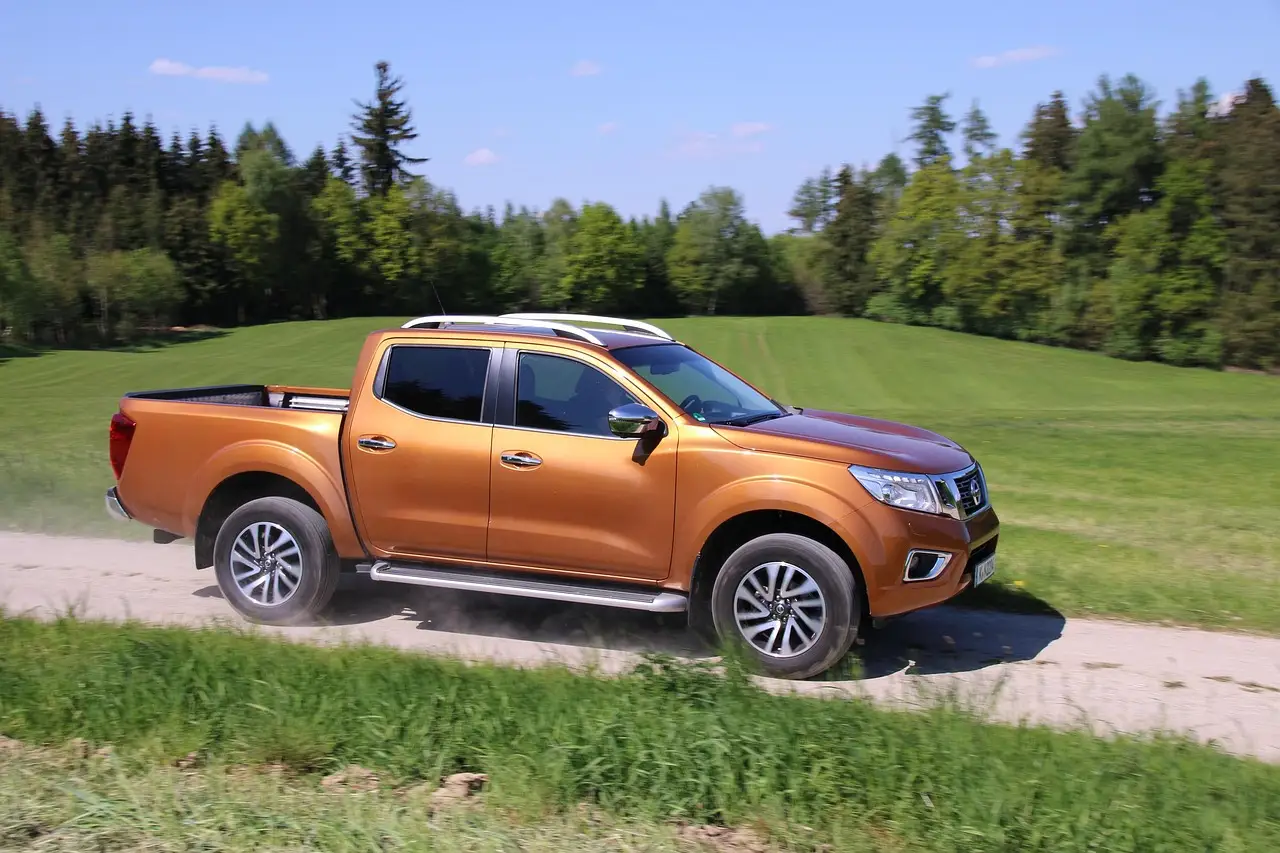


The split is simple. A pickup gives you an open bed, more cargo options, and stronger towing and payload potential. An SUV gives you an enclosed cargo area, better weather protection, and usually easier passenger comfort on normal drives. The better vehicle is the one that fails less often in your real routine.
Open bed versus enclosed cargo area
A pickup truck’s open bed is useful for mulch, tools, lumber, muddy gear, and anything that can ride outside without taking up cabin space. An SUV’s enclosed cargo bay is often better for groceries, luggage, strollers, electronics, and items you may want kept out of the weather or less exposed.
That difference matters more than brochure language. If your cargo is dirty, wet, or bulky, the bed is useful. If your cargo is clean, weather-sensitive, or needs lockable storage, the SUV is easier to live with.
How seating, loading, and weather protection change the day
Truck cabs vary a lot. Regular cab, extended cab, and crew cab each affect how many people fit and how much cabin storage you have. Bed length changes day-to-day use: shorter beds are easier to park, longer beds carry more, and either can be awkward in a small garage.
SUVs solve some of that with enclosed cargo and second-row access, but they trade away the open-bed utility. Most of the time, the choice comes down to whether you need cargo to stay clean and dry more often than you need it to stay separate from passengers.
Pickup truck vs SUV at a glance

| Decision factor | Pickup truck | SUV: Which vehicle type fits your life? | Winner |
|---|---|---|---|
| Dirty cargo | Open bed handles mud, mulch, tools, and wet gear well | Enclosed cargo area keeps mess contained, but cleaning after dirty loads is harder | Pickup truck |
| Passenger comfort | Cab comfort varies by cab size; rear seat space can be limited in smaller cabs | Usually better for quiet, enclosed, family-focused daily driving | SUV: Which vehicle type fits your life? |
| Towing | Often stronger tow ratings and more towing-focused setups | Can tow well, but rating and cooling vary widely by model | Pickup truck |
| Parking and garage fit | Longer overall length, especially with longer beds and crew cabs | Often shorter and easier to fit in tight parking and garages | SUV: Which vehicle type fits your life? |
| Snow traction | 2WD can be weak in bad weather; 4WD helps but adds cost and weight | AWD is common and useful for slippery roads, though it is not magic | Tie |
| Fuel cost | Usually worse, especially body-on-frame trucks with larger engines and 4WD | Often better, especially with smaller engines and two-row layouts | SUV: Which vehicle type fits your life? |
| Child-seat ease | Crew cabs help, but rear seat access and door opening vary | Usually easier thanks to wide doors, rear-seat room, and enclosed cargo | SUV: Which vehicle type fits your life? |
| Jobsite durability | Built for rough use, bed abuse, and hauling trade gear | Good for light duty, but less convenient for abrasive cargo and loose debris | Pickup truck |
Dirty cargo
The truck wins when the mess belongs outside the cabin. Mulch, gravel, demolition debris, greasy parts, and wet boots are easier to throw into a bed than into an enclosed cargo bay. The SUV can carry them, but you often end up protecting the floor and cleaning more often.
Passenger comfort
The SUV usually wins for quietness, rear-seat comfort, and family ergonomics. Trucks can be fine in crew cab form, but rear legroom and ride feel still depend heavily on trim, wheelbase, suspension, and cab size. If the back seat is used every day, the SUV is often the less annoying choice.
Towing
Pickup trucks are often the stronger tow vehicles, but tow rating still depends on the exact engine, trim, drivetrain, and setup. It varies by engine, trim, drivetrain, and setup, and it often requires the right hitch and trailer brake controller. Tow rating is the maximum trailer weight, while payload is a separate limit for people and gear.
Parking and garage fit
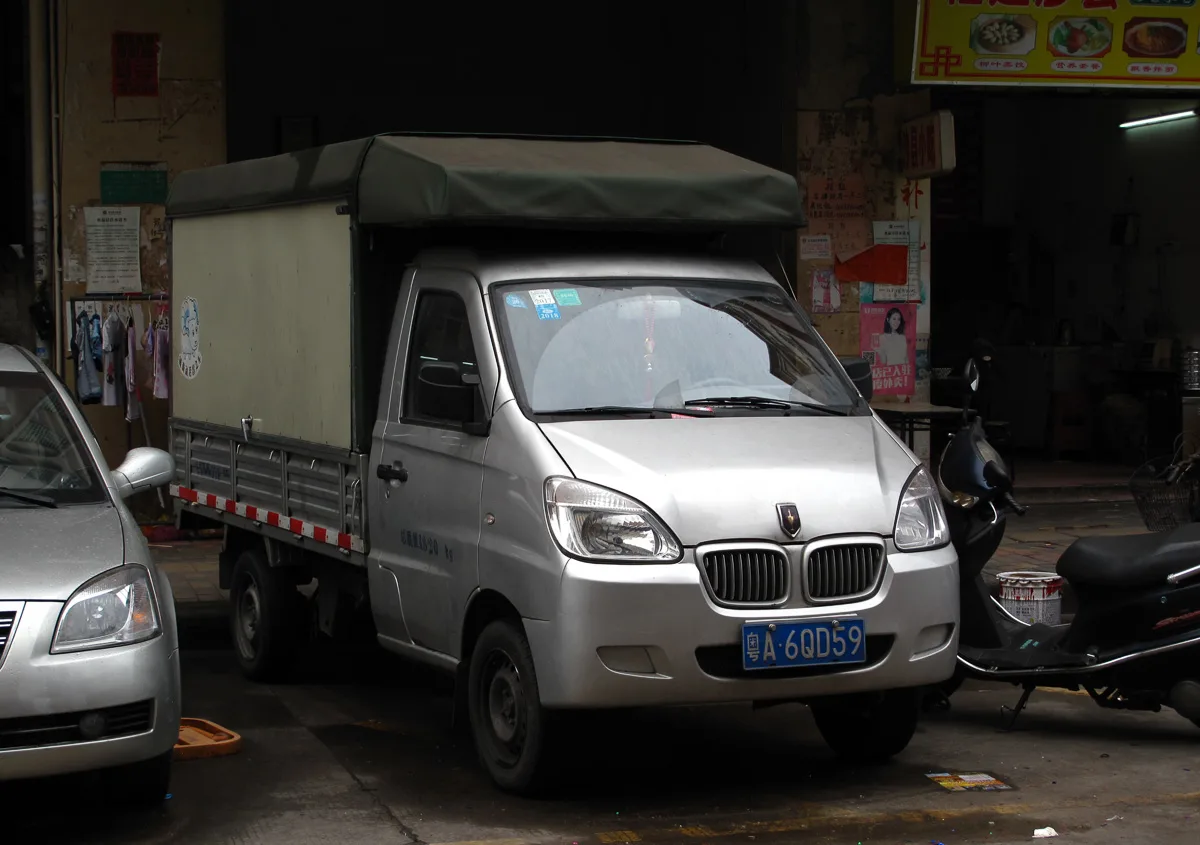
SUVs are often easier to fit in tight parking spots and garages, while trucks can get long quickly. Short bed, standard bed, and long bed all affect parking, turning, and garage clearance, and a crew cab with a long bed can become a headache in a city or a short residential garage. A truck that barely fits becomes annoying every single day.
Which one fits your daily routine better?
Match the body style to the messiest part of your routine. If your week is mostly commuting, school runs, groceries, and parking in crowded lots, the SUV usually fails less often. If your week includes construction debris, landscaping waste, or gear that should not go inside the cabin, the pickup truck is usually the better tool.
Solo commuting and city parking
For a single driver, the SUV often makes more sense because it is easier to park, easier to keep clean, and usually more comfortable in stop-and-go traffic. A truck can work, but a long cab and bed can become tiresome in tight urban spaces and narrow parking structures.
Family errands, strollers, and school runs
Families often prefer the SUV because child seats, strollers, backpacks, and grocery bags all fit inside a protected cargo area. That matters on rainy days and cold mornings. If the cargo has to stay dry and you load and unload children often, the SUV tends to age better in daily use.
Work gear, tools, and dirty cargo
Contractors, landscapers, and homeowners with dirty or heavy gear usually get more from the pickup bed. Tools and equipment can ride outside the cabin, bed access is quick, and payload matters when the load is not just weight but also dirt, dust, and awkward shape.
Which is better for towing and hauling?
The pickup truck is usually the better tow and haul machine, but the right answer depends on towing frequency, payload, and setup. Tow rating is engine-dependent and can require the right hitch, trailer brake controller, trim, and drivetrain. Payload also matters because passengers, tools, mulch, coolers, and tongue weight all count.
Tow rating, hitch setup, and trailer brake controller needs
Do not treat tow rating as a single badge on the tailgate. A truck or SUV can tow well on paper and still be a poor fit if it lacks the right hitch setup or trailer brake controller. The actual limit changes with engine choice, drivetrain, and trim.
Payload limits and why passengers count
Payload is the maximum weight of cargo plus passengers, and it is easy to run into before tow rating becomes the problem. A full cabin, plus cargo and tongue weight, can use up payload quickly. That is why a vehicle can “tow enough” and still be overloaded.
Bed length, cab size, and how they change real hauling
Bed length controls cargo flexibility. A short bed is easier to park, a standard bed is a middle ground, and a long bed carries bulky material better. Cab configuration also matters: regular cab gives more bed room, extended cab adds occasional seating, and crew cab is the family-friendly choice with the biggest cabin footprint.
How do comfort, space, and child seats compare?
The SUV usually wins for comfort and child-seat use, while the pickup wins for separating passengers from dirty cargo. For daily family duty, the enclosed layout, easier rear access, and more predictable storage shape often make the SUV less frustrating. Trucks can do the job, but they demand more planning.
Front-seat and back-seat comfort
Front-seat comfort can be strong in both body styles, but rear-seat space usually favors the SUV. In trucks, rear seating depends heavily on cab size. A crew cab is much friendlier than a regular cab, but the SUV still tends to feel more natural for adults in the back row.
Two-row versus three-row SUV layout
A two-row SUV often gives more usable cargo room behind the second row and may have less weight to carry around. A three-row SUV adds seating, but the third row often works best for kids or short trips, and cargo space behind it can shrink fast. That trade-off matters more than brochure seating claims.
Child-seat installation and cargo room with kids aboard
Child-seat installation is often easier in SUVs because rear doors open wide and the cabin is designed around passengers first. Strollers, diaper bags, sports gear, and groceries all fit behind the second row more naturally. Trucks can work well in crew cab form, but the bed does not help with child-seat logistics.
What are the main trade-offs between a pickup and an SUV?
The big trade-off is utility versus convenience. A pickup gives you open cargo space, better dirt tolerance, and stronger work readiness; an SUV gives you protected cargo, easier parking, and usually a calmer daily drive. The wrong choice is the one that creates the most annoying repeat task.
Fuel economy and running costs
Fuel economy often favors the SUV, especially in smaller two-row models. Pickups, particularly body-on-frame trucks with 4WD, usually burn more fuel and often need pricier tires. Insurance and depreciation can also push total ownership cost higher on larger, more expensive trucks, even before maintenance is counted.
Visibility, loading height, and cargo security
Trucks often sit taller, which can help forward view but make loading harder. SUVs usually have a lower cargo floor and better weather protection, plus lockable cargo space. A pickup bed is easier to hose out, but anything left in it is exposed unless you add a cover or cap.
2WD, 4WD, and AWD
Drivetrain changes cost and traction. 2WD is usually cheaper and a bit more efficient, while 4WD in a truck adds capability and AWD in an SUV can help on wet or snowy roads. 4WD in a truck adds capability for rough ground and slippery launches; AWD in an SUV often helps on wet or snowy roads. Neither one fixes bad tires or overconfident driving.
Decision matrix: 8 everyday scenarios

This matrix scores the body style by common pain points, not by image. The winner is the one that creates fewer headaches in that task. Some rows are close, and a tie is honest when both body styles can do the job well.
| Scenario | Pickup truck | SUV: Which vehicle type fits your life? | Winner |
|---|---|---|---|
| Dirty cargo | Open bed is built for muddy, dusty, wet loads | Enclosed bay keeps cargo inside, but cleaning is harder after messy loads | Pickup truck |
| Passenger comfort | Crew cab can work well, but rear-seat space varies | Usually calmer, quieter, and easier for adults in the back | SUV: Which vehicle type fits your life? |
| Towing | Usually stronger and more towing-focused | Capable in the right trim, but less often the first choice for heavy towing | Pickup truck |
| Parking | Long bed and crew cab can be awkward in short spaces | Usually easier to park and garage | SUV: Which vehicle type fits your life? |
| Snow traction | 4WD helps, but 2WD trucks can struggle on slick roads | AWD is common and useful for winter roads | Tie |
| Fuel cost | Usually higher because of weight and truck-oriented powertrains | Often lower, especially in smaller two-row models | SUV: Which vehicle type fits your life? |
| Child-seat ease | Fine in crew cab form, less convenient in smaller cabs | Usually easier for rear-facing seats and daily kid loading | SUV: Which vehicle type fits your life? |
| Jobsite durability | Bed, payload, and rough-use layout fit trade work well | Better for light gear, not repeated abrasive hauling | Pickup truck |
Choose Pickup truck if… / Choose SUV: Which vehicle type fits your life? if…
Choose a pickup truck if you routinely haul dirty material, need an open bed, tow often, or want easy loading for tools and jobsite gear. It also fits better if you need strong payload and accept that parking, fuel cost, and cargo exposure will be part of the deal.
Choose SUV: Which vehicle type fits your life? if you carry people more often than debris, want an enclosed cargo area, park in tight places, or deal with child seats every week. It also fits better when weather protection, cargo security, and day-to-day comfort matter more than bed utility.
Neither is the right answer if your needs are extreme. If you tow very heavy loads often, look at a more capable tow platform. If your cargo is always messy and your commute is short, the truck may still be the cleaner solution. If family hauling is the main job, the SUV usually wins.
Frequently asked questions
Should I buy a pickup truck or an SUV for my lifestyle?
Pick the body style that fails less often in your weekly routine. If your worst annoyance is dirty cargo or towing, a pickup is usually the better tool. If your worst annoyance is parking, child seats, or weather-protected cargo, an SUV usually fits better.
Which is better for towing: a truck or an SUV?
For most buyers, a pickup truck is the better tow vehicle because tow ratings and chassis tuning are often more trailer-focused. Still, tow rating depends on engine, trim, drivetrain, hitch setup, and trailer brake controller requirements. A capable SUV can tow well, but the numbers have to be checked carefully.
Is an SUV more comfortable than a pickup truck for daily driving?
Usually yes, especially in rear-seat comfort, ride feel, and cabin quietness. Trucks can be comfortable, particularly in crew cab form, but the SUV tends to be easier for commuting, errands, and passengers who ride in the back often. Comfort still varies by trim and suspension.
Which vehicle is better for hauling tools and equipment?
A pickup truck is usually better for hauling tools and equipment, especially when they are dirty, heavy, or awkwardly shaped. The bed keeps them separate from passengers and makes loading easy. An SUV can work for lighter gear, but the enclosed cargo area fills up faster and needs more protection.
How much fuel economy do pickups and SUVs usually get?
Pickups usually get worse fuel economy than SUVs, especially when they are larger, body-on-frame models with 4WD. SUVs are often better on fuel, particularly two-row models with smaller engines. Powertrain choice matters a lot, so comparing city, highway, and combined MPG by specific trim is the safer approach.
Products related to this article
Sponsored / affiliate links. As an Amazon Associate I earn from qualifying purchases. I may earn additional commission from eligible campaigns.