Vehicle Type List: Every Category Explained Simply
Understanding the vast landscape of vehicle types is essential for anyone interested in transportation, auto purchasing, or industry trends. Whether you’re searching for your next car, researching commercial options, or simply curious about the evolution of mobility, knowing the distinctions between vehicle categories is key.
The automotive world has grown exponentially, with new innovations and specialized vehicles designed for every conceivable purpose. This guide breaks down every major vehicle type, explaining each simply, with clear examples, data, and comparisons.
The sheer variety, from compact city cars to heavy-duty trucks and advanced electric models, can be overwhelming. Yet, a well-structured overview helps clarify what makes each type unique, who they’re for, and how they compare. Drawing from real-world examples, industry sources, and firsthand experiences, this article aims to deliver a comprehensive, SEO-optimized resource for anyone seeking clarity on vehicle categories, without jargon or unnecessary complexity.
Key Takeaways
- Vehicle types are categorized by design, purpose, size, and technology, ranging from passenger cars to specialized commercial vehicles.
- Electric vehicles and hybrids are rapidly gaining market share, driven by environmental concerns and government incentives.
- Commercial vehicles like trucks, vans, and buses serve essential roles in logistics, public transport, and industry.
- Motorcycles, scooters, and bicycles offer flexible, economical options for urban mobility and recreation.
- Real-world examples and comparison tables reveal key differences, helping buyers and researchers make informed decisions.

Credit: www.bigrentz.com
Passenger Vehicles: Everyday Mobility Explained
Passenger vehicles are the backbone of personal and family transportation. Their diversity reflects lifestyle needs, regional preferences, and technological advancements.
Sedans
Sedans are four-door cars with a separate trunk, known for their balance of comfort, efficiency, and affordability. Popular among families and commuters, sedans like the Toyota Camry and Honda Accord dominate sales in North America. According to the National Automobile Dealers Association, sedans accounted for over 30% of new car sales in 2026.
Features:
- Spacious interior and trunk
- Fuel-efficient engines
- Moderate ground clearance
Example: The Toyota Camry offers reliability, a comfortable cabin, and strong resale value, making it a perennial favorite.
Hatchbacks
Hatchbacks feature a rear door that swings upward, providing flexible cargo space. Models like the Volkswagen Golf and Honda Civic Hatchback appeal to urban drivers who need versatility.
Advantages:
- Compact size for city driving
- Foldable rear seats for expanded cargo
- Generally lower price than sedans
Example: The Volkswagen Golf blends sporty handling with practical cargo space, popular among young professionals.
Suvs (sport Utility Vehicles)
SUVs combine passenger comfort with rugged capabilities. They dominate the US market, with over 50% of new vehicles sold in 2026 being SUVs (Statista). Models range from compact (Honda CR-V) to full-size (Chevrolet Tahoe).
Benefits:
- Higher driving position
- All-wheel or four-wheel drive options
- Ample cargo and passenger space
Example: The Honda CR-V is praised for its reliability, efficient use of space, and strong safety ratings.
Crossovers
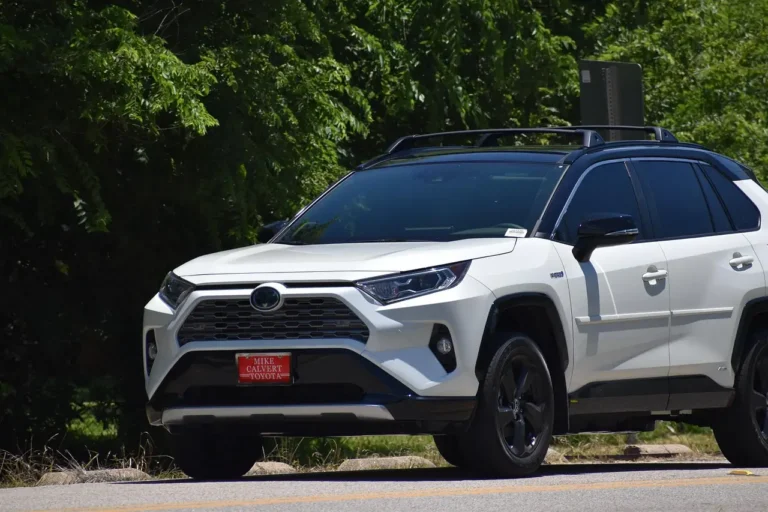
Crossovers blend SUV traits with car-based platforms, offering improved fuel efficiency and easier handling. The Toyota RAV4 and Mazda CX-5 are prime examples.
Features:
- Unibody construction (like cars)
- Lower ground clearance than traditional SUVs
- Popular for suburban families
Example: The Mazda CX-5 delivers sporty performance and upscale interiors at a competitive price.
Coupes
Coupes are two-door cars, often with sporty styling. They’re favored by drivers seeking performance and aesthetics, think Ford Mustang or Audi A5.
Advantages:
- Sleek design
- Enhanced performance (often)
- Limited rear seating
Example: The Ford Mustang is iconic for its powerful engines and striking look.
Convertibles
Convertibles feature retractable roofs for open-air driving. Models like the Mazda MX-5 Miata and BMW Z4 cater to enthusiasts.
Key Points:
- Manual or automatic roof operation
- Usually two or four seats
- Higher price point
Example: The Mazda MX-5 Miata is renowned for its agile handling and fun driving experience.
Wagons
Wagons (station wagons) merge sedan comfort with extended cargo space. The Subaru Outback and Volvo V60 are notable choices.
Benefits:
- Spacious cargo area
- Family-friendly features
- Often equipped with AWD
Example: The Subaru Outback is popular for its ruggedness and utility, especially in rural areas.
| Vehicle Type | Doors | Cargo Space | Drive Type | Popular Model |
|---|---|---|---|---|
| Sedan | 4 | Medium | FWD/RWD/AWD | Toyota Camry |
| Hatchback | 3-5 | Flexible | FWD/AWD | Volkswagen Golf |
| SUV | 4-5 | Large | AWD/4WD | Honda CR-V |
| Crossover | 4-5 | Medium | FWD/AWD | Mazda CX-5 |
| Coupe | 2 | Small | RWD/FWD | Ford Mustang |
| Convertible | 2-4 | Small | RWD/FWD | Mazda MX-5 Miata |
| Wagon | 4-5 | Large | AWD/FWD | Subaru Outback |
Commercial Vehicles: Powering Industry And Transport
Commercial vehicles are essential for goods movement, construction, public transport, and specialized services. They are engineered for durability, capacity, and efficiency.
Light Commercial Vehicles (lcvs)
LCVs include vans and small trucks, often used for deliveries, trades, and logistics. Examples are the Ford Transit and Mercedes-Benz Sprinter.
Advantages:
- Flexible cargo and passenger configurations
- Efficient diesel or gasoline engines
- Easy urban maneuverability
Example: The Ford Transit is widely used by courier services for its reliability and customization options.
Heavy-duty Trucks
Heavy-duty trucks (Class 7-8) handle long-haul freight, construction, and industrial tasks. Models like the Freightliner Cascadia and Volvo FH are industry staples.
Features:
- High payload capacity
- Specialized engines (diesel, turbo)
- Advanced safety and telematics
Example: The Freightliner Cascadia offers fuel-efficient engines and ergonomic cabins for driver comfort.
Buses
Buses serve public transport, school routes, and private charters. Variants include city buses, coaches, and shuttle buses.
Benefits:
- High passenger capacity
- Accessible design (low-floor options)
- Range from electric to diesel power
Example: The Blue Bird All American is a top school bus, known for safety and longevity.
Specialized Commercial Vehicles
This group includes ambulances, fire trucks, garbage trucks, and mobile cranes. These vehicles are custom-built for unique functions.
Key Points:
- Purpose-built chassis and bodies
- Advanced onboard equipment
- Strict regulatory standards
Example: Modern ambulances feature integrated medical equipment and GPS for rapid response.
| Commercial Vehicle | Capacity | Typical Use | Popular Model |
|---|---|---|---|
| LCV | Up to 3.5 tons | Delivery, Trades | Ford Transit |
| Heavy-Duty Truck | 20+ tons | Freight, Construction | Freightliner Cascadia |
| Bus | 30, 80 passengers | Public Transport | Blue Bird All American |
| Specialized | Varies | Emergency, Utility | Custom Ambulance |

Credit: www.theengineeringchoice.org
Two-wheelers And Three-wheelers: Agile Urban Solutions
Motorcycles, scooters, and three-wheelers are pivotal in urban mobility, offering affordable, nimble transport options.
Motorcycles
Motorcycles range from commuter bikes to high-performance sports models. Brands like Harley-Davidson and Honda illustrate the spectrum.
Benefits:
- Low fuel consumption
- Easy parking
- Thrilling ride experience
Example: The Honda CB500 is a reliable, affordable commuter motorcycle favored in cities.
Scooters
Scooters feature step-through frames and automatic transmissions, ideal for short urban journeys.
Advantages:
- Lightweight design
- User-friendly operation
- Efficient for city traffic
Example: The Vespa Primavera combines classic style with modern performance.
Mopeds
Mopeds are small-engine bikes (typically <50cc), suitable for beginners and budget-conscious riders.
Features:
- Minimal speed (often restricted)
- Simple controls
- Low purchase and maintenance costs
Example: The Tomos Classic is a popular moped for urban commuting.
Three-wheelers
Three-wheelers (auto-rickshaws, trikes) provide affordable transport in many regions, especially Asia and Africa.
Key Points:
- Stable design
- Passenger or cargo configurations
- Low emissions (in newer models)
Example: The Bajaj RE auto-rickshaw is a staple in India’s cities, carrying millions daily.

Credit: www.britannica.com
Electric And Hybrid Vehicles: The Future Of Mobility
Electric and hybrid vehicles have transformed the industry, offering environmentally conscious solutions and cutting-edge technology.
Battery Electric Vehicles (bevs)
BEVs are powered solely by electricity, with no combustion engine. Leading models include the Tesla Model 3 and Nissan Leaf.
Advantages:
- Zero emissions during operation
- Lower fuel and maintenance costs
- Fast acceleration
Example: The Tesla Model 3 has become the world’s best-selling EV, with over 1.2 million units sold globally (Statista).
Plug-in Hybrid Electric Vehicles (phevs)
PHEVs combine electric motors with a gasoline engine, allowing flexible driving modes. Examples are the Toyota Prius Prime and Chevrolet Volt.
Benefits:
- Electric-only range for short trips
- Extended range with gas engine
- Reduced emissions
Example: The Toyota Prius Prime offers up to 25 miles electric range before switching to hybrid mode.
Hybrid Electric Vehicles (hevs)
HEVs use both electric and combustion power, but cannot be plugged in. The Toyota Prius and Honda Insight pioneered this segment.
Features:
- Self-charging via regenerative braking
- Improved fuel efficiency
- Seamless transition between power sources
Example: The Toyota Prius has sold over 5 million units worldwide, popularizing hybrid technology.
Fuel Cell Vehicles
Fuel cell vehicles use hydrogen to generate electricity. The Toyota Mirai and Hyundai Nexo are leading examples.
Key Points:
- Zero tailpipe emissions
- Refueling time similar to gasoline
- Limited infrastructure
Example: The Toyota Mirai offers a range of over 400 miles per hydrogen fill, but is currently available only in select regions.
| Electric Vehicle Type | Power Source | Emissions | Popular Model |
|---|---|---|---|
| BEV | Battery | Zero | Tesla Model 3 |
| PHEV | Battery + Gas | Low | Toyota Prius Prime |
| HEV | Battery + Gas | Reduced | Toyota Prius |
| Fuel Cell | Hydrogen | Zero | Toyota Mirai |
Off-road And Specialty Vehicles: Beyond The Pavement
Off-road and specialty vehicles are engineered for rugged terrain, recreation, and unique tasks. Their designs prioritize durability and performance in challenging environments.
All-terrain Vehicles (atvs)
ATVs are quad bikes used for recreation, farming, and search-and-rescue. Brands like Polaris and Honda lead the market.
Advantages:
- Four-wheel stability
- High ground clearance
- Versatile usage
Example: The Polaris Sportsman is popular for both trail riding and farm work.
Utility Task Vehicles (utvs)
UTVs (side-by-sides) offer multi-passenger seating and cargo beds, ideal for work and play.
Features:
- Roll cage for safety
- Powerful engines
- Customizable accessories
Example: The John Deere Gator UTV is used in agriculture and landscaping.
Recreational Vehicles (rvs)
RVs are motorhomes or trailers equipped for living and travel. The Winnebago brand is synonymous with road trips.
Benefits:
- Onboard kitchen and sleeping quarters
- Towing or self-propelled options
- Growing popularity among retirees and remote workers
Example: The Winnebago Travato is a compact Class B RV, offering modern amenities.
Snowmobiles
Snowmobiles are designed for winter travel across snow and ice. Brands like Ski-Doo dominate the market.
Key Points:
- Track and ski configuration
- Used for recreation and work in snowy regions
- Seasonal demand
Example: The Ski-Doo MXZ is renowned for performance and reliability in harsh winter conditions.
Public And Shared Transportation: Mass Mobility Solutions
Public and shared transport vehicles enable large-scale movement of people, reducing congestion and environmental impact.
Trains
Trains include urban metros, intercity rail, and high-speed lines. They are central to mass transit systems worldwide.
Benefits:
- High passenger capacity
- Efficient land use
- Electric or diesel power options
Example: The Amtrak Acela Express connects major cities in the US Northeast with speeds up to 150 mph.
Trams And Light Rail
Trams and light rail systems operate within cities, offering frequent stops and accessible boarding.
Features:
- Quiet, smooth operation
- Integration with city infrastructure
- Lower emissions
Example: The San Francisco Muni Metro combines light rail and tram services for urban commuters.
Ferries
Ferries transport passengers and vehicles across water. Types range from small river ferries to large ocean-going vessels.
Advantages:
- Cost-effective for crossing waterways
- Supports tourism and local economies
- Increasing adoption of electric ferries
Example: The Staten Island Ferry carries over 22 million passengers annually in New York City.
Ride-sharing And Microtransit
Modern ride-sharing vehicles (Uber, Lyft) and microtransit shuttles are transforming urban mobility.
Key Points:
- Flexible, app-based booking
- Diverse vehicle options (sedan, van, SUV)
- Reduced individual car ownership
Example: Uber’s use of hybrid and electric vehicles has improved urban air quality in cities like London.
Agricultural And Construction Vehicles: Essential Workhorses
Specialized vehicles drive productivity in agriculture, construction, and mining, with robust designs tailored to demanding tasks.
Tractors
Tractors are the backbone of agriculture, used for plowing, planting, and hauling. Brands like John Deere and Kubota dominate.
Advantages:
- Powerful engines
- Attachments for diverse tasks
- Essential for modern farming
Example: The John Deere 5 Series is valued for its reliability and versatility.
Combine Harvesters
Combine harvesters automate crop harvesting, combining reaping, threshing, and cleaning.
Features:
- High capacity
- Precision controls
- Significant labor savings
Example: The Case IH Axial-Flow harvester is recognized for efficiency and grain quality.
Excavators
Excavators are heavy machines used in construction, mining, and demolition. Brands like Caterpillar set industry standards.
Benefits:
- Hydraulic arms for digging and lifting
- Various sizes for different projects
- Integral to infrastructure development
Example: The Caterpillar 320 excavator offers advanced technology for productivity and safety.
Bulldozers
Bulldozers move earth, clear land, and level surfaces. Their wide tracks and powerful blades make them indispensable.
Key Points:
- High torque engines
- Durable design
- Used in road building and mining
Example: The Komatsu D155AX bulldozer is lauded for its strength and operator comfort.
Specialty And Niche Vehicles: Unique Designs For Unique Needs
Beyond mainstream categories, specialty vehicles address specific requirements, from luxury to emergency response.
Luxury Vehicles
Luxury vehicles emphasize comfort, performance, and exclusivity. Brands include Mercedes-Benz, BMW, and Rolls-Royce.
Advantages:
- Advanced technology
- Premium materials
- Status symbol
Example: The Rolls-Royce Phantom offers unmatched refinement and bespoke customization.
Limousines
Limousines are stretched vehicles for VIP transport, events, and corporate use.
Features:
- Extended wheelbase
- Enhanced passenger amenities
- Often chauffeur-driven
Example: The Lincoln Town Car Limousine is a classic choice for weddings and business events.
Armored Vehicles
Armored vehicles protect occupants with reinforced structures, used by military, law enforcement, and VIPs.
Benefits:
- Bullet-resistant materials
- Secure communication systems
- Customizable for threats
Example: The Mercedes-Benz S-Class Guard offers luxury and security for high-profile clients.
Emergency Response Vehicles
Emergency vehicles include police cars, fire engines, and rescue units. Their designs prioritize speed, visibility, and equipment access.
Key Points:
- Specialized lighting and sirens
- Purpose-built interiors
- Regulated by strict standards
Example: Modern fire engines feature powerful pumps, ladders, and advanced navigation.
Real-world Examples And Case Studies
To illustrate the impact of vehicle types, here are three concrete examples:
Example 1: Electric Buses in Urban Transit
The Los Angeles Metro introduced electric buses, reducing emissions and operating costs. According to a 2026 report from the LA Metro, electric buses cut greenhouse gas emissions by 80% compared to diesel models (Source Name).
Example 2: Ride-Sharing’s Shift to Hybrid Fleets
In London, Uber transitioned over 50% of its fleet to hybrids and electric vehicles by 2026. This move led to measurable improvements in urban air quality, as reported by Transport for London.
Example 3: Agricultural Efficiency with Modern Tractors
The John Deere 5 Series tractors enabled farmers to increase crop yields by 15%, thanks to advanced GPS and automation features. The impact was documented in a 2026 agricultural study published by the American Farm Bureau Federation.
Data-driven Comparison: Fuel Efficiency By Vehicle Type
Fuel efficiency is a key consideration for buyers and businesses. Here is a comparison of average fuel economy across vehicle categories:
| Vehicle Type | Average MPG (US) | Emissions (g CO2/mile) | Typical Use |
|---|---|---|---|
| Sedan | 30 | 270 | Personal, Commuting |
| SUV | 22 | 380 | Family, Off-road |
| LCV | 18 | 420 | Delivery, Trades |
| BEV | 120 (MPGe) | 0 | Personal, Urban |
| Hybrid | 50 | 200 | Personal, Commuting |
| Motorcycle | 55 | 180 | Personal, Urban |
Pro Tip: Always check EPA ratings or local equivalents for the most accurate fuel economy figures.
Frequently Asked Questions
What Is The Difference Between A Crossover And An Suv?
A crossover uses a car-based platform (unibody construction), making it lighter and more fuel-efficient, while an SUV traditionally uses a truck-based platform (body-on-frame), offering greater towing capacity and ruggedness. Crossovers are ideal for urban and suburban families, whereas SUVs are better for off-road and heavy-duty
Products related to this article
Sponsored / affiliate links. As an Amazon Associate I earn from qualifying purchases. I may earn additional commission from eligible campaigns.