Vehicle Types for Off-Road Driving: SUVs, Trucks, and More
Choose a crossover or AWD wagon for dirt roads, a body-on-frame SUV or pickup for mixed trails and overlanding, and a locked 4×4 truck or SUV for sand, mud, and rock crawling. Choose too little capability and you can get stuck, damage tires or underbody parts, or spend money on hardware you do not need. This guide matches vehicle architecture to trail severity, from graded roads to technical obstacles, so you can choose the right type for your use case.
What counts as off-road capable?
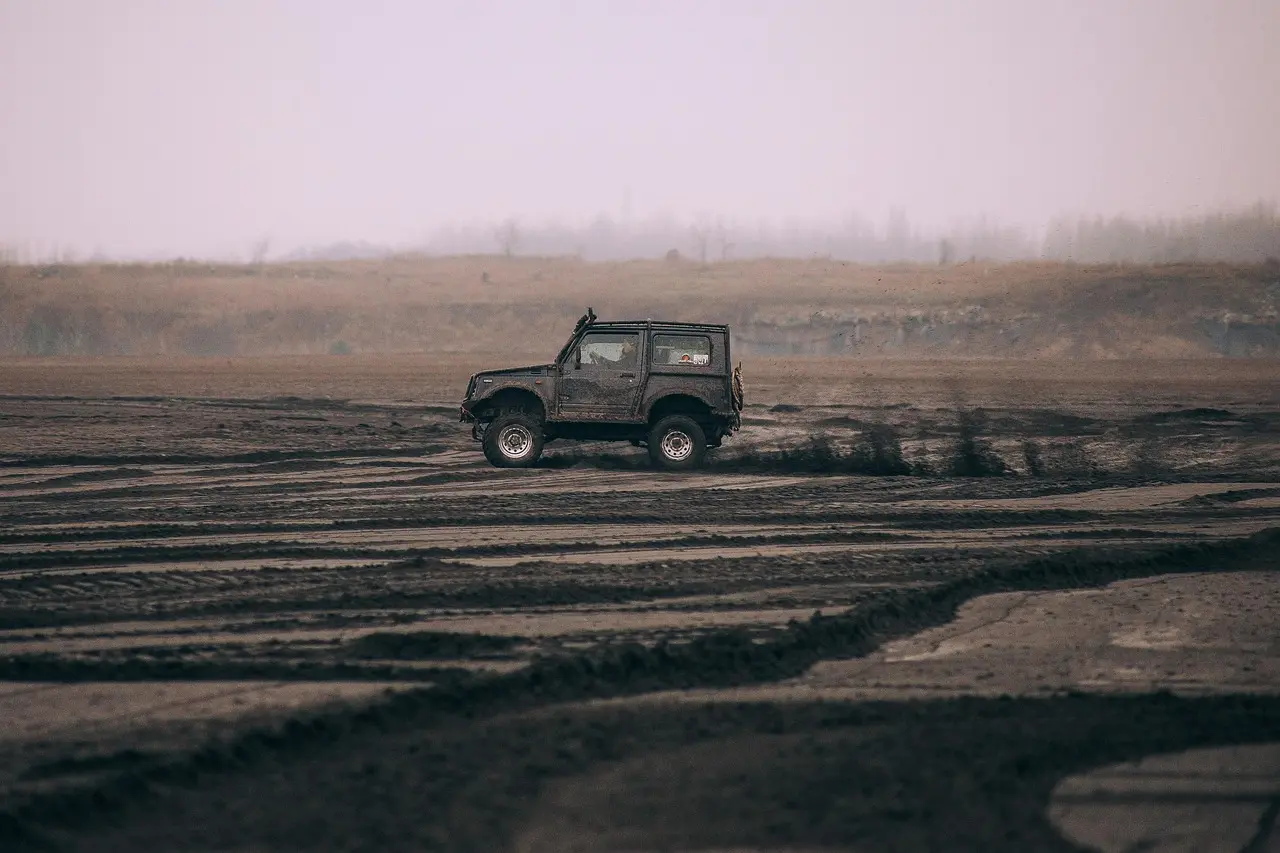
Off-road capability sits on a spectrum. A vehicle that handles graded forest roads is not ready for deep mud or ledges, and a model that works in snow may still scrape its belly on a rutted climb. The first filter is simple: clearance, traction hardware, tire choice, and body layout must match the trail.
Trail severity from mild to technical
At the mild end, dirt roads, gravel, and packed snow reward modest clearance and a stable AWD system. Sand and mud demand more tire bite and better traction control. Rock crawling and uneven ledges need more than trim names; they need low-range gearing, strong underbody protection, and good approach, breakover, and departure angles.
Ground clearance matters because it sets the minimum space between the ground and the underbody. The best off-road lists require at least 6.5 inches of ground clearance, and that figure is a useful floor for light trail use. More importantly, clearance affects breakover angle, which determines whether the middle of the vehicle drags on a crest or rut.
AWD, 4WD, and traction at a glance
Standard or optional AWD or 4WD is required to qualify on some off-road lists, but those systems are not equal. AWD helps on gravel, snow, and mild trails, especially when it works with drive modes and brake-based traction control. Four-wheel drive with a two-speed transfer case provides a low-range gear set for steep terrain and slow, controlled climbing.
Trails Offroad says off-road capability exists on a spectrum, and that is the right way to shop. A crossover with AWD may be enough for camp access. A dedicated 4×4 with lockers is a better fit once loose climbs, axle articulation, and repeated underbody strikes enter the picture.
SUVs for off-road use
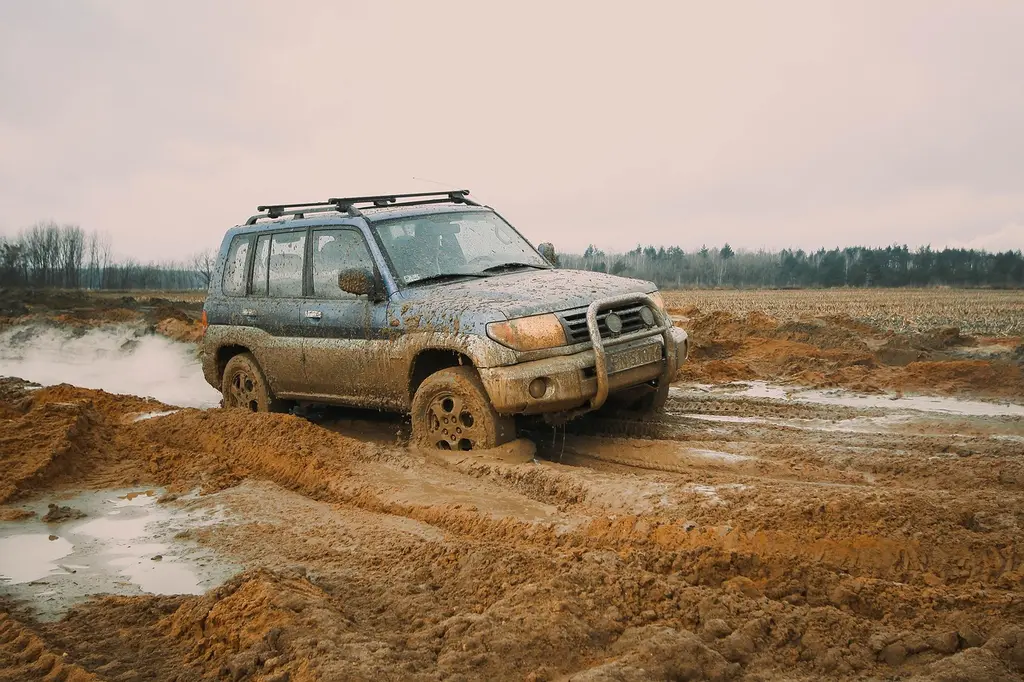
SUVs are one of the most common off-road choices, but the group splits into very different hardware sets. Body-on-frame SUVs generally tolerate rough use better because the separate frame can better handle towing, cargo load, and repeated trail impacts. Unibody SUVs can still work well, but they usually trade some durability, articulation, and breakover margin for road comfort and packaging efficiency.
Body-on-frame versus unibody SUVs
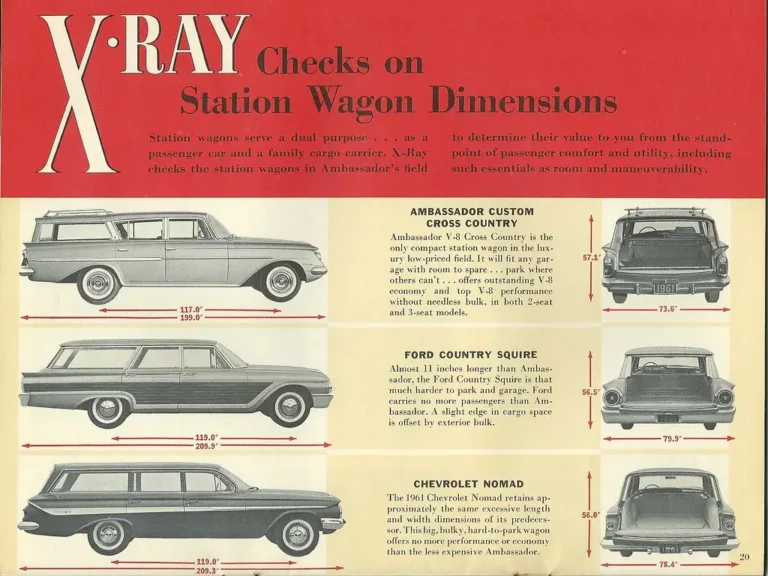
Body-on-frame SUVs usually offer stronger towing ratings, more rear-load capacity, and better tolerance for heavy accessories. Their longer suspension travel and tougher underpinnings help on washboard roads and mild trails. Unibody SUVs can have solid AWD and good clearance, but their lower sills, longer belly sections, and limited wheel travel can make them less suited to repeated hits.
That matters on uneven terrain. A longer wheelbase can improve highway stability, but it can also hurt breakover angle. Long rear overhangs can drag on departure. Short overhangs help a lot on steep exits and ledges.
Which SUV trims add real trail hardware?
Trim names only matter when they add actual hardware. Wilderness, TrailSport, and similar off-road trims often bring all-terrain tires, extra drive modes, underbody protection, hill descent control, and sometimes a better AWD system. Some trims also add more ground clearance through springs or air suspension, which can help with ruts and snow.
Do not assume every SUV trim is a true off-roader. A street-focused crossover with an off-road badge may still lack a low-range transfer case or locking differential. If the trim does not add tire, clearance, or traction hardware, it is mostly a cosmetic or mild-weather package.
Cargo, towing, and clearance tradeoffs
SUVs balance passenger space and cargo room better than most trucks. They also keep gear inside the cabin, which helps in rain, snow, or dust. The tradeoff is that added rear cargo volume can lengthen the body and reduce departure angle, while taller suspensions can raise the load floor and make entry more awkward.
For camping, that balance often works well. For repeated towing or heavy recovery gear, a truck may make more sense. If the plan is one vehicle for school runs, snow, and forest roads, a body-on-frame SUV with a real off-road package is a strong middle ground.
Pickup trucks for trails and hauling
Pickup trucks are the other common off-road choice, and they bring a useful mix of frame strength, ground clearance, and cargo flexibility. Midsize trucks are easier to place on narrow trails, while full-size trucks give you more payload and tow capacity. Both can be very capable, but bed length and cab size change the trail picture.
Midsize versus full-size trucks
Midsize trucks usually fit better on tight switchbacks and wooded routes. Their shorter wheelbases and smaller overhangs can help with breakover and departure angles. Full-size trucks can carry more gear and often offer more powerful engines, but their length and weight can make them harder to turn around and easier to drag on crests.
Open-bed utility is a major advantage. Dirty recovery gear, firewood, fuel cans, and wet bikes stay separate from the cabin. The cost is exposure: cargo can shift, dust can get in, and the open bed does nothing for weather protection unless you add a topper or tonneau cover.
Factory off-road packages that matter
Factory packages are worth attention only when they change the hardware. Tremor, TRD Off-Road, TRD Pro, Raptor, and similar trims may add all-terrain tires, locking differentials, skid plates, upgraded shocks, and trail drive modes. The Chevrolet Colorado, Ford F-150 Raptor, Ram 1500 TRX, and Toyota Tacoma and Tundra TRD Pro models are cited as highly capable.
Look at approach angle, departure angle, and underbody protection rather than trim names alone. A truck with tall tires but no skid plates can still damage the oil pan or transmission housing on a rock-strewn track. Skid plates protect critical drivetrain parts like the oil pan and transmission.
Can crossovers handle off-road trails?
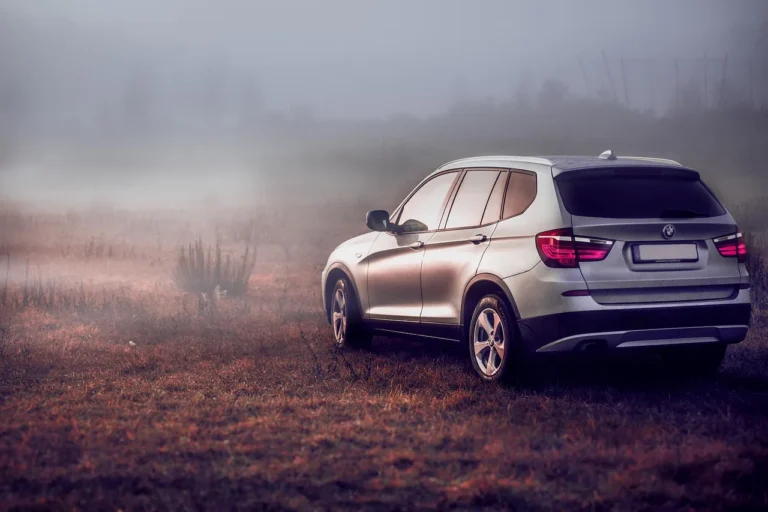
Yes, but only to a point. Crossovers with AWD can often handle dirt roads, gravel, light snow, and some mild two-track trails. Their unibody construction usually limits wheel travel, underbody durability, and breakover angle, so they run out of room sooner than body-on-frame SUVs and trucks on technical terrain.
What unibody construction limits
Unibody crossovers generally sit lower and have less suspension articulation than true 4x4s. Lower breakover limits mean the belly can contact a rise even when the front and rear clear it. Long front and rear overhangs also make bumpers more likely to scrape on steep entries and exits.
Suppose a crossover has 8 inches of clearance and a useful AWD system. That can work on a graded road with shallow ruts. Put the same vehicle on a cross-axle rut with a sharp crown, and the middle can bottom out before the tires lose grip.
Which AWD systems work for light trails?
AWD systems that can send torque rearward, manage wheel slip quickly, and pair with Snow, Dirt, or Deep Snow/Mud modes are often a better crossover choice. Hill hold helps on steep starts, and hill descent control manages speed on steep downhills. Trail control or one-pedal driving can also help the driver keep a slow, steady pace.
Even then, AWD is still usually a lighter-duty answer than low-range 4WD. It is useful for gravel and winter roads. It is less capable than a two-speed transfer case in hard terrain, where fine throttle control and torque multiplication matter more than automatic slip response.
Off-road hardware that changes the result

The right hardware matters more than the badge on the grille. iSeeCars identifies 10 important off-road features for modern vehicles, and the common thread is simple: clearance, traction, protection, and control. If those parts are missing, a vehicle can look ready and still struggle where the trail gets loose or uneven.
Ground clearance, skid plates, and underbody protection
Ground clearance, measured in inches, helps prevent contact with rocks, ruts, and snowpack. It also raises the point where the underbody meets a crest, which improves breakover margin. Skid plates add a second layer of defense by protecting the oil pan, transmission, transfer case, and other drivetrain parts from sharp impacts.
All-terrain tires and sidewall strength
All-terrain tires bite better than street tires on dirt, mud, and sand. They also tend to have stronger sidewalls, which matters when lower tire pressures are used off pavement. Factory fitment on some trims is a major plus, because tire choice often changes capability more than a cosmetic lift does.
A common first-timer mistake is choosing an AWD crossover with good clearance but leaving street tires on it. On a wet forest road, those tires can spin earlier, wear faster, and lose steering grip sooner than an all-terrain tire with a more open tread.
Locking differentials and low-range gearing
Locking differentials can lock both sides of an axle together, which keeps one wheel from spinning uselessly while the other still has grip. Rear lockers are common and valuable. Front or center locking hardware can help more in uneven, low-traction situations, especially when one axle unloads.
Low-range gearing is the other major divider. A two-speed transfer case provides a low-range gear set for steep terrain, letting the driver crawl slowly with more torque and better control. That is why low-range 4WD is so useful in rock crawling, deep mud, and steep loose climbs.
Hill descent control and trail modes
Hill descent control manages speed on steep downhills, which reduces brake overheating and makes descending less tense. Hill hold prevents rollback at a stop on an incline. Drive modes such as Snow/Dirt or Deep Snow/Mud change throttle, shift logic, and traction control behavior to suit the surface.
- Identify the worst trail you expect to drive.
- Check clearance, wheelbase, and overhangs against that trail.
- Decide whether AWD is enough or low-range 4WD is required.
- Confirm tire type, skid plates, and differential hardware.
- Match cargo, towing, and passenger needs to the body style.
Vehicle types by trail use
Choose by trail severity first, then by comfort, cargo, and price. Dirt roads and snow do not require the same hardware as mud holes or boulder fields. That is why a vehicle can be excellent for camping access and still be a poor choice for rock crawling.
Dirt roads, gravel, and snow
A crossover, AWD wagon, or mild SUV is often enough here if it has usable clearance, stable tires, and a traction system tuned for slippery pavement and loose stone. This is the zone where AWD shines. It is also where hill descent control, drive modes, and winter tires can make a bigger difference than lockers.
Sand and mud
Sand and mud ask more of the drivetrain and tires. A body-on-frame SUV or truck with all-terrain tires, decent clearance, and a real off-road mode is a safer bet. Low-range gearing, if available, gives more control when momentum matters and wheelspin needs to stay controlled.
Rock crawling and uneven ledges
Rock crawling is where dedicated 4×4 hardware earns its keep. Short overhangs, strong skid plates, locking differentials, and a two-speed transfer case matter more than power alone. A regular crossover or wagon is out of its depth here, even if it has good road manners.
Camping and overlanding use cases
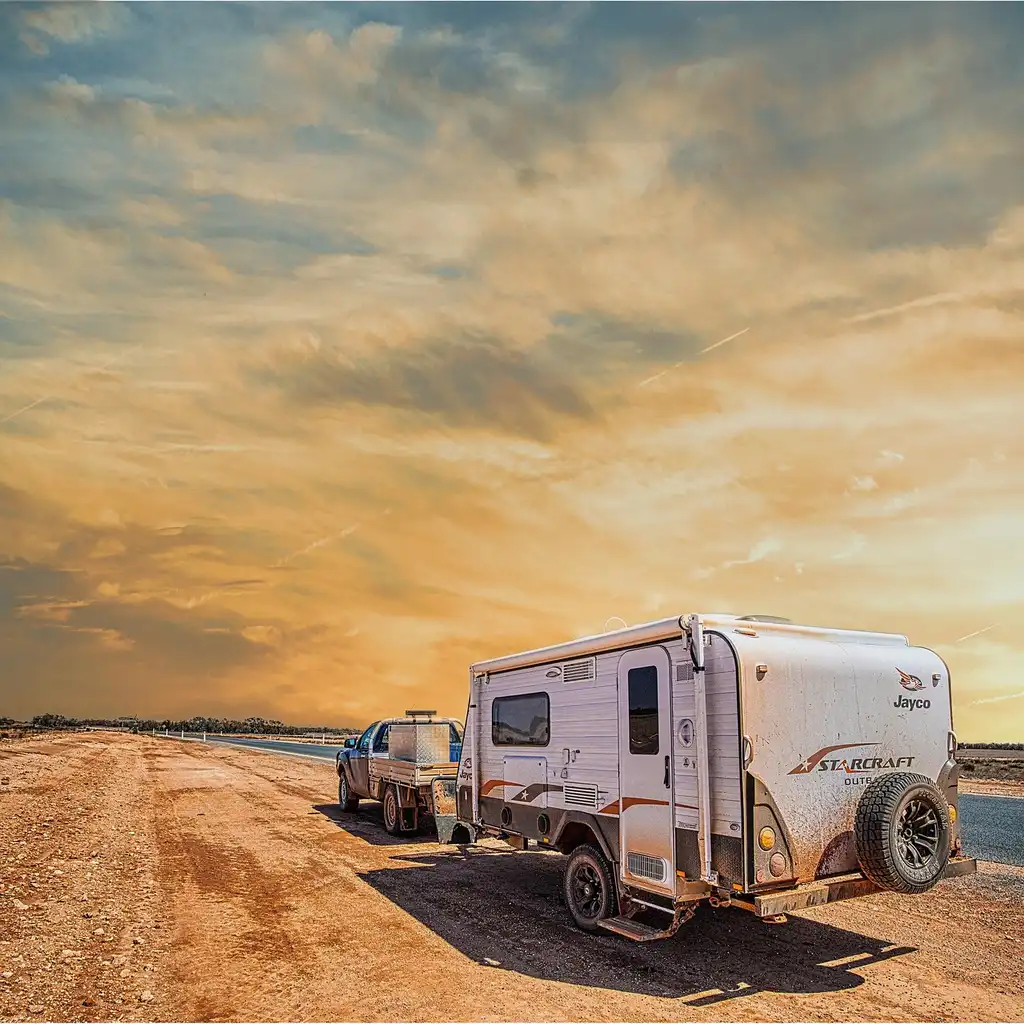
For camping and overlanding, the best choice often depends on load and route. A body-on-frame SUV gives enclosed cargo and passenger comfort. A pickup gives bed utility and easier mounting for gear. If the route stays on forest roads and graded tracks, a capable AWD wagon can still make sense.
Off-road vehicle decision matrix
This table compares vehicle type to trail severity and hardware needs. Use it as a filter, not a popularity contest. The yes/no cells are about fit for the stated use case, not whether a vehicle can ever leave pavement.
| Vehicle type | Chassis layout | Ground clearance target | Drivetrain needs | Tire type | Cargo/camping tradeoff | Best trail use case | Dirt roads | Sand | Mud | Snow | Rock crawling |
|---|---|---|---|---|---|---|---|---|---|---|---|
| AWD wagon | Unibody | 6.5 inches or more | AWD, hill modes, no low-range | All-season or light all-terrain | Good cabin space, modest load room | Graded roads, winter travel | Yes | No | No | Yes | No |
| Crossover | Unibody | 6.5 to 8 inches | AWD, Snow/Dirt modes, hill descent control helpful | All-terrain preferred | Balanced passenger and cargo space | Light trails, camping access | Yes | Maybe | No | Yes | No |
| Body-on-frame SUV | Separate frame | 7.5 inches or more | 4WD preferred, low-range helpful, locker ideal | All-terrain | Strong cabin utility, towing tradeoff varies | Mixed trails, overlanding | Yes | Yes | Maybe | Yes | Maybe |
| Midsize pickup | Separate frame | 8 inches or more | 4WD, low-range, rear locker useful | All-terrain | Best bed utility, less enclosed storage | Trails, hauling, camping | Yes | Yes | Yes | Yes | Maybe |
| Full-size pickup | Separate frame | 8 inches or more | 4WD, low-range, locker and skid plates preferred | All-terrain | Highest cargo and tow utility, longest body | Remote camping, sand, heavy loads | Yes | Yes | Yes | Yes | Maybe |
| Dedicated 4×4 | Separate frame or purpose-built 4×4 layout | 8 inches or more | Low-range 4WD, front/rear locker, trail control | All-terrain or mud-terrain | Least road comfort, most trail focus | Technical rocks, ledges, deep obstacles | Yes | Yes | Yes | Yes | Yes |
Frequently asked questions
What vehicle types are best for off-road driving?
SUVs and trucks are the common off-road choices because they package clearance, traction hardware, and cargo space well. Body-on-frame SUVs and pickups are best when the route includes rougher trails, while AWD wagons and crossovers fit mild roads, snow, and light trail access.
Are SUVs or trucks better for off-road use?
Neither wins in every case. Trucks usually give you more bed utility, better load handling, and strong factory off-road packages. SUVs often offer better enclosed cargo space and passenger comfort. For technical trails, the deciding factors are low-range gearing, lockers, clearance, and wheelbase, not the badge.
What features matter most for off-road driving?
Start with ground clearance, AWD or 4WD, and tire type. Then look for skid plates, locking differentials, hill descent control, hill hold, and trail modes. A two-speed transfer case matters most once the trail becomes steep, loose, or technical.
What is the difference between all-wheel drive and four-wheel drive off-road?
AWD is usually on-road biased and works well for gravel, snow, and light trails. Four-wheel drive with a low-range transfer case gives better crawl control on steep or loose terrain. That low-range gearing is the key difference when traction is inconsistent and speed must stay very low.
What should I check before buying an off-road vehicle?
Check clearance in inches, wheelbase, overhangs, tire type, and whether the vehicle has AWD or true low-range 4WD. Then confirm skid plates, locker availability, and off-road drive modes. Finally, make sure the cargo, towing, and passenger tradeoffs fit your real use case, not just a trim badge.
Products related to this article
Sponsored / affiliate links. As an Amazon Associate I earn from qualifying purchases. I may earn additional commission from eligible campaigns.