Vehicle Types for Winter Driving: Safer Picks in Snow and Ice
For packed suburbs and icy highways, an AWD wagon, hatchback, or crossover on winter tires is often a good default; choose a 4×4 SUV or pickup with around 8 inches of clearance for deeper-snow access roads. Pick the wrong setup, and you trade grip for longer stops, stuck starts, and damaged underbody parts. This guide matches body type, clearance, and traction tech to city commuting, highway travel, and snow-covered access roads.
Which vehicle type fits your winter roads?

The safest winter vehicle depends on the roads you actually drive. Packed suburbs and plowed streets reward lower, stable vehicles with winter tires. Icy highways call for steady on-road manners and quick traction transfer. Unplowed rural roads need more clearance and, often, 4WD with low range. Ski-trip travel sits between those extremes.
Packed suburbs and plowed streets
For roads that are plowed but still slick, a sedan, wagon, or crossover with AWD and winter tires can be enough. You do not need truck height if the route stays packed down. A lower center of gravity helps cornering, and winter tires matter more than ride height for braking and steering on ice.
Icy highway commuting
Highway driving in freezing rain or packed snow favors a vehicle with steady manners, predictable steering, and winter tires. AWD helps launch and merge, but it does not shorten stopping distance on its own. A wagon or sedan with AWD can be an excellent fit here, especially if ground clearance is not a concern.
Unplowed rural roads and deep snow
When snow piles up and drifts, clearance starts to matter more. A 4WD truck or body-on-frame SUV with low range is often the better tool for this job, especially where road service is slow. For this use case, U.S. News says “winter tires are key for serious snow,” and “four-wheel or all-wheel drive is a substantial help.”
Ski-trip and weekend travel
For winter trips, think about cargo room, rear-seat space, and confidence on wet, salted, and snowy roads. A crossover or wagon often fits best because it carries gear well without the bulk of a large truck. Heated seats help comfort, but they do not change braking distance or uphill grip.
Winter vehicle decision matrix

This matrix separates the winter conditions competitors often blur. Use it to match body type to route, traction system, tire choice, and clearance. The best fit changes with the road surface, snow depth, and how often you leave plowed pavement.
| Scenario | Sedan | Wagon | Crossover / SUV | Truck |
|---|---|---|---|---|
| Icy city commute | Best fit: good if plowed streets dominate. Drivetrain: AWD optional or standard. Tires: dedicated winter tires. Clearance: 6.0+ inches works. Watch for: low nose scraping in slush. | Best fit: very strong choice. Drivetrain: AWD often standard or available. Tires: winter tires. Clearance: 6.0+ inches. Watch for: assuming all-seasons are enough. | Best fit: common pick. Drivetrain: AWD or FWD with winter tires. Tires: winter tires. Clearance: 7.0 inches minimum. Watch for: tall body on poor tires. | Best fit: usable, but often more than needed. Drivetrain: 4WD or RWD with winter tires. Tires: winter tires. Clearance: 7.0 inches minimum. Watch for: light rear end on ice. |
| Packed suburban roads | Best fit: excellent if you want stability. Drivetrain: AWD optional or standard. Tires: winter tires. Clearance: 6.0+ inches. Watch for: bottoming in piled curb snow. | Best fit: one of the best balances. Drivetrain: AWD standard or available. Tires: winter tires. Clearance: 6.0+ inches. Watch for: cargo overload raising stopping distance. | Best fit: strong fit for families. Drivetrain: AWD preferred. Tires: winter tires. Clearance: 7.0 inches minimum. Watch for: all-season tires on heavy curb slush. | Best fit: practical if you need bed use. Drivetrain: 4WD helpful. Tires: winter tires. Clearance: 7.0 inches minimum. Watch for: empty bed reducing rear traction. |
| Unplowed rural roads | Best fit: poor unless snow is shallow. Drivetrain: AWD only. Tires: winter tires. Clearance: 7.0 inches minimum, better if close to 8.0. Watch for: dragging the belly pan. | Best fit: fair if snow is modest. Drivetrain: AWD. Tires: winter tires. Clearance: 7.0 to 8.0 inches. Watch for: snow packing under the front bumper. | Best fit: strong if clearance is enough. Drivetrain: AWD or 4WD. Tires: winter tires. Clearance: 8.0 inches or more. Watch for: soft-road modes masking tire weakness. | Best fit: best choice here. Drivetrain: part-time or full-time 4WD, ideally with low range. Tires: winter tires. Clearance: 8.0 to 9.0+ inches. Watch for: open differentials and poor tires. |
| Ski-trip highway driving | Best fit: good if luggage is modest. Drivetrain: AWD preferred. Tires: winter tires. Clearance: 6.0+ inches. Watch for: trunk overload and roof drag. | Best fit: excellent all-rounder. Drivetrain: AWD. Tires: winter tires. Clearance: 6.0+ inches. Watch for: forgetting roof cargo affects stability. | Best fit: strong for people and gear. Drivetrain: AWD preferred. Tires: winter tires. Clearance: 7.0 inches or more. Watch for: buying size before stability. | Best fit: only if you also need towing or bed space. Drivetrain: 4WD helpful. Tires: winter tires. Clearance: 7.0 inches or more. Watch for: fuel use and parking bulk. |
What matters more: AWD or winter tires?
Winter tires matter more for braking and steering on ice. AWD or 4WD can help you move off the line and keep momentum, but neither system replaces the cold-weather rubber compound and tread design that winter tires provide. If you must choose one upgrade first, start with winter tires.
How AWD transfers traction
AWD is usually standard on some vehicles and optional on others. It can send power to the wheels with grip more quickly than a two-wheel-drive setup, which helps when starting on slick pavement. Systems like Subaru symmetrical AWD and Mazda i-Activ AWD are often described as reacting quickly, but they still need winter tires.
Why winter tires matter for braking and steering
Winter tires use a dedicated cold-weather compound and tread pattern that grips better than all-seasons in low temperatures, packed snow, and ice. That matters most when you slow down or steer, which is where crashes often happen. U.S. The same source says “winter tires are key for serious snow.”
Why all-season tires fall short on ice
All-season tires can move a vehicle, but they give up traction once temperatures drop and the surface turns glossy. A high-clearance crossover on all-seasons can still slide longer than a lower sedan on winter tires. That is why “good in snow” and “good in winter” are not the same claim.
Suppose you drive a front-drive compact sedan on plowed city streets and fit winter tires before the first freeze. That car can stop and turn better than a taller SUV on worn all-seasons, even though the SUV sits higher. The tire choice changes the result more than the badge does.
How much ground clearance do you need?
A practical minimum for regular snowy-road use is about 7 inches, with around 8 inches or more often better for deeper snow and slush. Clearance helps when snow builds up, but it does not fix bad tires or poor throttle control. Higher ride height also helps reduce underbody drag from ruts and packed drift edges.
7.0 inches as a practical minimum
For most winter commuting on plowed or partly plowed roads, 7.0 inches is a useful floor. That is enough to clear many snow ruts and parking-lot ridges without scraping every time the lane narrows. The E-Class All-Terrain shows that a wagon can work here with up to seven inches of ground clearance.
8.0 to 9.0+ inches for deeper snow
Once roads stop getting regular plow passes, 8.0 inches becomes the safer target, and 9.0-plus inches is better still. The guide says winter cars need “good winter tire compatibility,” and it recommends “at least 8 inches” of ground clearance for deep snow. The Toyota 4Runner, for example, has low range and 9-plus inches of clearance.
When clearance helps and when it does not
Clearance helps in slush, snow banks, and rutted side roads, but it cannot stop a vehicle on ice. A tall crossover with poor tires can still underperform a lower wagon with the right rubber. That is the key trade-off many buyers miss: height helps travel through snow, while tire grip helps every move you make.
Sedans, wagons, SUVs, or trucks?
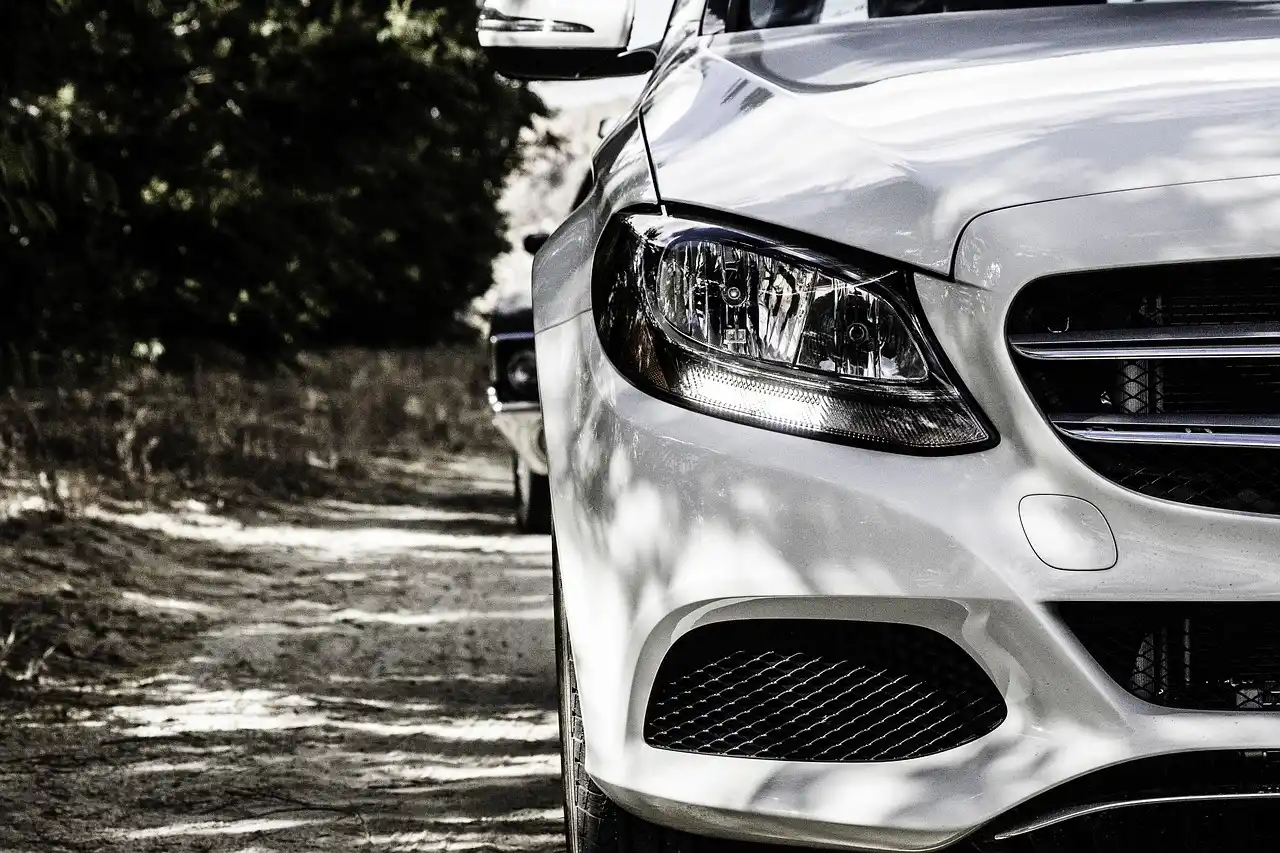
Body style shapes winter use more than many shoppers expect. Sedans can be strong on plowed roads. Wagons often blend stability and cargo room. Crossovers and SUVs dominate winter shopping because they package traction tech and space well. Trucks matter most when you need clearance, towing, or deep-snow access.
Sedans for plowed routes and highway use
Sedans usually sit lower, so they are not the first pick for deep snow. They can still be winter-capable with AWD and winter tires, especially on city streets and highway commutes that get regular plowing. Luxury all-weather sedans and compact sedans often do well when the road surface is controlled.
Wagons for low center of gravity and cargo room
A wagon can be one of the strongest winter choices. It keeps a lower center of gravity than many SUVs, often offers AWD, and carries winter gear without forcing a tall body. The Outback is a wagon with 8.7 inches of clearance, and the Forester Hybrid offers 69.1 cubic feet of storage with seats lowered.
Crossovers and SUVs for packaging and traction options
Crossovers and SUVs are common winter picks because they combine cargo space, passenger room, and AWD or FWD availability. Many also add drive modes, heated seats, and heated steering wheels. The Honda CR-V has Real Time AWD and a huge back seat, while the Mazda CX-5 uses predictive i-Activ AWD.
Trucks for rural access, towing, and deep snow
Trucks make sense when you need bed space, towing, or access to roads that stay snowed in. Most use 4WD, and many body-on-frame SUVs do too. A 4WD truck with winter tires often handles deep snow better than a low car, and some models add plow-prep packages for work use.
A common first-timer mistake is buying a tall SUV for a mountain cabin road, then leaving it on all-seasons because the dealer says the vehicle is “capable.” The first storm packs the driveway entrance, the tires spin, and the underbody starts scraping. The missing piece was grip, not ride height.
What winter equipment should you add?
Traction equipment matters more than comfort equipment. Chains or socks can get you through a bad stretch or satisfy regional rules. Heated seats, a heated steering wheel, heated mirrors, and heated windshield or wiper elements make cold mornings easier, but they do not improve stopping distance on ice.
Traction aids: chains or socks
Chains and tire socks are emergency or regional-use grip devices. Fit matters: they must match tire width and rim diameter, and installation time matters if you are pulled over roadside in a storm. Check local rules first, because some places restrict their use or require them in certain conditions.
Heated seats and steering wheels
Heated seats and a heated steering wheel improve comfort and reduce fatigue on long cold drives. That can matter on early commutes and ski trips. Still, treat them as comfort features, not safety gear. They should never substitute for winter tires, clearance, or a traction plan.
Heated mirrors, windshield, and wiper features
Heated mirrors and windshield or wiper elements help clear frost, sleet, and stuck ice faster. That improves visibility and saves time. It does not change braking physics, so pair these features with the right tires and the right body type for your route.
Winter vehicle decision rules
If you want a simple rule, start with the road, then choose the body type. Packed suburban streets reward AWD wagons, sedans, and crossovers on winter tires. Unplowed roads favor 4WD trucks and body-on-frame SUVs with higher clearance. Road-trip travel usually lands in the middle, where a wagon or crossover often gives the best balance.
Best match for city snow and ice
For city use, choose a sedan, wagon, or crossover with AWD and winter tires. Pick the lower vehicle if streets are mostly plowed and parking is tight. Pick the crossover if you need easier entry height, rear-seat space, or extra cargo room for winter gear.
Best match for unplowed roads
For rural winter access, choose 4WD with low range if the roads stay deep, rutted, or drifted. Aim for at least 8 inches of clearance, and prefer 9.0-plus inches when snowpack is common. This is where a truck or full-size SUV often makes more sense than a sedan or small crossover.
Best match for road trips and ski runs
For ski runs and winter trips, a wagon or crossover is usually the cleanest compromise. You get better cargo packaging than a sedan and less bulk than a truck. Add winter tires first, then decide whether AWD or extra clearance is needed for your route and parking access.
Frequently asked questions
What vehicle type is safest in snow and ice?
The safest type depends on the road. On packed streets and highways, an AWD wagon, sedan, or crossover on winter tires is often the best balance. On unplowed roads, a 4WD truck or SUV with more clearance is safer because it keeps moving through deeper snow without dragging underneath.
Is AWD or winter tires more important for winter driving?
Winter tires are more important for braking and steering on ice. AWD helps you start moving and maintain traction, but it does not make the car stop shorter on slick pavement. If budget is limited, put winter tires first and treat AWD as a useful extra, not a substitute.
Are SUVs better than sedans in snow?
Not always. SUVs often have more clearance and cargo space, which helps in deeper snow and winter travel. But a sedan with winter tires can outperform an SUV on all-seasons on plowed roads and ice. The tire and the route matter more than the body style alone.
How much ground clearance do I need for snowy roads?
About 7.0 inches is a practical minimum for snowy-road use, while 8.0 to 9.0+ inches is better for deeper snow and slush. Clearance helps you avoid scraping through ruts and drift edges. It does not fix weak tires, so do not let height replace traction planning.
Is a wagon good for winter driving?
Yes. A wagon can be an excellent winter choice because it usually has a lower center of gravity than an SUV, strong cargo space, and often AWD. The Outback is a wagon with 8.7 inches of clearance, which is enough for many snowy-road duties without moving to a taller vehicle.
When do I need snow chains instead of winter tires?
Use chains or socks when local rules require them, when roads are so deep that winter tires alone are not enough, or when you need temporary traction for a short stretch. Fit limits matter, and not every tire can accept every device. Check tire width, rim diameter, and local restrictions before you travel.
Products related to this article
Sponsored / affiliate links. As an Amazon Associate I earn from qualifying purchases. I may earn additional commission from eligible campaigns.