Vehicle Types Guide: Body Styles and Categories Explained
Classify a vehicle with a simple multi-step rule: identify its body style, underlying platform, and intended use, then treat marketing labels like crossover, coupe-SUV, or sportback as secondary. Get this wrong and you compare the wrong cars, misread cargo or towing limits, and pay extra for features tied to size class rather than shape. I use this system on dealer listings because it sorts body styles, vehicle categories, size classes, and edge-case labels into something practical.
Start here: the four-part system for classifying any vehicle

In plain terms, a vehicle is a wheeled machine that moves people, cargo, or both from one place to another, either under its own power or with outside force. That broad bucket includes bicycles, horse-drawn rigs, trains, and motor vehicles, but for buying and comparison work, I narrow it to passenger and light-duty road vehicles because that is where body style and platform labels get messy fast.
Body style: what the shape and openings tell you
Body style is the visible shape you can verify in ten seconds. Check the cargo opening, count the side doors, and watch what the roof does at the rear. Those details separate a sedan from a hatchback, a wagon from a crossover, and a true coupe from a low-roof sedan wearing a fashion label.
For shoppers, body style changes daily use. A rear liftgate swallows strollers, dog crates, and moving boxes more easily than a narrow trunk slot. A long roof helps with tall cargo. I have also watched buyers fall for a sleek coupe roof, then curse it the first time they crawl into the back seat.
Platform and construction: car-based, truck-based, unibody, body-on-frame
Platform tells you what the vehicle is built on and usually how it will feel on the road. A crossover is usually car-based and often uses unibody construction. A traditional truck-based SUV may use body-on-frame construction. Those differences affect ride, towing behavior, step-in height, and how the vehicle reacts on broken pavement.
This is where many listings go off the rails. Sellers often call every tall five-door an SUV, even when the underlying vehicle drives more like a raised hatchback or wagon.
Size class: subcompact, compact, midsize, full-size
Size class is a market segment, not a body style. These labels often refer to broad size categories, usually based on exterior footprint, interior volume conventions, or both, depending on the market or rule set. A compact sedan and a compact SUV can share the same size tag while giving you very different headroom, seating height, and cargo shape.
Use case: passengers, cargo, towing, commuting, family duty
Use case is the buyer filter I trust most. Start with the job the vehicle has to do every week, then check which body style and platform make that job easy. A family dealing with child seats, a commuter squeezing into parallel spaces, and a buyer tossing muddy gear in back can all need different vehicles even if the listings use nearly identical words.
- Identify the body style. Look at the roofline, cargo opening, and door count.
- Identify the platform. Decide whether it is car-based or truck-based, and whether ride height is functional or mostly cosmetic.
- Check the size class. Compare footprint and cabin space within that class, not across unrelated body styles.
- Match the use case. Prioritize rear-seat access, cargo shape, towing needs, efficiency, and parking reality.
What is the difference between a vehicle type and a body style?
A vehicle type is the broad category a machine falls into, while body style is one layer inside that category describing exterior form and access points. A single model can sit in several buckets at once, for example a compact crossover, or a midsize sedan hybrid.
Why vehicle is the broad bucket
Vehicle is the top-level term. In road-use discussions, people usually mean passenger cars, SUVs, crossovers, vans, and pickups. In formal classification work, ISO 3833-1977 is an international standard for road vehicle types, which shows how broad the subject gets once regulation steps in. (en.wikipedia.org)
Why body style is narrower
Body style is about shape and openings. Sedan, hatchback, wagon, coupe, and convertible are body styles. SUV and crossover often start as vehicle categories, then get used as body-style shorthand in buyer language. That overlap is where the confusion starts.
Why one vehicle can belong to more than one category
A listing can accurately describe the same vehicle as a compact car, a hatchback, and an EV. Those are three different lenses: size class, body style, and powertrain. Trouble starts when those layers get mashed into one label and treated as if they mean the same thing.
Why dealer listings and legal records may differ
Dealer listings are built for search traffic, so labels get stretched. Registration and insurance systems have different goals. A state may classify by weight, body, use, or tax rules. In New Hampshire, vehicle registration starts in the town clerk’s office, most motor vehicles must begin registration at the town or city clerk, and the process is described as a two-part process. That legal label may not match the shopping label on the window sticker.

How mixing body style and type can skew your vehicle research
Understanding the distinction between a vehicle’s body style (its shape, roofline, and door count) and its broader vehicle type (size, market role, or primary use) prevents mis‑filtered searches and inaccurate spec comparisons. The guide explains the rule “shape first, category second,” walks through the main U.S. body styles, and clarifies fuzzy cases like SUVs that blur the line. By mastering this separation, shoppers can target the exact label that matters for their needs and avoid the confusion that leads to bad purchase decisions. Dive deeper into the differences with the body style vs type article.
Passenger-car body styles: how to tell them apart fast
Sedan and hatchback: separate trunk versus liftgate
A sedan usually has a three-box shape: engine bay, passenger cabin, and a separate trunk. It is usually a four-door body style with a trunk-separated cargo area. The fastest tell is simple: the rear glass stays fixed while the trunk lid opens below it. (en.wikipedia.org)
A hatchback uses a rear liftgate, and the cargo space shares air with the passenger cabin. In real shopping, that matters more than the badge. A liftgate opening usually handles square items, pets, and folded bikes better than a trunk opening with a similar overall footprint.
Some edge cases fool people. A liftback can look sedan-like from the side, yet the rear glass lifts with the cargo opening. If the whole rear opening rises, I treat it like a hatch for cargo logic even if the brand avoids the word.
Wagon: long roof, car roots, and why it gets confused with crossovers
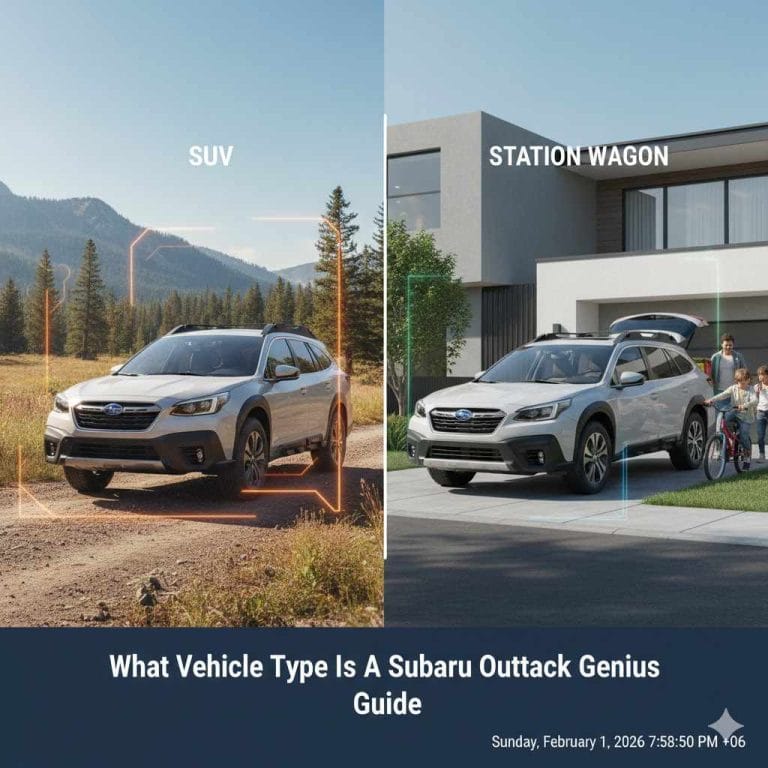
A wagon usually keeps a car-based layout, carries the roofline farther rearward, and creates a long cargo area behind the rear seats. It often rides lower than a crossover. That lower floor can make loading easier, even when the vehicle looks less tough in photos.
Wagon versus crossover confusion usually comes from cladding and ride height. If the roof runs long and straight, the floor is relatively low, and the shape feels like a stretched hatchback more than a tall utility body, wagon is usually the better call.
Coupe and convertible: access, roofline, and daily-use tradeoffs
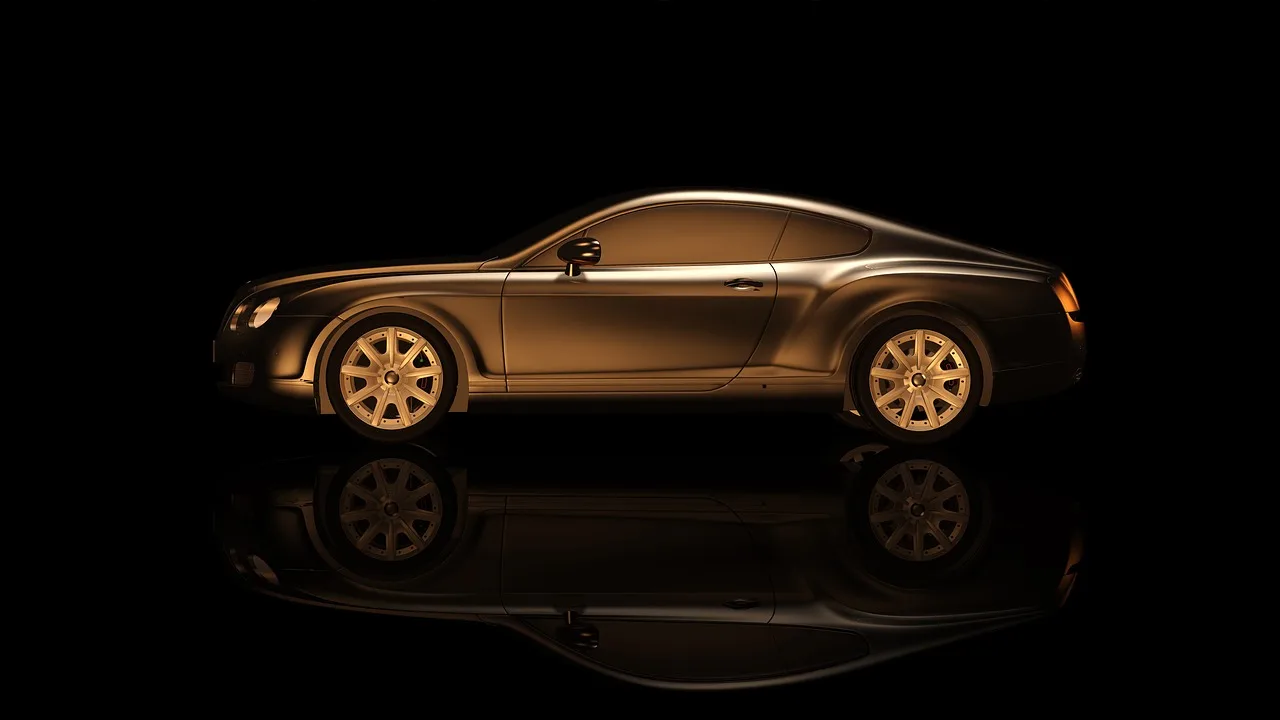
A coupe usually trades rear-seat access and headroom for a sportier roofline. Traditionally it has two doors, though many brands now market low-roof four-doors as coupes. For shopping purposes, access beats branding. If rear entry is awkward and the roof cuts down cabin openness, it behaves like a coupe. (en.wikipedia.org)
A convertible is defined by its retractable or removable roof. The tradeoffs are familiar: more weather exposure when open, more noise when closed, possible cargo loss from roof storage, and extra weight or added structure to make up for the missing fixed roof.
When brands stretch the terms
Fastback, liftback, sportback, four-door coupe, and crossover coupe are marketing labels first. Translate them into plain checks. Ask three questions: Does the rear glass lift? Is there a separate trunk? Does the roofline cut into rear access or cargo shape in a way you will notice? Those answers tell you more than the badge.
How do I tell an SUV from a crossover?
An SUV is a higher-riding utility vehicle category, while a crossover is usually a car-based vehicle with SUV-like shape and ride height. The cleanest shortcut is platform first, then proportions, then use: crossovers usually favor road comfort, while truck-based SUVs usually point to heavier-duty towing or off-road intent.
The platform clue
A crossover is usually built on a car-based platform, often using unibody construction. A traditional SUV may share roots with a truck platform or use body-on-frame construction. That does not make one automatically better. It changes what the vehicle is trying to do.
The visual clue
Crossovers often have lower floors, less dramatic step-up, and proportions closer to a tall hatchback. Truck-based SUVs usually look taller through the body, not only the suspension. Cargo openings can also reveal intent: some tall utilities have broad, family-friendly openings, while others give away a more upright, work-like package.
The use clue
For daily driving, the difference shows up in ride feel, turning ease, loading height, and fuel or energy use. For heavier towing, rough trails, or frequent load-bearing work, the more truck-like utility may fit better. Specs vary widely, so this is a classification clue, not a guarantee.
Where the line blurs
Some raised wagons, two-row utilities, and rugged-trim crossovers are hard to sort at a glance. When the line blurs, ignore the marketing label and classify the vehicle by what it does. If it loads like a wagon and drives like a car, treating it as a crossover or raised wagon usually leads to better comparisons than treating it as a traditional SUV.
Beyond cars: minivans, pickup trucks, and other utility-focused types
Minivan: sliding doors, low floor, and third-row access
Minivans remain the cleanest family tool because the body shape is built around access. Sliding doors help in tight parking spaces. A low floor helps children, older passengers, and anyone loading child seats or bulky gear. Three-row SUVs often look better in photos, but many still lose on third-row access and usable cargo behind that third row.
Pickup truck: open bed, cab styles, bed lengths, and towing context
A pickup truck separates passenger space from an open cargo bed. That makes dirty cargo, home-improvement loads, and tall objects easier to carry. It also creates tradeoffs: unsecured cargo, bed weather exposure, and a longer overall footprint than many enclosed vehicles with similar cabin space.
Cab and bed combinations matter more than the truck label alone. A shorter cab with a longer bed suits work. A larger cab suits family use, yet reduces bed length unless the truck grows overall.
Van versus minivan versus full-size van
A minivan is family-focused passenger packaging with sliding doors and a lower floor. A full-size van sits in a different use band, often aimed at commercial hauling, shuttle duty, or large-volume cargo work. Both are vans, but their packaging and buyer priorities are different.
What counts as a compact, midsize, or full-size car?
Compact, midsize, and full-size are size-class labels, not body styles. They describe a market segment tied to footprint, interior volume conventions, or both, and the exact boundaries can vary by region. The key shopping point is to compare size classes within the same body shape before comparing across shapes.
Why size class is not a body style
A compact sedan, compact hatchback, and compact crossover share a size label but not the same packaging. The crossover usually spends more of its footprint on height and entry position. The sedan may use length for trunk separation. The hatchback may turn modest exterior size into better cargo flexibility.
How footprint and cabin shape affect the label
Wheelbase, body width, roof height, and rear overhang all shape cabin feel. That is why a midsize sedan may feel roomy for adults while a compact crossover feels easier to load, even if neither wins on every dimension.
Why compact SUV and compact sedan do not mean the same thing
Same size class, different priorities. The compact SUV usually buys ride height and cargo opening. The compact sedan usually buys cleaner aerodynamics, lower step-in, and a separate trunk. The size badge alone cannot tell the full story.
Comparison matrix: the quickest way to compare major vehicle types
How to read the matrix
The matrix below uses typical shopping values rather than legal definitions. Passenger count, doors, and parking ease are broad norms for mainstream versions of each type, and exact specs vary by model. Use it as a first-pass filter when listings use fuzzy labels.
| Vehicle type | Typical passenger count | Cargo access | Ride height | Typical doors | Parking ease | Family fit | Common confusion points |
|---|---|---|---|---|---|---|---|
| Sedan | 4-5 | Separate trunk | Low | 4 | Good | Good for small families | Liftbacks mistaken for sedans |
| Hatchback | 4-5 | Rear liftgate, shared cabin-cargo space | Low | 3 or 5 | Very good | Good | Often confused with small wagons |
| Wagon | 4-5 | Rear liftgate, long roof cargo area | Low to medium | 5 | Fair to good | Very good | Often mislabeled as crossover |
| Coupe | 2-4 | Trunk or hatch, limited rear access | Low | 2 | Good | Limited | Four-door “coupes” are usually sedans in practice |
| Convertible | 2-4 | Trunk or hatch, roof storage tradeoffs | Low | 2 | Good | Limited | Body style, not a separate size class |
| Crossover | 5-7 | Liftgate, flexible cargo area | Medium | 4 or 5 | Fair to good | Very good | Often called SUV without platform distinction |
| SUV | 5-8 | Liftgate, taller load floor | Medium to high | 4 or 5 | Fair | Very good | Crossovers and truck-based SUVs get mixed together |
| Minivan | 6-8 | Large liftgate, low floor, sliding doors | Medium | 4 or 5 | Fair | Excellent | Compared with three-row SUVs despite different priorities |
| Pickup truck | 2-6 | Open bed plus cab storage | High | 2 or 4 | Poor to fair | Varies by cab | Passenger room and bed utility depend on cab style |
How the matrix clears up common shopping mistakes
The matrix separates shape from purpose. A wagon may match a crossover on cargo usefulness while parking more like a car. A hatchback may beat a sedan for real cargo flexibility in a smaller footprint. A minivan may fit family life better than a larger-looking SUV.
How to use it when listings are mislabeled
If a listing calls a vehicle a coupe-SUV, inspect the actual openings and proportions. If it has four side doors, a liftgate, and crossover ride height, compare it against crossovers first. If a so-called sedan lifts the rear glass with the lid, compare it against hatchbacks too.
Which vehicle type fits your use case?
The best vehicle type depends on the problem being solved: parking, family access, cargo shape, towing, or driving feel. Start with the daily task that cannot be compromised, then narrow by body style and platform.
Commuting and city parking
Small sedans, hatchbacks, and compact crossovers tend to make the best short list. Parking ease, outward visibility, and door swing matter every day. A hatchback often makes the strongest case when garage space is tight and cargo needs change week to week.
Families and child seats
Rear-door opening size matters more than sporty styling. Minivans usually make the least-fussy family solution. Crossovers and SUVs can work well, especially two-row versions with wide rear openings, but the third row in many utilities remains a packaging compromise.
Cargo, towing, and outdoor gear
Enclosed cargo points toward hatchbacks, wagons, crossovers, SUVs, and vans. Dirty or oversized cargo points toward pickups. Towing needs push some shoppers toward truck-based utilities or trucks, though many people buy far more capability than they use.
Style, performance feel, and weekend use
Coupes and convertibles still make sense when rear-seat access and cargo flexibility are secondary. Sedans can also deliver a lower, more direct feel than taller utilities. The mistake is assuming that sleek shape alone defines use. Many sporty-looking four-doors remain everyday sedans in function.
A practical checklist for overlapping categories
- Measure the hard need. Child seats, bike storage, bed use, garage fit, or towing.
- Check cargo opening shape. Trunk opening versus hatch opening changes real usability.
- Check rear-seat entry. Roofline and door size can ruin an otherwise good choice.
- Check ride height honestly. Useful for visibility and rough roads, less useful if it adds bulk without solving a problem.
- Ignore stretched labels. Compare the vehicle against the body style it behaves like.
What are the pros and cons of two-door vs four-door cars?
Two-door cars usually favor style, longer front doors, and a sportier profile, while four-door cars favor rear-seat access and everyday flexibility. For most buyers, the real dividing line is how often adults, child seats, bags, or pets need to move through the rear side openings.
Two-door tradeoffs
Two doors can look cleaner and may suit drivers who rarely carry rear passengers. The drawbacks show up fast in daily use: longer doors in tight parking spaces, awkward rear entry, and less convenience when loading children or bulky items.
Four-door tradeoffs
Four doors make the cabin easier to use. They usually age better as needs change too. The style penalty that once separated sedans from coupes has narrowed because many modern four-doors carry lower rooflines and stronger proportions than older family cars did.
Where electric and hybrid vehicles fit into these categories
Powertrain versus body style
EV, hybrid, and plug-in hybrid are powertrain labels, not body styles. An electric vehicle can be a sedan, hatchback, wagon-like car, crossover, SUV, pickup, or van. Treat propulsion and shape as separate decisions, otherwise the comparison set gets distorted fast.
Battery packaging can alter proportions. Floors may sit higher, front overhangs may shorten, and trunks may change shape. Even so, the body-style rules still hold. A sedan with a separate trunk remains a sedan. A liftgate car remains a hatchback or wagon. A tall car-based utility remains a crossover.
Examples of familiar categories with new powertrains
Hybrid sedans still compete with sedans. Electric crossovers still compete with crossovers. Electric pickups still need to be judged as pickups, with bed use, turning space, ride height, and cab layout all still relevant. New propulsion does not erase old packaging tradeoffs.
Why this matters when shopping
Some buyers shop “for an EV” before deciding what shape they need. That can lead to buying the wrong body style simply because the powertrain is appealing. Decide the body and use first, then narrow the powertrain.
Frequently asked questions
What are the main vehicle body styles and categories?
The main passenger-road body styles are sedan, hatchback, wagon, coupe, and convertible. Common light-duty vehicle categories also include crossover, SUV, minivan, van, and pickup truck. Size labels such as compact or midsize sit on top of those shapes rather than replacing them.
Is a hatchback a car type or a body style?
A hatchback is best treated as a body style. The defining feature is a rear liftgate with cargo space shared with the passenger cabin. A hatchback can also be described by size class, platform, or powertrain, which is why one car can be a compact hatchback hybrid.
How do I tell an SUV from a crossover?
Start with the platform. A crossover is usually car-based and road-focused, while a traditional SUV may be more truck-based in construction and intent. If the line is blurry, compare ride height, loading height, cargo opening, towing needs, and how the vehicle is actually used.
What counts as a compact, midsize, or full-size car?
Those labels describe market size classes, not body styles. They usually reflect footprint, interior volume conventions, or both, and can vary by region. A compact sedan and compact SUV do not promise the same space because body shape changes how that size is packaged.
Which vehicle type is best for families, commuting, or cargo?
For commuting, small sedans, hatchbacks, and compact crossovers are common fits. For families, minivans and practical crossovers usually rise to the top because access matters. For cargo, hatchbacks, wagons, crossovers, SUVs, vans, and pickups each solve different loading problems depending on shape and exposure.
How do electric and hybrid vehicles fit into vehicle categories?
Electric and hybrid vehicles fit inside existing categories rather than creating new body styles. An EV can be a sedan, crossover, SUV, truck, or van. Classify the shape first, then the platform, then the powertrain, so comparisons stay grounded in real cargo and passenger use.
Products related to this article
Sponsored / affiliate links. As an Amazon Associate I earn from qualifying purchases. I may earn additional commission from eligible campaigns.
 Headlight Restoration Kit,Headlight Cleaner for All Vehicle Types (4.23 oz)
 Tracki Pro GPS Tracker for Vehicles, 4G LTE, Long Battery Life
 Swing‑Away 2 Inch Hitch Adapter, Heavy‑Duty 120 Degree Pivot, 260 Lbs Load Capacity, Hitch Mount Bike Rack Extension for Standard 2" Receiver, Fits Most 2‑inch Hitch Racks