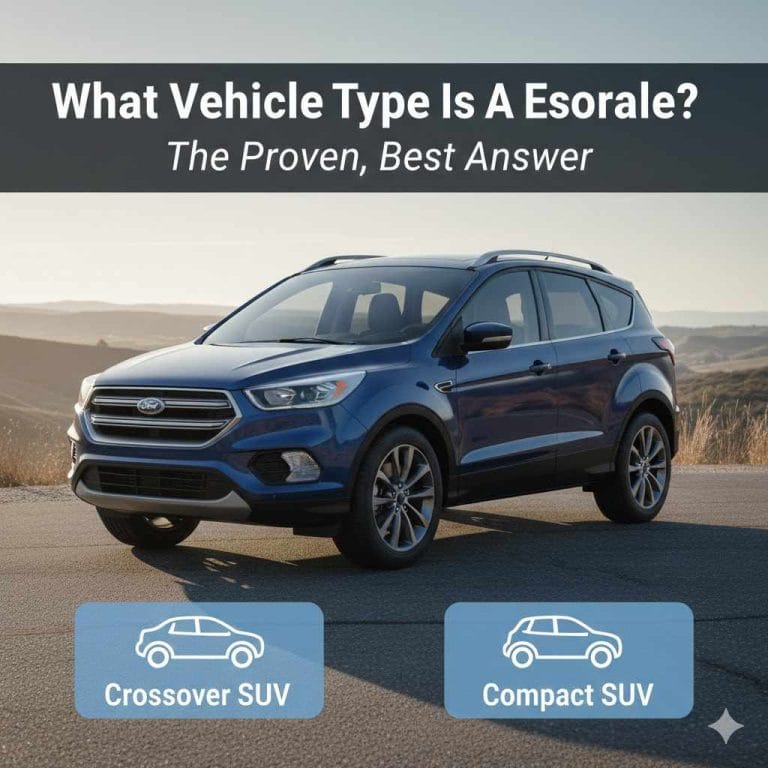

Vehicle Types for Insurance: How Classification Can Change Rates
Insurance carriers price vehicles by body style, engine output, repair cost, theft risk, safety equipment, and how you use the car. Two similar models can fall into different rating groups and produce very different premiums. Miss that, and you can buy a car that costs far more to insure than expected. This guide explains vehicle classifications, the rating factors behind them, and how to compare similar models before you buy.
How insurers sort vehicles into rating buckets

Vehicle classification is the type or use category an insurer applies when pricing risk. That label can move premiums materially, and carriers do not all rate the same way. One company may place a model in a personal-use bucket, while another adds a commute or business factor that changes the bill.
What insurers mean by vehicle class
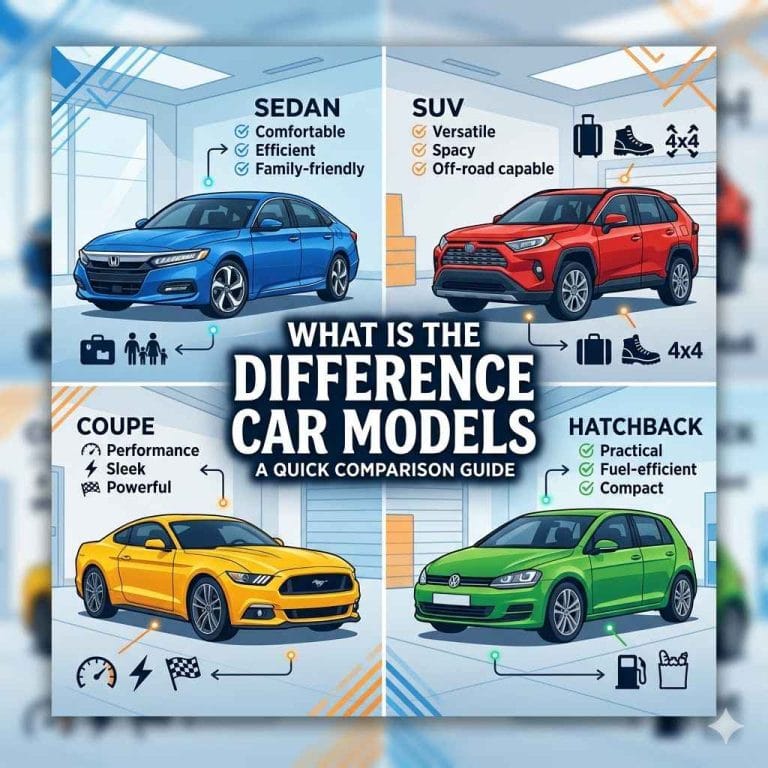
Insurers usually sort a vehicle by body style, weight, intended use, and model-specific loss patterns. A sedan, crossover, pickup, and sports car may all be rated differently even if they carry the same number of seats. The model trim, engine output, and equipment can matter as much as the basic body style.
That is why the same nameplate can price differently across carriers. A base trim and a high-output version may share a badge but not the same repair cost, claim severity, or theft exposure. Those differences flow into liability, collision, and comprehensive pricing in different ways.
Why class can move liability, collision, and comprehensive differently
Liability pricing depends on the drivers who usually own the vehicle and the harm it can cause in a crash. Collision and comprehensive depend more on repair cost, replacement value, and theft profile. A model with high parts costs can push collision up even if its liability profile is ordinary.
Comprehensive can move sharply when theft exposure is high. Collision can move sharply when body panels, sensors, or battery components are expensive to replace. Liability can rise when the vehicle type is linked to younger or more claim-prone drivers, such as some sports cars and high-output trims.
Why the same model can price differently by carrier
Vehicle class is not fixed across the market. Different carriers use different rating systems, different claim histories, and different thresholds for body style, use, and model series. That is why a quote on one policy can look ordinary while another carrier treats the same vehicle as a higher-cost risk.
What drives a vehicle’s insurance price?
Repair cost, replacement value, theft risk, safety rating, weight, and usage all feed the rate. Physical damage coverages often drive the biggest swings because they track what it costs to fix or replace the vehicle after a loss. How the car is used and where it is garaged also matter.
Repair cost and parts availability
Higher repair expense raises collision and comprehensive premiums. Luxury and European vehicles often cost more to repair because parts can be pricier, labor can be more specialized, and damage to sensors or body panels can be harder to absorb. Even a modest impact can become a costly repair order.
That matters most when two vehicles share a similar body type. A standard compact crossover may price lower than a luxury crossover if its parts are common and its repair procedures are simpler. The body style is the same; the model-level repair burden is not.
Replacement value and total-loss risk
Actual cash value matters for total losses and physical damage coverage. Newer, more expensive vehicles usually cost more to insure because the insurer’s payout exposure is higher if the car is stolen or declared a total loss. That effect can show up even when the vehicle is safe and easy to drive.
Say your choice is between a used compact sedan and a late-model luxury sedan with advanced equipment. The second car may carry a much higher value at the moment of loss, so the insurer prices more for collision and comprehensive even if the two cars look similar from the curb.
Theft exposure and comprehensive claims
High-theft models can increase comprehensive premiums. Pickups and popular sedans are common targets in many markets, and that risk can show up before a single crash claim is filed. The effect is strongest when the model is widely stolen, easy to strip for parts, or often parked on the street.
Theft exposure can outweigh some other features inside the same body class. A vehicle with average repair cost but a poor theft profile may still price higher than a less stolen model with similar value. That is one reason comparing only body style can mislead buyers.
Safety ratings, weight, and driver profile
IIHS and NHTSA crash performance affect risk pricing because better crash results can reduce injury-related claims. Strong safety scores do not guarantee the cheapest rate, but they can help when a vehicle also has moderate repair cost and moderate theft exposure. Fewer injuries can mean lower liability pressure.
Gross vehicle weight also matters, especially for trucks and commercial-use vehicles. Heavier vehicles can be rated higher in some systems because they are used differently and can create a different severity pattern. Driver demographics matter too. Sports cars often skew younger and more claim-prone, which can raise rates beyond the car’s hardware alone.
Vehicle types that usually cost less
Small sedans and minivans are usually cheaper to insure than sports cars and luxury vehicles. Mainstream crossovers with strong safety scores often fall in a middle or lower band when their repair costs stay reasonable and theft exposure remains modest. The cheapest choices are often the ones that are common, easy to repair, and not a theft target.
Why lower repair and theft risk matter
Repair cost and theft risk usually move rates more than styling alone. A common vehicle with standard parts can be less expensive to fix after a parking-lot loss, and that helps collision and comprehensive. Good safety scores can also help by lowering injury-related losses.
Among benchmark examples, compact sedans average $118 monthly, minivans average $115 monthly, and electric vehicles average $172 monthly. Those figures are benchmarks, not guarantees. A specific trim, location, and usage code can shift the result materially.
Honda Odyssey is listed among the 10 cheapest vehicles to insure. That fits the broader pattern: practical design, family use, and lower claim severity often help. But the exact trim and use code still matter.
Vehicle types that usually cost more
Sports cars, high-output trims, luxury sedans, luxury SUVs, full-size pickups, and heavy-use vehicles often cost more to insure. The reasons vary: power, parts, theft exposure, and claim severity all matter. In benchmark data, sports cars and performance vehicles average $189 monthly, luxury sedans and SUVs average $196 monthly, and full-size pickup trucks average $167 monthly.
Why power, parts, and claim severity raise price
High-output engines can attract higher-risk drivers and generate more severe losses. Performance models may also need specialized parts, larger brakes, or more expensive body pieces. That combination can push both liability and physical damage pricing up.
BMW M3 and M4 are cited as expensive-to-insure performance sedans. Ford F-150 appears among the 10 most expensive vehicles to insure. Those examples do not mean every sedan or every pickup is costly. They show how specific model-level traits can outweigh the generic body label.
Electric vehicles deserve close comparison as well. In the cited benchmark, they average $172 monthly. Battery damage, specialized repair procedures, and total-loss exposure can matter more than body style alone.
Vehicle comparison matrix
This matrix shows how common vehicle choices can affect pricing through classification triggers. Use it as a pre-purchase screen, then verify the exact VIN, trim, and use code before you quote.
| Vehicle choice | Body type | Weight | Theft exposure | Repair complexity | Safety score | Likely use code | Misclassification risk | What to verify before quoting |
|---|---|---|---|---|---|---|---|---|
| Compact sedan, base trim | Passenger sedan | Low to moderate | Usually moderate to low | Usually lower, with common parts | Often average to good | Personal or commute | Commute coded as pleasure can misprice a daily driver | VIN, trim, engine, annual miles, garaging ZIP |
| Minivan | Passenger van | Moderate | Usually moderate | Usually moderate | Often good family-use scores | Personal or commute | Business use for child transport can be coded higher than personal use | Use code, seating setup, annual mileage, garaging address |
| Mainstream crossover | SUV or crossover | Moderate | Varies by model | Varies by sensors and trim | Often good on newer models | Personal or commute | Commute vs pleasure can change the result if the vehicle is driven daily | VIN, trim, driver list, annual miles, use code |
| Full-size pickup | Pickup truck | Higher | Can be elevated | Moderate to high | Varies by cab and trim | Personal, commute, or business | Business use may be treated as commercial if equipment or hauling is involved | Gross vehicle weight, bed use, route pattern, VIN |
| Sports car | Coupe or performance sedan | Moderate | Often higher | High for performance parts | Varies, sometimes strong | Personal or commute | Pleasure use coded while the car is daily driven can trigger a correction later | Engine output, trim, annual miles, garaging ZIP, use code |
| Luxury SUV | Luxury SUV | Moderate to high | Varies, often moderate | High if parts and electronics are costly | Often strong | Personal, commute, or business | Commercial labeling is a risk if the vehicle is used for delivery or client transport | VIN, trim, factory options, use code, annual miles |
How to read the matrix
Body type is only the starting point. Weight can push trucks and some SUVs into higher-rated classes. Theft exposure can matter more for a widely targeted sedan than for a less common crossover. Repair complexity can outweigh a good safety score when sensors and specialty parts are expensive.
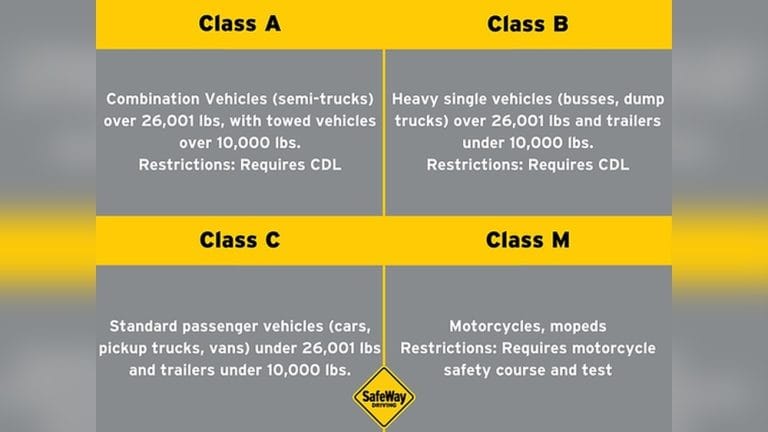
Usage matters just as much. Personal, commute, business, and commercial use can produce different rates, and the highest-rated use may be applied if multiple uses exist. A vehicle used for errands and daily commuting may not belong in the same code as one used for deliveries or client visits.
What to verify before quoting
- Confirm the VIN, not just the model name.
- Check the exact trim and engine.
- Verify the use code: personal, commute, business, or commercial.
- Confirm the garaging address and ZIP code.
- Estimate annual miles as accurately as possible.
- Check whether the vehicle is rated by gross vehicle weight in the carrier’s system.
- Ask whether the carrier treats the model as a theft-prone or high-repair vehicle.
Suppose you compare two midsize SUVs with the same seat count. One has standard cloth trim and common parts; the other adds larger wheels, advanced driver aids, and a costly lighting package. The second can price higher even though both are “SUVs,” because repair cost and option content changed the rating picture.
How do insurers classify vehicles for insurance pricing? They may use a mix of body type, use category, weight, theft history, repair cost, replacement value, safety results, and the driver profile most often associated with the vehicle. The formula varies by carrier, so a quote for one model should not be assumed to fit another trim or use pattern.
Can you lower insurance by choosing a different vehicle?
Yes. You can lower insurance by choosing a vehicle with safer crash results, lower repair cost, lower theft exposure, and a use pattern that matches how you actually drive. The best savings usually come from comparing exact quotes on the vehicles you are considering, not from guessing based on body style alone.
Pick safer and easier-to-repair models
Choose models with strong IIHS and NHTSA results, common parts, and repair procedures that do not require expensive component replacement for minor damage. That approach can reduce both injury-related claims and physical damage costs. It also helps avoid surprises on collision coverage.
Check trim, engine, and theft history before buying
Do not stop at the badge. Check whether the trim adds a higher-output engine, costlier wheels, or advanced lighting that raises repair cost. Check theft exposure too. A common sedan can move into a much higher rating group if it is a frequent target in your area.
Compare quotes on the exact VIN
The VIN tells the insurer what the vehicle actually is. That includes the trim, body details, and factory equipment that can change the rate. If you are shopping between two similar models, get quotes on the exact VINs before you sign purchase papers.
A common first-timer mistake is quoting a vehicle as personal use, then switching it to commute after the daily drive starts. Another is calling a business-use pickup “personal” because it is not a work van. Both can trigger a premium change if the carrier later corrects the use code.
Frequently asked questions
Does the type of vehicle affect insurance rates?
Yes. Vehicle type affects insurance because insurers price risk using body style, repair cost, theft exposure, safety results, weight, and how the vehicle is used. Two similar models can fall into different rating groups if one is costlier to repair, more likely to be stolen, or tied to higher-risk driving patterns.
Which vehicle types are cheapest to insure?
Small sedans and minivans are often among the cheapest to insure because they tend to have moderate repair costs, ordinary theft exposure, and more predictable claim patterns. Compact sedans average $118 monthly in the cited benchmark, and minivans average $115 monthly, though your quote can move with trim, territory, and use.
Why are trucks and sports cars more expensive to insure?
Trucks can cost more because they are heavier, sometimes more expensive to repair, and may be rated for work-related use. Sports cars often cost more because they are linked to higher-risk drivers, higher claim severity, and more expensive parts. Ford F-150 and BMW M3/M4 are examples cited as costly to insure.
How much can a vehicle type change my premium?
Car insurance rates by vehicle type can vary by 40% or more. That gap can widen when the vehicle also has high repair costs, strong theft exposure, or a use code that adds commuting or business mileage. The exact change depends on the carrier, the state, and the full rating profile.
Do SUVs always cost more to insure than sedans?
No. Some SUVs can price lower than sedans depending on safety, theft, repair, and trim patterns. A safe, common crossover with modest parts costs can rate well, while a luxury sedan with expensive electronics can cost more. The body label matters, but the model-level details often matter more.
What vehicle features make insurance cheaper or more expensive?
Features that usually make insurance cheaper include strong crash scores, common parts, lower theft exposure, and simpler repair needs. Features that can raise rates include high-output engines, expensive electronics, advanced body sensors, luxury materials, and larger or heavier builds. Use code and garaging territory can change the result too.
Can I lower insurance by choosing a different vehicle type?
Yes, if the new vehicle has lower repair cost, lower theft exposure, stronger safety ratings, or a simpler use category. Before buying, compare quotes on the exact VIN and verify the trim, engine, and annual miles. That is the best way to spot a vehicle that looks affordable but rates much higher.
Products related to this article
Sponsored / affiliate links. As an Amazon Associate I earn from qualifying purchases. I may earn additional commission from eligible campaigns.