Tire and wheel issues guide: diagnose shakes, wobbles
Reviewed by a symptom-first diagnostic process: I wrote this from a hands-on troubleshooting perspective, using the same sequence I’d use in a bay after a pothole hit or vibration complaint: confirm the symptom, verify tire pressures, inspect the tire and wheel assembly, then move to balance, runout, alignment, and suspension checks in that order. Where this article makes safety or repair-limit claims, I’ve tied them to industry guidance from NHTSA and USTMA, plus standard shop practice for vibration diagnosis.
Use the symptom’s speed and location: steering-wheel shake at highway speeds often points to a front tire or wheel, seat or floor vibration often points toward the rear, and thumps or clunks can suggest suspension damage. I’ve seen people miss that pattern and buy unneeded tires, overlook a bent wheel, or keep driving on a failing chassis part. This Tire and wheel issues guide maps vibration, wobble, air loss, and TPMS warnings to checks that separate tire, wheel, suspension, and sensor faults. If you want background on related fixes, see our tire repair, wheel balancing, wheel alignment, TPMS reset, and suspension inspection guides.
Start with the symptom, not the part


What changed before the symptom started
The first useful question is simple: what changed? A pothole hit, curb strike, recent tire install, rotation, balance, brake job, suspension work, or a sharp temperature drop all send the diagnosis in different directions.
A tire mounts around the wheel rim and seals air against the bead seats. In practice, it carries the vehicle’s weight, puts a contact patch on the road, and gives the car grip for braking, turning, and acceleration.
That basic job matters because faults show up in patterns. A tire that has lost shape, pressure, or internal cord support often shakes or thumps. A wheel rim that took an impact can stop sealing at the bead, bend enough to vibrate, or crack and lose air slowly.
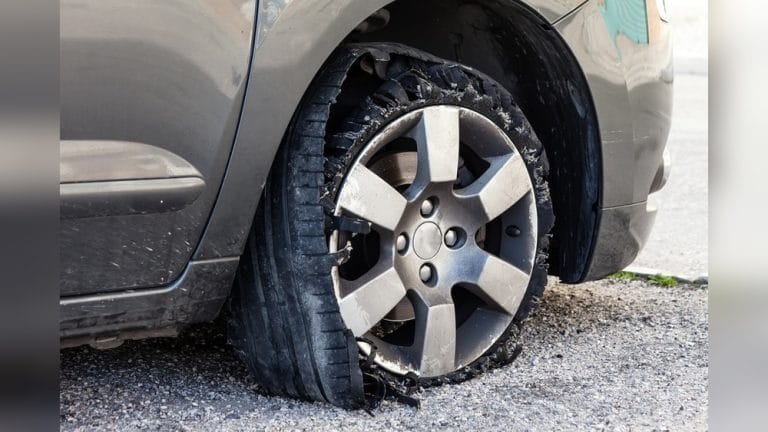
Tires transfer a vehicle’s load from axle to ground. Poor tire care can lead to flats and blowouts, so if air pressure drops fast, cords are visible, or the sidewall has a bulge, treat it as a safety fault first and a cost issue second. NHTSA consumer tire guidance treats bulges, cuts, and exposed fabric as damage conditions that require prompt attention because they can precede failure.
When it happens matters
Speed-specific vibration usually means something rotating is out of balance, out of round, or bent. Braking-only shake points more toward brake rotors, hub runout, or loose front-end parts than tire balance alone.
Turning complaints shift suspicion toward sidewall damage, wheel bearing play, or suspension joints. Problems that get worse with passengers or cargo often expose weak sidewalls, broken belts, bent wheels, or worn dampers that cannot control wheel motion.
What the driver feels and where it is felt
A steering wheel shake usually means the front axle is feeding vibration into the chassis. A seat or floor vibration often comes from the rear. A pull or wander can be tire conicity, uneven pressure, alignment error, or worn steering parts.
A rhythmic thump points toward a flat spot, separated belt, sidewall injury, or a bent rim flange. A metallic clunk after impact shifts attention to suspension, steering, or brake hardware.
How do I tell if the tire or wheel is the problem?
Start by matching the symptom to what changed and where it is felt. Uneven wear, bulges, tread distortion, and punctures point toward the tire; a bent lip, crack, missing weight, or bead-seat corrosion points toward the wheel; braking shake, bearing noise, and loose joints point elsewhere.
Tire clues
The tire is the air-filled load-bearing part, with tread on the outside and a body underneath that contains the pressurized structure. Tire faults usually leave clues in the rubber itself: cupping, feathering, one-sided wear, a bulge in the sidewall, a nail in the tread, or a flat-spotted section after a skid or long storage.
A separated belt can show up before it is obvious to the eye. The driver may feel a steady thump that rises with speed, or see the tread surface ripple as the wheel rolls. A sidewall bulge is a stronger warning sign and usually calls for replacement rather than repair. It usually means internal structural damage, often from pothole impact, and replacement is the safe path; that matches NHTSA tire-safety advice and USTMA repair guidance, which do not consider structural sidewall damage a repairable puncture condition.
Wheel clues
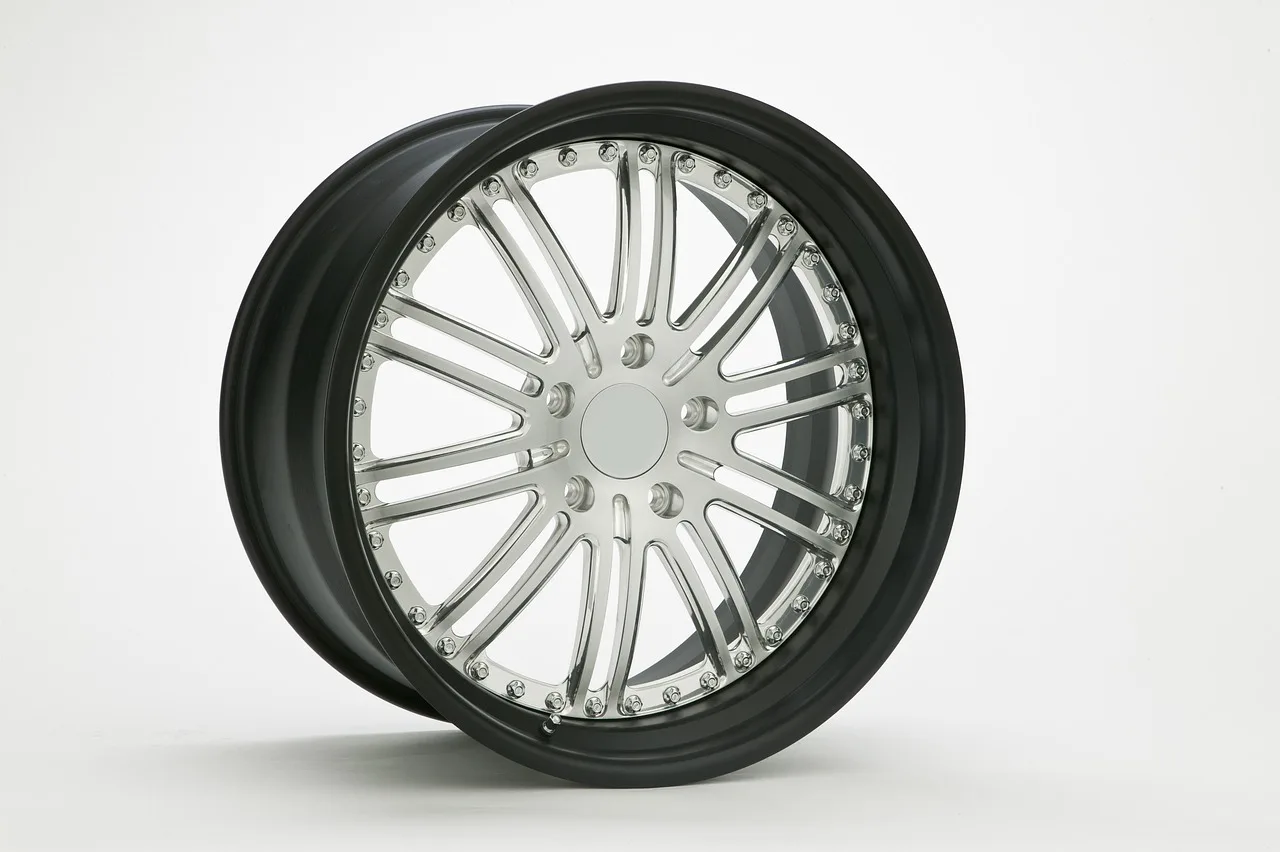
The wheel rim is the tire’s mounting surface. When it bends or cracks, the tire may still hold air for a while, but the assembly can shake, leak at the bead, or refuse to balance cleanly.
Look for fresh impact marks, scraped flanges, a wheel lip that no longer looks round, corrosion where the tire seals to the bead seat, or a balance weight that has come off. Bent rim flanges and hairline cracks are common after pothole strikes. Both can create slow leaks that look like a tire problem at first.
Non-tire clues
Some symptoms come from parts next to the tire and wheel. Brake pulsation during pedal application, wheel bearing growl, hub runout, loose tie rods, worn ball joints, bad struts, and control arm bushings can all mimic tire issues.
Wheel alignment affects tire wear and steering pull, but alignment alone is a weak explanation for a speed-specific shake that starts at one highway range and fades outside it.
Why does my car wobble at highway speeds?
A highway-speed wobble usually comes from imbalance, an out-of-round tire, or a bent wheel rather than alignment by itself. The key clue is that it appears in a speed band, often after an impact or recent tire service, and changes little with steering input on a straight road.
Imbalance versus shape problems
Wheel balancing can reduce vibration by correcting uneven mass in the rotating assembly. If the wobble began right after a tire install or rotation, start there. In neutral, evidence-based terms: the first shop check is usually balance verification, because missing wheel weights, poor centering on the balancer, or an assembly that was never properly balanced are common and relatively easy to confirm.
If balancing was already done and the wobble remains, the next question is whether the tire or wheel is physically out of round. Standard balancing can hide that for a while. A wheel may be balanced on a machine yet still wobble on the road if the rim is bent or the tire has internal distortion.
When to ask for Road Force balancing or runout measurement
A persistent highway wobble deserves more than another quick spin balance. A load-based balance test, often referred to in shops as Road Force testing, can help isolate an out-of-round tire, a stiff spot, or a mismatch between tire and wheel that ordinary balancing misses. If the problem persists, direct radial and lateral runout measurement at the wheel and hub is the more evidence-based next step, because vibration can come from geometry as much as mass distribution.
If the Road Force result is poor or the symptom followed a pothole strike, the next useful test is wheel and hub runout measurement. That separates a bent rim from a bad tire and from a hub problem. In practice, this is how many technicians avoid repeating the same balance job when the real fault is impact-related wheel or hub distortion.
Why alignment alone is rarely the first answer
Wheel alignment affects tracking and wear pattern. It can contribute to wander, off-center steering, and edge wear. It usually does not create a clean speed-band wobble by itself unless worn suspension parts are also allowing the wheel to move around.
In a symptom-first sequence, alignment usually comes after pressure, damage, balance, and runout checks for a highway wobble. That order is consistent with standard diagnostic workflow: verify the tire/wheel assembly first, then move to geometry and adjacent components.
Why does my steering wheel shake at 60 mph?
A steering wheel shake at around 60 mph often points to the front tire or front wheel, since vibration from the front end is more likely to reach the steering wheel. If the shake appears only while braking, move brake rotors, hubs, and loose front suspension parts higher on the list than tire balance.
Front versus rear clues
Front tire and wheel faults are felt in the hands. Rear faults are more likely to show up in the seat, floor, or rear body. That split is not perfect, but it is useful enough to guide the first checks.
A bent front rim, separated front tire belt, or missing front wheel weight can make the steering wheel dance in a narrow speed range. A similar problem at the rear may make the whole car buzz without much steering-wheel movement.
Cruise-speed shake versus braking shake
If the shake is present while cruising and barely changes when the brakes are applied lightly, suspect the rotating tire and wheel assembly first. If it arrives mainly under braking, suspect brake rotor thickness variation, a hub issue, or loose front-end hardware.
That distinction saves money. I’ve watched drivers buy tires for what was really a brake or hub complaint. If the shake is clearly brake-related, pair tire checks with a brake and suspension inspection instead of assuming balance is the answer.
What causes a tire to keep losing air with no puncture?
A tire that keeps losing air with no obvious puncture often leaks at the valve stem, TPMS sensor seal, bead area, or a small crack in the wheel rather than through the center tread. Slow loss after impact strongly raises suspicion for rim damage or bead sealing trouble.
Leak paths that are easy to miss
Small tread punctures can hide well, especially if the object has fallen out. Beyond that, common repeat leak points include valve cores, rubber valve stems, TPMS sensor seals, corrosion on the bead seat, and hairline wheel cracks near the inner barrel or flange.
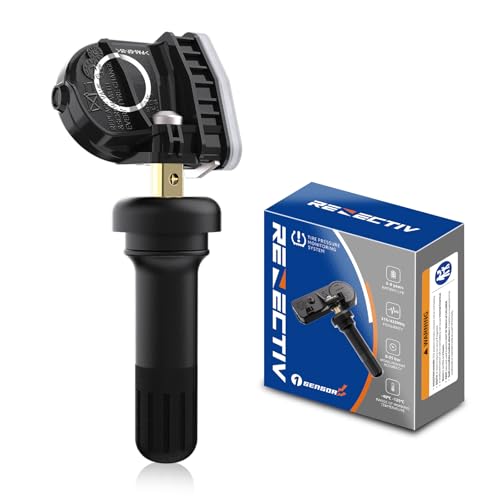
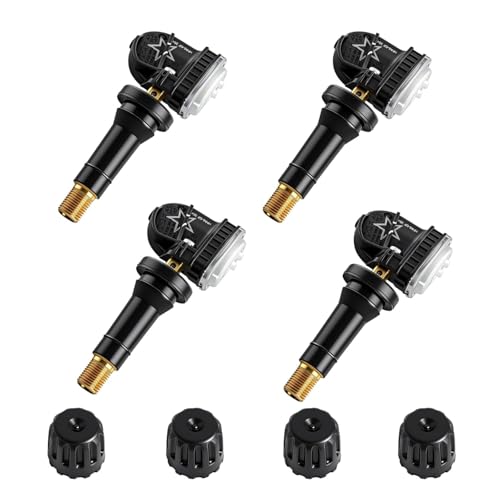
Tire pressure monitoring system service belongs in this conversation. A leaking sensor seal can mimic a bad tire, and NHTSA notes that TPMS warnings may reflect an actual low-pressure condition or, if the warning flashes and then stays on, a system malfunction that needs diagnosis rather than inflation alone. If you need the relearn side of the process, see TPMS reset.
Can a bent rim cause a slow leak?
Yes. A bent rim can distort the bead sealing surface enough to let air escape slowly, especially after a pothole or curb hit. Corrosion where the tire meets the rim can do the same thing, and both faults can leak without any nail or visible tread injury.
Safe at-home checks
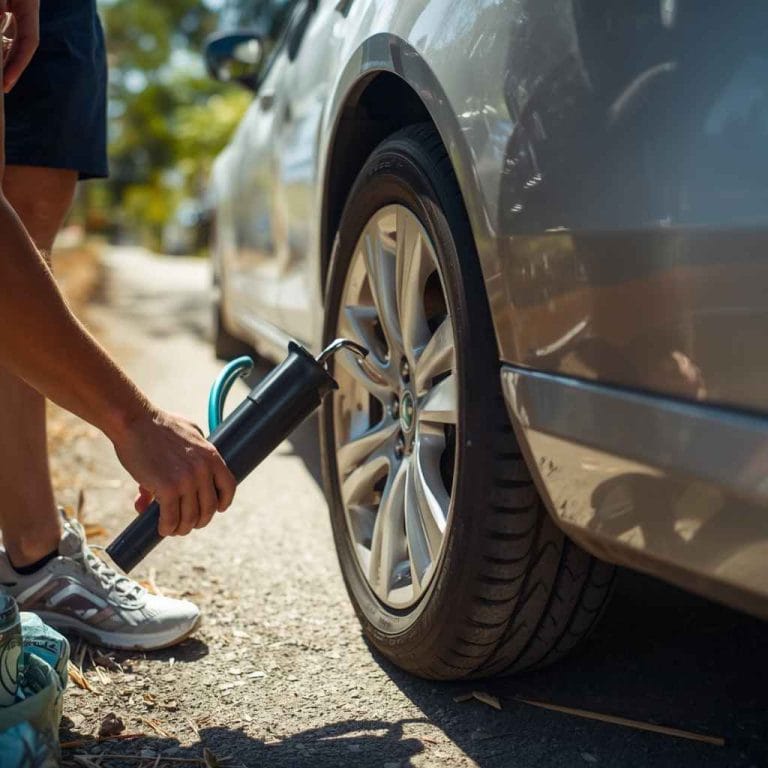
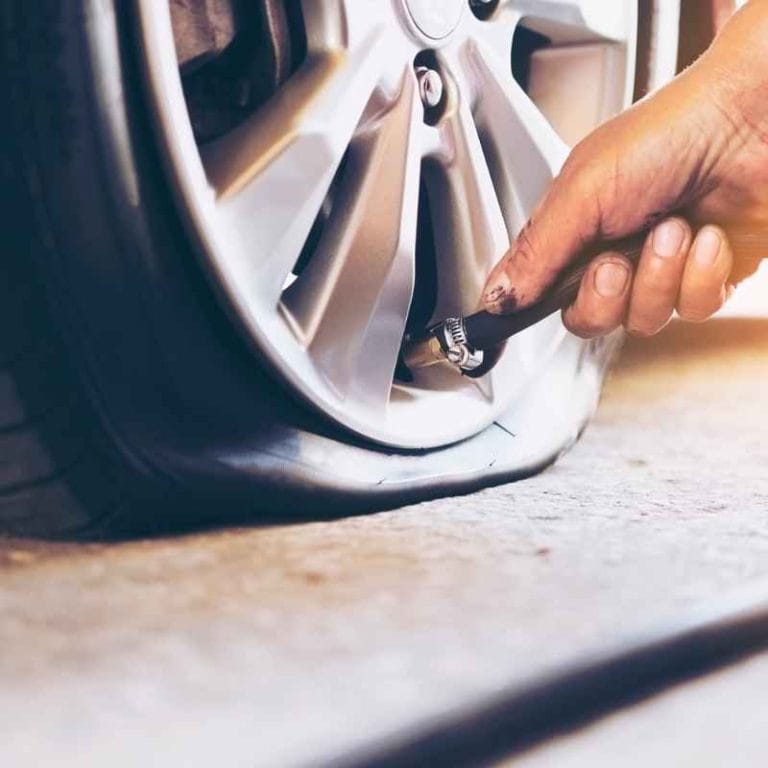
Check cold pressure first and compare it over a few days. Then use a soap-and-water solution around the valve stem, TPMS stem area, outer bead, and inner bead if visible. Bubbling around the rim edge suggests a bead leak or wheel damage.
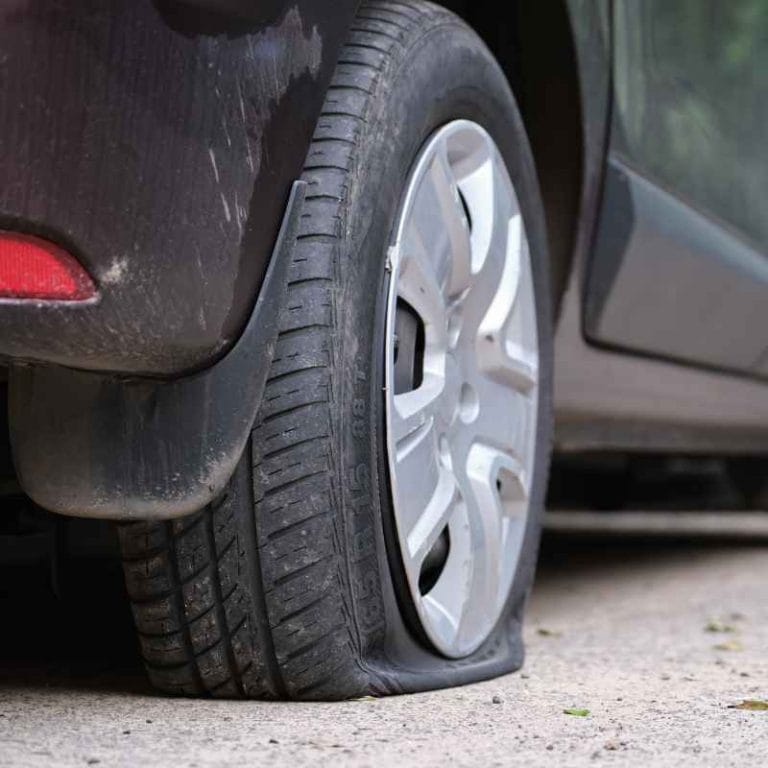
Do not keep driving while “topping it off” if pressure is dropping quickly, if the sidewall is flexing visibly, or if the leak began right after a hard impact. A flat tire repair is not always possible, because USTMA repair procedures limit proper puncture repairs to the tread area and require that the tire not be returned to service if the sidewall, shoulder, bead, or internal structure is damaged.
What does a pothole hit usually damage first?
A pothole hit often injures the tire sidewall and the wheel rim first because both take the sharp compression load together. The usual chain is sidewall bruise or bulge, bent rim flange, bead-seal leak, then alignment or suspension changes if the impact was hard enough.
Tire damage after impact
The tire can pinch between the road edge and the rim. That can break internal cords even when the outside cut looks minor. The result may be a sidewall bulge, a new thump, a sudden vibration, or air loss that starts hours later.
A sidewall bulge is a structural failure sign. It is not a routine patch or plug situation. Replacement is the safe answer. NHTSA tire-safety materials warn that bulges and blisters indicate tire weakness that can lead to failure, and USTMA puncture-repair procedures do not permit sidewall repair as a substitute for replacement.
Wheel damage after impact
Wheel rims can bend at the outer lip, inner barrel, or bead seat. A small bend can cause a highway shake; a worse one can stop the tire from sealing. Cracks are more serious. A cracked wheel should be treated as a stop-driving fault in most street-car situations.
Adjacent damage that imitates tire trouble
After a hard strike, alignment can shift and steering or suspension parts can take a hit. Tie rods, ball joints, struts, control arm bushings, hubs, and wheel bearings all deserve attention if the car now pulls, clunks, or feels loose in quick lane changes.
Symptom-to-cause diagnosis table
Map the symptom before buying parts
| Symptom | Likely tire issue | Likely wheel issue | Likely non-tire cause | Quick at-home check | Urgent safety threshold |
|---|---|---|---|---|---|
| Steering wheel shake at 50–70 mph | Front tire imbalance, separated belt, out-of-round tire | Bent front rim, missing wheel weight | Front hub runout, loose tie rod, brake issue if only during braking | Inspect front tread for ripples, look for missing weights, note if shake changes with braking | Stop driving if bulge, exposed cords, or severe shake begins suddenly after impact |
| Seat or floor vibration at highway speed | Rear tire imbalance, flat spot, tread separation | Bent rear wheel | Rear wheel bearing, worn shocks or bushings | Check rear tires for uneven wear or impact marks on wheel lip | Tow if vibration is heavy enough to blur mirrors or the tire shows distortion |
| Slow air loss with no nail found | Small tread puncture, porosity in rare cases | Bead-seat corrosion, bent rim, cracked wheel | Valve stem leak, TPMS sensor seal leak | Soap-test valve area and rim bead, watch for bubbles | Do not drive if pressure drops rapidly or sidewall is visibly low |
| Thumping that rises with speed | Separated belt, flat spot, sidewall injury | Bent rim flange | Bad wheel bearing or loose suspension joint | Roll vehicle slowly and watch tread surface for hop or lump | Stop if thump appeared after pothole and a bulge is present |
| Vehicle pulls to one side | Uneven pressure, conicity, irregular wear | Impact-damaged wheel affecting tracking | Alignment shift, sticking brake, worn control arm bushing | Swap front tire positions only if safe and already removed by a shop; note if pull changes sides | Immediate check if pull is sudden after impact or accompanied by steering looseness |
| Vibration only during braking | Usually not primary tire fault | Possible wheel or hub contribution | Brake rotor issue, hub runout, loose front suspension parts | Note whether shake disappears fully off the brake pedal | Stop driving if braking pulse is severe or vehicle darts under braking |
| TPMS light on but tire looks normal | Low pressure from slow leak | Leak at bead from corrosion or bend | Sensor battery failure, relearn issue, sensor seal leak | Check actual pressures cold before assuming a bad tire | Do not ignore if any tire is visibly low or warning follows impact |
Technician workflow decision tree
Symptom starts
 ├─ TPMS light or air loss?
 │   ├─ Check cold pressures on all four tires
 │   ├─ Soap-test valve, TPMS stem, and bead area
 │   └─ If pressure drops quickly or sidewall is damaged: tow
 ├─ Vibration at one speed range?
 │   ├─ Steering wheel = inspect front first
 │   ├─ Seat/floor = inspect rear first
 │   ├─ Verify visible damage and missing weights
 │   ├─ Balance test
 │   └─ If still present: measure tire/wheel and hub runout
 ├─ Shake only during braking?
 │   └─ Move brake rotor, hub, and front-end looseness checks up the list
 └─ Pull, wander, or clunk after impact?
     ├─ Inspect tires and wheels
     ├─ Check steering/suspension play
     └─ Then confirm alignment
Three quick pattern checks I use in the bay
- Steering wheel shake + no brake input: front tire/wheel assembly first, then hub runout.
- Seat vibration + recent pothole: rear wheel bend or rear tire distortion moves up the list fast.
- TPMS light + tire looks normal: verify with a gauge before assuming a bad sensor; NHTSA guidance is to confirm actual pressure first.
What should I check at home before booking service?
A safe at-home check should confirm pressure, visible tire damage, wheel damage, and whether the symptom changes with speed, braking, or load. That sequence rules out many false guesses and helps separate a tire problem from a wheel, brake, alignment, suspension, or TPMS fault.
Safe driveway inspection sequence
- Check cold tire pressure on all four tires and the spare if equipped.
- Look for a sidewall bulge, cut, exposed cords, or anything embedded in the tread.
- Inspect each wheel lip and inner visible barrel for fresh scrapes, bends, or cracks.
- Look for uneven wear: one-sided wear, cupping, feathering, or a tread section that looks raised.
- Check the valve stem and TPMS area for cracking, looseness, or soap bubbles.
- Note exactly when the symptom appears: one speed range, braking, turning, acceleration, or with cargo.
- Listen for bearing growl or brake scrape during a slow roll in a quiet area.
Red flags that mean tow it
Tow the vehicle instead of driving if there is a sidewall bulge, visible cords, a wheel crack, a tire that went flat after impact, heavy shaking that appeared suddenly, or a clunk combined with loose steering feel.
Do not crawl under the vehicle on the roadside or jack it up in an unsafe spot. A limited visual check is enough to decide whether it is a driving problem or a towing problem.
What can be repaired, and what should be replaced?

Repair is usually limited to suitable punctures in the tread area when the tire has not been run flat and the casing is still sound. Sidewall, shoulder, bead, crack, bulge, and many impact-related failures move the answer from repair to replacement very quickly.
Flat tire repair limits
Flat tire repair can be temporary or permanent depending on damage location and casing condition, and it must follow safety standards. Damage in the tread area may be repairable if the internal structure is intact. Sidewall cuts, shoulder punctures, bead damage, structural bulges, and run-flat damage are poor repair candidates and often require replacement. That is consistent with USTMA passenger and light-truck tire puncture-repair procedures, which limit repairs to the repairable tread area and require inspection for hidden internal damage.
That matters because an air-holding tire is not automatically a safe tire. If it was driven very low, the inside may be damaged even if the outside only shows a small puncture. For more on that distinction, see our tire repair guide.
Wheel repair versus wheel replacement
Some bent steel or alloy wheels can be repaired if the bend is limited and the wheel has no crack. Cracks, severe bends, or bead-seat damage that cannot hold a seal reliably usually push the decision toward replacement.
A wheel that balances only with repeated correction or still leaks after bead work should be viewed with suspicion. Money spent chasing that wheel can exceed the cost of replacing it.
Where TPMS, nitrogen, and road hazard warranty fit
TPMS faults may need a service pack, sensor replacement, or a relearn after tire service. A warning light after service does not prove the tire is bad. NHTSA explains that a flashing TPMS telltale commonly indicates a system fault, while a steady warning more often points to pressure that should be checked with a gauge.
Nitrogen inflation can slightly slow pressure loss through normal permeation, but it does nothing for structural tire damage, bead-seat corrosion, or a cracked wheel.
Road hazard warranty coverage varies by seller and brand. Some pothole damage is covered in some plans; some is not. Do not assume curb strikes, bent rims, or every impact-related tire failure are included for every vehicle or tire.
What should a shop test first when the cause is unclear?
When the cause is unclear, the best sequence is pressure and leak check first, then visual damage check and wheel torque confirmation, then balance or Road Force testing, then wheel and hub runout measurement, with alignment and suspension checks after impact or when wear and pull symptoms point there.
Best diagnostic order
The first steps should answer basic questions fast: is the pressure right, is there a leak, did a weight come off, and is there obvious tire or rim damage? Those checks prevent wasted time on alignment when the real issue is a bent wheel or broken tire belt.
If the vehicle vibrates at speed, balancing comes before alignment. If it still vibrates after a normal balance, ask for Road Force testing or direct runout measurement. That sequence is stronger than jumping straight to an alignment because persistent speed-band vibration usually points back to the rotating assembly first. If the basics check out, a follow-up wheel balancing test and, if needed, wheel alignment or suspension inspection are the logical next steps.
When alignment and suspension move up the list
After a pothole or curb strike, alignment deserves a check if the car now pulls or the steering wheel sits off-center. If the vehicle wanders, clunks, or shows uneven wear plus looseness, suspension and steering parts should be checked before blaming the tire alone.
Worn tie rods, ball joints, struts, wheel bearings, hubs, and bushings can imitate tire trouble very well. Brake inspection joins the list when the vibration is tied to pedal application.
Frequently asked questions
How do I know if a wheel is bent after hitting a pothole?
Look for a new vibration, a fresh slow leak, or a visible flat spot on the rim lip after the impact. A bent wheel often leaves scrape marks, will not stay sealed at the bead, or causes a shake that balancing does not fully remove.
What does a tire sidewall bulge mean?
A sidewall bulge usually means the internal cords were damaged and the tire casing has lost structural support in that spot. It commonly follows pothole impact. That is a replacement issue, not a normal patch or plug repair, which aligns with NHTSA damage warnings and USTMA repair-limit guidance.
Can worn suspension parts mimic tire problems?
Yes. Loose tie rods, worn ball joints, weak struts, bad bushings, wheel bearings, and hub issues can cause vibration, pull, wander, and uneven tire wear. If the symptom includes clunks, steering looseness, or braking change, suspension and brake checks move up the list.
Why does my tire make a thumping noise while driving?
A thumping tire often points to a separated belt, flat spot, sidewall injury, or an out-of-round assembly. A bent rim can do it too. If the thump began after a pothole or comes with a visible bulge, driving should stop until the tire is checked.
Can a bent rim cause a slow leak?
Yes. A bent rim can deform the bead seat enough to let air escape slowly, especially after a curb or pothole hit. Corrosion at the bead and small wheel cracks can create the same symptom, so a soap test around the rim edge helps narrow it down.
How do I tell if the tire or wheel is the problem?
Tire problems usually show in the rubber: bulges, punctures, uneven wear, rippled tread, or thumping. Wheel problems show in the metal: bent lips, cracks, corrosion at the bead seat, or missing balance weights. Speed-specific shake with no visible damage often needs balance and runout testing.
Sources
- National Highway Traffic Safety Administration (NHTSA), consumer tire-safety guidance on bulges, cuts, exposed cord, underinflation, and replacement thresholds.
- National Highway Traffic Safety Administration (NHTSA), Tire Pressure Monitoring System (TPMS) consumer guidance on low-pressure warnings and malfunction behavior.
- U.S. Tire Manufacturers Association (USTMA), passenger and light-truck tire puncture repair procedures and repairable-area limits.
- Vehicle manufacturer service information and standard shop practice for tire/wheel vibration diagnosis, including confirmation of balance, radial/lateral runout, and hub-related causes when vibration persists after balancing.
Products related to this article
Sponsored / affiliate links. As an Amazon Associate I earn from qualifying purchases. I may earn additional commission from eligible campaigns.