Coupe vs Sedan: Which Vehicle Type Should You Buy?
Buy a coupe only if you almost never carry a second row passenger and you do not need quick rear-seat access; otherwise, choose a sedan. Choose wrong, and you keep paying for awkward entry, tight back seats, and daily irritation every time you haul people or cargo. This guide compares passenger use, parking, comfort, cost, and ownership tradeoffs so you can choose from weekly use, not showroom appeal.
This guide is part of our Vehicle types guide series.
Coupe vs sedan: the real trade-off
The core trade-off is plain: a coupe gives up access and rear-seat usefulness for a lower body with a sportier stance, while a sedan keeps four-door convenience and a cabin that works harder for people. If the car is mostly for solo driving, a coupe can make sense. If passengers, child seats, or groceries show up every week, the sedan usually comes out ahead.
| Decision factor | Coupe | sedan: Which vehicle type should you buy | Winner |
|---|---|---|---|
| Rear-seat access | Two doors usually mean a longer reach to the back row and more awkward entry. | Four doors make rear access much easier for people of all ages. | sedan: Which vehicle type should you buy |
| Rear-seat usability | Some coupes have very small back seats rather than full-size rear seating. (en.wikipedia.org) | Usually better for legroom, headroom, and regular adult passengers. | sedan: Which vehicle type should you buy |
| Cargo practicality | Often less convenient for bulky items, though rear seat fold-down can help. | More predictable for groceries, luggage, and mixed passenger-cargo trips. | sedan: Which vehicle type should you buy |
| Driving feel | Often feels more agile and lower to the ground. | Usually tuned more for comfort than sharp response. | Coupe |
| Parking and maneuvering | Can feel easier in tight spaces because of the shorter, lower profile. | Still manageable, but rear-door access matters more than the last inch of body shape. | Coupe |
Rear-seat access decides the daily annoyance level
The table favors the sedan on access because the rear doors matter more than many buyers expect. In a cramped parking lot, the difference between opening one front door and squeezing past it versus opening a rear door directly can be the difference between easy and irritating.
That matters even on short trips. A body style that looks fine in the showroom can turn annoying the first time an older passenger, child, or coworker needs the back seat twice a week.
Rear-seat usability is where coupes usually fall short
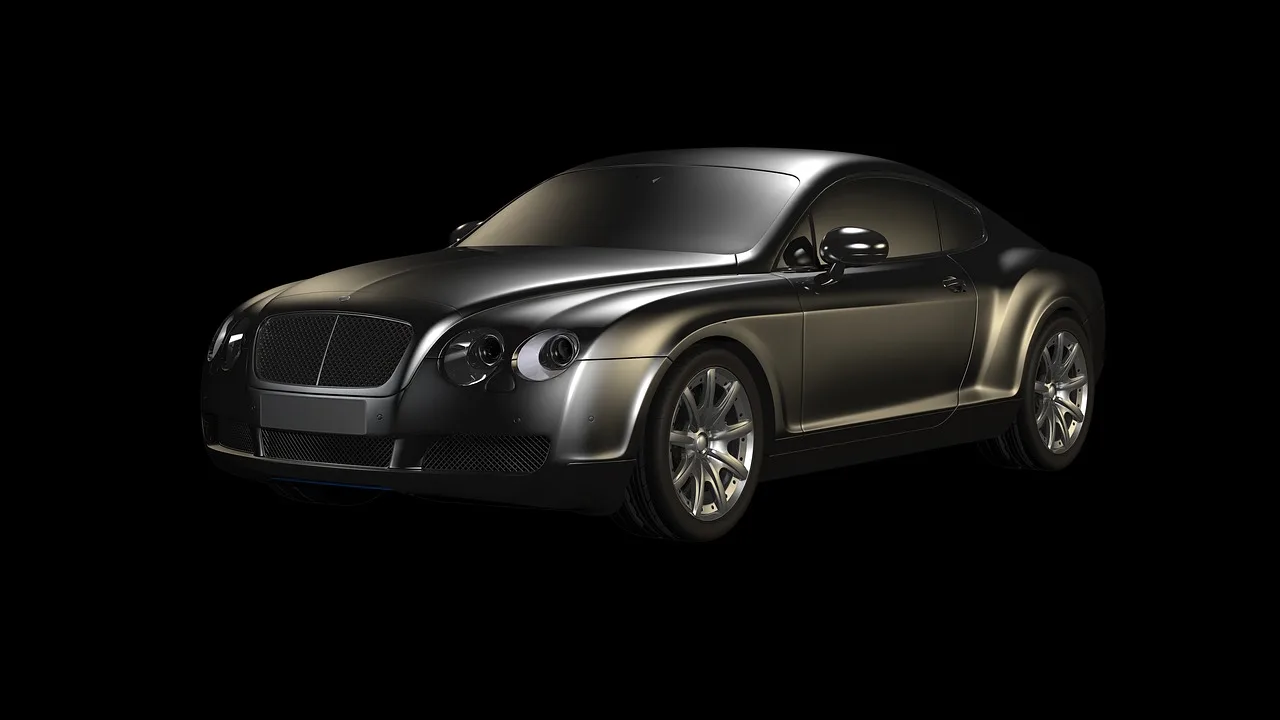
A coupe is typically a passenger car with a sloping or truncated rear roofline. Coupes are typically two-door vehicles, and the ISO definition for coupe includes two doors and a fixed roof. Some coupes have very small back seats rather than full-size rear seating, so the back row may be more of a token space than a real one.
That is why a coupe can work as a 2+2, but a sedan is often the safer choice when the back row is used regularly. If adults sit there often, the sedan’s extra headroom and easier entry matter more than the coupe’s style.
Cargo practicality is about access, not only volume
Sedans usually have the cleaner cargo routine because the trunk, rear seatbacks, and loading opening are built around daily use. A coupe can still carry bags and luggage, and fold-down rear seats help, but the opening and rear-seat shape often make awkward items harder to load.
That is the detail many comparisons miss. Grocery bags fit in almost anything; a stroller, boxed monitor, or weekend luggage stack is where the sedan starts paying off.
Driving feel favors the coupe, but the gain is modest for many buyers
Coupe buyers usually want the lower, sportier stance. A lower center of gravity and sport-tuned suspension can make the car feel more agile and nimble on a twisting road or quick lane change.
That gain has a cost. Firmer suspension can feel busier on rough pavement, and the style choice starts to matter less once commuting, passengers, and parking become the weekly pattern.
What is the difference between a coupe and a sedan?
A coupe is typically a fixed-roof car with a sloping rear roofline and usually two doors. A sedan is usually a four-door car with a three-box design, a separate trunk, and seating for 4-5 people. The simplest difference is not styling; it is how the body is built for access and rear-seat use.
Body style classification is fuzzier than many buyers expect
The label is not always clean. Four-door cars can sometimes be marketed as coupes, and the term can blur with hatchback or liftback shapes that borrow coupe styling cues. That is why the layout matters more than the badge on the brochure.
If the rear seat is hard to reach, the car acts like a coupe in daily life even if the maker calls it something else. If the car has four doors and a normal trunk opening, it behaves like a sedan whether it looks sporty or not.
How many doors does a coupe vs sedan have?
A coupe is typically a 2-door car, while a sedan is a 4-door car. That difference affects rear-seat convenience, curbside loading, and how often you need to slide the front seat forward just to let someone in or out.
Door count changes tight-parking convenience
In a tight parking space, doors are not just about count. A coupe can be easier to place and can feel less awkward to open in a cramped spot, but the rear access step is usually less convenient because the back seat is reached through the front opening.
A sedan uses more door openings, which helps passengers and child seats, but those extra doors also need room beside the car. For buyers who often park close to other vehicles, the real question is whether rear-seat access or compact entry matters more.
Is a coupe or sedan better for passengers?
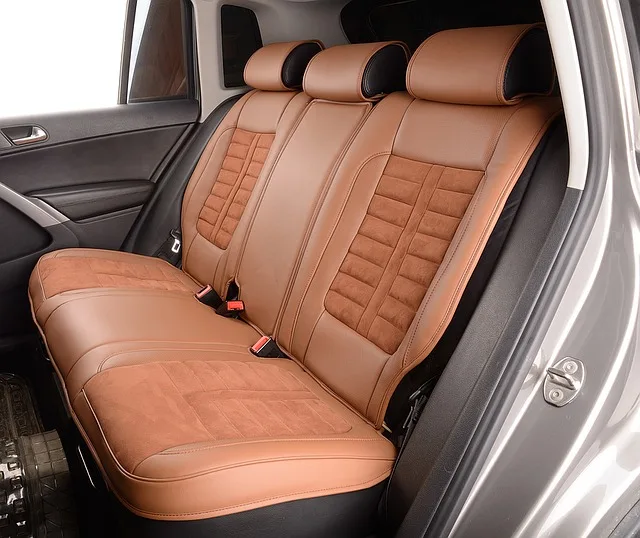
A sedan is often better for passengers because it usually gives the rear row easier access, more usable headroom, and a cabin layout that tends to suit everyday use. A coupe can work when back-seat use is occasional or limited to short trips, but frequent passengers usually do better in a sedan.
Child seats and booster access favor sedans
Child seat installation is often easier when a rear door opens wide and the roofline is less restrictive. Sedans usually make it simpler to reach the anchors, lean into the seat, and buckle a child without contorting around the front seatback.
Older passengers have a similar issue. A low roof and a narrow rear opening can make entry and exit annoying, especially when mobility is limited or when the passenger cannot twist easily.
Adult comfort depends on whether the back row gets used every week
If adults ride in the back only once in a while, a coupe may be acceptable. If they ride there every week, the back row needs real legroom, usable headroom, and a door that does not make every trip feel like a favor.
That is where the sedan usually pulls ahead without drama. It is simply built to carry people more often.
Which has the better cargo setup?
A sedan often has the better cargo setup because the trunk, opening shape, and folding rear seatback are meant for regular use. A coupe can still carry enough for many errands, but the loading opening and rear-seat shape often make it less practical for larger or awkward items.
Trunk size matters less than loading ease
Buyers often ask about trunk size first, but loading opening width and seatback access matter just as much. A trunk that looks deep on paper can still be annoying if the opening is narrow or the item has to be twisted into place.
That is why sedan owners tend to live easier with groceries, sports gear, and luggage. The shape does the work for them.
Rear seat fold-down helps both body styles, but it does not erase the gap
Fold-down rear seats improve utility in both coupe and sedan layouts. They help with long objects and extra space for bags, but they do not change the fact that a coupe often makes access more awkward in the first place.
If cargo needs are occasional, that may be enough. If cargo is part of the weekly routine, the sedan remains the cleaner choice.
How do coupes and sedans differ on the road?
Coupes often feel more agile and sporty because of the lower roofline and the way they are commonly tuned. Sedans usually prioritize calm road manners, easier access, and better everyday comfort over that sharper feel.
Agility and maneuverability are real, but they are not the whole story
A coupe can feel easier to place in traffic and a bit more eager in corners. That can matter to a driver who cares about response and prefers a smaller, lower body.
Still, most daily driving is not a back road. It is school runs, fuel stops, parking lots, and stoplights. The sportier feel is useful only if it matches how the car is actually used.
Firmer suspension can turn into daily fatigue
Sport-tuned suspension often sharpens body control, but it can also make rough pavement more noticeable. That tradeoff is tolerable for some drivers and tiring for others.
If the car is a weekend object, the firmer setup may feel worth it. If the car is the main family tool, comfort often matters more than a sharper turn-in feel.
Decision checklist: 10 real-world scenarios
This checklist uses weekly use, not showroom appeal. The winner is the body style that fits the actual routine with the fewest compromises.
| Scenario | Coupe | sedan | Winner | Why it fails |
|---|---|---|---|---|
| Solo commute | Strong fit | Good fit | Coupe | Coupe fails only if occasional passengers become regular. |
| Child seats | Poor fit | Strong fit | sedan | Coupe fails on rear access and installation awkwardness. |
| Elderly passengers | Poor fit | Strong fit | sedan | Coupe fails when entry, exit, and roof height matter. |
| Road trips | Fair fit | Strong fit | sedan | A coupe can struggle when four adults and luggage need space. |
| Tight parking | Strong fit | Good fit | Coupe | Sedan fails when rear-door access is needed in narrow spots. |
| Groceries | Good fit | Strong fit | sedan | Coupe fails more with bulky or awkward bags than small loads. |
| Carpooling | Poor fit | Strong fit | sedan | Coupe fails because rear access becomes a time drain. |
| Date-night use | Strong fit | Good fit | Coupe | Sedan fails only if the buyer wants a sportier stance more than access. |
| City driving | Good fit | Good fit | tie | Both fail only when parking, traffic, and passenger needs are ignored. |
| Occasional rear-seat use | Good fit | Strong fit | sedan | Coupe fails when “occasional” starts becoming every week. |
Choose coupe if… / choose sedan if…
Choose a coupe if you mostly drive alone, care about a sportier stance, and rarely need the rear seat. It also makes more sense if rear-seat use is truly occasional, parking spaces are tight, and the car is more about personal driving than people hauling.
Choose a sedan if you carry passengers weekly, use child seats, carpool often, or want easier cargo loading. It is the safer default for families, older passengers, road trips, and anyone who does not want rear-seat access to be a chore.
When style conflicts with access, access should win. A coupe that looks right but works poorly gets old fast. A sedan that looks ordinary but fits the weekly load usually feels like the smarter buy after the first month.
Frequently asked questions
What is the difference between a coupe and a sedan?
A coupe is typically a fixed-roof car with a sloping rear roofline and usually two doors. A sedan is usually a four-door car with a separate trunk and a cabin arranged for 4-5 people. The biggest difference is daily access, especially to the rear seat.
Is a coupe or sedan better for families?
A sedan is usually better for families because it gives easier rear-seat access, more usable back-seat space, and a friendlier setup for child seats. A coupe can work for a small family only when rear-seat use is rare and short. Frequent school runs usually tip the scale to the sedan.
How many doors does a coupe vs sedan have?
A coupe is typically a 2-door vehicle, while a sedan is typically a 4-door vehicle. Door count matters because it changes how easy it is to reach the back seat, buckle children, and load passengers in tight parking spaces. More doors usually mean easier access.
Do coupes have less cargo space than sedans?
Often yes in day-to-day use, even when the raw trunk size is not dramatically different. The issue is usually the opening, rear-seat shape, and loading convenience. Fold-down rear seats help, but a sedan still tends to be easier for groceries, luggage, and bulky items.
Are sedans safer or easier for child seats than coupes?
For child-seat use, sedans are usually easier because the rear doors give direct access to the anchors and seat base. That makes installation and daily buckling less awkward. Safety depends on the specific vehicle, but usability for child seats clearly favors the sedan layout.
Can a four-door car still be called a coupe?
Yes. Four-door cars can sometimes be marketed as coupes, especially when the roofline is low and sloping. That is why the label matters less than the layout. If the car has practical rear access and a usable back seat, it behaves more like a sedan in daily life.
Products related to this article
Sponsored / affiliate links. As an Amazon Associate I earn from qualifying purchases. I may earn additional commission from eligible campaigns.