What Are Vehicle Types? Complete Guide With Examples
Understanding the vast array of vehicle types is essential for anyone making transportation decisions, whether for personal use, business logistics, or urban planning. Each vehicle type serves a unique set of needs, defined by technological innovation, environmental considerations, and evolving consumer lifestyles.
From the compact cars lining city streets to specialized vehicles powering industries, the variety shapes how we move, work, and interact with the world.
Selecting the right vehicle type can impact your finances, convenience, and even carbon footprint. In my experience as an automotive enthusiast and industry researcher, knowing the specifics of each category is crucial not just for buyers, but also for businesses, policymakers, and anyone interested in the future of mobility.
This comprehensive guide examines the primary vehicle types, their defining features, and real-world examples, providing you with the authoritative knowledge to make informed choices.
Key Takeaways
- Vehicle types are categorized by design, usage, and regulatory classification, each serving specific purposes.
- Passenger vehicles, commercial vehicles, and specialty vehicles dominate the market, with emerging electric and autonomous options.
- Real-world examples illustrate how vehicle selection impacts daily life, business, and the environment.
- Comparison tables and data-driven insights help clarify differences between vehicle types.
- Understanding vehicle types is vital for optimizing transportation, reducing costs, and supporting sustainable practices.
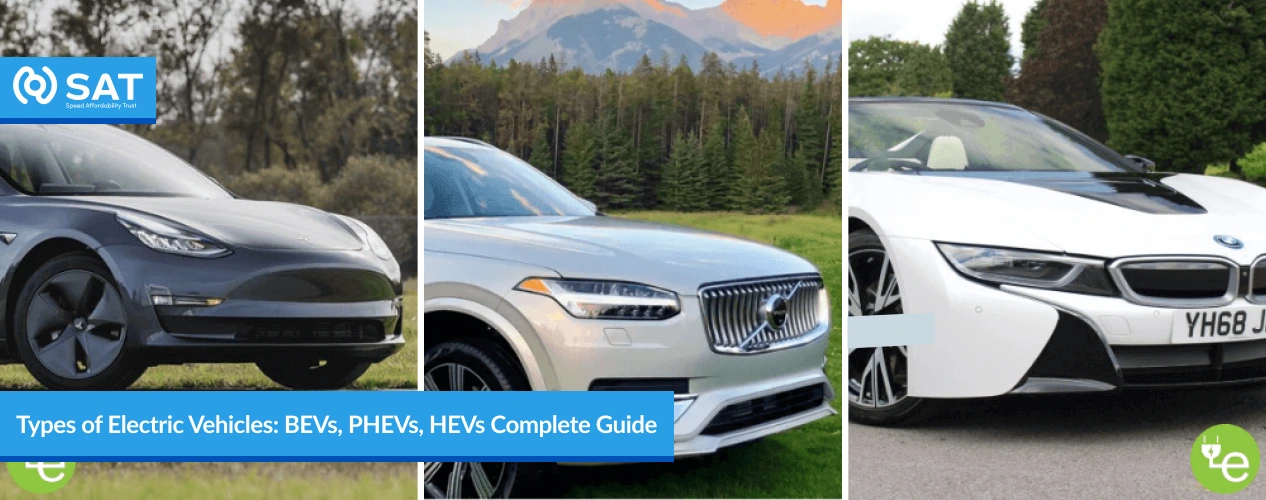
Credit: satjapan.com
What Are Vehicle Types? Defining The Basics
Vehicle types refer to broad categories of motorized and non-motorized transport, classified primarily by their structure, intended use, and regulatory definitions. These categories help governments, manufacturers, and consumers standardize expectations around safety, capacity, and operational requirements.
Purpose-based Classification
Vehicles are commonly grouped by their primary function:
- Passenger transport: Designed to carry people (e.g., sedans, SUVs).
- Cargo transport: Built for goods movement (e.g., trucks, vans).
- Specialized roles: Developed for tasks like construction, agriculture, or emergency response (e.g., bulldozers, ambulances).
Regulatory Categories
Governments further distinguish vehicles by legal standards, affecting licensing, insurance, and road usage. For example, the U.S. Department of Transportation distinguishes between light-duty vehicles, heavy-duty trucks, and motorcycles, each with unique safety and emissions requirements. (See: NHTSA: Vehicle Types)
Powertrain And Fuel Source
Modern vehicle types also reflect powertrain technology:
- Internal combustion engine (ICE) vehicles
- Hybrid vehicles
- Electric vehicles (EVs)
- Hydrogen fuel cell vehicles
Each powertrain influences a vehicle’s design, cost, and environmental impact.

Credit: www.summitcustoms.co
Main Categories Of Vehicle Types
The global vehicle landscape is dominated by several key categories, each with distinctive features and market roles.
Passenger Vehicles
Designed for individual and family transport, passenger vehicles are the most recognizable and widely used.
Sedans
Sedans are four-door cars with a separate trunk, offering a balance of comfort, fuel efficiency, and affordability. They are ideal for urban and suburban commuting.
Hatchbacks
Hatchbacks feature a rear door that swings upward, providing flexible cargo space. Their compact size makes them popular in cities with limited parking.
Suvs (sport Utility Vehicles)
SUVs are larger, often with off-road capabilities, higher seating positions, and greater cargo space. Many families and adventurers prefer SUVs for their versatility.
Coupes And Convertibles
Coupes are two-door sports cars designed for style and performance, while convertibles feature retractable roofs for open-air driving experiences.
Commercial Vehicles
These vehicles support business operations, logistics, and public services.
Pickup Trucks
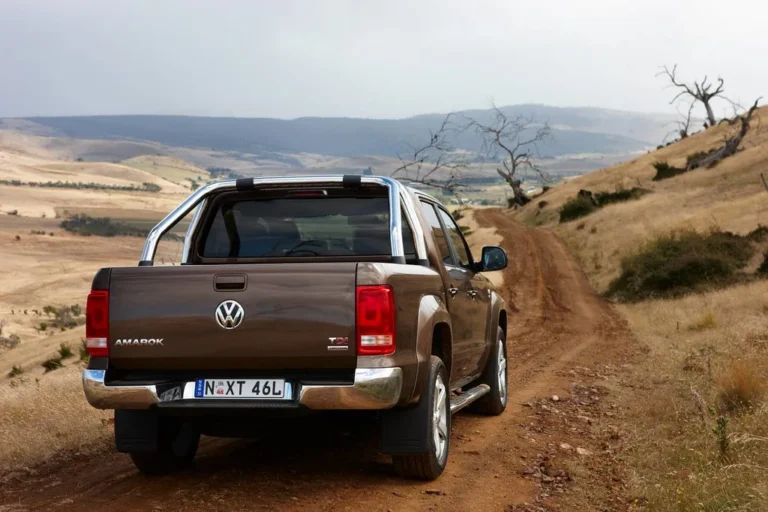
Pickup trucks combine passenger seating with a cargo bed, making them essential for tradespeople, construction, and rural settings.
Vans And Minivans
Vans are optimized for cargo or passenger transport, with configurations for delivery, shuttle, or family use. Minivans focus on family comfort and seating capacity.
Light And Heavy-duty Trucks
Light-duty trucks (e.g., delivery trucks) are common in urban logistics, while heavy-duty trucks (e.g., tractor-trailers) handle long-haul freight.
Buses And Coaches
Buses transport large groups in public transit or private charters. Coaches offer longer-distance comfort, with amenities for intercity travel.
Specialty And Off-road Vehicles
These serve niche functions, often in challenging environments.
Construction Vehicles
Examples include bulldozers, excavators, and cranes. Each is engineered for specific tasks like earthmoving or lifting heavy loads.
Agricultural Vehicles
Tractors and harvesters are essential for modern farming, designed for durability and power.
Emergency And Utility Vehicles
This group includes ambulances, fire trucks, and tow trucks, each equipped for rapid, specialized response.
Two-wheelers And Three-wheelers
Smaller, more maneuverable vehicles play vital roles in transport, especially in densely populated regions.
Motorcycles And Scooters
Motorcycles offer speed and agility, while scooters are favored for urban commuting due to their low cost and ease of use.
Bicycles And E-bikes
Bicycles provide sustainable transport, with e-bikes offering electric assistance for longer commutes.
Three-wheelers
Often seen as auto rickshaws in Asia and Africa, these vehicles balance cost, passenger capacity, and maneuverability in tight spaces.
Recreational Vehicles (rvs)
RVs combine transportation and temporary living quarters, popular among travel enthusiasts and remote workers.
Motorhomes
Motorhomes integrate driving and living spaces for extended road trips.
Camper Vans And Trailers
Camper vans are compact and versatile, while trailers are towed behind another vehicle, offering flexible accommodation.
Alternative Fuel And Electric Vehicles
As environmental awareness grows, alternative fuel and electric vehicles are reshaping the market.
Hybrid Vehicles
Combine internal combustion engines with electric motors for improved fuel efficiency.
Battery Electric Vehicles (bevs)
Rely solely on batteries, producing zero tailpipe emissions.
Plug-in Hybrid Electric Vehicles (phevs)
Can operate on both electricity and gasoline, offering flexibility for long trips.
Hydrogen Fuel Cell Vehicles
Produce electricity using hydrogen, emitting only water vapor.

Credit: natureconnecttravels.com
Vehicle Types By Use Case: Real-world Examples
Urban Commuting
Compact cars and scooters dominate city streets due to their agility and ease of parking. In cities like Paris, over 40% of daily trips use small cars or two-wheelers (Source: European Commission Urban Mobility Report).
Family Transportation
SUVs and minivans are preferred for their spacious interiors and safety features. The Toyota Highlander and Honda Odyssey are top choices among American families.
Business Logistics
Light-duty trucks like the Ford Transit and delivery vans such as the Mercedes-Benz Sprinter are essential for last-mile delivery and urban freight.
Construction And Agriculture
Excavators and tractors are indispensable on job sites and farms, offering specialized capabilities for heavy lifting, digging, and crop management.
Long-distance Travel
Motorhomes and coaches provide comfort and amenities for cross-country journeys, catering to the rise in RV travel across the U.S.
Example: A small business in Berlin shifted from diesel vans to electric cargo bikes for downtown deliveries, reducing costs and emissions while improving customer satisfaction.
Vehicle Type Comparison Table
Below is a table illustrating the differences among five common vehicle types:
| Vehicle Type | Typical Use | Passenger Capacity | Cargo Capacity | Fuel Efficiency | Example Model |
|---|---|---|---|---|---|
| Sedan | Personal Transport | 4-5 | Medium | High | Toyota Camry |
| SUV | Family/Off-Road | 5-8 | High | Moderate | Honda CR-V |
| Pickup Truck | Cargo/Utility | 2-5 | Very High | Low | Ford F-150 |
| Motorcycle | Commuting/Leisure | 1-2 | Low | Very High | Yamaha MT-07 |
| Minivan | Family/Transport | 7-8 | High | Moderate | Chrysler Pacifica |
Factors Influencing Vehicle Type Selection
Understanding what affects vehicle choice helps consumers and businesses make optimal decisions.
Cost And Budget
- Initial purchase price: Varies greatly by vehicle type and brand.
- Operating costs: Includes fuel, insurance, maintenance, and taxes.
Intended Use
- Daily commuting: Prioritizes efficiency and maneuverability.
- Cargo hauling: Requires robust build and large cargo spaces.
- Family needs: Focuses on safety, space, and comfort.
Environmental Considerations
- Emissions: Electric and hybrid vehicles offer lower emissions.
- Fuel efficiency: Smaller vehicles and EVs are typically more efficient.
- Government incentives: Many regions provide tax breaks for eco-friendly vehicles.
Regulatory And Licensing Requirements
- License classes: Commercial vehicles often require special licenses.
- Road restrictions: Weight limits and emissions standards can limit certain vehicle types.
Local Infrastructure
- Charging stations: Essential for EVs.
- Parking availability: Larger vehicles may be impractical in dense cities.
Data-driven Trends In Vehicle Types
Vehicle preferences shift as technology, regulations, and consumer priorities evolve.
Rise Of Electric Vehicles
According to the International Energy Agency, electric vehicles accounted for 14% of new car sales globally in 2026 (IEA: Global EV Outlook 2026). This growth is driven by declining battery prices, improved charging infrastructure, and government incentives.
Urbanization And Micro-mobility
Cities worldwide are seeing increased adoption of scooters, e-bikes, and compact EVs. These vehicles address congestion and pollution, with shared scooter schemes booming in cities like Los Angeles and Paris.
Commercial Fleet Electrification
Logistics companies such as UPS and Amazon are investing in electric vans and trucks to meet sustainability goals and comply with stricter emissions regulations.
Autonomous And Connected Vehicles
Self-driving technology is being integrated into passenger cars, shuttles, and delivery robots. While widespread adoption is still years away, pilot programs in cities like Phoenix and Singapore are underway.
Pro Tip:
If you’re considering a new vehicle type, consult local regulations and infrastructure plans, as incentives and practical use cases can vary significantly by region.
Vehicle Types And Safety: Comparing Features
Safety is a critical factor when evaluating vehicle types, as different categories offer varying protection levels and technologies.
Crashworthiness And Size
Larger vehicles like SUVs and pickup trucks generally provide better protection in collisions due to their mass, but may pose higher risks to pedestrians and smaller vehicles.
Active And Passive Safety Features
Modern vehicles include features such as:
- Anti-lock braking systems (ABS)
- Electronic stability control (ESC)
- Airbags
- Advanced driver-assistance systems (ADAS)
These systems are more prevalent in new passenger vehicles but are increasingly available in commercial and specialty vehicles.
Vehicle Type Safety Comparison Table
| Vehicle Type | Crash Protection | Pedestrian Safety | Advanced Features | Insurance Costs |
|---|---|---|---|---|
| Sedan | High | Moderate | Standard | Low |
| SUV | Very High | Low | Enhanced | Moderate |
| Motorcycle | Low | High | Limited | High |
| Minivan | High | Moderate | Enhanced | Moderate |
| Pickup Truck | High | Low | Standard | Moderate |
Regulatory Safety Standards
In the U.S., all vehicles must meet Federal Motor Vehicle Safety Standards (FMVSS), but requirements differ by category. For example, motorcycles are not required to have airbags, and large trucks have unique braking regulations.
Environmental Impact Of Vehicle Types
The environmental footprint of each vehicle type depends on size, fuel source, and usage patterns.
Emissions And Fuel Consumption
- Electric vehicles emit zero tailpipe emissions, while diesel trucks and SUVs are among the highest emitters.
- According to the EPA, light-duty vehicles account for nearly 60% of U.S. transportation greenhouse gases (EPA: Greenhouse Gas Emissions).
Alternative Fuels And Efficiency
- Hybrid and plug-in hybrid vehicles offer significant emission reductions.
- Compressed natural gas (CNG) and hydrogen are emerging as clean alternatives for buses and heavy trucks.
Urban Air Quality
Widespread adoption of e-bikes, public transport, and EVs can dramatically improve urban air quality and reduce noise pollution.
End-of-life And Recycling
Vehicle types that use more complex batteries (like EVs) raise recycling challenges but also drive innovation in circular economy practices.
Innovations And The Future Of Vehicle Types
As technology and consumer demands evolve, so do vehicle categories.
Electric And Autonomous Platforms
New vehicle types are emerging, including electric microcars, self-driving shuttles, and delivery drones. These platforms promise to reshape urban and rural mobility.
Mobility-as-a-service (maas)
Platforms like ride-sharing, car-sharing, and e-scooter rentals are changing how people access and use vehicles, emphasizing flexibility over ownership.
Modular And Flexible Vehicles
Manufacturers are developing modular vehicles that can switch between cargo and passenger configurations, catering to the gig economy and dynamic urban needs.
Example:
A leading European city introduced electric autonomous shuttles in its downtown core, reducing congestion and providing accessible transport for seniors and people with disabilities.
Regulatory Adaptation
As new vehicle types emerge, governments are updating standards, safety requirements, and urban design to accommodate them, ensuring equitable and efficient integration.
Frequently Asked Questions
What Vehicle Type Is Best For Rural Areas With Poor Roads?
For rural or undeveloped areas, pickup trucks, SUVs with off-road capabilities, and tractors are often the best choices. They provide higher ground clearance, durable suspension, and strong engines suitable for uneven terrain. In regions where agriculture is prevalent, specialized vehicles like ATVs (all-terrain vehicles) and 4×4 trucks are also common. Always consider local repair support and fuel availability when selecting a vehicle for rural use.
How Do Vehicle Types Impact Insurance Costs?
Insurance premiums depend heavily on the vehicle type. Sports cars and motorcycles usually cost more to insure due to higher accident and theft rates. Larger vehicles like SUVs and trucks may have higher liability premiums, while sedans and minivans typically offer lower rates because of better safety records and lower repair costs. Commercial vehicles often require specialized insurance policies, which can be more expensive but tailored to business risks.
Are Alternative Fuel Vehicles Suitable For Long-distance Travel?
Modern hybrid and plug-in hybrid vehicles are well-suited for long-distance travel, offering flexibility between electric and gasoline power. Battery electric vehicles (BEVs) can also handle long trips, provided there is a reliable fast-charging network along the route. However, hydrogen fuel cell vehicles are currently limited by sparse refueling infrastructure outside major urban centers. Before planning a long journey, research charging or refueling stations along your intended route.
What Are The Advantages Of Three-wheeled Vehicles?
Three-wheelers offer a unique balance between motorcycles and cars. They are typically more stable than two-wheelers but more maneuverable and affordable than four-wheeled vehicles. In many developing countries, they provide essential low-cost public transport or goods delivery. Some modern three-wheelers, like the Polaris Slingshot, are designed for leisure, combining open-air driving with improved stability.
How Are Vehicle Types Regulated For Emissions And Safety?
Each country sets its own emissions and safety standards for different vehicle types. In the U.S., the EPA manages emissions rules, while the NHTSA oversees safety requirements. Passenger vehicles face strict crash test and airbag standards, whereas motorcycles have less stringent requirements. Heavy trucks must comply with different emission limits and braking rules. Alternative fuel vehicles are subject to unique certification processes, and new types like autonomous shuttles are prompting updated regulations.
Selecting the right vehicle type is a complex but rewarding process, one that influences your costs, convenience, and environmental impact. By understanding the distinctions among vehicle categories, you empower yourself to make choices that fit your lifestyle, business, or community needs.
As technology evolves and new types emerge, staying informed will help you adapt and thrive in the rapidly changing world of mobility.
Products related to this article
Sponsored / affiliate links. As an Amazon Associate I earn from qualifying purchases. I may earn additional commission from eligible campaigns.