Vehicle Types vs Classes: How Car Categories Group
A vehicle can carry several valid labels at once: body type, class, and regulatory category, and the label that matters most depends on the document you’re reading. Using the wrong one can mean a bad insurance quote, a rejected DMV form, or a mismatch on a title record. This guide shows how car categories are sorted, which label to trust on each record, and a plain order for reading them without confusion.
| Decision factor | Vehicle types | classes: How car categories are grouped | Winner |
|---|---|---|---|
| What it tells you | Shape, body style, and intended use | Formal grouping for regulation, taxation, insurance, or compliance | classes: How car categories are grouped |
| Helpfulness for shoppers | Easy to picture and compare | Harder to read, but tied to paperwork and fees | Vehicle types |
| Helpfulness for legal or admin use | Often too loose for forms | Usually the label agencies care about | classes: How car categories are grouped |
| Consistency across countries | Loose and market-driven | Better defined, but still jurisdiction-specific | classes: How car categories are grouped |
What is the difference between a vehicle type and a vehicle class?
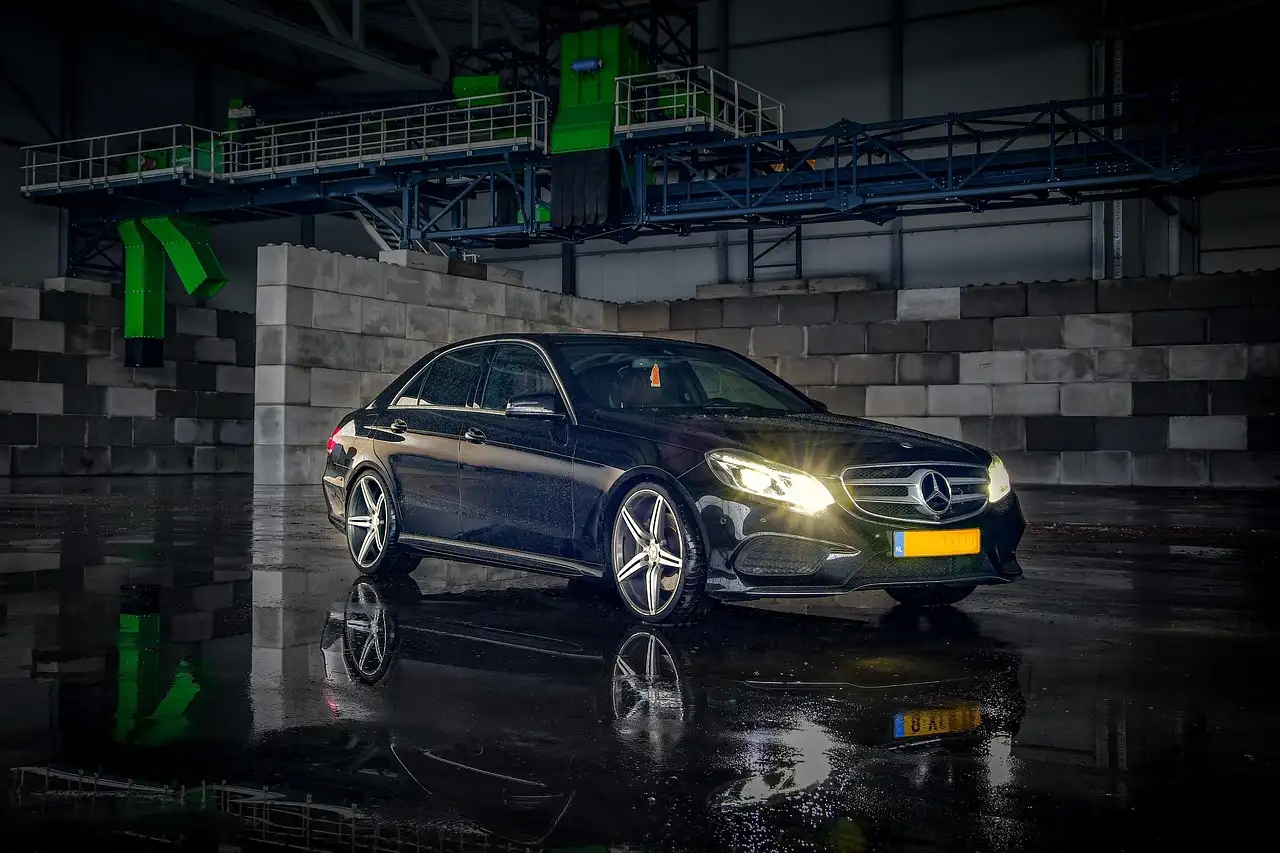
A vehicle type describes the physical form people can see: sedan, SUV, pickup, van, coupe, convertible, or motorcycle. A vehicle class is a formal grouping used for regulation, taxation, insurance, or compliance, and it often depends on mass, seat count, or intended use. One vehicle can fit both at once without contradiction.
Vehicle type is the shape you can spot
Manufacturers and buyers use type language because it is quick and clear. A crossover can look like an SUV, a minivan can be called a van, and a crew-cab pickup still looks like a pickup even when its paperwork puts it in another bucket.
Vehicle class is the label that rules use
Class language appears in legal systems, insurer databases, and registration records. ISO 3833-1977 is an international standard for road vehicle types, and it helps define terms rather than marketing language. Vehicle categories can also be based on wheels, tracks, rails, skis, or maglev, which shows how broad the formal system can be.
One vehicle, several valid labels
A single vehicle may be a “compact SUV” to a shopper, an M1 passenger vehicle in a regulatory record, and a mid-size crossover in a marketing brochure. Those labels do different jobs. Confusion starts when a body-style label is treated as if it were a legal class.
How are car categories grouped by regulators and manufacturers?
Regulators group vehicles by what the vehicle is allowed to do and how it is built, while manufacturers group them by how buyers compare products. ISO 3833-1977 gives road vehicle type terms, UNECE categories divide vehicles into L, M, N, and O groups, and market systems such as Euro segment, US EPA size class, and China GB/T 3730.1 compare vehicles for shopping and reporting.
UNECE categories are the legal backbone
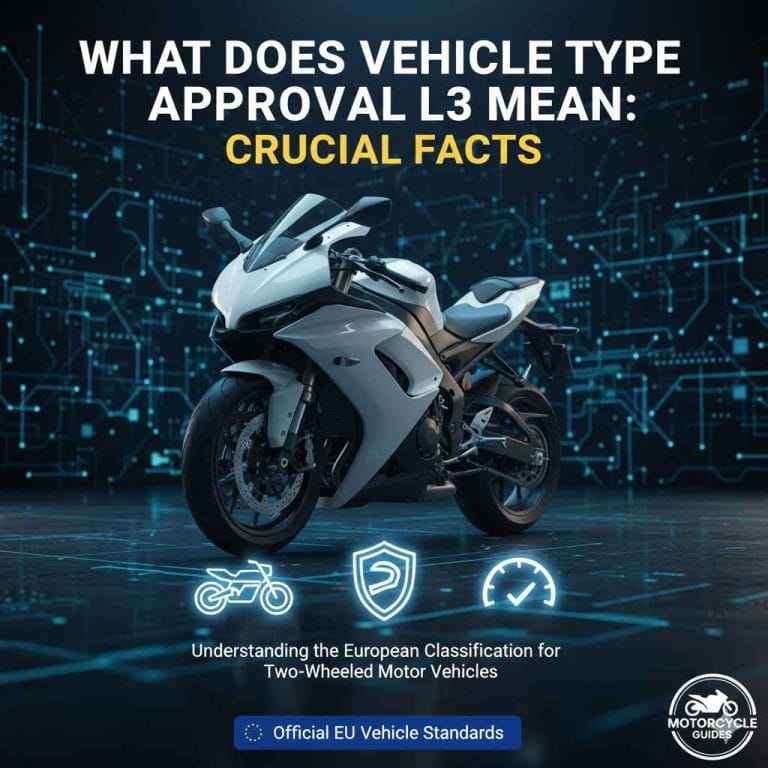
UNECE category L is generally used for vehicles with fewer than four wheels, category M for passenger vehicles, category N for goods vehicles, and category O for trailers and semi-trailers. Within those groups, the details matter. M1 is generally used for passenger vehicles with up to eight seats besides the driver, while M2 and M3 are used for vehicles with more than eight seats, divided by mass.
Market segments are comparison tools
Euro segment labels sort cars by size and positioning. A-segment cars are also called city cars and minicompacts, B-segment cars are small cars and subcompacts, and C-segment cars are medium cars, small family cars, or compacts. These labels are useful for shopping, but they are not the same thing as a legal class.

What does compact, mid-size, or full-size really mean?
Compact, mid-size, and full-size are comparison labels, not universal legal classes. They group cars by market position, package size, or regional convention, and the same model can sit in different buckets depending on the system used. That is why the wording can help with shopping while still being too loose for DMV or insurer use.
Regional systems do the sorting differently
Euro segment, US EPA size class, and China GB/T 3730.1 do not always draw the same lines. A compact in one region may be treated differently in another. The label tells you how that market wants to compare vehicles, not what the law calls the vehicle.
Size labels do not replace legal categories
A compact hatchback can still be an M1 passenger vehicle. A large SUV can still fall under the same passenger category if it stays within the seat-count rules. The size word helps with shopping, but the category field on paperwork is usually doing another job.
Is an SUV a type or a class?
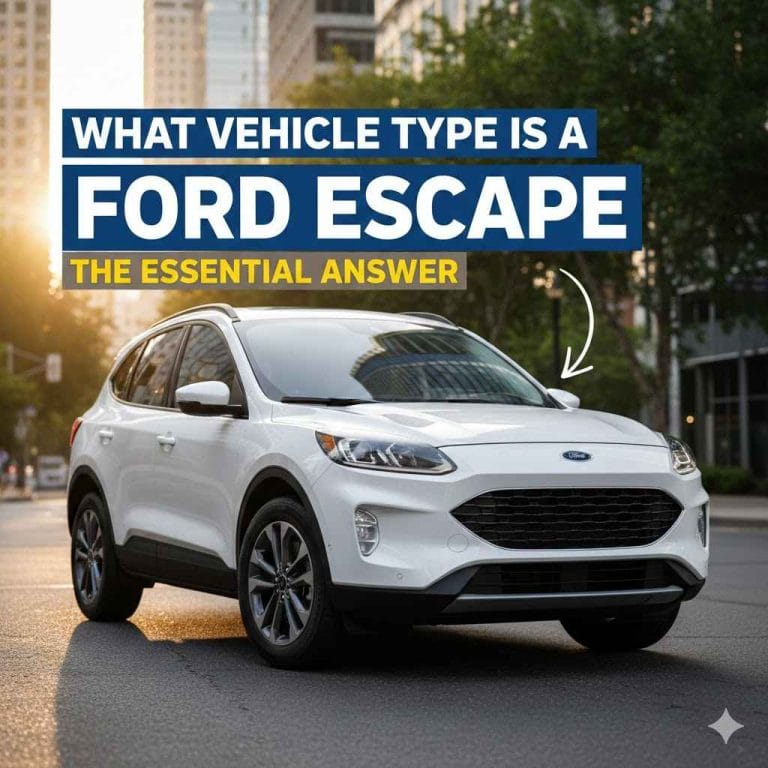
An SUV is usually a body style or type label, not a legal class by default. It describes the vehicle’s form and use pattern, but the formal class depends on the rulebook in play. A crossover, wagon, or minivan can blur that line, which is why the same vehicle may wear different labels in different records.
Crossovers blur the old body-style buckets
Crossovers often look like SUVs yet ride on passenger-car platforms. That is why one database may call the vehicle an SUV while another treats it as a passenger car or M1 vehicle. The shape is one thing; the legal filing is another.
Why the same vehicle gets different names
Marketing materials try to help buyers place the vehicle in a familiar group. DMV records, title systems, and insurer databases need tighter rules. If a form asks for body type, SUV may be fine. If it asks for category, the answer may be M1, N1, or something else entirely.
How do passenger, goods, and commercial categories work?

Passenger, goods, and commercial categories are usually separated by seats, mass, and use. UNECE says M1 covers passenger vehicles with not more than eight seats besides the driver, M2 and M3 cover passenger vehicles with more than eight seats, and N1, N2, and N3 cover goods vehicles by mass. Trailers sit in O.
Passenger vehicle categories
M1 is the common family-car bucket. M2 is for passenger vehicles with more than eight seats and maximum mass not exceeding 5 tonnes, and M3 is for passenger vehicles with more than eight seats and maximum mass exceeding 5 tonnes. That seat-count rule is why a shuttle van can stop being “just a van” in regulatory terms.
Goods vehicle categories
N1 covers goods vehicles with a maximum mass not exceeding 3.5 tonnes. N2 covers goods vehicles over 3.5 tonnes but not exceeding 12 tonnes, and N3 covers goods vehicles exceeding 12 tonnes. In US heavy-duty talk, 26,000 lbs GVWR is often a useful boundary, but that is a different system and should not be mixed with UNECE labels. (en.wikipedia.org)
Trailers are separate
UNECE category O includes trailers and semi-trailers. That matters because a towable unit is not classified the same way as a self-propelled vehicle. The paperwork field should tell you whether the record is about the tow vehicle or the trailer behind it.
Side-by-side classification matrix for 12 common vehicles
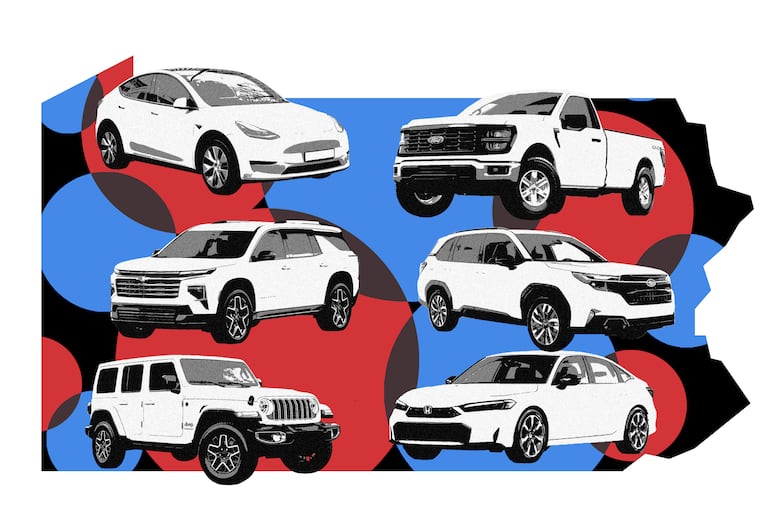
This matrix shows how one vehicle can carry several valid labels at once. The safest way to read it is to start with the physical type, then check the legal class, then match the document field that produced the label. That keeps body-style words from being mistaken for regulatory categories.
| Vehicle | Type | Market segment | Legal class | Passenger or goods category | Where the label usually appears |
|---|---|---|---|---|---|
| Compact sedan | Sedan | C-segment | M1 | Passenger | Brochure, VIN lookup, registration record |
| Subcompact hatchback | Hatchback | B-segment | M1 | Passenger | Brochure, spec sheet, insurer vehicle profile |
| Full-size luxury sedan | Sedan | Upper C / D segment by market | M1 | Passenger | Sales listing, catalog, DMV body type field |
| Crossover SUV | SUV / crossover | Compact or mid-size SUV segment | M1 | Passenger | Marketing sheet, insurer quote, title body type |
| Wagon | Station wagon | C or D segment | M1 | Passenger | Brochure, vehicle catalog, VIN decoder |
| Two-door coupe | Coupe | C or D segment | M1 | Passenger | Sales listing, trim guide, registration body style |
| Convertible | Convertible | C or D segment | M1 | Passenger | Brochure, title, insurer vehicle description |
| Minivan | Van / minivan | Multi-purpose family vehicle | M1 | Passenger | DMV body type, dealer listing, insurer database |
| Panel van | Van | Commercial van class | N1 | Goods | Registration record, fleet listing, VIN lookup |
| Crew-cab pickup | Pickup truck | Truck segment | N1 or larger, depending on mass and use | Goods | Title record, GVWR label, insurer profile |
| Heavy-duty truck | Truck | Commercial truck segment | N2 or N3 | Goods | Fleet record, compliance file, weight certificate |
| Motorcycle | Motorcycle | L-category vehicle | L1 or related L category | Passenger or light use | Registration, VIN lookup, licensing record |
How to read the matrix
Start with the type column if you are trying to picture the vehicle. Move to the legal class if you are checking a form, fee, or compliance rule. Then use the document field to see where that label usually comes from, because a title, a VIN lookup, and an insurer quote may not use the same wording.
Why does vehicle classification affect insurance, registration, and taxes?
Classification affects money and paperwork because different agencies care about different attributes. Insurers may care about body type, vehicle use, mass, theft risk, and seating. DMVs often care about title wording, body style, and legal category. Tax offices may care about weight, passenger capacity, or commercial use.
Why two databases can disagree
One database may key off a VIN decode and call the vehicle a passenger SUV. Another may read the same vehicle as a light goods vehicle because of its mass or cargo setup. That is not always an error. It can be the result of two valid classification systems looking at different fields.
What usually matters most
For insurance, the underwriter often wants the use case and body style. For registration, the agency often wants the legal category. For taxes, the deciding factor can be gross vehicle weight, passenger count, or commercial status, depending on jurisdiction.
Which standard defines road vehicle types and definitions?
ISO 3833-1977 is the standard to know for road vehicle types. It gives terms and definitions for vehicle classification, which helps keep type language from drifting too far across markets. It is not the same thing as a DMV rulebook, but it helps organize the vocabulary regulators and manufacturers use.
How it fits with UNECE
ISO 3833-1977 deals with type terms, while UNECE categories sort vehicles into legal buckets such as L, M, N, and O. ISO helps define the words; UNECE helps classify the vehicle for regulatory use. They solve different problems.
Frequently asked questions
What is the difference between a vehicle type and a vehicle class?
Vehicle type describes what the vehicle looks like and how it is generally used, such as sedan, SUV, or van. Vehicle class is the formal category used for legal, tax, insurance, or compliance purposes. The same vehicle can sit in both systems at once without conflict.
How are car categories grouped by regulators and manufacturers?
Regulators group vehicles by legal use, mass, and seating through systems such as UNECE L, M, N, and O. Manufacturers group them by market segment, size, and body style through labels like Euro segment or US EPA size class. Those systems answer different questions.
What does compact, mid-size, or full-size vehicle class mean?
Those are market comparison labels, not universal legal classes. They help shoppers compare vehicles by size and positioning, but the exact boundary can vary by region or brand. A compact in one market may not line up perfectly with a compact in another.
Is an SUV a type or a class?
Usually, SUV is a type or body-style label. It is how people and dealers describe the shape and use of the vehicle. The legal class may still be M1, N1, or another category depending on the vehicle’s mass, seating, and purpose.
Why does vehicle classification affect insurance, registration, and taxes?
Those systems do not all care about the same thing. Insurance may focus on use and body style, registration may rely on legal category, and taxes may track mass or passenger capacity. A mismatch between databases can change the result even when the vehicle is the same.
What category does my car fall into on a title, VIN lookup, or DMV form?
Check the field name first. If the form asks for body type, it may want sedan, SUV, or van. If it asks for category or class, it may want M1, N1, or another legal bucket. VIN lookups often show a decoded description, not the full legal rule.
How do trucks, vans, and SUVs get classified differently?
Trucks and vans may be treated as goods vehicles when mass and use fit N-category rules, while SUVs are usually treated as passenger vehicles when they carry people and stay in the passenger category. Crew-cab pickups and minivans are common boundary cases because their shape and paperwork do not always point to the same label.
Which standard defines road vehicle types and definitions?
ISO 3833-1977 defines road vehicle types and the vocabulary used to classify them. It is the reference to check when type words start drifting between marketing and technical use. For legal category, the better question is which jurisdiction or agency rulebook applies.
Verdict
Choose vehicle types if you are comparing body styles, shopping for a family car, or decoding a brochure. Choose vehicle classes if you are checking a DMV form, insurance quote, tax rule, or compliance record. The clean rule is simple: start with type, then confirm the legal class, then trust the field that matches the document in front of you.
Products related to this article
Sponsored / affiliate links. As an Amazon Associate I earn from qualifying purchases. I may earn additional commission from eligible campaigns.