2WD vs AWD vs 4WD Vehicle Types: Difference Explained
2WD is fine for dry pavement and light use. AWD is the better pick for daily driving in rain, snow, and mixed traction. 4WD is often a good fit for low-speed off-road work, steep grades, and heavier towing in trucks and SUVs. Pick the wrong system and you lose traction, burn more fuel, or pay for hardware you will not use. This guide compares 2WD, AWD, and 4WD by vehicle type, climate, towing, winter driving, and off-road use, including when tires matter more than driven wheels.
This guide is part of our Vehicle types guide series.
2WD vs AWD vs 4WD: what changes, and what does not
2WD sends power to one axle only. AWD can route power front and rear automatically, while 4WD usually lets the driver engage a transfer case with high and low range. All three can move a vehicle forward, but they fail in different places, and tires still control braking and cornering. (consumerreports.org)
| Factor | 2WD | AWD vs 4WD vehicle types: What’s the difference | Winner |
|---|---|---|---|
| Normal-road efficiency / cost | Usually lighter and less complex; 2WD wins here because it has fewer parts moving power to the ground. | AWD and 4WD are heavier and more complex, and in many vehicles add a fuel-use penalty. | 2WD |
| Mechanical complexity | Simple, with power sent to one axle only. | AWD is automatic but more complex; 4WD adds a transfer case and selectable high and low range. | 2WD |
| Low-traction launch help / performance | Depends on which axle is driven; can work well if the driven axle has good tire grip. | AWD usually gives the best balance for mixed traction because it can shift torque without driver input; 4WD is strong on low-traction surfaces when engaged. | AWD vs 4WD vehicle types: What’s the difference |
| Off-road and steep terrain | Limited. | AWD is limited to mild trails; 4WD is the best fit, especially with 4H and 4L. | AWD vs 4WD vehicle types: What’s the difference |
| Driver effort | Simple. | AWD is automatic in normal use; 4WD uses driver-selected modes. | 2WD |
| Dry-pavement behavior | No special binding risk from an added front-to-rear lock. | AWD is generally designed for pavement use; locked 4WD can bind on dry pavement. | AWD vs 4WD vehicle types: What’s the difference |
| Snow, rain, and mixed traction | Fine for plowed roads and normal commuting, but traction at launch is the weak point. | AWD is the better pick for daily driving in rain, snow, and mixed traction; 4WD is meant for low-traction surfaces such as sand or snow when engaged. | AWD vs 4WD vehicle types: What’s the difference |
| Tires vs driven wheels | Can be enough with the right tires for commuting on plowed roads. | Winter tires matter more than extra driven wheels when the surface is cold and slick; tires control braking and cornering. | Tie |
| Best-fit use | Dry pavement, light use, commuting, highway use, and moderate hauling on roads that are plowed or routinely dry. | AWD for rain, light snow, dirt roads, and mixed pavement; 4WD for mud, sand, rocks, ruts, steep climbs, and heavier towing in trucks and SUVs. | AWD vs 4WD vehicle types: What’s the difference |
Normal-road efficiency
2WD wins here because it has fewer parts moving power to the ground. AWD and 4WD add weight, mechanical complexity, and, in many vehicles, some fuel-use penalty. The exact gap varies by vehicle, but the direction is consistent.
Low-traction launch help
AWD usually gives the best balance for mixed traction because it can shift torque without driver input. 2WD can still work well if the driven axle has good tire grip. 4WD can do more in poor conditions, but it is not meant to stay locked on dry pavement.
Off-road and steep terrain
4WD wins for mud, sand, rocks, ruts, and steep climbs. The transfer case and low range matter more than simply sending power to all four tires. AWD is useful on dirt roads and mild trails, but it is not built for the same punishment.
Dry-pavement behavior
AWD is the easier choice for everyday pavement use because it is designed to distribute power automatically. Locked 4WD is different. Car and Driver warns that using locked 4WD on dry pavement can cause mechanical binding, which is a failure mode AWD is meant to avoid.
📊 Car and Driver says 4WD is meant to be activated on low-traction surfaces such as sand or snow. Source: 2WD vs. 4WD—Explaining The Key Differences.
What is 2WD, and when is it enough?
2WD means only one axle puts power to the ground, so the vehicle is either front-wheel drive or rear-wheel drive. It is often enough for commuting, highway use, and moderate hauling on roads that are plowed or routinely dry. The weak point is traction at launch, especially on snow, ice, mud, or loose gravel.
Front-wheel drive vs rear-wheel drive under 2WD
FWD sends engine power to the front wheels. It is cheaper to manufacture and more space-efficient than rear-drive systems, which is why Consumer Reports says FWD is the vast majority of passenger vehicles on the road today. RWD powers the rear wheels and is common in full-sized pickups, truck-based SUVs, sports cars, and high-performance luxury sedans.
FWD often has a traction edge in light winter use because the engine’s weight sits over the driven wheels. RWD usually gives better balance and steering feel, but it can lose rear-wheel grip sooner on slick pavement.
Where 2WD falls short
2WD struggles when the driven axle cannot find grip. A front-drive car can spin the front tires while climbing an icy driveway, and a rear-drive truck can fishtail more easily on wet or snowy roads if the tires are poor. Traction control and electronic stability control help, but they do not erase the physics of having power on only one axle.

How does AWD work, and where does it help most?
AWD automatically distributes torque between the front and rear axles, usually without the driver selecting a mode. It is often found in crossovers and some cars, and it is a strong fit for rain, mixed pavement, light snow, and dirt roads. Its main limit is that it is still a road-first system, not an off-road system.
Automatic front-to-rear torque distribution
AWD systems vary, but the key idea is the same: the vehicle can send power where available grip exists. That matters when one axle starts slipping before the other. Many systems are based on a FWD or RWD layout and add a center coupling or clutch pack to share torque.
Where AWD helps most
AWD is a strong choice for mixed terrain and mild slippery conditions such as snow, ice, or dirt trails. It reduces the chance of getting stuck while pulling away from a stop or climbing a wet hill. RealTruck describes AWD as best for mixed terrain, all-weather driving, and maximum on-road performance.
That still does not mean AWD shortens braking distance on snow or ice. Braking depends on tire grip, road surface, and driver input. Stability control helps keep the vehicle pointed where you want it, but it cannot create traction that the tires do not have.
Where AWD breaks down
AWD is less useful when the surface becomes deeply rutted, very loose, or steep enough to require low-speed torque multiplication. It can also be a poor fit if you only need extra traction a few days a year and winter tires would solve the real problem more directly. In those cases, the extra cost may buy convenience, not capability.
How does 4WD work, and what are 4H and 4L?
4WD uses a transfer case to send power to both axles, usually with driver-selected engagement. Most truck and off-road SUV systems include 4H and 4L. 4H is for slippery roads at normal speeds, while 4L is for steep, rugged, or slow-speed terrain where control matters more than speed.
Transfer case basics
The transfer case is the part that routes power in 4WD systems and enables selectable high and low range. That extra hardware increases mechanical complexity. It is also why 4WD is usually found in trucks and off-road SUVs rather than commuter sedans.
What 4H and 4L do
4H gives you four-wheel drive in a higher range for low-traction surfaces like snow-covered roads, dirt, or sand where the vehicle still moves at road speeds. 4L lowers the gearing so the wheels turn more slowly but with greater control and torque multiplication. That is the mode for crawling over rocks, climbing steep grades, or pulling through deep mud.
Car and Driver notes that 4WD is meant to be activated on low-traction surfaces such as sand or snow. It is not a casual pavement setting. If the system is locked on dry pavement, driveline binding can occur because the front and rear axles want to turn at different speeds. (caranddriver.com)
Typical truck and off-road SUV use
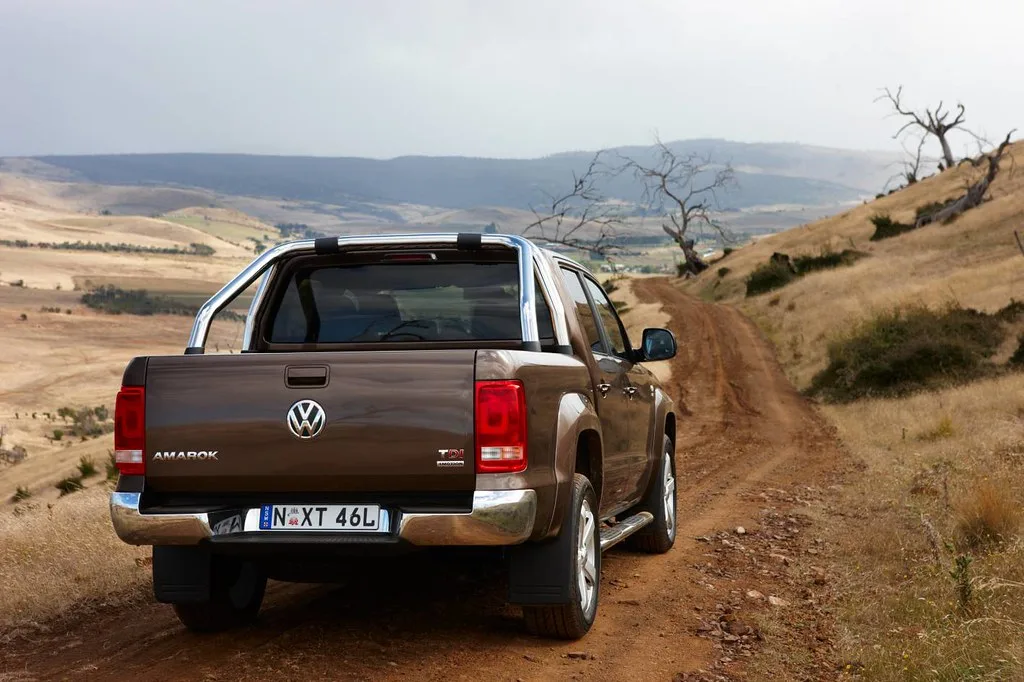
RWD is often paired with 4WD in trucks and SUVs because the vehicle can drive normally as a rear-driver and then add the front axle when conditions demand it. That combination suits hauling, towing, trail work, and rough-weather use. It is less useful for a sedan that mostly commutes on city streets.
Which drivetrain is best for snow, rain, mud, and off-road?
Snow and ice reward tire grip first, then drivetrain help. Rain and wet pavement usually favor AWD for easier pull-away traction, while 4WD is the clear pick for mud, sand, and rough trails. For plowed roads and normal commuting, 2WD with the right tires can be enough.
Snow and ice: traction gains versus braking limits
A car with AWD can accelerate more confidently on snow than an equivalent 2WD car on the same tires. That does not mean it stops better. Braking and cornering remain limited by the tires’ grip, so winter tires matter more than extra driven wheels when the surface is cold and slick.
Rain and wet pavement
AWD is useful when rain creates patchy traction or standing water makes launch feel unstable. It helps most at low speed and on takeoff. Once the vehicle is moving, prudent tire choice and careful throttle matter more than the drive layout itself.
Mud, sand, and rough trails
4WD leads here because low-speed control, selectable engagement, and low range matter. Mud can overwhelm a 2WD axle quickly, and AWD may not have the hardware or calibration for repeated deep-slip use. If the route includes real off-road obstacles, 4WD is the correct tool.
Commuting on plowed roads
2WD can be enough if the roads are cleared, speeds are moderate, and the vehicle has proper seasonal tires. FWD commuter cars often do fine in cities and suburbs. For a driver who sees only occasional winter weather, 2WD plus winter tires may make more sense than paying for AWD that is rarely needed.
Do tires matter more than drivetrain?
Yes, often they do. Tire compound and tread design control the contact patch, so they shape acceleration, braking, and cornering far more directly than AWD or 4WD. Winter tires can reduce the need for AWD or 4WD in some winter use, especially in conditions that are plowed but still cold and slick.
Winter tires vs all-season tires
Winter tires stay more compliant in cold weather and are designed for snow and ice traction. All-season tires are a compromise that may be acceptable in mild climates, but they cannot match a dedicated winter tire on cold pavement and packed snow. If the climate is the issue, tires are often the better first buy.
When tires beat drivetrain
- You drive mostly on plowed city and suburban roads.
- Your winter problem is stopping and cornering, not just getting moving.
- You face cold temperatures more often than deep snow.
- You want the biggest traction gain for the least complexity.
- Your current tires are worn before your drivetrain feels inadequate.
Say your 2WD crossover lives in a northern suburb where roads are cleared before the morning commute. A set of winter tires may do more for safety and control than paying extra for AWD, because the main risk is loss of grip during braking on cold pavement.
Choose 2WD if… / Choose AWD if… / Choose 4WD if…
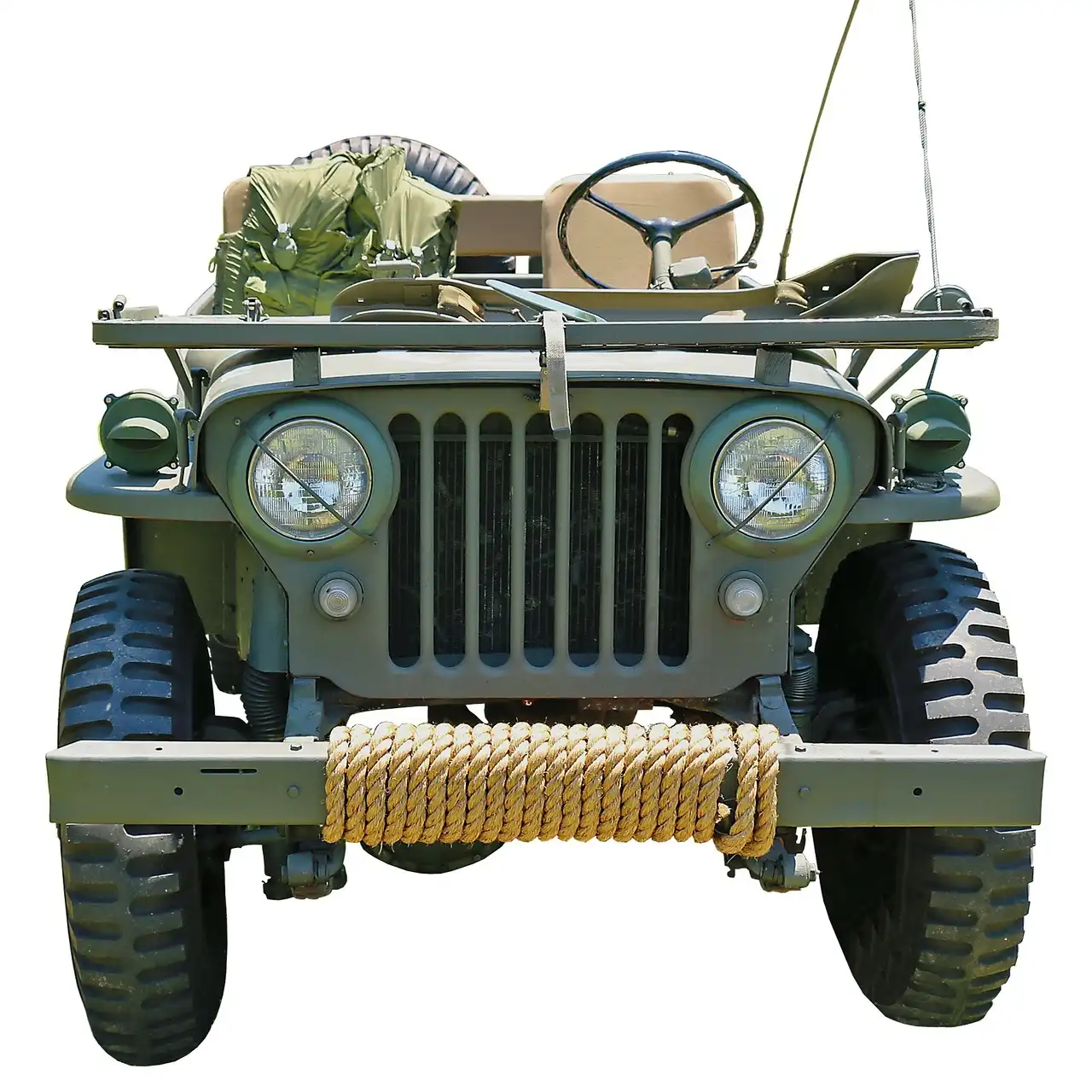
Choose 2WD if your driving is mostly paved, your climate is mild or well-plowed, and you want the simpler, cheaper, and usually more efficient setup. Choose AWD if you split time between rain, snow, and mixed roads, or you want extra launch traction without thinking about modes. Choose 4WD if your vehicle will see off-road use, steep grades, mud, sand, or serious towing in a truck or body-on-frame SUV.
Choose 2WD if…
You drive a commuter sedan, hatchback, or crossover on roads that are usually maintained. You want lower purchase price and lower maintenance complexity. You also care about fuel use and do not need off-road hardware.
FWD is the common 2WD pick for commuter cars and crossovers because it saves packaging space and leaves more cabin room. RWD makes more sense in pickups, sports cars, and performance sedans where handling balance or load capability matters more than everyday winter launch traction.
Choose AWD if…
You drive in mixed weather, see frequent rain or light snow, and want automatic traction help without driver involvement. You want a crossover or car that feels calmer pulling away on slippery pavement. You do not need low range or sustained off-road use.
Choose 4WD if…
You drive a pickup or off-road SUV, tow in poor conditions, or regularly leave pavement for mud, sand, rock, or steep trails. You need the transfer case, 4H, and 4L more than you need everyday efficiency. You also understand that 4WD should not be left locked on dry pavement.
A common first-timer mistake is buying 4WD for snowy suburbs when the real need is better winter tires. Another is buying AWD for a rocky trail and expecting it to act like a truck’s low-range system. Vehicle type matters.
Frequently asked questions
What is the difference between 2WD, AWD, and 4WD?
2WD sends power to one axle only. AWD can send power front and rear automatically. 4WD also sends power to all four tires, but usually with a transfer case and driver-selected modes such as 4H and 4L. The main difference is not just traction; it is control logic and intended use.
Is AWD better than 4WD for snow?
For ordinary snowy roads, AWD is often the better daily-driver choice because it works automatically and suits mixed conditions. 4WD is better when the snow is deep, the route is rough, or the vehicle needs low-range gearing. Neither one improves braking on snow the way winter tires do.
Is 2WD good enough for winter driving?
Often yes, if the roads are plowed, the vehicle has good winter tires, and you drive conservatively. FWD is usually more forgiving than RWD because engine weight sits over the driven wheels. On untreated hills, packed snow, or icy neighborhoods, 2WD becomes much less forgiving.
Does AWD use more gas than 2WD?
Usually yes. AWD adds weight and mechanical complexity, so it often carries some fuel-use penalty versus 2WD. The exact difference depends on the vehicle and drivetrain design, but the general tradeoff is consistent: extra traction convenience costs efficiency and often maintenance complexity.
Can you tow with AWD or 4WD?
Yes, but the better choice depends on the vehicle and the job. Trucks and SUVs with RWD plus 4WD are common towing setups because they are built for load carrying and low-traction starts. AWD can tow within its rated limits, but it is not a substitute for a tow-capable chassis or the correct rating.
What is 4H and 4L on a 4WD vehicle?
4H means four-wheel drive high range, used for slippery roads or loose surfaces where you still want normal road speeds. 4L means four-wheel drive low range, which multiplies torque for steep, rugged, or very slow off-road conditions. They are part of a 4WD transfer case, not AWD.
Is 4WD safe to use on dry pavement?
Locked 4WD is not the right setting for dry pavement because it can cause driveline binding. That happens when the front and rear axles need to turn at different speeds but are forced to stay locked together. Use 4WD on low-traction surfaces, then return to the correct road mode.
Products related to this article
Sponsored / affiliate links. As an Amazon Associate I earn from qualifying purchases. I may earn additional commission from eligible campaigns.