Vehicle Types for Rural Driving: What Works Best
For rural driving, the right vehicle depends on the road. Pickups and body-on-frame SUVs lead on deep gravel, mud, snow, steep grades, towing, and hauling. Crossovers fit mixed pavement and light dirt. Sedans work only on maintained roads. Pick the right ground clearance, tire type, drivetrain, and payload, or you can get stuck, scrape, or overload the vehicle. This guide ranks vehicle types by rural use case and explains what to buy for gravel, tracks, snow, hills, towing, and mixed-road driving.
Rural road conditions to match

Rural driving is not one problem. A paved but remote road with potholes needs a different setup than a muddy farm track, a plowed-but-slushy back road, or a steep driveway with a ditch at the bottom. Match the vehicle to the worst surface you will face, not the average one.
Paved but remote roads
On long paved stretches with occasional potholes, a sedan, hatchback, wagon, or crossover can work well if the road is maintained. The key needs are stable suspension, decent tire sidewalls, and enough clearance to avoid scraping on dips and crowned driveways. Four-wheel drive is usually unnecessary here.
Gravel roads and washboard surfaces
Gravel exposes weak sidewalls, low bumpers, and soft suspension tuning. A crossover with all-season tires can handle light gravel, but a wagon or hatchback with firmer suspension and a little extra clearance often rides better than many buyers expect. Deep washboard and potholes shift the advantage toward taller bodies and stronger tires.
Mud, snow, and steep driveways
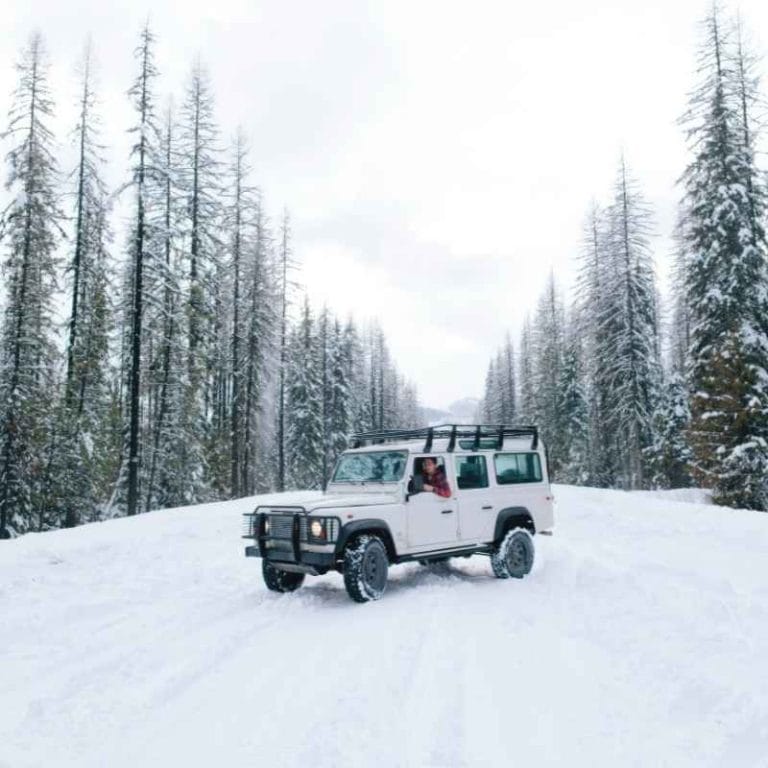
Mud and snow change the formula. Traction, tire tread, and ground clearance matter more than badge size. A true 4WD pickup or body-on-frame SUV is the strongest choice when ruts, slippery grades, or unplowed sections are common. For shallow snow and plowed roads, AWD can be enough if tires are suitable.
Towing and hauling use
If you tow a trailer, carry feed, tools, fencing, or heavy cargo, payload and tow rating become part of the road-worthiness decision. Pickups lead because they are built for bed use and higher payload. Some body-on-frame SUVs can tow well, but cargo weight and passengers can eat payload faster than many buyers expect.
Best vehicle type for each road

The best body style depends on how rough the road gets and how often the vehicle carries loads. Sedans are acceptable on maintained paved roads. Wagons and hatchbacks can work on light gravel. Crossovers fit mixed rural driving. Pickups and body-on-frame SUVs fit the roughest roads, the heaviest loads, and the steepest grades.
Sedans and small cars
Use these only when the road stays maintained and the route is mostly pavement. They can be efficient and stable, but low clearance, shorter wheel travel, and limited sidewall height make them vulnerable to ruts, rocks, and steep crown transitions. Small cars are the least forgiving option for deep gravel, mud, or snow.
Wagons and hatchbacks
These often offer more usable cargo room than a sedan with little penalty in road feel. They can handle smooth gravel and remote pavement better than most buyers assume, especially with a taller tire and a cautious driving style. The limit is ground clearance and front bumper angle, not cabin space.
Crossovers and SUVs
Crossovers are the default fit for mixed rural use because they balance clearance, cargo room, and comfort. A crossover with AWD and sensible tires works well on gravel, snow, and rough pavement. A body-on-frame SUV is the step up when you need more durability, higher load tolerance, or true low-range 4WD.
Pickups and body-on-frame SUVs
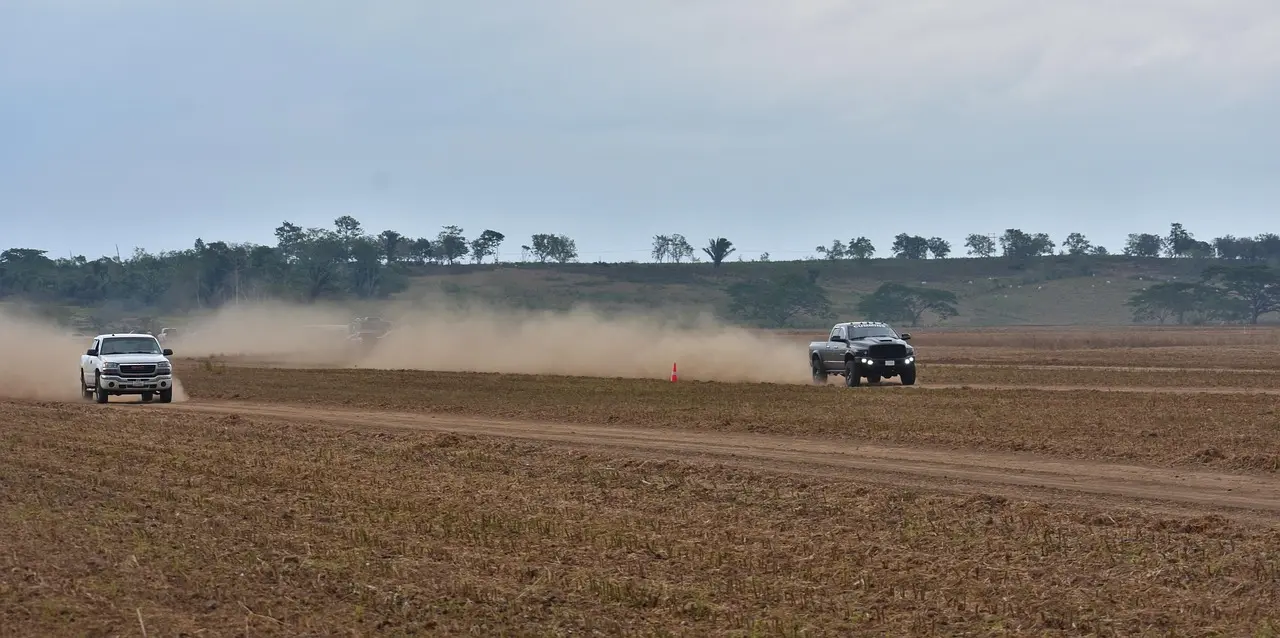
These are the strongest choices for repeated rough-road use, deep ruts, heavy towing, and farm or work duty. Their main advantages are stronger frames, better payload, and better clearance geometry. Their tradeoffs are higher step-in height, larger size, more fuel use, and a harsher empty ride in some trims.
What type of drivetrain do you need?
2WD, AWD, and 4WD are not interchangeable. Two-wheel drive can be fine on maintained roads. AWD helps on slick surfaces and loose gravel. True 4WD with low range is for poor traction, steep grades, and slow control under load. The right answer depends on surface, slope, and how often conditions deteriorate.
2WD vs AWD vs 4WD
2WD gives you less traction reserve on gravel, mud, and snow, especially when starting on an incline. AWD can shuffle power automatically and usually helps in rain, gravel, and light snow. A true 4WD system, especially with low range, gives much better control at low speed on steep, loose, or rutted terrain.
When low range matters
Low range is worth paying for when you need slow wheel control, hill starts on loose ground, trailer launches on grades, or careful crawling over ruts and washouts. It reduces strain on the transmission and improves control. For light rural commuting, low range is usually unnecessary complexity.
When AWD is enough
AWD is enough for many rural drivers who stay on gravel, plowed snow, and mild hills and who do not tow heavy loads. It improves traction without the weight and complexity of a dedicated 4WD system. It is not a substitute for off-road clearance or good tires, and it will not turn a low car into a mud runner.
How much ground clearance is enough?
A practical minimum for rural driving is about 7 to 8 inches for mixed gravel and remote pavement, and about 8.5 to 10 inches for deeper ruts, snow buildup, and rough farm tracks. Clearance helps the underbody avoid rocks, drifted snow, and washboard contact, but it also raises the step-in height and can reduce stability if the vehicle is tall and narrow.
Ruts, rocks, snow, and corrugations
Ruts and rocks hit the underbody first. More clearance reduces the chance of scraping the exhaust, suspension arms, or fuel tank shield. In snow, extra ride height can keep the chassis from plowing through slush or packed drifts. On washboard roads, clearance alone is not enough; suspension control and tire sidewalls matter just as much.
Step-in height and stability tradeoffs
Higher vehicles are harder to enter and exit, and they can feel less planted in abrupt swerves or crosswinds. That tradeoff matters less on rough roads than on pavement, but it should still guide the decision. A low wagon with smart tires may be more stable than a tall SUV if the road is merely rough, not truly damaged.
Why tires can matter more than badge
Tires often decide whether a rural vehicle feels confident or fragile. A good tire can improve grip on dirt, gravel, mud, and slush even if the vehicle is not especially fancy. A poor tire can make an otherwise capable AWD vehicle behave like a compromised sedan.
All-terrain tire tread and sidewalls
All-terrain tires use a more open tread pattern that can bite into dirt, loose gravel, and light mud. Many also have stronger sidewalls, which helps resist punctures from rocks and cuts from sharp edges. That extra toughness is useful on rural roads, especially where shoulders are broken or debris is common.
On-road noise and fuel economy
All-terrain tires usually add road noise and can reduce fuel economy compared with standard touring tires. That tradeoff is real, especially if most driving is still on pavement. If your rural roads are only mildly rough, an all-season tire with a tougher sidewall may be the better compromise.
Dirt, mud, slush, and snow grip
Tread design matters by surface. Loose dirt and gravel need biting edges. Mud needs tread that can clear itself. Slush and packed snow need channels that move water and snow away from the contact patch. A four-wheel-drive system cannot overcome a tire that cannot clear itself or maintain grip.
Say your route is 12 miles of paved county road, then 2 miles of smooth gravel to a mailbox. A crossover on good all-season tires may be the right answer, while a pickup would be more vehicle than the road demands. Change one variable to muddy spring ruts, and the recommendation shifts sharply toward AWD or 4WD with stronger tires.
Rural vehicle types matrix
This matrix ties the road to the minimum setup that makes sense. Use it as a filter, not a luxury chart. If your usual road is in the do-not-recommend column, step up a class.
| Road condition | Best vehicle type | Minimum drivetrain | Minimum tire type | Minimum clearance | Recommend? |
|---|---|---|---|---|---|
| Paved but remote roads | Sedan, wagon, hatchback, crossover | 2WD or AWD | All-season | 6.5 to 7.5 in | Recommend |
| Gravel roads | Wagon, hatchback, crossover, pickup | AWD preferred | All-season or all-terrain | 7.5 to 8.5 in | Recommend |
| Muddy farm tracks | Pickup, body-on-frame SUV | True 4WD, ideally low range | All-terrain or mud-terrain | 9 to 10.5 in | Recommend |
| Snowy backroads | Crossover, pickup, body-on-frame SUV | AWD or 4WD | All-weather or winter, optionally all-terrain | 7.5 to 9 in | Recommend |
| Steep driveways | Crossover, wagon, pickup, body-on-frame SUV | AWD or 4WD | All-season or all-terrain | 8 in minimum; better with good approach angle | Recommend |
| Towing or hauling | Pickup, body-on-frame SUV | AWD or 4WD; 4WD preferred for rough launches | Load-rated all-season or all-terrain | 8 to 10 in | Recommend |
| Deep washouts or repeated ruts | Body-on-frame SUV, pickup | 4WD with low range | All-terrain | 9.5 in or more | Recommend |
| Deep mud with poor drainage | Pickup, body-on-frame SUV | 4WD with low range | Mud-terrain or aggressive all-terrain | 10 in or more | Do not recommend for low-clearance cars |
A common first-timer mistake is choosing a rugged pickup for muddy country lanes, then leaving it with hard, low-grip tires meant for pavement. On a slushy hill, that setup can still spin or slide because traction starts at the contact patch. The vehicle type matters, but tire choice decides whether the drivetrain can actually do its job.
What about payload, towing, and visibility?
Payload matters because passengers, fuel, tools, feed, and supplies all count against the limit. Towing matters because pulling a trailer on a rough road adds strain at low speed and on grades. Visibility matters because rural hazards are often discovered late, in darkness, at the edge of a lane or ditch.
Cargo space and payload limits
A vehicle with generous cargo volume can still be a poor rural choice if its payload is low. Four adults, a full tank, and a bed full of tools can use up capacity quickly. Pickups usually have the best payload range, while crossovers and small SUVs vary widely by trim and engine.
Tow ratings and rough-road loading
Use tow ratings carefully. A vehicle that can tow a rated load on pavement may feel stressed on gravel, soft shoulders, or steep grades. If the route includes rough surfaces, leave more margin than the published maximum. Trailer brakes, wheelbase, and low-range 4WD matter when you need control, not just raw rating.
Headlights, cameras, hill descent control, and stability control
Good headlight reach helps on dark roads where deer, ditches, and washouts appear late. Backup and surround-view cameras help with tight driveways and trailer hookups. Hill descent control can reduce brake heat on steep loose descents, and stability control remains a basic safety feature on slick, uneven roads.
Frequently asked questions
What vehicle type is best for rural driving?
The best type is the one that matches your worst road, not your average one. For mixed pavement and light gravel, a crossover is usually the sensible middle ground. For muddy tracks, deep snow, heavy towing, or repeated rough use, a pickup or body-on-frame SUV is the better fit.
Are SUVs better than sedans for country roads?
Usually yes, but only because most SUVs offer more clearance, stronger suspension options, and better traction packages. A sedan on maintained roads can be fine. Once gravel, snow, steep driveways, or broken pavement enter the picture, an SUV gives you more margin before scraping or spinning.
Do I need 4WD for rural driving or is AWD enough?
AWD is enough for many rural roads, especially paved routes, light gravel, and plowed snow. True 4WD becomes worth it when you face mud, unplowed grades, deep ruts, or slow-speed towing on poor surfaces. Low range is the clearest sign that the vehicle is built for tougher conditions.
What ground clearance do I need for dirt and gravel roads?
For maintained dirt and light gravel, about 7 to 8 inches is a practical floor. For deeper ruts, rocks, and winter buildup, 8.5 to 10 inches is safer. Clearance helps, but it works best with sensible approach angles, durable tires, and a suspension that does not bottom out on corrugations.
Are trucks or crossovers better for rural areas?
Crossovers are better for mixed-use rural drivers who mostly need comfort, light gravel capability, and a sensible ride. Trucks are better when you need payload, towing, rough-road durability, or muddy access. If you haul materials, pull trailers, or drive poor tracks often, the truck has the stronger case.
What matters more for rural driving: tires, clearance, or drivetrain?
They matter together, but tires often come first because they control grip and puncture resistance. Clearance comes next because it prevents scraping and underbody hits. Drivetrain is the third piece, though it becomes the lead factor on mud, snow, and steep loose grades where traction is limited.
Can a small car handle rural roads safely?
Yes, but only on maintained roads, light gravel, and routes that do not demand extra clearance or load capacity. A small car is the least forgiving choice on washboard, mud, ruts, and snowpack. If the route changes with the season, a small car can become the wrong tool fast.
What vehicle is best if I tow, haul, or drive in snow on rural roads?
A pickup or body-on-frame SUV is usually the best answer because it combines payload, towing strength, and better clearance. Add AWD or true 4WD, plus tires suited to snow and loose ground. If towing is frequent and the route is rough, low-range 4WD is worth serious consideration.
Products related to this article
Sponsored / affiliate links. As an Amazon Associate I earn from qualifying purchases. I may earn additional commission from eligible campaigns.