Vehicle Types for Delivery Drivers: Best Options
Choose the smallest vehicle that fits your largest regular load. Use a compact van for dense urban routes, a midsize van for mixed routes, and a pickup or wagon for light parcels. Use an EV only with reliable overnight or depot charging. Get the match wrong and you burn fuel, lose parking time, or pay for cargo space and battery range you do not use. This guide compares van and non-van options by payload, stop density, parking pressure, and charging access, then points you to the best fit for common delivery routes.
This guide is part of our Vehicle types guide series.
Top delivery vehicle picks


The best overall choice depends on route shape and load mix, but the Ford Transit is the safest all-round used buy for many operators because it gives a wide size spread, a large dealer base, and a broad payload range. If your route is cramped, the Ram ProMaster is easier to place in traffic and tight curb space. If you run a fleet with depot charging, the Ford E-Transit is the cleaner city-first choice.
Quick picks
- Best all-rounder: Ford Transit for mixed parcel loads and mixed road types.
- Best urban pick: Ram ProMaster for tight streets and frequent parking moves.
- Best premium pick: Mercedes-Benz Sprinter for buyers who need the highest payload ceiling and a stronger highway focus.
- Best value pick: Chevrolet Express / GMC Savana for lower purchase cost and simpler mechanical layouts.
Best delivery vehicle by route profile
| Route type | Typical cargo load | Parking difficulty | Fuel/energy priority | Recommended body style | Deal-breakers |
|---|---|---|---|---|---|
| Dense city courier | Small parcels, frequent hand-carry stops | High | Low curb hassle, easy turning, good efficiency at stop-and-go speeds | Compact van, small cargo van, hatchback with fold-flat seats | Long wheelbase, poor visibility, oversized body, charging gap for EVs |
| Suburban multi-stop | Mixed parcels, medium boxes, repeated door-to-door drops | Moderate | Balanced payload and operating cost | Midsize van or compact pickup with covered bed | Too little payload, cramped cargo hold, heavy fuel use |
| Highway intercity | Bulkier loads over longer distances | Low to moderate | Fuel economy at steady speed, fatigue control | High-roof van or wagon with secure cargo area | Short range, weak cruise comfort, low payload reserve |
| Heavy parcel work | Large cartons, dense freight, repeated max-load days | Moderate | Payload first, then cargo volume | Full-size van | Payload shortfall, rear suspension sag, tire and brake wear |
| Grocery/food delivery | Insulated bags, crates, temperature-sensitive orders | High | Easy loading, short idle losses, quick curb access | Small van, wagon, SUV, or compact pickup with topper | Poor curb access, awkward rear-door clearance, slow loading layout |
| EV-friendly depot-based routes | Predictable daily route, fixed return point | Moderate | Charging access, winter range margin, low idle cost | Electric delivery van | No reliable overnight charging, long unplanned detours, cold-weather range loss |
Best all-rounder by route type
For most mixed delivery work, the Ford Transit is the most useful starting point because its used model range is broad and its payload and cargo volume vary enough to match different parcel profiles. The guide’s Transit range is 2017 and newer, with 14-17 MPG in real-world use, 3,148-5,394 pounds of payload, and 246-487 cubic feet of cargo volume.
Ford Transit
The Transit fits operators who need a common platform with multiple body lengths, two wheelbase options, and three roof heights. That matters because cargo volume changes with configuration, and payload should come first when the route includes heavy totes or appliance-sized pieces. Used prices vary by year, trim, mileage, and upfit, so a clean maintenance record matters more than chasing the lowest sticker.
For buyers comparing used full-size vans, the Transit’s main advantage is choice. It can be sized up for a parcel-heavy route or sized down for easier parking, while still staying inside a mainstream service network.
Best urban pick
The Ram ProMaster is the easiest full-size van to place in city traffic for many drivers because its front-drive layout and body shape suit curbside work, and its cargo box is straightforward to load. The guide’s used range starts at 2014, with 15-16 MPG in real-world use, 3,800-5,220 pounds of payload, 304-524 cubic feet of cargo volume, and a 36-foot turning radius for some configurations.
Ram ProMaster
The ProMaster stands out when stop density is high and parking pressure is constant. The Super High Roof Extended configuration is the one to look at if your loads are tall, stackable, or awkwardly shaped.
Its weakness is not cargo space. It is exposure to route abuse: curb strikes, door wear, and rapid loading cycles can raise downtime if the van is used hard and inspected late. That makes service history and front-end condition more important than the brochure spec sheet.
Best premium pick
The Mercedes-Benz Sprinter is the premium full-size option for buyers who want the highest payload ceiling in this group, with the added benefit of strong long-distance efficiency in diesel form. The guide focuses on 2019+ VS30 units, and the source-backed details here include the OM654 2.0L turbodiesel engine in some configurations, 19-21 MPG in real-world use, 3,351-6,812 pounds of payload, and 319-533 cubic feet of cargo volume.
Mercedes-Benz Sprinter
This is the highest-payload option among the listed vans, which makes it the right call when weight, not only volume, drives the decision. It can also make sense for highway-heavy routes where fewer fuel stops matter more than the lowest purchase price.
Used pricing is usually above the Ford Transit and the GM full-size vans, and maintenance exposure can be higher if the previous owner skipped fluid changes or deferred emissions-related repairs. For fleets, that makes documented service intervals and downtime planning more important than badge prestige.
Best value pick
The Chevrolet Express / GMC Savana is the value-oriented answer for buyers who want a simpler, older-school full-size van and do not need high roof options or modern packaging. Pre-2020 examples with 4.8L V8 or 6.0L V8 engines are the main comparison point here, with roughly 11 to 14 MPG in real-world use, about 3,300 to 4,300 pounds of payload, and about 239 to 314 cubic feet of cargo volume.
Chevrolet express and GMC savana
This pair is often the cheapest way into full-size delivery work, and that lower entry cost can beat a fancier van if the route is local and the cargo is moderate. It is the value play for operators who care more about purchase price and repair simplicity than maximum volume or fuel economy.
Its cargo box is smaller than the Transit, ProMaster, and Sprinter ranges listed above, so it is a poor fit for tall or bulky freight. The upside is straightforward ownership. The downside is fuel use, especially on stop-and-go routes.
Best delivery vehicle by route profile
Route shape should decide the vehicle before brand preference does. Payload comes first, then cargo volume, then parking and charging realities. A van that looks efficient on paper can become expensive if it is always full, always hunting for parking, or always waiting for a charger.
Say your route is 40 short city stops with small parcels and one secure handoff point at the end. A compact van or hatchback can beat a full-size van because the extra cargo bay never gets used, but the larger vehicle still has to be parked, maneuvered, and fueled.
Dense city courier
For dense city courier work, the easiest vehicle is usually the smallest one that still covers the peak load. A compact van, wagon, or hatchback with fold-flat seats often makes more sense than a full-size van because parking pressure and lane width matter more than empty cargo volume.
Suburban multi-stop
Suburban routes reward a midsize van or a compact pickup with a covered bed if the parcels are moderate and the streets are wide enough for easier stops. You want enough payload margin for a full day, but not so much vehicle that curbside loading becomes a time penalty.
Highway intercity
Intercity work favors steady-speed efficiency, seating comfort, and cargo security. A diesel van often makes sense here because highway MPG matters more than tight turning, and the route usually gives you room to use a larger van without constant parking penalties.
Heavy parcel work
Heavy parcel work should start with payload, not floor area. If the route regularly pushes weight limits, choose the van that keeps axle loads, brakes, and tires in a safer operating band after the cargo is loaded.
Grocery and food delivery
Grocery and food delivery often needs access, not a giant box. A wagon, SUV, compact van, or small pickup with the right storage setup can be easier to load and unload than a tall van, especially when orders are small but frequent.
EV-friendly depot-based routes
Electric vans fit best when the route ends where charging starts. Depot-based operations can absorb charging time, but winter range loss and unexpected detours still matter. If a route cannot return to a reliable charger, a diesel or gas van usually stays less risky.
Which delivery vehicle is best for your route?
The best vehicle is the one that fits the largest regular load while still leaving room for parking, turning, and charging. If you treat all delivery jobs like van jobs, you overspend on size. If you buy too small, you create overload risk and more second trips.
When parking and turning matter most
Choose the shortest, easiest-to-place body you can live with. That may be a compact van, wagon, SUV, or pickup for lighter work. For full-size vans, the ProMaster is often the easier urban shape to work around, while the Transit gives more configuration flexibility.
When cargo weight matters most
Choose by payload first. The Sprinter has the highest payload range among the listed vans, which makes it the strongest candidate when weight is the binding limit rather than floor area.
When range or charging access matters most
Choose electric only if charging is predictable. Ford E-Transit is the better electric fit for urban delivery use, while Mercedes eSprinter is the stronger comparison point when route length is longer and depot charging is available. Both still depend on how far you drive after the battery is already cold and partially depleted.
Gas, diesel, or electric?
Gas works best when purchase price and general service access matter more than fuel economy. Diesel makes sense when payload, highway use, and fuel efficiency need to balance over longer routes. Electric works best when charging is controlled and stop-and-go urban driving dominates. Hybrids and non-van body styles fit lighter routes where cargo is modest.
What favors gas or diesel
Choose gas or diesel when routes are unpredictable, weather is harsh, or charging access is unreliable. Diesel is the better of the two for highway-heavy work and heavier vans because it usually delivers better real-world MPG under load.
What favors battery electric
Choose battery electric when routes are repeatable, daily mileage is known, and depot charging is available overnight. Urban fleets often gain the most because low-speed operation and frequent stops are where electric drivetrains feel most efficient.
Where hybrids and non-van body styles fit
Hybrids, wagons, SUVs, and compact pickups fit routes that do not need a full cargo box all day. If the cargo is mostly small parcels, food bags, documents, or light tool kits, a smaller body can save parking time and reduce wasted space.
Cargo space and payload guide
Payload, measured in pounds, should filter choices before you look at cargo volume or MPG. Cargo volume, measured in cubic feet, matters after you know the van can carry the weight safely. Roof height and wheelbase change usable space, so the same model line can work for very different delivery jobs.
How much payload you need
Start with the heaviest regular day, not the average day. Add the driver, fuel, shelving, and any temperature-control gear, then compare that total to the van’s rated payload. A van with a low payload reserve may look fine until the first full day of large or dense freight.
How much cargo volume you need
Use cubic feet to judge whether the cargo will actually fit without stacking pressure or damaged packaging. A low-roof van may be adequate for dense boxes, while a high-roof body is better for stackable freight, insulated totes, or anything that needs standing room.
Why wheelbase and roof height change the answer
Longer wheelbases usually add usable length and stability, but they can make parking harder. Higher roofs improve vertical access and stackability, but they can increase drag and make city parking garages unusable. The right balance depends on whether your route is dense or spread out.
- List the largest regular load you move in one day.
- Check payload first, including driver and upfit weight.
- Measure the cargo you actually stack, not the cargo you imagine.
- Match roof height to box height and standing-room needs.
- Choose the shortest body that still clears the load safely.
- For EVs, confirm overnight or depot charging before buying.
Vehicle types table
This table helps you compare the main used choices without mixing route needs. Used price range varies by condition, mileage, body length, roof height, drivetrain, and upfit, so treat the price column as a shopping budget marker rather than a fixed quote.
| Model | Best use | Key spec | Used price range | Maintenance note |
|---|---|---|---|---|
| Ford Transit | General-purpose mixed routes | 2017+; 14-17 MPG; 3,148-5,394 lbs payload; 246-487 cu ft cargo volume; two wheelbase options; three roof heights | Varies by trim, mileage, and body | Good parts access; service history matters |
| Ram ProMaster | Urban stops and tight curbs | 2014+; 15-16 MPG; 3,800-5,220 lbs payload; 304-524 cu ft cargo volume; 36-foot turning radius on some configurations; Super High Roof Extended available | Varies by trim, mileage, and body | Watch front-end wear and door use |
| Mercedes-Benz Sprinter | Heavy payload and highway work | 2019+ VS30; OM654 2.0L turbodiesel in some configurations; 19-21 MPG; 3,351-6,812 lbs payload; 319-533 cu ft cargo volume | Varies by trim, mileage, and body | Strong capability; higher repair exposure if neglected |
| Chevrolet Express / GMC Savana | Budget-conscious local delivery | Pre-2020; 4.8L V8 or 6.0L V8; 11-14 MPG; 3,280-4,280 lbs payload; 239-314 cu ft cargo volume | Varies by trim, mileage, and body | Simple layout; older examples may need more catch-up work |
| Ford E-Transit | Urban fleet and depot-based routes | Electric delivery van segment; fleet use; urban delivery suitability | Varies by battery health and fleet history | Best when charging is controlled and nightly |
| Mercedes eSprinter | Longer electric route planning | Electric delivery van segment; fleet use; route-length suitability | Varies by battery health and fleet history | Plan around charging time and temperature effects |
What to check before you buy
Annual maintenance cost is only one TCO factor. You also need service intervals, repair delays, resale value, and the risk of a van sitting out of service. A cheaper purchase can become the expensive choice if it spends too many days in a shop.
Maintenance cost and service history
Look for regular fluid changes, brake work, transmission service, and evidence that recalls were handled. A van with a documented service history is easier to price because the next repair cycle is less of a guess.
Resale value and downtime risk
Popular models with strong parts support often resell better, which helps if you rotate vehicles every few years. Downtime risk is the hidden cost: one missed week of deliveries can erase the savings from a low sticker price.
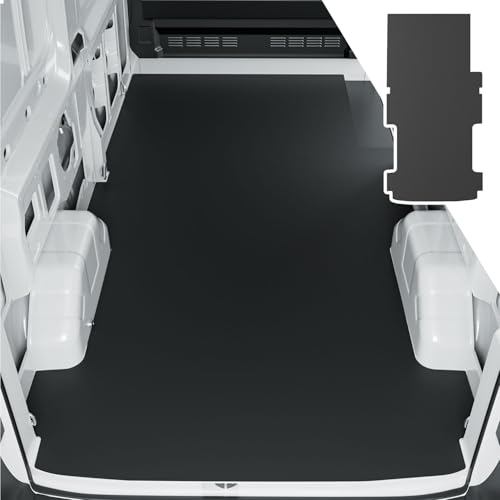
Body condition, cargo floor, and tires
Inspect the cargo floor for dents, rust, and patchwork repairs. Check tires for uneven wear, which can point to overloaded use, bad alignment, or suspension fatigue. Doors, latches, and hinges should operate cleanly because delivery work cycles them constantly.
Inspection points for fleet and used buyers
A common first-timer mistake is buying the biggest van on the lot because it looks future-proof. That often creates the wrong tradeoff: more fuel use, harder parking, and more empty space than the route can justify. A smaller, better-kept van is usually the smarter buy.
- Verify payload for the exact trim and roof height.
- Check service records for oil, transmission, and brake intervals.
- Inspect doors, floor, and cargo walls for delivery damage.
- Confirm charger access before choosing an EV.
- Compare expected downtime against the route’s daily revenue.
Frequently asked questions
What is the best vehicle for delivery drivers?
The best vehicle is the smallest one that fits the heaviest regular load. For many mixed routes, that means a midsize or full-size van. For lighter city work, a wagon, hatchback, SUV, or compact pickup can be the better business choice because it wastes less space and parks more easily.
Which delivery van has the best fuel economy?
Among the vans covered here, the Mercedes-Benz Sprinter posts the strongest real-world MPG at 19-21 in the cited range. The Ram ProMaster follows at 15-16 MPG, the Ford Transit at 14-17 MPG, and the Chevrolet Express / GMC Savana at 11-14 MPG.
What delivery vehicle has the highest payload capacity?
The Mercedes-Benz Sprinter has the highest payload range in this comparison, at 3,351-6,812 pounds. That makes it the strongest option when heavy freight is the limiting factor. The right trim still matters, so payload should be checked for the exact configuration before buying.
Is a gas, diesel, or electric van better for delivery work?
Diesel is usually the strongest choice for heavy loads and highway routes. Gas can be cheaper to buy and easier to service in some markets. Electric is best when routes are repeatable and charging is reliable. If charging is uncertain, a fuel van is usually the safer pick.
What size van is easiest to use for urban delivery routes?
The easiest urban vehicle is often the smallest one that still handles the load. For full-size vans, the Ram ProMaster is a strong city choice because its shape works well in tight curb space. For lighter routes, a compact van, wagon, or hatchback can be even easier.
What should I look for when buying a used delivery van?
Check payload, cargo floor condition, tire wear, door operation, and service records before anything else. Then compare price against expected maintenance and downtime. A used van with clean records and the right size for the route is usually better than a cheaper van that is too large or too worn.
Products related to this article
Sponsored / affiliate links. As an Amazon Associate I earn from qualifying purchases. I may earn additional commission from eligible campaigns.