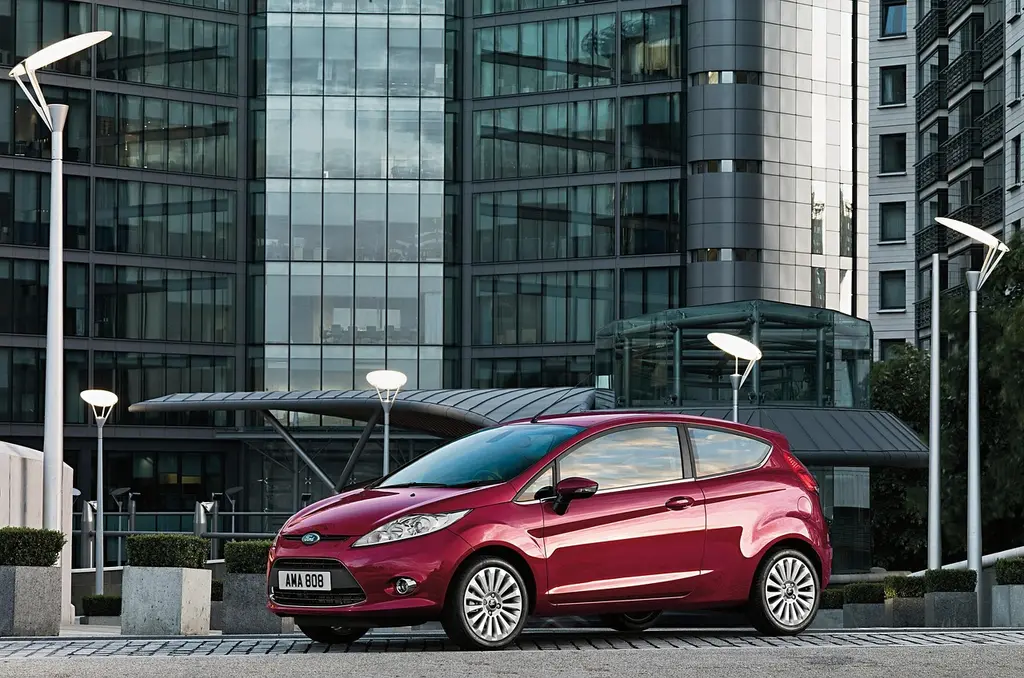
Sedan vs hatchback: which car should you buy for daily use?
Buy a hatchback if you haul bulky, tall, or awkward items and want easier rear-seat access; buy a sedan if your cargo is mostly flat bags and you prefer a separate trunk. Choose wrong, and you fight loading angles, waste rear seat space, or curse tight parking spots. This guide compares cargo shape, parking, and back-seat access so you can choose the body style that fits your real use.
This guide is part of our Vehicle types guide: body styles and categories series.
Sedan vs hatchback: the core trade-off
| Factor | Sedan | hatchback: which type of car should you buy | Winner |
|---|---|---|---|
| Cargo opening geometry | Lower trunk opening height; narrower access through a separate trunk lid | Large flip-up rear hatch; wider and taller opening through the liftgate | hatchback: which type of car should you buy |
| Bulky-item loading | Good for flat bags and small cases, but awkward for tall or oddly shaped items | Better for strollers, crates, boxes, garden supplies, and other awkward purchases | hatchback: which type of car should you buy |
| Passenger isolation | Cargo stays fully enclosed and separate from the cabin, helping with smell, noise, and messy cargo | More open connection to the cabin when seats are up; less sealed off by design | Sedan |
| City parking and maneuvering | Often easier if the body is shorter and the rear deck is tidy, but trunk overhang can make tight spots feel longer | Often easier to judge rear corners and the back of the car; more compact rear profile in dense parking | hatchback: which type of car should you buy |
| Family access | Rear-seat access can be tighter, especially with child seats, though the separate trunk keeps cargo out of the cabin | Easier to reach the rear area through the hatch and folding seats; often better for child seats and loading kids | hatchback: which type of car should you buy |
| Rear-seat headroom | Can be comfortable, especially in larger models, but the rear roof and deck shape may leave less room for taller passengers | Rear-seat headroom is often improved because the roofline can stay useful farther back | hatchback: which type of car should you buy |
| Noise, odor, and cabin calm | Better cabin isolation; helps keep groceries, sports gear, wet boots, and odor farther from passengers | Less separated from the cabin, which can be fine for many shoppers but less ideal for muddy gear or pet crates | Sedan |
| Long-item flexibility with folded seats | Can handle skis, trim boards, and some flat-pack pieces if rear seatbacks fold, but the smaller initial opening remains the bottleneck | Starts with a better access path and also gains fold-down seat flexibility for longer items | hatchback: which type of car should you buy |
| Best-fit use | Best when cargo is mostly flat bags, small cases, and you want a separate trunk | Best when you haul bulky, tall, or awkward items and want easier rear-seat access | Tie |
Cargo opening geometry
The opening matters more than the published cargo number when the item is long, tall, or awkward. A sedan trunk can look roomy on paper and still reject a stroller handle, a box edge, or a dog crate corner because the trunk opening height limits the path in.
A hatchback’s liftgate opens the rear cargo area in a wider, taller opening. That makes the loading angle friendlier, which is why the same suitcase, crate, or folded stroller usually goes in with less turning and fewer scraped knuckles.
Bulky-item loading
With a sedan, cargo often has to clear a low opening and then drop into a separate cavity. That works well for bags and cases, but it is a poor match for items that need to stay upright or slide straight in.
A hatchback is the easier shape for large boxes, garden supplies, and awkward purchases. If the rear seats fold, the usable space expands into the passenger compartment, which is why hatchbacks handle longer items better than a sedan of the same size.
Passenger isolation
A sedan keeps the trunk fully enclosed and separate from the cabin, which helps with smell, noise, and messy cargo. Groceries, sports gear, and wet boots stay farther from the people in front.
A hatchback is less sealed off by design. That tradeoff is fine for many shoppers, but it matters if you regularly carry muddy gear, pet crates, or anything with a strong odor.
What is the difference between a sedan and a hatchback?
A sedan is generally a passenger car with a three-box configuration, a separate trunk, and a fixed roof. A hatchback uses a two-box layout with a rear hatch door, so the cargo area opens through the liftgate instead of through a sealed trunk lid. (en.wikipedia.org)
Sedan basics
In common usage, a sedan usually has four doors, two rows of seats, and a trunk that stays separate from the cabin. Typical sedans also have a B-pillar supporting the roof, which is part of the closed body structure and helps create that distinct passenger-and-cargo split.
That layout is plain. Passengers sit in one compartment, cargo in another, and the engine in its own section at the front.
Hatchback basics
A hatchback is a passenger car with a rear hatch and cargo area accessible through that hatch. Many have fold-down rear seats, and older hatchbacks were often two- or four-door econoboxes, though modern versions can be far more polished.
The key difference is access. The liftgate makes the rear opening much larger, so loading and unloading is easier when the cargo is bulky or shaped badly.
Where fastback and sportback blur the line
Fastback and sportback models can confuse shoppers because they may look like sedans from the side and behave more like hatchbacks at the rear. Some use a sloping rear roof and a liftgate, so the shape reads as coupe-like even when the rear opening is hatch-style.
That is why body style should be checked by function, not badge language. Open the rear and see whether it is a true trunk lid or a full hatch.
Which body style carries cargo better?
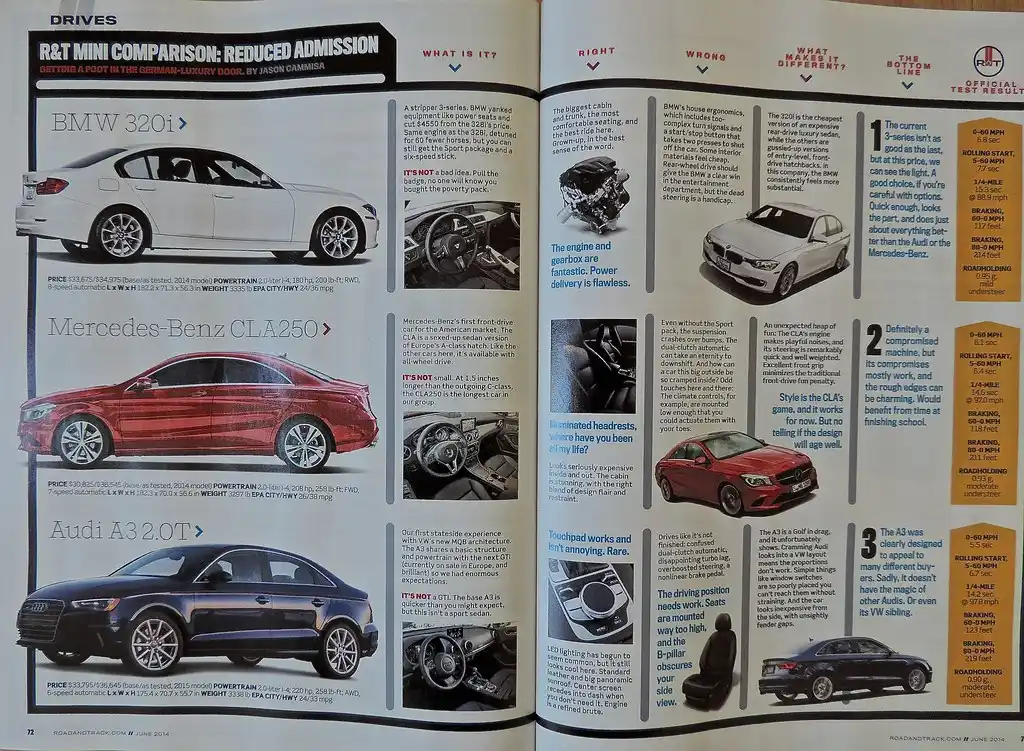
A hatchback carries awkward cargo better because the opening is larger and taller, which makes loading easier than forcing the item through a sedan trunk. A sedan can still be useful for long objects if the rear seatbacks fold, but the trunk opening itself remains the bottleneck.
Trunk opening height versus hatch opening height
This is the point most buyers miss. Car and Driver notes that sedans limit cargo by trunk opening height, while hatchbacks use a one-piece flip-up tailgate that gives the rear cargo area a much larger access path. (caranddriver.com)
For a square box, the shape of the opening can matter more than the number of cubic feet. A hatch can accept cargo that a deeper sedan trunk simply cannot receive without tilting or reorienting it.
How folding rear seats change the equation
Fold-down rear seatbacks can make a sedan much more practical. They let longer items pass through the cabin, so a sedan can handle skis, trim boards, and some flat-pack pieces that would otherwise be impossible.
Even so, the sedan still asks the item to pass through a smaller initial opening. A hatchback starts with a better access path, then gains the same fold-down advantage when the seats are lowered.
Real-world cargo-fit checklist
Use the item, not the brochure, to decide. The list below shows how cargo shape usually pushes the choice.
| Item | Sedan trunk | Hatchback | With seats folded | Best fit |
|---|---|---|---|---|
| Stroller | Sometimes, if compact and folded tightly | Usually yes, with less wrestling | Yes in both | Hatchback |
| Suitcase | Yes | Yes | Not needed | Tie |
| Golf bag | Often yes, if the trunk opening is generous | Yes, with easier angle management | Usually yes | Hatchback |
| Flat-pack furniture | Often no, unless it breaks down into short cartons | More likely, especially if the hatch opening is tall | Best chance in both | Hatchback |
| Dog crate | Usually difficult because of trunk height | Usually easier to load and secure | Yes if crate length fits | Hatchback |
| Bike wheel | Possible, but awkward | Usually easier to slide in upright or angled | Yes in both | Hatchback |
The checklist points to the same pattern every time: a sedan is fine for neat, compact cargo, while a hatchback wins when the item fights the opening. Cargo volume alone does not answer that problem.
Which body style is easier to park and drive in the city?
For city use, the right answer depends on body length, rear visibility, and how often the car has to squeeze into tight spaces. In many cases the differences are small, but a hatchback often feels easier to place because the rear end is shorter and the driver can judge the tail more quickly.
City parking and curb cuts
A sedan’s trunk adds rear overhang, which can make a narrow parking slot feel longer than it looks. That extra tail also matters when backing up to a curb or garage wall.
A hatchback usually has a more compact rear profile. In dense parking, that can reduce the stress of fitting between lines, posts, and shopping carts.
Rear visibility and maneuvering
Hatchbacks often make it easier to judge where the back of the car ends. The hatch shape can also make rear glass placement more useful when checking what is behind the vehicle.
Sedans can still be easy to drive, especially when the rear deck is tidy and the mirrors are good. The real issue is not the badge, but how much body is hanging behind the rear wheels.
How do they compare for passengers and family use?
For passengers, a hatchback often packages space better, while a sedan can feel calmer and more separated. If rear-seat comfort matters, the body style should be judged by headroom, seat access, and how often people are climbing in and out.
Rear-seat headroom and comfort
Because a hatchback’s roofline can stay useful farther back, rear-seat headroom is often improved. That matters for adults and for child seats that need a bit more vertical room during installation.
A sedan can still be comfortable, especially in larger models, but the rear roof and deck shape may leave less room for taller passengers. The cabin also tends to feel more isolated from luggage noise.
Child seats and loading kids
Child seats turn daily access into a repeat task. A hatchback often makes it easier to reach the rear area, stow diaper bags, and load bulky items beside a child seat base.
A sedan can work well for families, especially if the trunk keeps strollers and bags out of the cabin. The catch is access: getting objects in and out of the back seat can be more annoying, especially in tighter parking spaces.
When a sedan is calmer
The sedan’s separate trunk helps isolate luggage from passengers. That can reduce noise, odor, and visual clutter, which some families value on long drives.
If a quiet cabin matters more than cargo flexibility, the sedan keeps its appeal. If easy access and flexible loading matter more, the hatchback usually wins.
Do hatchbacks get better fuel economy than sedans?
Not automatically. Fuel economy is often influenced more by engine, weight, gearing, tires, and aerodynamics than by body style alone. A hatchback can be slightly less slippery through the air in some shapes, while a sedan can be slightly more efficient in others.
What body style changes, and what it does not
Body style changes how the rear end is packaged, not the laws of physics. A lighter hatchback trim can use less fuel than a heavier sedan, but that is a trim-to-trim comparison, not a body-style rule.
On the lot, compare the exact versions you are shopping. The badge shape tells you less than the actual powertrain and curb weight.
Are sedans or hatchbacks safer or more practical for families?
Neither body style is automatically safer. Safety depends on the specific vehicle design, crash structure, restraint systems, and child-seat fit. For family practicality, the better choice is the one that handles loading, rear-seat access, and daily gear without making every trip a chore.
Practicality for family life
A hatchback is easier when the family routine includes strollers, sports bags, coolers, and odd-shaped purchases. It also helps when kids are buckled in and the cargo area needs to be reached through the rear.
A sedan is better when you want the trunk to hide valuables, groceries, or messy gear. The separate compartment keeps the cabin cleaner and makes it harder for cargo to move into passenger space during daily use.
Theft visibility and winter use
A sedan can hide items better because the trunk is out of sight. That lowers the chance that a passerby sees laptops, bags, or shopping left in the rear.
For winter, the hatchback’s easier loading can help with bulky boots, snow gear, and ice scrapers. The sedan’s enclosed trunk still keeps slush and salt smell farther from the cabin, which some drivers prefer during long cold months.
Choose Sedan if… / Choose hatchback if…
Choose a sedan if your cargo is mostly flat bags, you want a fully enclosed trunk, and you care about hiding items from view. Choose a hatchback if you move tall, long, or oddly shaped items often, or if you want easier rear-seat access and less fuss when loading through tight openings.
Choose a sedan if…
- You want cargo isolated from passengers.
- You mostly carry groceries, laptops, briefcases, and suitcases.
- You park in public a lot and want items hidden in a separate trunk.
- You value a calmer cabin over cargo flexibility.
Choose a hatchback if…
- You haul strollers, crates, boxes, or flat-pack furniture.
- You need easier loading through a taller rear opening.
- You often fold the rear seats for long items.
- You want a small car that can imitate some small-SUV hauling tasks without buying an SUV.
Can a hatchback replace a small SUV for hauling items?
For light hauling, often yes. A hatchback can cover groceries, luggage, folding chairs, and many household items, especially with rear seats folded. It falls short when you need the higher ride height, all-weather cargo height, or upright volume of a small SUV.
What should I choose if I want a small car with good visibility and storage?
A hatchback is usually the cleaner answer. It gives better rear opening access, often better rear-seat packaging, and a more useful cargo area for odd-shaped items. If storage means hidden storage and a quieter cabin, a sedan can still be the smarter pick.
Frequently asked questions
What is the difference between a sedan and a hatchback?
A sedan has a separate trunk and a three-box layout, so passengers and cargo stay in different compartments. A hatchback has a rear hatch that opens into the cargo area, which makes loading easier and gives the car more flexible use of the rear space.
Which is better for cargo space, a sedan or a hatchback?
A hatchback is better for cargo space when the item is bulky, tall, or awkwardly shaped. A sedan can still carry plenty of luggage, but the trunk opening height limits what can actually fit through the opening, which matters more than headline volume for many items.
Is a hatchback or sedan better for daily commuting?
For commuting, both can work well. A sedan is often nicer if you want quieter cargo isolation and a cleaner cabin, while a hatchback is better if your commute includes errands, pickups, or regular hauling on the way home.
Do hatchbacks get better fuel economy than sedans?
Not by default. Fuel economy depends more on the engine, weight, gearing, and aerodynamics than on whether the rear opens as a trunk or a hatch. Compare the exact trim and drivetrain, not the body style alone.
Which body style is easier to park and drive in the city?
A hatchback often feels easier in tight city parking because the rear is shorter and the cargo opening is easier to judge. A sedan can still be just as easy if it is compact, but the rear overhang can make close-quarters parking less forgiving.
Can a hatchback replace a small SUV for hauling items?
For light hauling, yes, often it can. A hatchback handles groceries, suitcases, folded strollers, and many boxes well. It is not a full substitute for the higher cargo floor and upright volume of a small SUV when the load is tall or dirty.
Products related to this article
Sponsored / affiliate links. As an Amazon Associate I earn from qualifying purchases. I may earn additional commission from eligible campaigns.