Best Vehicle Type for Delivery Drivers
For most delivery drivers, a compact hatchback or small wagon is the best vehicle; choose a compact cargo van only when your route has bulky parcels, frequent multi-drop loads, or enough volume to justify higher fuel, tires, and parking costs. A poor fit wastes fuel, slows stops, adds parking tickets, and cuts route time. This guide compares vehicle types by stop density, package size, parking friction, and total operating cost.
Top pick by route
Best overall choice for dense city routes
For dense city work, a hatchback is usually the strongest default choice. It keeps maneuverability high, gives you more cargo room than a sedan, and stays easier to park near apartments, loading zones, and curbside drop points. Dense urban routes suit a small car, and that matters more than raw cargo volume when stops are close together.
A sedan can still work well for light parcels and food delivery, especially if the route is mostly envelopes, small bags, or single-item drop-offs. But once the load becomes variable, the hatchback’s rear hatch and fold-flat seating make it easier to fit a full stop without forcing a second trip.
When a larger vehicle becomes the better pick
Move up in size only when the route truly needs it. If you are handling bulky boxes, irregular package sizes, or a high daily volume that routinely fills a hatchback, then an SUV, wagon, minivan, or cargo van can make sense. Larger routes or bulky packages favor bigger vehicles, but that gain comes with more fuel use, harder parking, and slower movement in tight areas.
Quick picks for delivery work
Use route demands first, then choose the smallest vehicle that can handle the load without forcing repeat stops. That keeps operating cost down and reduces parking friction.
- Dense city food delivery: hatchback first, sedan second. Small size, quick parking, and low stop-to-stop delay matter most.
- Suburban parcel delivery: wagon, SUV, or minivan. Longer drives and mixed package sizes make cargo space more important.
- Mixed gig work: hatchback or small SUV. This is the middle ground when you see both food bags and moderate parcel volume.
Is a sedan or hatchback better for delivery work?
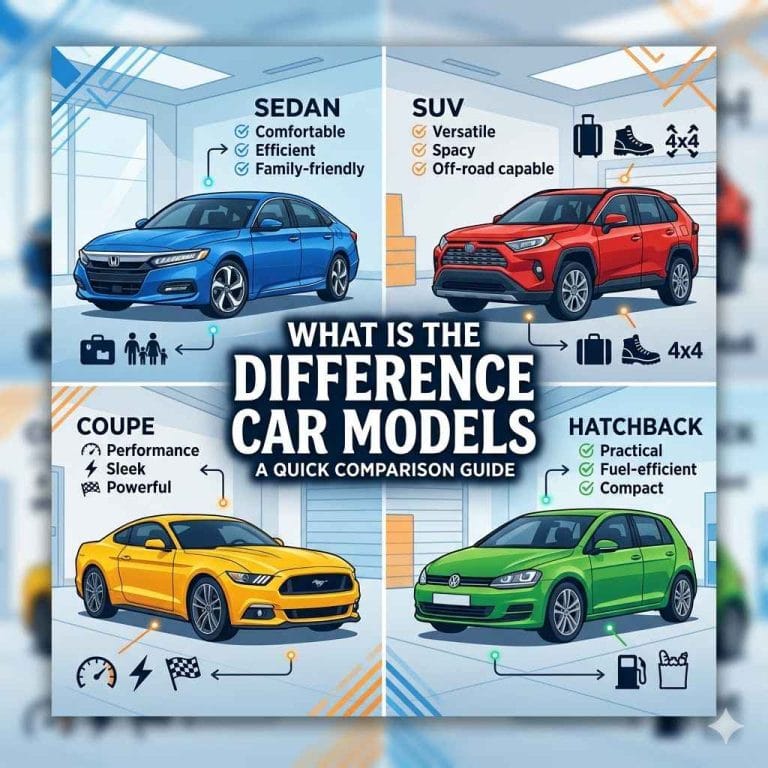
A hatchback is often better for delivery work because it can offer good maneuverability and more cargo flexibility than a sedan. A sedan still works for light parcel routes and dense urban areas, but its low to moderate cargo capacity can become a limit when stop loads vary during the day.
Sedan: light parcels and tight streets
Sedans offer low to moderate cargo capacity and high maneuverability. That makes them a good fit for dense urban food delivery, smaller envelopes, and routes where curb access is tight. They are easier to position in traffic and often less awkward in narrow parking gaps than larger vehicles.
If your job requires frequent back seat loading or tall boxes, the sedan becomes less efficient. A full stop load that barely fits can force sorting, stacking, or a second run, and that slows down every stop after the first tight one.
Hatchback: better cargo flexibility with similar maneuverability
Hatchbacks provide moderate cargo capacity and high maneuverability. That extra rear opening matters when you need to load insulated bags, medium parcels, or a mixed batch of small deliveries without giving up the easy parking and turning that city routes reward.
For many light-package drivers, a hatchback is the value choice because it avoids the size penalty of an SUV while giving you more practical cargo space than a sedan. The Volkswagen Golf is often cited as a fuel-efficient option with cargo room, which is exactly the kind of balance many route drivers need.
Are SUVs and vans worth it?
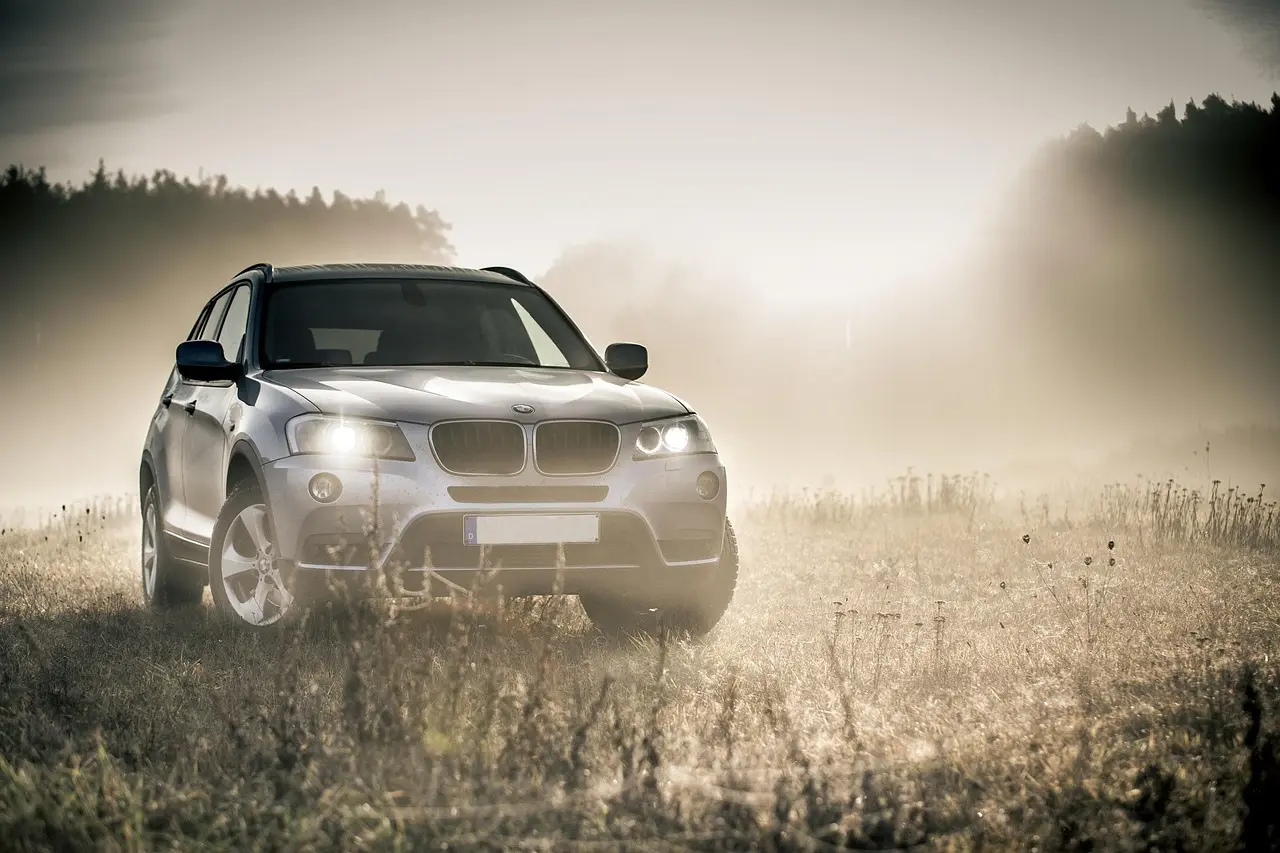
SUVs and vans are worth it when route volume, package size, or delivery shape makes cargo space more important than easy parking. They are not automatic upgrades. In the wrong route, they can add fuel cost, make loading slower, and increase the chance of parking friction without returning enough extra capacity.
SUV: useful middle ground for mixed package sizes
SUVs are described as best for moderate to high cargo capacity needs. That makes them useful when you carry a mix of parcel sizes, need a higher rear opening, or want more flexibility than a sedan or hatchback can provide. They can be a practical middle ground for mixed gig work.
The tradeoff is maneuverability. An SUV usually gives up some turning ease and parking comfort compared with a hatchback or sedan. It can also cost more to fuel, insure, and maintain. In routes with tight city parking and short stop spacing, that extra size often creates more delay than value.
Cargo van: best for bulky or high-volume routes
Cargo vans offer high cargo capacity with lower maneuverability. They make sense for bulky packages, high-volume routes, and delivery work where the route regularly fills the rear space of smaller vehicles. If you are moving large cases, stacked boxes, or repeated multi-drop loads, the van can save time by avoiding second trips.
A cargo van is overkill for low-volume routes with easy parking. You pay for that extra capacity in fuel, tires, visibility challenges, and slower curbside handling. If your daily load is a handful of small parcels, the van adds cost without reducing enough labor.
Wagon and minivan: practical alternatives between small cars and vans
Wagons and minivans sit between compact cars and cargo vans. A wagon is useful when you want car-like handling with more rear space. A minivan works well when your route needs easy cargo access, sliding doors, and a flatter load floor for mixed package shapes.
These options often make more sense than an SUV when the route is parcel-heavy but not van-heavy. They can offer better cargo organization and easier loading than a sedan while staying less cumbersome than a full cargo van.
What matters most in a delivery vehicle?
The most important features are cargo space, maneuverability, visibility, fuel efficiency, reliability, and maintenance cost. Comfort matters too, but it should come after the route basics. If the vehicle cannot fit the full stop load, park easily, and stay on the road, it is the wrong tool.
Cargo space versus package volume
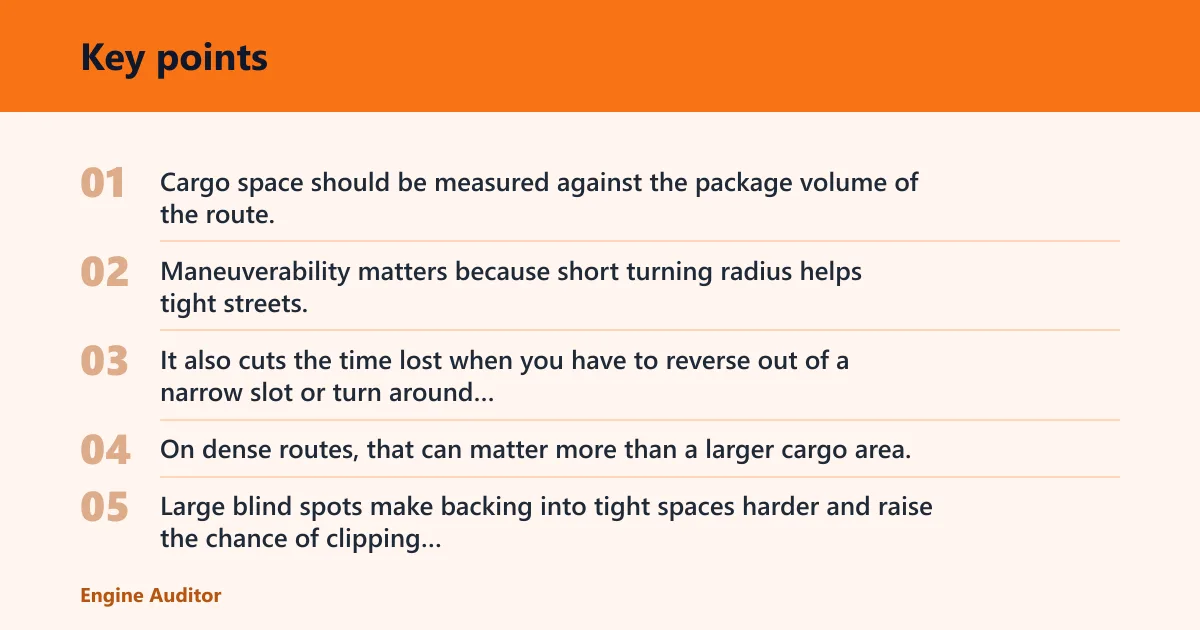
Cargo space should be measured against the package volume of the route, not against general assumptions about “big enough.” A vehicle that looks spacious may still require sorting, folding seats, or multiple trips once the full stop load is packed in. That is wasted time on every shift.
Maneuverability and parking friction
Maneuverability matters because short turning radius helps tight streets, reduces parking stress, and speeds up stops. It also cuts the time lost when you have to reverse out of a narrow slot or turn around in a crowded lot. On dense routes, that can matter more than a larger cargo area.
Visibility, safety, and curbside loading
Visibility affects both safety and speed. Large blind spots make backing into tight spaces harder and raise the chance of clipping curbs, posts, or parked cars. A vehicle with better outward visibility usually makes curbside loading less stressful and helps the driver read traffic gaps more quickly.
Fuel efficiency, reliability, and maintenance
Fuel efficiency matters most in stop-and-go driving because every mile and every idle minute adds to per-delivery cost. Reliability matters just as much, because downtime hurts earnings and repair bills can erase the benefit of cheaper fuel. Low maintenance and modest depreciation should outrank luxury features.
Hybrids and EVs can reduce fuel spend on urban routes, but they are not free savings. Higher upfront acquisition cost, charging downtime, route length, and cold-weather range loss all matter. A vehicle that needs mid-shift charging, or loses usable range in winter, can hurt route completion even if the energy cost is lower.
Delivery vehicle decision matrix
This matrix uses a simple 1 to 5 score, where 5 is best for that route factor and 1 is weakest. It is a route-fit tool, not a resale or purchase-price forecast.
| Vehicle type | Stop density | Package size | Parking difficulty | Daily mileage | Weather exposure | Ownership cost |
|---|---|---|---|---|---|---|
| Sedan | 5 | 2 | 5 | 4 | 3 | 4 |
| Hatchback | 5 | 3 | 5 | 4 | 3 | 4 |
| SUV | 3 | 4 | 3 | 3 | 4 | 3 |
| Wagon | 4 | 4 | 4 | 4 | 3 | 4 |
| Minivan | 2 | 5 | 2 | 3 | 4 | 3 |
| Cargo van | 1 | 5 | 1 | 2 | 4 | 2 |
Scenario recommendations
- Dense city food delivery: hatchback first, sedan if cargo needs stay very light.
- Suburban parcel delivery: wagon or SUV if loads vary, cargo van only if volume is consistently high.
- Mixed gig work: hatchback for most drivers, minivan if loading access and package mix favor more rear space.
Say your route is 30 short city stops with insulated food bags and a few small boxes. A hatchback usually beats an SUV because it parks faster, uses less fuel, and still fits the load. The SUV only becomes better if the package mix grows enough to create repeat trips.
Suppose your suburban route has longer drives between stops and several medium boxes each day. A wagon or minivan can be the smarter choice because cargo space starts to matter more than compact size. The route is already spread out, so the parking penalty is smaller than in downtown work.
How to choose the right vehicle
Start by checking whether the job requires a personal vehicle and what kind of insurance it requires. Standard car insurance does not cover deliveries, and hire and reward insurance is legally required for paid goods transport. That step matters before any vehicle comparison, because the wrong policy can stop the work entirely.
- List the route’s stop density and average package size.
- Check whether curb parking, loading zones, or apartment access are common problems.
- Estimate whether the full stop load fits in a sedan, hatchback, or wagon without a second trip.
- Compare fuel, maintenance, insurance, and depreciation before looking at comfort features.
- Choose gas, hybrid, or electric based on route length, charging access, and weather.
For urban routes, a hybrid can make sense because fuel use drops in stop-and-go driving. The Toyota Prius is rated at 51 city and 48 highway mpg, and the 2014 Hyundai Sonata Hybrid can get around 36 city and 40 highway mpg. Those numbers matter most when the route has many stops and little high-speed cruising.
EVs can work too, but route length and charging access decide whether they help or hurt. A 2017 Chevrolet Bolt EV was listed with an estimated 238-mile range, which is useful only if the route, weather, and charging plan leave enough margin. Cold-weather loss can trim that margin quickly.
For mixed driving, the 2014 Honda Accord is rated up to 27 city and 36 highway mpg, which shows why some drivers still choose a conventional sedan when they need a broader use case. A fuel-efficient car with adequate cargo room can be the better compromise when delivery is only part of its use.
Frequently asked questions
What is the best vehicle type for delivery drivers?
There is no single best vehicle for every delivery driver. For most light-package and city routes, a compact hatchback is the best starting point because it balances cargo room, maneuverability, and ownership cost. Cargo vans generally make sense when bulky loads or higher volume justify the extra cost and parking challenges.
Are SUVs good for delivery drivers?
SUVs can be good for mixed package sizes and routes that need more cargo space than a sedan can provide. They are less ideal in dense city work, where maneuverability and parking matter more. They also tend to cost more to fuel and may slow down curbside stops.
Should I use a cargo van for deliveries?
Use a cargo van only if your route regularly carries bulky items, high-volume loads, or repeated multi-drop packages that outgrow smaller vehicles. A van is usually too much for low-volume routes or easy parking areas. Its added capacity must save enough time to justify the higher operating cost.
What features matter most in a delivery vehicle?
Focus on cargo space, maneuverability, visibility, fuel efficiency, reliability, and maintenance cost. Comfort matters, but only after the route basics are covered. If the vehicle is hard to park, slow to load, or expensive to keep on the road, it is a poor delivery choice.
Can I deliver with my own car?
Yes, if the job allows personal vehicles and your insurance covers paid delivery work. Check that detail before accepting routes. Many drivers miss this step and assume standard personal auto insurance is enough, but delivery work often needs hire and reward coverage to be legal and valid.
What type of vehicle is best for dense city routes?
Dense city routes are usually best served by a hatchback or sedan, with the hatchback as the stronger all-around choice. Small cars are easier to park, turn, and load at the curb. They also reduce time lost to tight streets, which matters more than extra cargo room in city work.
What type of vehicle is best for high-volume delivery routes?
High-volume routes are best served by a cargo van or, in some cases, a minivan. The key is whether the route volume actually fills the space. If the load does not consistently require that capacity, a smaller vehicle will usually cost less and move faster through the route.
Products related to this article
Sponsored / affiliate links. As an Amazon Associate I earn from qualifying purchases. I may earn additional commission from eligible campaigns.