Best Vehicle Type for Winter Driving Conditions
For deep snow, unplowed roads, and rural drives, a body-on-frame SUV or pickup with high ground clearance is often the best vehicle type. For mostly plowed city and highway winter driving, a sedan or wagon with winter tires is usually the smarter choice. Pick wrong and you get stuck starts, longer stops, less clearance, and more winter strain. This guide matches body style to snow depth, road quality, and daily use.
Why road surface beats season when choosing a winter vehicle



The best vehicle type changes with the surface under the tires, not with the calendar. Packed snow and slush call for traction and steady braking. Ice and mountain grades can raise the value of AWD or 4WD, but winter tires are commonly said to matter more than either. Deep snow and rough, unplowed roads put ground clearance and underbody room ahead of low ride height.
High latitudes and mountain passes are the hardest use cases. Slippery roads sharply raise crash and skid risk, and black ice can look like normal pavement. That means the safe choice is the vehicle that fits your road conditions first, then adds the right drivetrain and tires.
Winter vehicle decision table
| Condition | Best body style | Why it fits | When this body style fails |
|---|---|---|---|
| Packed snow, slush, mostly plowed roads | Sedan or wagon | Lower center of gravity, easier parking, better handling feel on cleared roads, especially with winter tires and AWD | Fails in deeper snowbanks, curb ruts, and driveway drifts where low clearance scrapes or hangs up |
| Ice, hills, frequent stop-and-go | Wagon, crossover, or sedan with AWD | AWD helps get moving on slick roads, and car-like body control can feel stable in city traffic | Fails if the tires are all-season and the route has long icy grades; drivetrain cannot fix poor tire grip |
| Deep snow, unplowed roads, rural lanes | SUV or pickup with high ground clearance | Extra clearance helps avoid plowing the front bumper and dragging the underside; 4WD suits steep grades and deeper accumulation | Fails if the bed is empty on a pickup, or if clearance is high but tires and speed choice are poor |
| Apartment garage, tight city parking, low curb cuts | Sedan or compact crossover | Lower height makes fit easier in garages and compact spaces; easier to live with day to day | Fails when snowbanks build up after storms and the car lacks enough clearance to clear the ruts |
| Mountain commute, mixed pavement, long winter season | Compact SUV or AWD wagon | Balances traction, clearance, and parking ease better than a large truck or tall midsize SUV | Fails if you choose height alone and ignore tire quality, braking distance, and winter visibility |
Use the table as a filter. If your route is plowed early and often, a lower vehicle can be the better winter tool. If your route includes rutted driveways, steep grades, or snow that sits for days, a higher-riding body style starts to make more sense.
Say your commute is about 14 miles of city streets and a freeway, with garage parking and regular plowing. A sedan with winter tires can be a cleaner fit than a tall SUV, because it is easier to park, easier to keep stable on cleared pavement, and less awkward in tight garages.
Is an SUV better than a sedan?
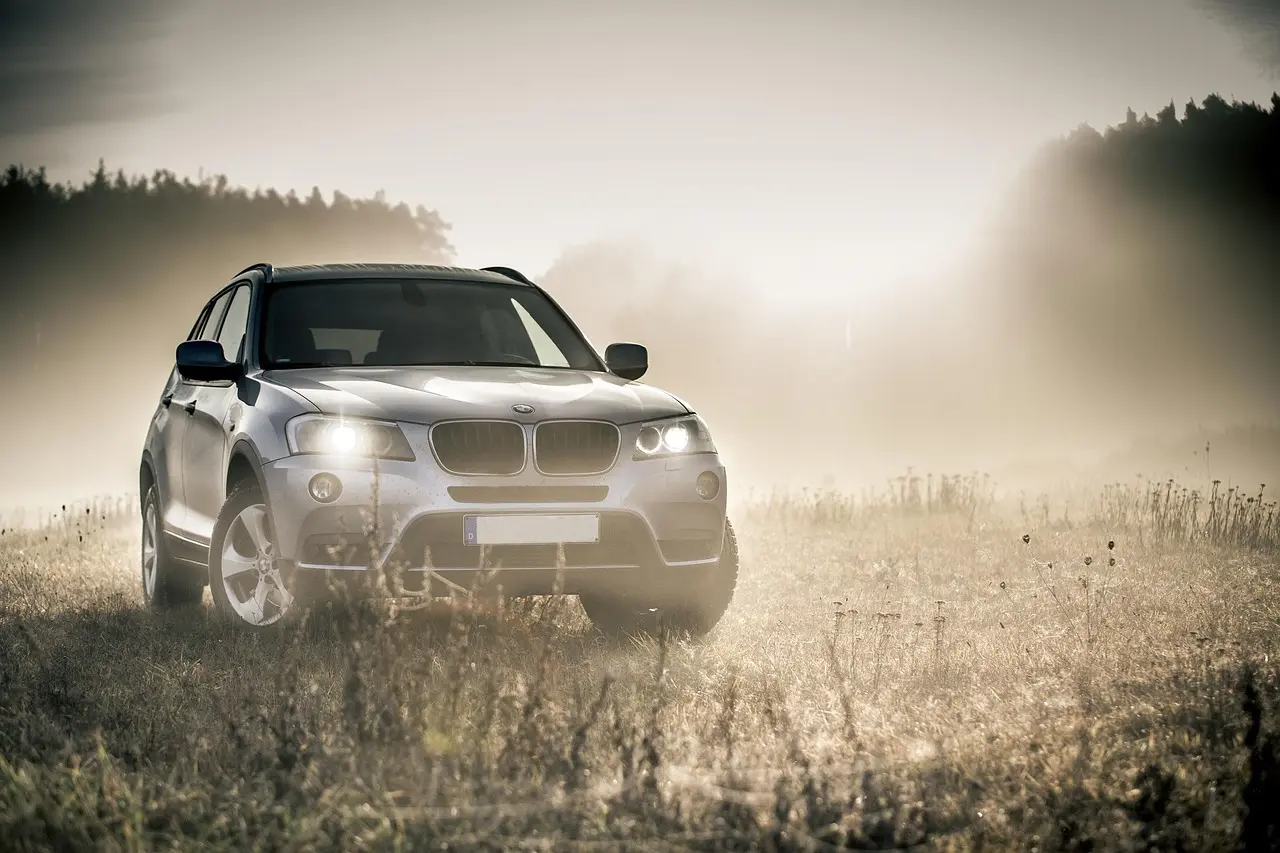
An SUV is better than a sedan for winter only when the route rewards ride height and available 4WD or AWD. On deep snow, slush piles, rutted shoulders, and steep driveways, an SUV’s extra clearance helps. On plowed urban streets, a sedan with winter tires can brake and turn just as well, sometimes better.
Why SUVs fit deep snow and rutted roads
SUVs usually sit higher, so the body and front bumper are less likely to drag through snow ridges. That matters when snowfall stacks up before plows arrive. AWD and 4WD are also common, which helps on slick starts and on grades where one axle may lose grip.
That advantage is practical, not magical. A tall SUV still needs proper tires, careful speed, and more stopping room on ice. The extra height can also make parking more annoying in low garages and tight city lots.
Where sedans still work well
A sedan can be a very good winter choice when roads are plowed, commute speeds are moderate, and parking is tight. Many sedans are available with AWD, and winter tires make a far larger difference than body style alone on packed snow and ice. The lower center of gravity can help the car feel settled on cleared pavement.
The sedan loses ground in deeper snow because its lower body can scrape sooner. That is the failure point, not a lack of winter intent. If your driveway gets drifted shut or your block keeps a ridge of compacted snow near the curb, the sedan becomes harder to live with.
Size, fuel economy, and parking tradeoffs
Compact SUVs often make the best compromise for winter buyers who need clearance but do not want a large footprint. Midsize SUVs add space and a more substantial feel, but they usually cost more to fuel and are harder to park. Bigger does not always mean better on winter city streets.
That tradeoff matters in a garage with a low height limit or a narrow entrance. A vehicle that fits your parking space and your road conditions is a better winter decision than one that only looks capable on paper.
Compact versus midsize SUVs
A subcompact or compact SUV fits the buyer who wants winter traction help, some clearance, and easy parking. A midsize SUV makes more sense when the route is longer, passengers are frequent, or snowpack is deeper. Both can be winter-friendly, but the larger one is not automatically safer or easier to control.
Ground clearance varies by trim. Winter-ready models can include all-wheel drive and up to seven inches of ground clearance, while the Ford Bronco Sport has ground clearances from 7.8 inches to 8.8 inches depending on trim. The Subaru Forester Hybrid has an 8.7-inch ground clearance. Those figures matter because the snow has to go somewhere.
Are wagons good in snow?
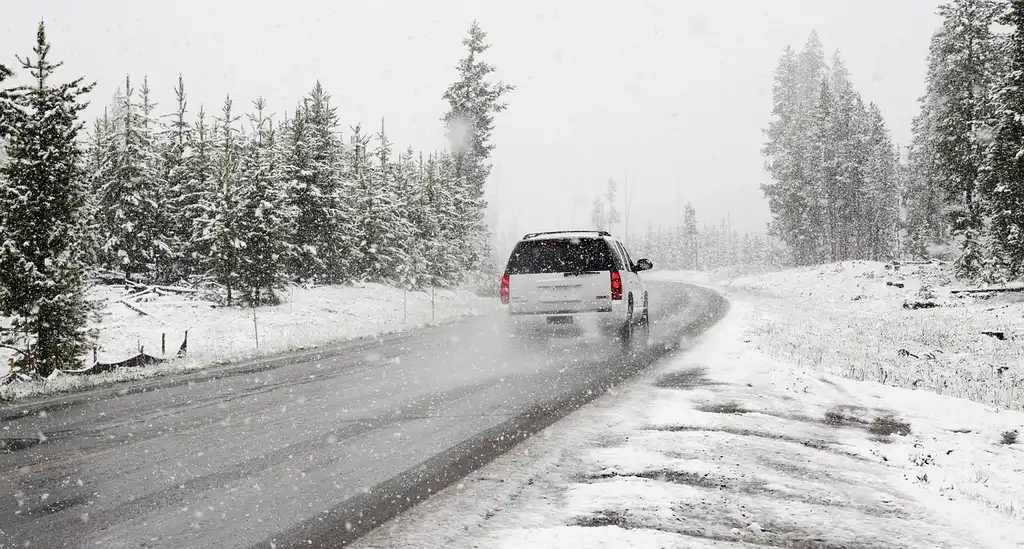
Yes, wagons can be very good in snow when they are set up correctly. They sit lower than SUVs, which helps with handling feel, parking, and roof-height limits, but many wagons offer AWD and winter-oriented trims. They are a strong choice for drivers who want car-like behavior with more cargo room than a sedan.
Why wagons can feel stable in winter
A wagon often feels more settled than a tall SUV on plowed or partially plowed roads because its center of gravity is lower. That helps in crosswinds, on slick lane changes, and in parking structures where height matters. It is a sensible winter shape when the snow is frequent but not deep enough to demand a tall ride height.
Suppose two drivers face the same 8-mile suburban commute after a light storm. One uses a wagon with winter tires and AWD; the other uses a taller SUV on all-season tires. The wagon can still be the better winter tool, because tire grip and balanced road manners matter more than height alone on cleared roads.
AWD wagons and winter-ready trims
AWD is common in winter-ready wagons, and some trims add mild off-road tuning or extra ground clearance. The Volvo V60 Cross Country uses standard all-wheel drive. That is the kind of setup that works well for drivers who need cargo room without stepping up to a full-size SUV.
One useful example is the Mercedes E-Class All-Terrain, which has 33.1 cubic feet of space behind the second row. The sedan version of the Mercedes E-Class has a 12.7-cubic-foot trunk. That gap shows why a wagon body can solve winter packing problems without moving all the way to an SUV.
Cargo space for skis and gear
Wagons usually handle ski bags, boots, and snowboards better than sedans because the load area is longer and easier to shape around awkward gear. Fold the rear seats and the space grows further. The Subaru Forester Hybrid has 69.1 cubic feet of storage with rear seats lowered, which shows how much winter gear a higher-riding vehicle can carry when needed.
For drivers who travel with wet jackets, helmets, or an extra set of boots, cargo room is not a luxury detail. It changes how often the cabin stays clean and how easily the vehicle handles road-trip equipment.
Where a wagon falls short
A wagon falls short when snow is deep enough to bury the lower body or when roads are unplowed for long stretches. It also gives up some clearance to an SUV, so it is more likely to scrape on snow ridges and driveway lips. In those situations, the wagon’s handling advantage does not replace the need for height.
Do you need AWD or 4WD?
You need AWD or 4WD when your winter driving includes slick starts, hill climbs, or inconsistent surfaces, but neither one replaces winter tires. AWD is the better fit for mixed winter use and slippery roads. 4WD is the stronger choice for deeper snow, steeper grades, and trucks or SUVs that need extra low-speed traction.
AWD for slick roads and mixed winter use
All-wheel drive helps a vehicle find grip when one axle starts to slip, which is useful on icy intersections and wet-to-frozen pavement. It is common on sedans, wagons, and crossovers, so you do not have to buy a tall SUV to get winter traction help. That makes AWD the broadest winter option.
But AWD is not a braking system. It helps you move, not stop. On glare ice or black ice, the tires and the road surface decide most of the result.
4WD for deep snow and steep grades
Four-wheel drive is common in SUVs and trucks, and it is better suited to deep snow or steep mountain grades where low-speed traction matters most. If your route involves a plowed road that turns into a snowed-in driveway or a rutted climb, 4WD can be the more useful tool.
Even then, the vehicle still needs winter tires. A 4WD pickup on all-season tires can still slide, especially when empty in the bed and braking downhill on packed snow.
Why drivetrain is not enough by itself
Drivetrain helps you start moving, but winter driving depends just as much on tire compound, braking distance, and where the vehicle scrapes. A high-clearance SUV with poor tires can still get stuck. A sedan with winter tires can stop and steer better than a taller vehicle wearing the wrong rubber.
A common first-timer mistake is to buy the highest-riding vehicle on the lot and leave it on all-season tires through the first storm. That setup may move off the line better than a low car, but it still loses the main grip advantage that winter tires are designed to provide.
FWD as a workable option
Front-wheel drive can be a workable winter choice in urban and suburban use, especially with winter tires and sensible speed. It is common on many cars, and it can do well on plowed roads because the driven wheels carry engine weight and help pull the car forward.
Its limits show up in deeper snow and steep starts. FWD can be enough for many commuters, but it is not the right answer for unplowed rural roads or repeated snowbank crossings.
What matters more than drivetrain?
Winter tires matter more than drivetrain alone for serious snow and ice. Ground clearance comes next when the route gets deeper, rougher, or more rutted. After that, weight distribution, braking feel, and winter comfort features help, but they should never be treated as substitutes for traction or clearance.
Winter tires as the first separate purchase
Winter tires are the first upgrade to consider because they improve grip, steering, and braking in cold conditions far more than a drivetrain badge can. For drivers who face serious snow or frequent ice, winter tires are the cleanest way to improve a vehicle’s winter behavior without changing the vehicle type.
If the choice is between AWD on all-season tires and FWD on winter tires, the second setup can be the safer winter decision in many plowed-road scenarios. That is why body style, tires, and road type need to be judged together.
Ground clearance and approach over snow
Ground clearance helps the vehicle travel over packed snow, ruts, and deeper accumulation without dragging the underbody. It also reduces the chance of snow building up under the bumper or around the wheels. The Ford Bronco Sport’s roughly 7.8-inch to 8.8-inch range and the Subaru Forester Hybrid’s 8.7 inches can help show why height matters in hard winter use.
Still, clearance is not a free pass. A tall vehicle can float over snow better, but it can also feel less settled in crosswinds and take more space in garages and parking decks.
Weight, braking, and steering feel
Heavier vehicles often feel more planted in some conditions, but they can also need more room to stop on slippery pavement. Winter driving is not only about getting moving. It is also about slowing down, turning predictably, and keeping the vehicle in the lane when visibility drops.
That is why a lower sedan or wagon can make sense on well-plowed routes. Less height, better road feel, and winter tires may be a stronger combination than sheer bulk.
Heated seats and heated steering wheel
Heated seats and a heated steering wheel are useful winter comfort features, especially on short trips and early starts. They can make a cold cabin easier to live with. They do not improve traction, stopping distance, or steering control, so they should be treated as comfort items only.
If a trim package adds these features along with AWD, that can be a nice bonus. The bonus is comfort, not capability.
Frequently asked questions
What is the best vehicle type for winter driving conditions?
The best vehicle type depends on the route. For deep snow, unplowed roads, and rural grades, a high-clearance SUV or pickup is usually the best fit. For plowed city and highway driving, a sedan or wagon with winter tires is often the smarter choice because it parks easier and handles more cleanly.
Is an SUV better than a sedan for snow?
An SUV is better than a sedan when the snow is deep enough to reward extra ground clearance or when the route includes ruts, banks, or steep driveways. On mostly plowed roads, a sedan with winter tires can be equally sensible and sometimes easier to live with in tight parking.
Do I need all-wheel drive or four-wheel drive for winter?
You need AWD or 4WD if your winter route is slick, hilly, or unplowed often, but the right tires still matter more. AWD is the better all-around fit for mixed winter use. 4WD is more useful for deep snow and steep grades, especially in SUVs and trucks.
Is ground clearance more important than AWD in winter?
It depends on the road. Ground clearance matters more in deep snow, rutted roads, and unplowed driveways. AWD matters more on slick paved roads and mixed conditions. For many winter drivers, the best answer is neither one alone but a sensible body style with winter tires.
What tires are best for winter driving?
Winter tires are the best tires for serious snow and ice because they are designed for cold traction, steering, and braking. They matter more than drivetrain alone. A vehicle with AWD or 4WD on all-season tires can still struggle, while a lower vehicle on winter tires may perform better on plowed roads.
Can a front-wheel-drive car be good in snow?
Yes, a front-wheel-drive car can be good in snow if roads are plowed and it wears winter tires. FWD is common, predictable, and often enough for city and suburban winter use. Its limits appear in deep snow, steep driveways, and conditions where extra clearance matters.
What vehicle features matter most for icy roads?
Winter tires matter most, then traction help from AWD or 4WD if the route is slick or hilly. Good ground clearance helps in deep snow, while heated seats and a heated steering wheel add comfort only. On icy roads, the main goals are grip, braking room, and stable steering.
Products related to this article
Sponsored / affiliate links. As an Amazon Associate I earn from qualifying purchases. I may earn additional commission from eligible campaigns.