SUV vs crossover: which vehicle type fits your needs?
Choose a crossover for commuting, parking, and most family duty. Choose an SUV if you need body-on-frame towing, rough roads, or frequent heavy cargo. Pick wrong and you feel it every week in fuel use, parking stress, and towing or cargo limits. This guide maps commute, cargo, towing, parking, and passenger access to the better choice.
This guide is part of our Vehicle types guide: body styles and categories series.
SUV vs crossover: the core trade-off
The split gets clear once you look at the week, not the badge. SUVs usually bring more mass, more towing headroom, and more tolerance for broken pavement; crossovers usually bring easier driving, lower fuel use, and less parking pain.
I see the mistake often. People compare names, then live with the wrong vehicle. A compact crossover and a full-size SUV can both move a family, but they solve different jobs.
| Decision factor | SUV | crossover: which vehicle type fits your needs | Winner |
|---|---|---|---|
| Towing and hauling | Often higher capacity; some models exceed 9,000 lbs | Usually under 3,500 lbs | SUV |
| Fuel use | Typically higher because of size and weight | Usually lower because lighter unibody builds need less energy to move | crossover: which vehicle type fits your needs |
| Parking and city use | Harder in tight garages and curbside spaces | Easier to park and maneuver in daily traffic | crossover: which vehicle type fits your needs |
| Passenger and cargo room | Often larger cabins; some include a third row | Flexible cargo area, usually with fold-flat seating | SUV |
| Ride height and rough-road confidence | Higher stance and more ground clearance are common | Lower stance, better for pavement and light duty | SUV |
Towing and hauling
This row is where the gap stops being subtle. If the trailer, boat, or loaded utility run matters more than mpg, an SUV usually wins because the platform and drivetrain are built for that strain.
If the trailer is light and rare, a crossover can still fit the job. Once the load gets heavy, the SUV’s extra capacity stops looking like extra and starts looking like safety margin.
Fuel use
Crossovers usually consume less fuel because lighter unibody construction keeps weight down and the body behaves more like a car. That matters every week, not just on road trips.
A larger crossover can narrow the gap. A three-row crossover or an AWD model packed with options can give back much of that fuel edge, so size matters as much as the badge.
Parking and city use
Daily parking is one of the most repeated headaches. In tight garages, narrow street spaces, and quick curbside stops, a crossover is usually the calmer choice.
An SUV can feel fine on open roads and then turn awkward in a crowded grocery lot. The extra length and height show up everywhere, especially when parallel parking or backing into a short space.
Passenger and cargo room
SUVs often win when the cabin has to do real work. Many offer more passenger room, and some full-size models add a third row that a crossover may not match as easily.
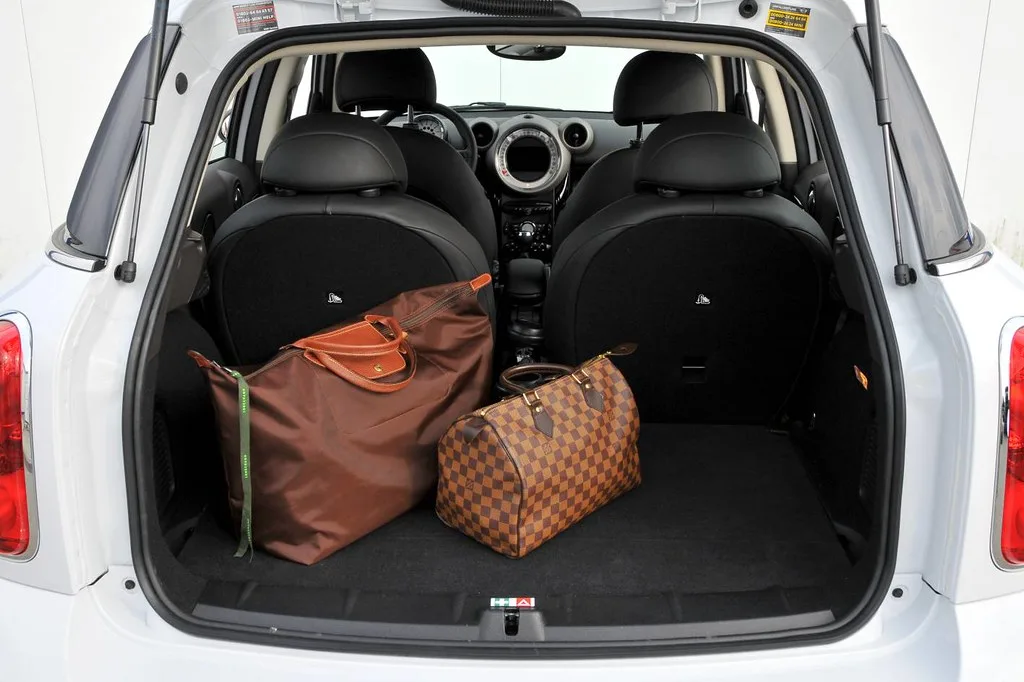
Crossovers still work well for strollers, backpacks, and folded luggage because their cargo floors are usually lower and easier to reach. That lower lift-over height matters more than people expect after a few years of weekly loading.
According to cars.usnews.com — The 2026 Ford Bronco Sport is positioned as a compact crossover with off-road capability.
What is the difference between an SUV and a crossover?
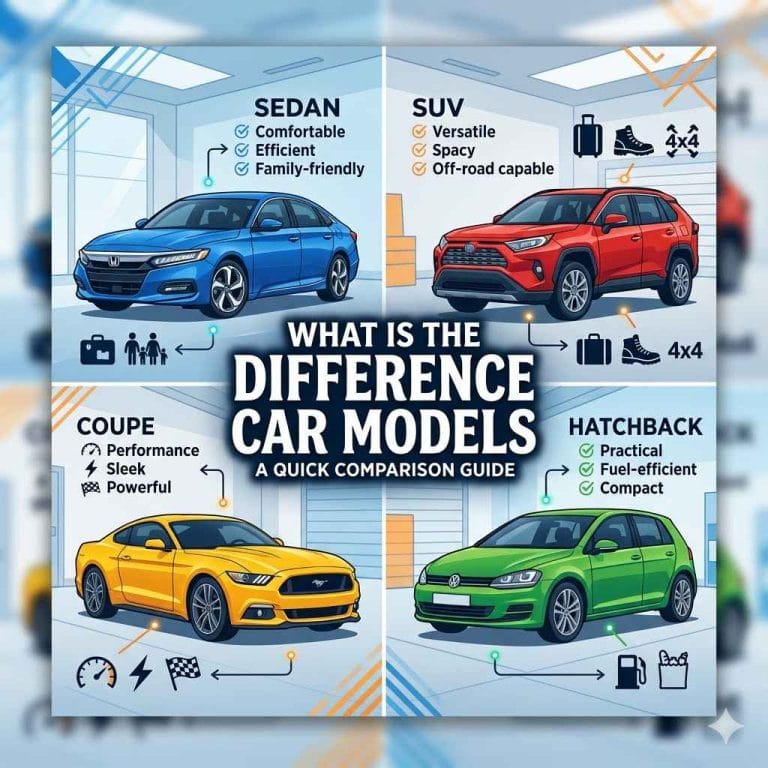
An SUV is usually the heavier, more truck-like option, often built on a body-on-frame platform and aimed at towing, hauling, and rougher use. A crossover is usually built on a unibody platform, so it feels more car-like on pavement, uses less fuel, and is easier to park.
Body-on-frame versus unibody
Body-on-frame means the body sits on a separate chassis, the way many trucks do. That layout is tied to strength and durability, and it often supports higher towing and off-road capability.
Unibody means the body and frame are built as one structure. That usually cuts weight, improves ride comfort, and helps fuel economy. It also tends to make the vehicle feel less truck-like in the city.
Is a crossover considered an SUV?
Usually yes in showroom language, though the categories are not the same underneath. A crossover sits in the SUV family from a shopper’s point of view, but it is built more like a car than a truck.
Mitsubishi describes the crossover versus SUV difference as category comparison content, and that is the practical way to read it. For buying decisions, the structure and weekly use matter more than the label on the window sticker.
Which is better for daily driving: SUV or crossover?
For most daily driving, a crossover is the easier choice because it parks better, feels less bulky in traffic, and usually asks less from the fuel tank. An SUV makes more sense when daily use includes trailers, frequent full passenger loads, or rough access roads.
City parking and tight garages
This is where shoppers feel the difference right away. Crossovers are usually easier to fit into compact parking spaces and easier to turn around in narrow lots.
Higher ride height is nice for seeing over traffic, but it also raises the step-in height. That can be a nuisance for smaller children, older riders, and anyone with mobility limits.
Commute comfort and stop-and-go traffic
Crossovers usually ride and steer more like the cars many drivers already know. That makes stop-and-go traffic less tiring because the vehicle is lighter, lower, and less demanding at low speed.
An SUV can still be comfortable, but its extra size tends to show up in steering weight, braking feel, and the effort needed in daily lane changes. The bigger the SUV, the more that matters.
Child-seat loading and step-in height
Families often focus on the wrong number and miss the daily nuisance. A lower cargo floor and lower rear seat height can make child-seat loading far easier, especially when one hand is already busy.
That is also why many caregivers prefer crossovers for toddlers and boosters. An SUV may give more room once everyone is inside, but the climb in and out can be harder on the adults doing the lifting.
Are crossovers more fuel efficient than SUVs?
Yes, crossovers usually are more fuel efficient than SUVs because they are lighter and built on unibody platforms that need less energy to move. The advantage is strongest in city use, where stop-and-go driving punishes heavier vehicles.
Why size and weight matter
More vehicle means more mass to accelerate and more mass to stop. That is true on paper and in weekly fuel use, especially when the route includes repeated traffic lights and short trips.
Drivetrain also matters. An AWD crossover can use more fuel than a basic FWD version, and a large SUV with 4WD or RWD may give back some efficiency to the size and capability it provides.
When the mpg gap shrinks
The gap shrinks when the crossover grows into a larger, heavier model or gets loaded with passengers and cargo every day. A three-row crossover that is always full can lose much of its fuel-economy advantage over a midsize SUV.
That is why the badge alone is a poor guide. The real question is how much mass you carry, how often you drive in traffic, and whether capability or economy is the larger weekly cost.
Do SUVs have better towing capacity than crossovers?
Yes. SUVs usually have better towing capacity than crossovers, and that is one of the clearest decision thresholds in this comparison. If towing is routine or the trailer is heavy, the SUV is usually the safer and more sensible choice.
Towing thresholds that change the answer
Crossovers are often kept below about 3,500 lbs of towing capacity. That is enough for small trailers, light boats, or occasional utility work, but it is not the right zone for frequent heavy loads.
SUVs can exceed 9,000 lbs in some cases. Once the trailer starts pushing past light-duty territory, the heavier platform, stronger chassis, and more capable drivetrain become the reason to shop SUV first.
4WD, AWD, and RWD in plain language
SUVs often use 4WD or RWD. That setup is common in vehicles built for towing, traction, and rougher surfaces because the system is designed around load and grip.
Crossovers often use FWD or AWD. FWD is efficient and predictable in normal driving, while AWD helps with traction in rain, snow, or gravel without turning the vehicle into a true tow-focused rig.
Ground clearance and rough-road confidence
Higher ride height helps visibility and can keep the underbody farther from ruts, rocks, and broken pavement. That is useful on country roads, job sites, and trailheads with lousy approaches.
Crossovers can handle dirt roads and light trail use, but they should not be sold as substitutes for a real off-road or heavy-tow SUV. The limit shows up fast when the surface gets loose or the load gets serious.
Which vehicle type is better for families: SUV or crossover?

For most families, a crossover is the better first look because it is easier to live with every day, offers flexible cargo space, and usually handles child-seat duty without drama. An SUV is better when the family is large, the gear pile is constant, or a third row is needed often.
Cabin volume and seating
SUVs often have larger cabins, and many offer third-row seating. That matters if the family routinely carries grandparents, carpool riders, or sports teammates.
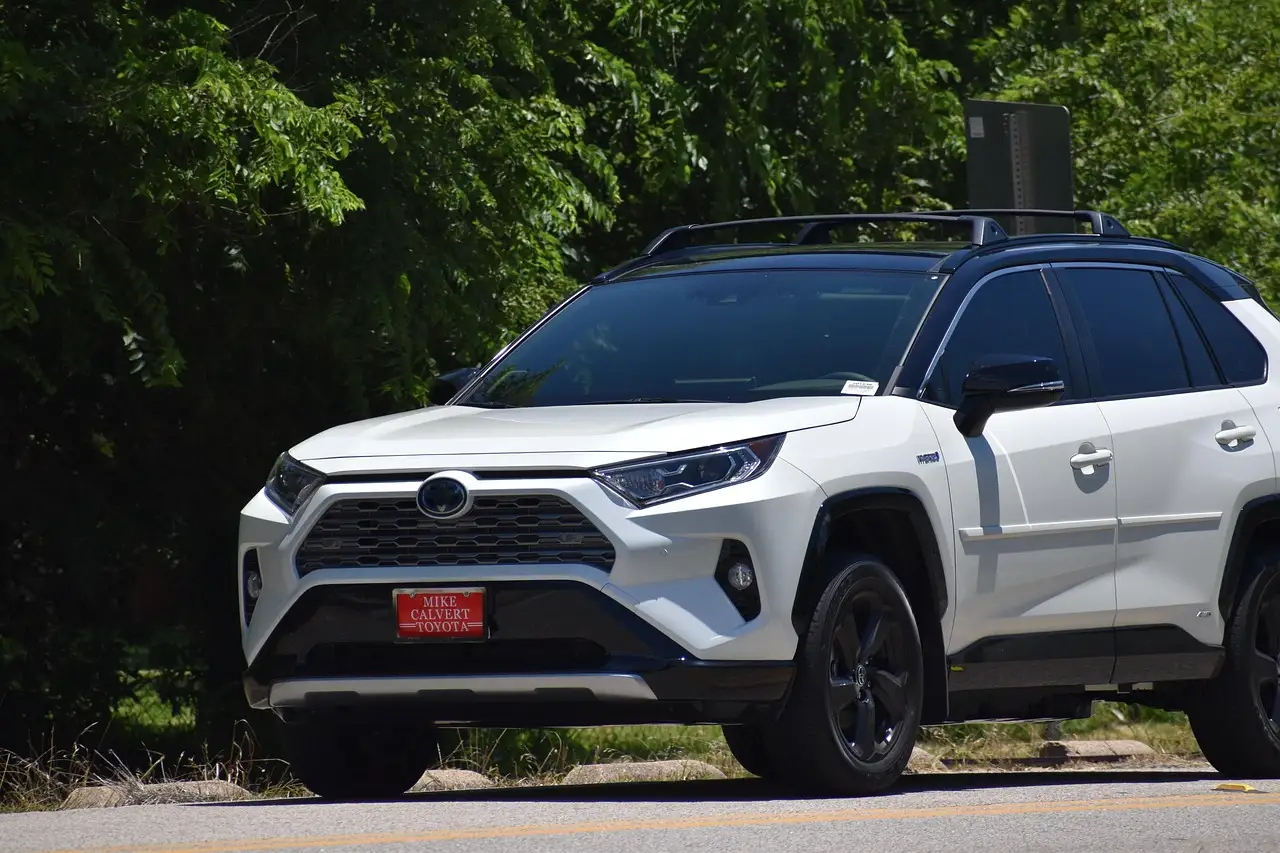
Crossovers can still be family-friendly, and the 2026 Honda CR-V is described as roomy, practical, family-friendly, and fuel-efficient. That is the profile many shoppers actually want for school runs and weekend errands.
Cargo floor height and loading effort
Families load awkward things all the time. Groceries, strollers, backpacks, coolers, and folding chairs all feel different when the cargo floor is too high.
Crossovers usually make that loading easier because the lift-over height is lower. SUVs can carry more, but the extra height can make the loading motion awkward after a long day.
Compact crossover versus midsize SUV versus full-size SUV
Compact crossovers can fit commuters and smaller families who want space without bulk. The 2026 Hyundai Tucson is a compact SUV, and the 2026 Mazda CX-5 sits in a similar money band with an MSRP range of $29,990 to $38,990.
A midsize SUV fits growing families that need more room and occasional towing. A full-size SUV fits the group that regularly hauls people, gear, or both. The 2026 Ford Expedition is a full-size SUV, and that tells you the class is aimed at serious space rather than easy parking.
One-page decision matrix for weekly use
This matrix is built for shopping, not theory. Score each scenario from 1 to 5 on the factors you care about, then compare the final recommendation to your real weekly routine.
| Buyer scenario | Parking ease | Fuel use | Cargo flexibility | Towing need | Passenger access | Rough-road confidence | Final recommendation |
|---|---|---|---|---|---|---|---|
| Solo city commuter | 5 | 5 | 2 | 1 | 3 | 2 | Crossover |
| Suburban family with two child seats | 4 | 4 | 4 | 1 | 5 | 2 | Crossover |
| Road-tripper with luggage and passengers | 3 | 3 | 5 | 2 | 4 | 3 | SUV if the third row or cargo space is needed often |
| Light tow user with a small trailer or boat | 2 | 3 | 4 | 5 | 3 | 4 | SUV |
| Driver who wants higher ride height for rural roads | 3 | 4 | 3 | 1 | 4 | 5 | SUV or compact crossover with AWD, based on trail severity |
How to read the matrix
If parking and fuel use score highest, the crossover wins almost every time. If towing need or rough-road confidence dominates, the SUV starts to pull ahead even when daily errands are less convenient.
The third row is the one many shoppers miss. A road-trip family can justify an SUV when luggage, passengers, and seating flexibility matter more than parking convenience.
Choose SUV if… / Choose crossover if…
Choose an SUV if you tow a trailer, boat, or camper with any regularity; if you need a third row; if your roads are rough enough to punish lower vehicles; or if cargo and passenger room matter more than fuel use and parking ease.
Choose a crossover if you spend most weeks in traffic, garages, and school pickup lanes; if you want lower fuel use; if child-seat loading matters more than maximum capacity; or if you want cargo room without a bulky vehicle.
For many shoppers, the deciding line is simple. If the heaviest thing you move is people and groceries, the crossover is usually the better fit. If the vehicle must pull, haul, or shrug off ugly surfaces, the SUV is the safer bet.
Frequently asked questions
What is the difference between an SUV and a crossover?
Many SUVs are built on a body-on-frame platform and often lean toward towing, hauling, and a higher ride height. A crossover is usually built on a unibody platform, which makes it lighter, easier to drive in traffic, and generally better on fuel.
Which is better for daily driving: SUV or crossover?
For most daily driving, a crossover is better because it is easier to park, easier to place in traffic, and usually cheaper to fuel. An SUV makes more sense when your daily routine includes heavy cargo, towing, or rough roads.
Are crossovers more fuel efficient than SUVs?
Yes, crossovers usually use less fuel than SUVs because they are lighter and built more like cars. The gap shrinks when a crossover is large, AWD-equipped, or heavily loaded most of the time.
Do SUVs have better towing capacity than crossovers?
Yes. SUVs usually have better towing capacity, and many are built for loads that crossovers cannot handle comfortably. Crossovers are usually limited to lighter trailers and smaller boats.
Which vehicle type is better for families: SUV or crossover?
Most families do better with a crossover because it gives useful cargo room, easier child-seat access, and simpler parking. A family should move to an SUV when a third row, more space, or towing capability is part of the weekly routine.
Is a crossover considered an SUV?
In everyday shopping language, yes. A crossover sits in the SUV family, but it uses unibody construction and behaves more like a car. That distinction matters more than the label when the real question is how it will fit your life.
Products related to this article
Sponsored / affiliate links. As an Amazon Associate I earn from qualifying purchases. I may earn additional commission from eligible campaigns.