Best Vehicle Type for Off-road Beginners
For most beginners, a used 4×4 midsize SUV or pickup with factory low range and common parts is the safest first off-road vehicle type; skip purpose-built rigs until you know your trails. On tight, narrow trails, a shorter and narrower vehicle is usually easier to place than a longer, wider one, so a midsize SUV often fits first-time use better than a pickup. Pick poorly, and recovery gear, repairs, and tire wear can cost more than the vehicle. This guide compares street use, learning curve, trail fit, upgrade cost, and damage risk so you can choose with fewer regrets.
What matters in a first off-road vehicle?
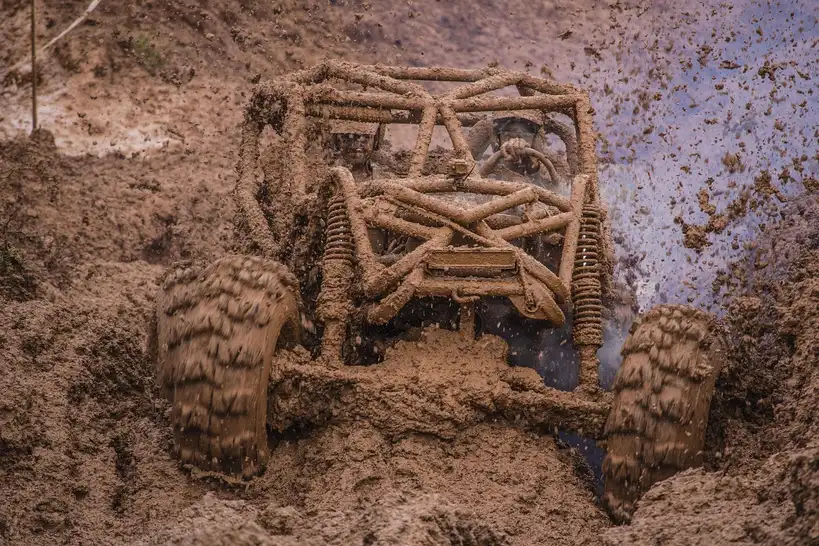
Start with mistake tolerance, not bragging rights. A beginner-friendly off-road vehicle is easy to place on a trail, forgives a clipped rut or a bad line, and still behaves well on pavement during the rest of the week.
Daily use matters because many first buyers need one vehicle for both jobs. That points toward a street-legal SUV or pickup with factory off-road hardware, not a stripped toy that is awkward in traffic, loud on the highway, and expensive to insure or store.
Damage risk matters too. Taller tires, better underbody protection, and sensible wheelbase length can keep a small error from turning into bent steering, torn plastics, or a damaged oil pan. For beginners, a vehicle that shrugs off mistakes is better than one that only looks impressive on paper.
Learning curve and mistake tolerance
Off-road driving punishes poor sight lines, overconfidence, and fast inputs. A shorter, narrower vehicle is easier to place, but it still needs the right hardware. A 4WD system with low range typically gives slower wheel speed and more control on climbs, descents, rocks, and ruts.
AWD can help on slippery pavement and some light dirt, but it is not always the same as a true two-speed off-road system.
Daily driving and street-legal use
If you need one vehicle for school runs, commuting, and weekend trail use, an SUV is often the cleanest fit. It usually gives you raised ride height, cargo space, passenger space, and street-legal usability without forcing you into helmets, trailering, or special transport just to get to the trailhead.
That daily-driver usefulness is a major part of beginner value. A machine that is easy to park, easy to insure, and easy to service is less likely to become a mistake you regret after the novelty fades.
Trail damage risk and repair cost
Off-road damage is rarely glamorous. Scraped skid plates, rock chips, torn sidewalls, and bent lower trim cost real money. The more expensive the bodywork, the more a beginner should value protection and parts availability over extreme capability.
Those features help on loose surfaces, but they do not erase the cost of a bad line, a buried rock, or an impatient throttle input.
Beginner vehicle decision table
This table compares the main beginner choices across the factors that matter most before purchase. The scores are relative for first-timer use, not a claim that one type wins every trail. Use the terrain note to match the vehicle to where you actually plan to drive. In this table, Low means easier or less demanding for a beginner, Medium means mixed tradeoffs, and High means more demanding or less forgiving.
| Vehicle type | Learning curve | Daily usability | Trail capability | Upgrade cost | Damage risk | Best terrain fit | One-line recommendation |
|---|---|---|---|---|---|---|---|
| 4×4 midsize SUV | Low | High | Good | Moderate | Moderate | Forest roads, light trails, snow | Best first choice for most beginners who still need a street-legal daily driver. |
| 4×4 pickup | Moderate | Medium | Good to very good | Moderate to high | Moderate to high | Forest roads, mud, mixed-use trips | Choose it when bed space matters more than parking ease and body-damage worry. |
| 4×4 wagon | Low | High | Good | Moderate | Low to moderate | Forest roads, snow, mild rocks | Good if you want low regret, strong street manners, and a lower center of gravity. |
| ATV | High | Low | Very good in tight terrain | Moderate | High | Narrow trails, mud, technical fun | Only if you accept more training, more gear, and less protection than a car-based option. |
| Side-by-side | High | Low to medium | Very good | High | High | Rough trails, mud, dunes, group riding | Good for trail play, but not the easiest first vehicle for street use or damage control. |
A common first-timer mistake is buying for one hard trail video and ignoring the rest of the year. Say your local trails are mostly packed dirt, ruts, and winter slush. A midsize SUV with low range and all-terrain tires will usually be less stressful than a lifted toy built for rocks.
Is an SUV or truck better to start with?
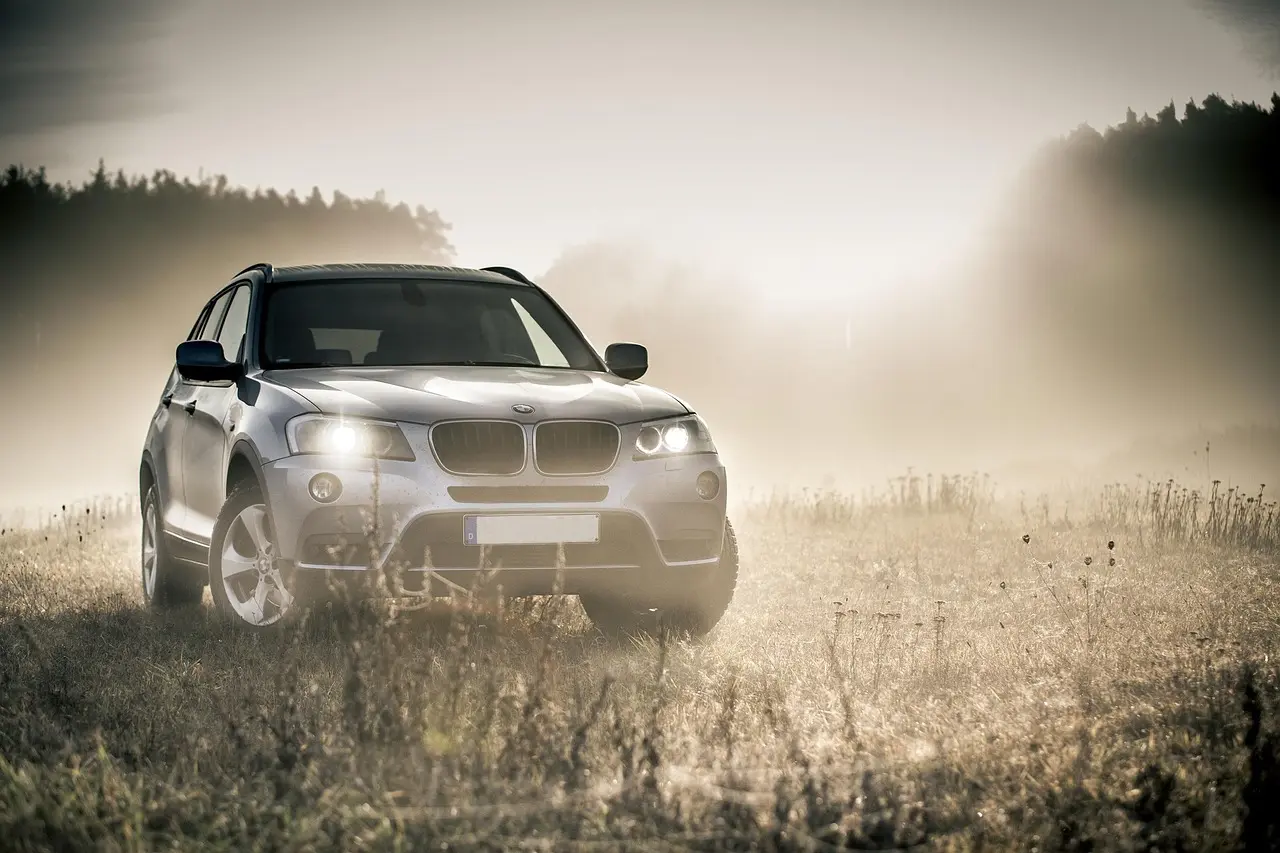
For most first buyers, an SUV is the better start because it balances trail use with street use and cuts down the amount of learning you need at once. A pickup makes sense when you truly need bed space, cargo hauling, or a platform that can carry dirty gear without filling the cabin.
Why SUVs usually fit first-time buyers
An SUV usually offers the simplest mix of raised ride height, cargo room, and a cabin that stays useful all week. Common choices such as the Jeep Wrangler, Ford Bronco, and Toyota 4Runner are popular because they are built around 4WD, off-road suspension travel, and a parts ecosystem beginners can actually live with.
That does not make every SUV equal. A basic crossover with AWD and no low range is not the same thing as a true 4WD SUV. For off-road beginners, the difference shows up when traction fades and slow control matters more than road comfort.
When a pickup makes more sense
Pickups are useful when you want bed cargo capacity, trailer flexibility, or factory off-road trims that already include stronger tires and protection. A 4×4 truck can be a smart first vehicle if you need work-duty usefulness during the week and trail access on weekends.
The tradeoff is size. A long wheelbase can drag on breakovers and make tight turns harder on narrow trails. The bed also leaves more sheet metal and lighting exposed to brush, rocks, and careless loading.
Wheelbase, visibility, and body damage tradeoffs
Shorter wheelbase vehicles are easier to place on steep ledges and in tight trees. Longer vehicles can be calmer on fast dirt, but they are less forgiving in ruts and on sharp crests. Visibility matters as much as wheelbase because seeing your tires is part of avoiding mistakes.
Picture a midsize pickup on a narrow forest road with deep ruts. The driver can see the hood clearly, but the rear bed corners and tail lamps stay close to brush. One bad squeeze past a stump can leave expensive cosmetic damage that a smaller SUV might have avoided.
What off-road hardware should a beginner look for?
A common first hardware target is a true two-speed transfer case with low range. After that, look for decent tires, protection under the body, and traction aids that help you climb, descend, and keep moving when a wheel slips. Those parts matter more than badge prestige.
Transfer case and low range
A transfer case with low range gives the drivetrain a lower gear set for more torque at slow speed. That helps on rocks, steep grades, and loose climbs because you can move more deliberately without relying on throttle. It also helps keep speed under control on steep descents.
Locking differentials and traction aid
A locking differential locks wheels on an axle together so one spinning wheel does not steal all the torque. That helps on low-traction surfaces such as mud, wet roots, sand, and crossed-up rocks. Rear lockers are the most common starting point, though front and center variants exist.
Hill descent control is another useful driver-assist feature. It helps keep speed in check on steep downhills, which matters when a new driver is focused on steering and wheel placement. It is not a substitute for judgment, but it can reduce panic on a rough grade.
Skid plates, all-terrain tires, and hill descent control
Skid plates protect the oil pan, transmission, and cooling system from rocks and ruts. They matter most when the trail has hidden edges, and they are cheap insurance compared with a pan replacement. If a vehicle lacks them from the factory, adding them is often one of the first upgrades.
All-terrain tires are a good first tire because they balance on-road and off-road use. They use reinforced construction and a rugged tread pattern for traction on loose surfaces. Tire pressure can be lowered for trail use to increase the contact patch, but do not use the tire sidewall as a trail-pressure setting guide; use the vehicle and tire guidance that matches your terrain, speed, and load.
Which vehicle type fits each terrain?
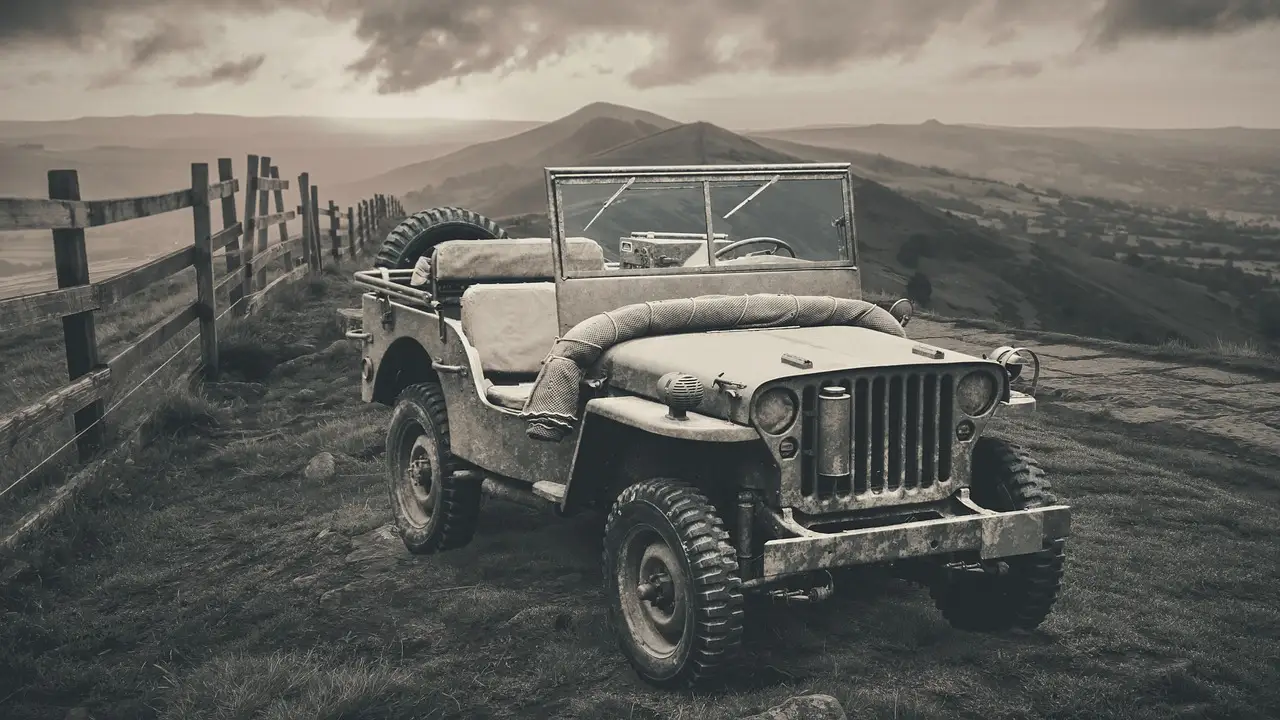
Terrain should drive the choice more than brand loyalty. Light trails and forest roads reward easy control and street manners, while rocks, mud, and sand change the answer fast. The best first vehicle type is the one that fits the local ground without overdoing it.
Forest roads and mild trails
For forest roads, mild ruts, and light trails, a 4×4 SUV is usually the safest first pick. Light trails are the best type of terrain for beginners because they involve fewer obstacles, lower speed, and less need for specialty gear.
A 4×4 wagon, meaning a long-roof passenger vehicle with 4WD, can also work well here if you want a lower center of gravity and strong street behavior. Both options are easier to live with than a dedicated toy, and both leave room for learning without demanding immediate upgrades.
Sand and mud
Sand asks for flotation and careful throttle use. Mud asks for traction, ground clearance, and protection from hidden holes. In both cases, all-terrain tires and low range help, but speed can turn into a problem quickly if you start digging in or spraying mud into a mechanical part that needs cooling.
Say your local sand track looks flat and firm at first glance. A beginner in a heavy vehicle with street tires can still sink once the surface crust breaks, while a lighter 4WD on aired-down all-terrain tires has a better chance of staying on top without high wheelspin.
Rocks, ruts, and snow
Rocks reward ground clearance, skid plates, and slow control. Ruts punish long overhangs and poor line choice. Snow often favors AWD or 4WD with good tires, but a true 4WD system with low range still gives more control when the surface is mixed or steep.
If your winter use includes plowed roads plus backroads, a street-legal SUV with 4WD is a simpler answer than a dedicated trail rig. It is easier to fit into daily life, and it is less likely to tempt a beginner into overdriving conditions.
How do ATVs and side-by-sides compare for beginners?
ATVs and side-by-sides belong in the off-road conversation, but they are not automatic beginner defaults. They can be excellent in the right terrain, yet they demand more training, more protective gear, and stricter speed control than a street-legal SUV or truck.
Where they fit well
Both can be excellent on narrow trails, mud, dunes, and technical routes where a car-based vehicle is too wide or too heavy. ATVs are four-wheelers with handlebars and motorcycle-like seating. Side-by-sides can seat up to six people depending on model.
That capability comes with a different driving style. You sit more exposed, react more directly to terrain, and have less crash protection than in a closed SUV cabin. That changes the risk picture even before speed enters the discussion.
Training, gear, and speed control
ATVs and side-by-sides deserve helmets, seat belts where equipped, proper fitment, and terrain discipline. Speed is the enemy of beginner judgment. A vehicle that feels easy to point can still roll, slide, or hit a hidden obstacle hard enough to injure the driver or passenger.
They are not safer simply because they are smaller. Safety depends on the machine, the terrain, the driver, and the gear. For a first off-road vehicle, that makes them better as a second step than as the safest first step for most people.
Street legality and trail access
Street legality varies by vehicle type and local rules, especially for ATVs and side-by-sides. Some areas allow limited road crossings or special registration; others do not. If the vehicle must drive home, commute, or carry passengers in normal traffic, a street-legal SUV or pickup is usually simpler.
Best first models and trims to consider
Do not chase the hardest trim you can afford. For a beginner, the better move is a well-kept vehicle with the right bones: 4WD, low range, sensible tires, and factory protection where possible. Popular examples include the Jeep Wrangler, Ford Bronco, Toyota 4Runner, and Tacoma, plus similar factory-off-road trims from other brands.
Jeep wrangler, ford Bronco, and Toyota 4Runner
These are common beginner choices because they are built with off-road use in mind and have strong parts support. A Wrangler or Bronco often gives you strong articulation and trail geometry. A 4Runner usually appeals to buyers who want a more traditional SUV shape with daily use in mind.
That does not make them magic. Check that the trim actually includes the features you want, especially low range, locking differentials, skid plates, and tire clearance. A badge alone does not fix a weak setup.
Tacoma and other off-road trims
A 4×4 Tacoma or similar off-road pickup trim can be a strong pick if you need bed utility. Factory off-road equipment matters because buying a truck and then chasing tires, protection, and traction parts can get expensive fast. The correct trim can save money and reduce guesswork.
Look for the pieces that matter most to a beginner: 4WD, low range, all-terrain tires, and underbody protection. If a used truck lacks those parts, count the cost before you buy.
What to confirm before buying used
- Confirm the vehicle has 4WD with low range, not AWD alone.
- Check tire age, tread, and sidewall condition.
- Look for skid plate damage, fluid leaks, and bent suspension parts.
- Verify that lockers, hill descent control, and other aids actually work.
- Check for evidence of hard off-road use, flood damage, or poor lift work.
If the seller cannot explain the drivetrain or the tires are mismatched, walk away. A bargain can disappear quickly once you buy replacement tires, repairs, and the recovery gear that should have been there already.
Frequently asked questions
What vehicles are best for off-road driving?
For beginners, the best fit is usually a street-legal 4×4 SUV or pickup with low range, good ground clearance, and all-terrain tires. If the route is narrow or mostly mild, the SUV usually keeps daily use simpler. If cargo hauling matters more, the pickup is easier to justify.
What is the best off road vehicle?
There is no single best off-road vehicle for every beginner. The safest first choice is usually a used 4×4 midsize SUV or pickup that can handle daily driving, light to moderate trails, and repair bills without turning every scratch into a major expense.
What cars are good for beginners?
Good beginner off-road vehicles are simple to drive, easy to place, and forgiving when you make a mistake. That usually means a 4×4 SUV, a 4×4 pickup, or a 4×4 wagon with factory off-road hardware. Skip heavy modifications until you know which terrain you actually drive.
Should I start off-roading with an SUV or truck?
An SUV is usually the better start if you want one vehicle for both road and trail use. A truck makes sense when cargo bed utility matters more than parking ease, visibility, or body-damage concern. Either can work if it has 4WD, low range, and the right tires.
What features matter most in a beginner off-road vehicle?
The most important features are 4WD with low range, all-terrain tires, adequate ground clearance, skid plates, and a locking differential if available. Hill descent control is a useful extra. AWD alone can be fine for light use, but it is not always the same as a true off-road system.
What cars are good for off-roading?
For beginners, the best answer is the vehicle that matches your terrain, trail width, and daily use. A Jeep Wrangler, Ford Bronco, Toyota 4Runner, or Tacoma can fit that job well if the trim includes the right hardware and the size is manageable for the trails you actually plan to drive.
Products related to this article
Sponsored / affiliate links. As an Amazon Associate I earn from qualifying purchases. I may earn additional commission from eligible campaigns.