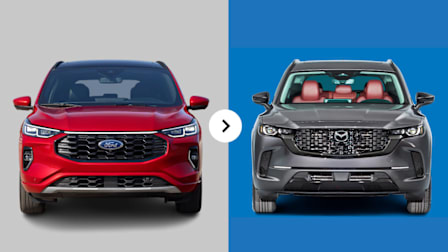
Which Vehicle Type Is Best for New Drivers?
For most new drivers, a compact sedan or hatchback is the best first vehicle type: easy to see out of, simple to place in traffic, and usually cheaper to insure than larger SUVs or trucks. Pick poorly, and you can raise crash risk, stress, and total ownership cost in the first year. This guide ranks vehicle types by safety, ease of use, and cost so you can choose the right first car.
Top Picks: Subcompact vs Compact for Budget and Ease
Top pick: compact sedan. It balances visibility, stability, fuel economy, and affordability better than larger vehicles, while still being easy to park and control for a beginner.
Best low-cost pick: subcompact car. It is the easiest to park and maneuver, and it usually has the lowest purchase price in the group.
Best choice by driver type at a glance: city student, subcompact car; commuting teen, compact sedan; highway commuter, compact or midsize sedan; rural driver, crossover if roads or weather demand extra ground clearance.
Quick picks by need
- City student: subcompact car for tight parking, short trips, and low running costs.
- Commuting teen: compact sedan for better highway manners and a good mix of safety and price.
- Highway commuter: compact sedan or used midsize sedan for stability and cabin comfort.
- Rural driver: crossover if you need all-wheel drive, higher ride height, or rougher-road clearance.
📊 U.S. News says the 2020 Nissan Versa had a U.S. News Safety Score of 9.7/10. Source: Best Cars for Young Drivers in 2026.
Why compact sedans are the safest all-around bet for beginners
Compact sedans are the best all-around choice because they are small enough for easy placement, but not so small that highway travel feels busy or twitchy. They usually give new drivers a better balance of visibility, predictability, and cost than larger SUVs or trucks.
Balanced size and road manners
A compact sedan is easier to judge in a lane than a large SUV, and it is less stressful in parking lots than a midsize or full-size vehicle. It also tends to feel steadier at highway speed than a very small car, which matters for a driver still learning lane position and braking timing.
Common first-car choices in this class include the 2019 Kia Forte, which is described as a compact sedan. Compact sedans are also a common new-driver choice because they fit the middle ground between too small and too large.
Fuel economy and running costs
Low cost of ownership matters more than sticker price. That means purchase price, insurance, fuel economy, maintenance, and depreciation. Compact sedans usually score well on all five, especially compared with SUVs that carry more mass and often larger tires.
The United States has one of the world’s highest rates of vehicle ownership per capita, with 850 vehicles in operation per 1000 people in 2022. In that kind of market, insurance, repair access, and resale value matter a lot when you choose a first car. (en.wikipedia.org)
Are subcompact cars good for new drivers?
Yes. Subcompact cars are often the easiest new-driver choice when parking, tight streets, and budget are the main concerns. Their smaller footprint helps at low speed, but they trade away cabin room and some highway comfort, so they fit some drivers better than others.
Easy parking and low-speed maneuvering
Subcompact cars are simpler to thread into narrow spaces and easier to turn around in crowded lots. That lower stress can help a new driver build basic control faster. A common example is the Nissan Versa, which is described as a subcompact car that makes a great choice for a new or younger driver.
U.S. News says the 2020 Nissan Versa had a U.S. News Safety Score of 9.7/10. That is a reminder that small does not mean unsafe by default; safety still depends on crash-test performance, equipment, and how the vehicle is configured.
Lower purchase price and ownership costs
Subcompact cars often carry the lowest upfront cost, and that can leave more room in the budget for tires, insurance, and maintenance. They also tend to use less fuel than larger classes. For a first-time buyer, that can matter more than extra cargo room.
U.S. News notes that most of its best used cars for young drivers are subcompact and compact. That lines up with the practical case for small cars: they are often inexpensive enough to buy used, yet modern enough to include core safety tech.
Where the tradeoffs matter most
The tradeoff is cabin space and stability in longer highway driving. A subcompact can feel cramped for tall drivers, growing teens, or families that expect regular passengers and luggage. If the driver will spend a lot of time at 70 mph, a compact sedan is often the calmer choice.
When a midsize sedan makes sense
A midsize sedan makes sense when the driver needs more cabin room, more rear-seat comfort, or a calmer long-trip ride. It is not the default best first car, but it can be a smart used buy for taller beginners or drivers who regularly carry passengers.
More cabin room for growing drivers
Midsize sedans give more legroom and a larger trunk than subcompact or compact cars. That extra space is useful when a new driver is also hauling sports gear, instruments, or classmates. The downside is a higher purchase price and more car to place in tight spaces.
The 2019 Kia Optima offers midsize space and comfort at a small-car price. That is the kind of value case that can make a used midsize sedan worth considering, especially if the driver has outgrown the smallest classes.
Comfort on longer commutes
For a highway commuter, a midsize sedan can reduce fatigue because the cabin feels less tight and the car often rides with more composure over expansion joints and rough pavement. That can help a novice stay calmer on repeated long drives.
Should a new driver buy a crossover or an SUV?
A crossover can be a good fit for a new driver who needs higher seating, easier entry, or optional all-wheel drive, but an SUV is often too much vehicle for a beginner unless the use case really demands it. Larger height and mass can help in some conditions, yet they also make parking and precision harder.
Higher seating position and easier entry
Crossovers usually sit higher than sedans, which can improve outward sightlines in traffic and make entry and exit easier. That can help new drivers feel less boxed in. A hybrid example is the 2019 Subaru Crosstrek Hybrid, which is often described as a hybrid subcompact crossover with a short all-electric range.
AWD, cargo room, and weather use cases
Available AWD is useful for snow-belt commutes, rural roads, and steep driveways. Cargo room also helps when the driver needs to carry tools, sports gear, or farm supplies. That said, the extra convenience comes with more size and usually more cost than a comparable sedan.
Why size, mass, and parking difficulty matter
Many SUVs have higher insurance and fuel costs, and they can be harder to park, especially for someone still learning reference points. A tall body also does not fix poor visibility in every direction. Some large vehicles still have thick pillars and awkward rearward sightlines, which matter in crowded lots.
A common first-timer mistake is picking a big pickup truck for a first car just because it looks tougher. A bigger vehicle can help in some crash scenarios, but if it is hard to place accurately, the beginner may be more likely to scrape curbs, bump cars, or struggle in tight turns.
Decision matrix: how to compare vehicle types for a new driver

Use this matrix to compare beginner friendliness, not just brand or badge. Crash safety is only one part of the answer. Visibility, parking ease, running cost, and forgiveness of mistakes matter just as much for a new driver.
| Vehicle type | Visibility | Parking ease | Safety and crash-test ratings | Running costs | Forgiveness of mistakes |
|---|---|---|---|---|---|
| Subcompact car | Good outward view, but tight cabin can feel busy | Excellent | Can be strong when equipped well; check IIHS and NHTSA ratings | Excellent | Moderate; small size helps in parking, but shorter wheelbase can feel twitchy |
| Compact sedan | Good balance of sightlines and seating position | Very good | Often strong in modern crash tests | Very good | Good; stable enough for beginners without feeling oversized |
| Midsize sedan | Good, though the car is larger to place | Good | Often strong, depending on trim and year | Good | Very good on the highway, moderate in tight spaces |
| Crossover | Often good from the driver’s seat | Moderate | Can be strong; verify IIHS and NHTSA results by model | Moderate | Good in weather and poor roads, less forgiving when parking |
| SUV | High seating position, but large blind spots are common | Poor to moderate | Can be strong, but size alone is not a guarantee | Poor to moderate | Mixed; mass helps some crash scenarios, but size can amplify beginner errors |
How to read the matrix
- Start with the driver’s route: city streets, mixed commuting, highway miles, or rural roads.
- Check crash-test results from IIHS and NHTSA for the exact model and year.
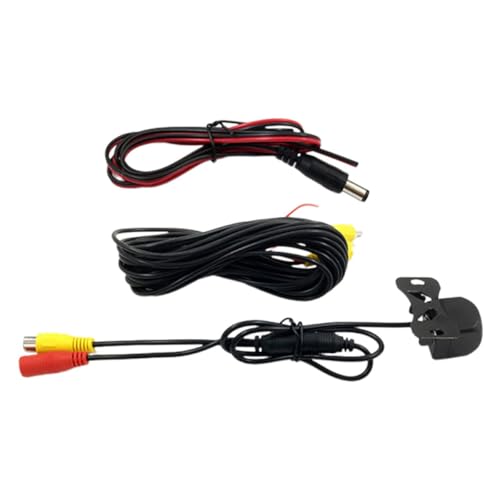
- Look for driver-assist tech such as automatic emergency braking, lane-keeping assist, blind-spot monitoring, and a rearview camera.
- Estimate ownership costs, including insurance, tires, fuel, maintenance, and depreciation.
- Choose the smallest vehicle that still fits the driver’s daily use case.
What features should a new driver prioritize?
New drivers should prioritize crash-test ratings, a rearview camera, automatic emergency braking, lane-keeping assist, and blind-spot monitoring. Good visibility matters too, because the easiest car to drive is often the one that lets the driver see clearly and react early.
IIHS and NHTSA crash testing gives a baseline for protection, while standard driver-assistance features help prevent low-speed mistakes. Those systems do not replace attention, but they can reduce the odds of a parking mishap or a late brake on a busy road.
Is a used car a better choice for a new driver?
A used car is often the better choice for a new driver because the upfront cost is lower and the buyer can often get more features per dollar. The key is to check service history, inspection records, recall status, and signs of prior crash damage before buying.
Used vehicles are especially practical for teens, where insurance and repair costs can add up quickly. A used compact sedan or subcompact from a known model line is usually easier to justify than a new, oversized SUV with higher depreciation.
A simple used-car rule
Choose used when budget matters most and the vehicle has a clean history. Choose new only when the price gap is small enough that warranty coverage, known maintenance history, and current safety tech are worth the extra cost.
Which vehicle type has the lowest running costs for new drivers?
Subcompact cars often have among the lowest running costs for new drivers, with compact sedans usually close behind. They tend to cost less to buy, use less fuel, need smaller tires, and usually bring lower insurance and depreciation than larger vehicles.
That does not mean every small car is the cheapest choice. A poorly equipped or accident-damaged small car can cost more over time than a well-kept compact with strong reliability and better safety equipment.
What car size is best for a first-time driver?
For most first-time drivers, compact is the best size because it gives enough stability for highway use without becoming hard to park or place in traffic. If the driver lives in a dense city, a subcompact can be the better fit. If the driver is tall or commutes far, a midsize sedan may be more comfortable.
Should a new driver buy a sedan or SUV?
Most new drivers should start with a sedan unless they have a clear reason to choose an SUV, such as rough roads, severe winter weather, or frequent cargo needs. Sedans are usually easier to park, cheaper to run, and simpler to place accurately while the driver builds skill.
Are small cars safer for new drivers?
Small cars are not automatically safer, and size alone is not the deciding factor. Safety depends on crash-test ratings, driver-assistance features, visibility, and the driver’s ability to control the vehicle. A well-rated compact can be a better beginner choice than a larger model with poor sightlines.
What are good cars for new drivers?
Good cars for new drivers are usually subcompact and compact models with strong safety scores, a rearview camera, and useful driver-assist features. Examples from the category include the Nissan Versa, the Kia Forte, and other small sedans that keep ownership costs manageable.
Frequently asked questions
Which vehicle type is easiest to drive for beginners?
Subcompact cars are usually the easiest to drive at low speed because they are small, light to place, and simple to park. If the driver spends more time on highways, a compact sedan may feel easier overall because it is steadier and less jumpy at speed.
Products related to this article
Sponsored / affiliate links. As an Amazon Associate I earn from qualifying purchases. I may earn additional commission from eligible campaigns.