
Best Contractor Vehicle Types (2026): We Compared
For most contractors, the best vehicle type is a cargo van; choose a service body or cutaway truck only if you need frequent exterior access, ladder racks, heavier payloads, or a liftgate. Pick the wrong body and you waste time, expose tools, and lose productive cargo space to poor access or theft risk. This guide compares vans, service bodies, pickup trucks, and trailers for hauling, security, parking, and daily jobsite access.
For most contractors, the best vehicle type is a cargo van; choose a service body or cutaway truck only if you need frequent exterior access, ladder racks, heavier payloads, or a liftgate. Pick the wrong body and you waste time, expose tools, and lose productive cargo space to poor access or theft risk. This guide compares vans, service bodies, pickup trucks, and trailers for hauling, security, parking, and daily jobsite access.
Quick comparison
| Product | Badge | Best for | Price | ||
|---|---|---|---|---|---|
 |
Buyers Products 1702305 36 x 18 x 18 Inch Steel UnderbodyBuyers Products Company | Our pick | 36 x 18 x 18 Inch · Steel Underbody Tool Box | $369.95
Price as of 30 Oct 2026
|
View |
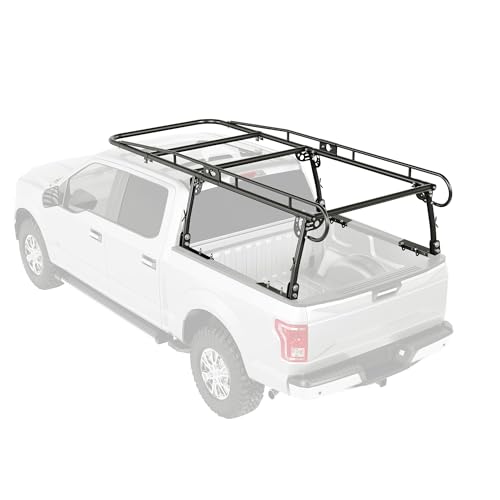 |
ECOTRIC 1000 LBS Adjustable 58"-69" Universal Truck BedECOTRIC | Also great | Adjustable 58"-69" · Universal Truck Bed Rack | $279.00
Price as of 30 Oct 2026
|
View |
 |
American Truck Equipment Ranger Design N5 Series Cargo VanAmerican Truck Equipment | Upgrade pick | 96" Wide · Steel Shelf Unit | $1,483.20
Price as of 30 Oct 2026
|
View |
 |
BDK M330 Heavy-Duty Truck Utility Bed Mat – Extra-Thick 4′BDK | Budget pick | 4′ x 8′ · Heavy-Duty Truck Utility Bed Mat | $118.99
Price as of 30 Oct 2026
|
View |
This is the fastest way to separate the options by how they move material, not by badge or cab style. Use it with the matrix below when you are deciding between a Transit cargo van, a pickup, and a chassis cab.
How we chose
We compared the body styles on four points: how they store parts, how fast you can reach the load, how they handle long material, and how well they fit tight parking or jobsite access. The guide also separates service work from project work, because those two patterns place very different demands on the vehicle.
Transit cargo van: best for enclosed parts storage
A Transit cargo van is the best fit when enclosed parts storage matters more than open-bed access. The enclosed layout shields small parts and tools, keeps them out of sight, and makes it easier to separate daily stock from project material in shelves, bins, and drawers.
The main advantage is workflow. A van lets you stage small parts, cases, and consumables near the side door, so the driver walks less and handles material fewer times. That matters when a service technician carries many small part categories in limited quantities.
Roof height and length matter more than many buyers expect. A van body needs the right mix of interior layout, door opening, and parking fit so you can actually reach the items without crouching or climbing over stock. If the workday includes curbside parking, tight alleys, or repeated stops, the door layout often matters more than raw cargo volume.
The drawback is simple. A van is not the right answer when the job depends on exterior compartments, frequent ladder handling, or easy loading of long material from outside. If a ladder, conduit bundle, or oversized case is going to ride on the roof or through a rear opening, plan the route and the access method before you buy the vehicle.
When an enclosed layout helps
Choose the enclosed layout when theft risk, weather exposure, or small-part control matters more than open-bed loading. This is the cleanest answer for daily stock, organized cases, and tool storage that should stay locked up between stops.
A van also works well when you need separate zones inside the vehicle. One zone can hold replenished stock, another can hold project material, and a return area can keep removed parts from getting mixed back into active inventory. That separation cuts down on lost time and mislabeled material.
Roof height, length, and door access
You should match the body to the way you load it. High-roof and medium-roof vans can support shelving made for those envelopes, but the real test is whether a case can be reached without blocking the aisle or forcing awkward lifting. The guide’s warning applies here: a case can fit and still be inaccessible.
If your normal load includes multiple small cases, place the most-used items at the side door and the heavier or slower-moving stock farther back. Keep the aisle clear enough that you are not constantly unloading one box to reach another.
Parking and jobsite clearance
Vans matter when the vehicle must fit garages, city streets, or low-clearance sites. Check roof height, overhead doors, tree limbs, and any covered parking that your routes require. A van that solves storage but cannot clear the route has already failed the job.
A common first-timer mistake is buying the tallest body available for storage capacity, then discovering the regular parking garage or customer driveway is the limiting factor. The right van is the one that reaches the site and still lets you access the gear.
Pickup truck: best for mixed hauling and towing
A pickup truck makes more sense when bed storage, crew space, or trailer compatibility is part of the daily job. It gives you open loading, fast access to large items, and a simpler way to carry dirty or oversized material that does not belong inside a closed cabin or cargo bay.
The pickup is also the more flexible answer for trades that move between service calls and small projects. A Ford F-150 or Super Duty may suit pickup-based contractor roles, depending on the load pattern and upfit needs.
Its main strength is the bed. You can load long material, keep muddy items outside the cab, and pair the truck with a trailer when the job grows beyond what the bed can carry. The tradeoff is that open storage needs more attention to security, weather protection, and restraint.
Bed storage and crew space
A pickup works best when the bed is the main cargo zone and the cabin is needed for people. That combination is common on small crews, when one or two people ride together and the rest of the payload is hardware, pipe, lumber, or tools.
If you carry daily stock inside the bed, plan for separation. A bed liner, bins, and a defined return area help keep project material from sliding into the stock you still need tomorrow. If the bed becomes a mixed pile, the truck wastes time and loses usable space fast.
Trailer compatibility
Pickups are often the better starting point when a trailer is part of the work pattern. The truck can handle the jobsite move while the trailer handles the overflow, but the full setup only works if the total towing plan stays within the vehicle’s rated limit. Follow the vehicle manual, never exceed the vehicle’s rated roof/hitch/tow limit, keep items out of airbag zones and the driver’s view, and check local laws.
That matters for both crew and access. A trailer can solve capacity problems, but it can also create new ones at tight parking areas, crowded neighborhoods, and jobsites with limited turning room.
Where pickups break down
Pickups start to struggle when the job needs secure storage for many small parts, frequent access to cases, or compartment-heavy organization. A truck bed can hold a lot, but it does not organize that load for you.
They also become awkward when long items need regular handling without a liftgate or dedicated rack plan. If the job relies on a ladder rack, bed rack, or repeated side access, the truck needs those accessories planned before purchase, not after.
Chassis cab: best for upfit-heavy work
A chassis cab is the better starting point when the body must be built around compartments, a work body, or other custom storage. It is not the finished solution by itself. It is a platform for a compatible work body, and that makes it useful when the cargo plan matters more than the factory box.
This choice suits contractors who need a service body, enclosed compartments, central cargo space, or a body-upfit that standard pickups cannot handle cleanly. It is especially useful when finished-capacity planning matters more than simply buying a truck and adding a few accessories.
The main risk is buying the cab before the body plan is settled. Once the upfit is fixed, the usable envelope changes, the access points change, and the parking footprint changes too. Work with the upfitter or vehicle-body installer before you buy storage accessories so the restraint, lining, and finished vehicle envelope all match the actual job.
Service body or other work body
A chassis cab makes sense when you need a service body with outside compartments and fast tool retrieval access. That layout keeps tools and parts on the exterior, so the crew can reach them without climbing into a cargo bay or digging through a central stack.
This is the right move for compartment-heavy contractor work. The vehicle becomes a storage platform first and a passenger vehicle second, which is the point of the setup.
Compartment layout and central cargo space
A good service body does more than add boxes. It organizes the load into dedicated compartments, a central cargo space, and a clear separation between common stock and project-specific materials. That separation helps when one side of the truck carries frequently used supplies and the other side carries larger items or job-specific material.
It also makes retrieval more predictable. Instead of opening a single large cavity and moving three items to reach one case, the worker opens the right compartment and pulls the right tool.
Finished-capacity planning
Finished-capacity planning should happen before the upfit is ordered. The vehicle’s final mass, compartment layout, ladder access, and cargo restraint all change once the body is installed, and the installer should confirm compatibility before anything is bolted down. Follow the vehicle/product manual, never work under a vehicle held only by a jack, never exceed the vehicle’s rated roof/hitch/tow limit, keep items out of airbag zones and the driver’s view, and check local laws.
The drawback is cost and complexity. A chassis cab usually demands more planning than a pickup, and it can be the wrong answer if the trade only needs simple bed storage or occasional towing.
Contractor vehicle matrix
This matrix ties the vehicle choice to the actual material problem. It does not ask which body style looks right. It asks what has to ride inside, what has to stay locked up, and where access breaks down.
| Trade type | Crew size | Daily stock volume | Long-material length | Secure-case needs | Parking constraints | Recommended body style |
|---|---|---|---|---|---|---|
| Electrical service | 1-2 | Many small part categories in limited quantities | Conduit carried in routine lengths, plus occasional longer runs | High | Tight city parking, curbside stops, low-clearance garages | Transit cargo van |
| Electrical project crew | 2-4 | Fewer categories, larger quantities | Frequent conduit and ladder handling | Medium | Mixed jobsite and open parking | Pickup truck with rack or chassis cab with work body |
| General contractor service calls | 1-2 | Moderate, mixed stock | Occasional 10-foot to 12-foot material, check your route needs | Medium | Parking garage or narrow residential access | Transit cargo van |
| Field repair with heavy outside gear | 2-3 | Large, compartment-oriented stock | Regular ladder and material exterior carry | High | Open lots, jobsite parking, less concern for height | Chassis cab with service body |
| Mixed haul and tow work | 1-3 | Variable | Trailer carries the oversize material | Medium | Jobs with room to maneuver | Pickup truck |
Daily stock versus project material
The first storage rule is to separate daily stock from project material. Daily stock is what you replenish often and need to reach fast. Project material is what only belongs on the truck for one job, then comes off or returns to storage.
Use a replenishment process that keeps the common items near the door or in the easiest compartment, then add a returns area for unused parts, cutoffs, and reusable stock. Job-specific labeling helps prevent the same box from becoming both inventory and leftover pile.
Ladders, conduit, wire spools, and test equipment
Ladders need their own access review. Decide where they sit, how they are locked down, and how they come off without blocking the rest of the vehicle. The ladder rack should match the body style, the parking limits, and the loading routine.
Wire spool storage needs three things recorded before the layout is chosen: spool dimensions, spool weights, and normal carry quantities. You also need reel holder compatibility and enough changeout access to swap a spool without stripping the rest of the cargo area. Conduit transport follows the same logic. Routine lengths, quantities, and the choice between interior and exterior carrier all depend on parking access and the route you drive.
Test equipment should not be buried under bulk material. Case size, drawer access, and handling needs matter more than the brand of cabinet. A case can fit but still be inaccessible, especially when it is packed behind stock you use every day.
Vehicle type checklist
- The body is full, but the daily stock sits behind project material.
- The ladder rack works on paper, but the vehicle no longer clears the parking structure.
- The conduit fits only if you unload other gear first.
- The wire spool can be carried, but the reel holder does not match the spool.
- The test equipment case is protected, yet slow to reach at the moment you need it.
- The pickup or van has space left over, but the access path is blocked.
Which one should you buy?
If your work is mostly service calls, buy the Transit cargo van first. It is the best answer for enclosed storage, small parts control, and fast access to protected tools. If your work leans toward open hauling, towing, or frequent ladder and material movement, start with the pickup. If the vehicle needs to become a compartment-heavy tool platform, choose the chassis cab and let the body follow the job.
Budget matters, but access pattern matters more. A cheaper truck that forces extra handling, poor parking, or repeated repacking can cost more in lost time than a better-fit body style. If the work is a mix of service and project tasks, a pickup can be the middle ground. If the work is heavily compartment-based, a chassis cab with a service body is usually the cleaner fit.
Parking and clearance should decide close calls. Tight garages, narrow alleys, and low overheads push the choice toward a van with the right roof height or toward a pickup if exterior loading is more important. If your routes include tall material, long ladders, or frequent conduit runs, add the rack and storage plan before you finalize the vehicle.
Picture a one-person electrical service route with ten small part categories, a few test cases, and repeated curbside stops. The van is the cleaner answer because the tools stay locked up and easy to sort. Now suppose the job shifts to a two-person crew hauling longer conduit and a ladder every day. The pickup or chassis cab starts to make more sense because the exterior access and long-material handling matter more than enclosed bins.
Frequently asked questions
What is the best vehicle type for contractors?
For most contractors, the best vehicle type is a cargo van because enclosed storage protects parts and tools and supports organized daily stock. The best answer changes when exterior compartments, ladder access, or towing become more important. In that case, a pickup or chassis cab can be the better fit.
Should I buy a van or pickup for job sites?
Buy a van if you need secure, enclosed storage and frequent access to small parts. Buy a pickup if bed space, crew space, or trailer use matters more. The deciding factor is not the badge; it is whether your job requires protected internal storage or open hauling.
Is a chassis cab better than a pickup for contractor work?
A chassis cab is better when the final body will carry compartments, outside tool access, or a work body built around the trade. A pickup is better when you want a simpler setup with bed storage and occasional towing. The chassis cab wins on upfit flexibility, but only if you plan the finished body early.
What vehicle is best for electrical contractors?
For electrical contractors doing service work, a Transit cargo van is usually the strongest choice because it handles small parts, tools, and protected storage well. For project crews that carry more conduit, ladders, and larger quantities of material, a pickup or chassis cab can fit the workflow better.
How do I store ladders and conduit on a contractor vehicle?
Store ladders and conduit only after you have checked the access path, parking clearance, and rack compatibility. A ladder rack or exterior carrier should match the body style, and the loading routine should not block your daily stock or driver visibility. Follow the vehicle manual, never exceed the vehicle’s rated roof/hitch/tow limit, keep items out of airbag zones and the driver’s view, and check local laws.
How should I size a contractor vehicle around payload and access?
Start with the planned load, then check whether the vehicle lets you reach that load without blocking the aisle or mixing stock with project material. Size around access first, then fit, then capacity. If a case fits but cannot be reached quickly, the vehicle is the wrong size for the work.
Products related to this article
Sponsored / affiliate links. As an Amazon Associate I earn from qualifying purchases. I may earn additional commission from eligible campaigns.