Coupe vs sedan: how to tell the difference fast
Count the doors first: 2-door cars are usually coupes, 4-door cars are usually sedans, but roofline, rear seat access, and model naming can override the badge. I have watched people misread a listing and end up with the wrong insurance class, or a car that simply does not fit the people they carry. This guide gives the 30-second photo check, the walk-around checklist, and the oddballs that catch shoppers out.
| Factor | Coupe | sedan: how to tell the difference fast | Winner |
|---|---|---|---|
| Door count | Typically two doors; ISO 3833 defines a coupe as having two doors. | Typically four doors. | Coupe |
| Body layout | Usually a fixed roof with a sloping or truncated rear roofline. | Usually a three-box layout with separate engine bay, cabin, and trunk. | sedan: how to tell the difference fast |
| Rear seat access | Tighter rear access, and some coupes have no rear seats at all. | Easier rear entry through two rear doors. | sedan: how to tell the difference fast |
| Cargo opening | Often a trunk lid, though some coupe-like cars use a liftback or hatch. | Usually a separate trunk compartment with a conventional lid. | sedan: how to tell the difference fast |
| Gray-area naming | Four-door coupes and fastbacks can blur the label. | Standard sedan naming is more stable, but body shape can still vary. | Tie |
| Fast ID method | Start with the doors, then check the roof and cargo opening. | Start with the doors, then check the roof and cargo opening. | Tie |
| Rear headroom | Rear seats are often tighter and lower; roofline drops sooner. | Generally gives more rear headroom because the roof stays higher for longer. | sedan: how to tell the difference fast |
| Best-fit use | Better if the buyer wants the two-door look and can live with tighter rear seats or no rear seats. | More practical for rear passengers, cargo loading, and daily access; default for shared family transport. | sedan: how to tell the difference fast |
| Listing/insurance risk | Can be misread in listings and may end up in the wrong insurance class if identified incorrectly. | Also can be misread if shoppers rely on badge or marketing instead of door count and body shape. | Tie |
| Shape clue | Lower, more tapered rear roofline makes the coupe label more likely. | Taller cabin with a more conventional rear roofline fits the sedan cue. | Tie |
How do you tell a coupe from a sedan fast?
Start with the doors, then check the roof and cargo opening. A 2-door, fixed-roof car with a lower, more tapered rear roofline is usually a coupe. A 4-door car with a separate trunk and a taller cabin is usually a sedan. That order works fast in listings and walk-arounds.
Use this order when photos or listings are unclear
- Count the doors visible on both sides.
- Look for a fixed roof, not a folding top.
- Check whether the rear glass ends at a trunk lid or rises with the whole hatch.
- Glance at rear headroom and legroom if interior photos are shown.
- Only then trust the badge, trim name, or marketing language.
This sequence catches most mistakes. Door count and cargo opening are harder to fake than a model name. A lower roofline may suggest a coupe, but roof slope alone does not settle the body style.
According to 4 Door Coupe Vs Sedan: What’s The Big Difference? — SlashGear claims a coupe has less than 33 cubic feet of space.
What makes a coupe a coupe?
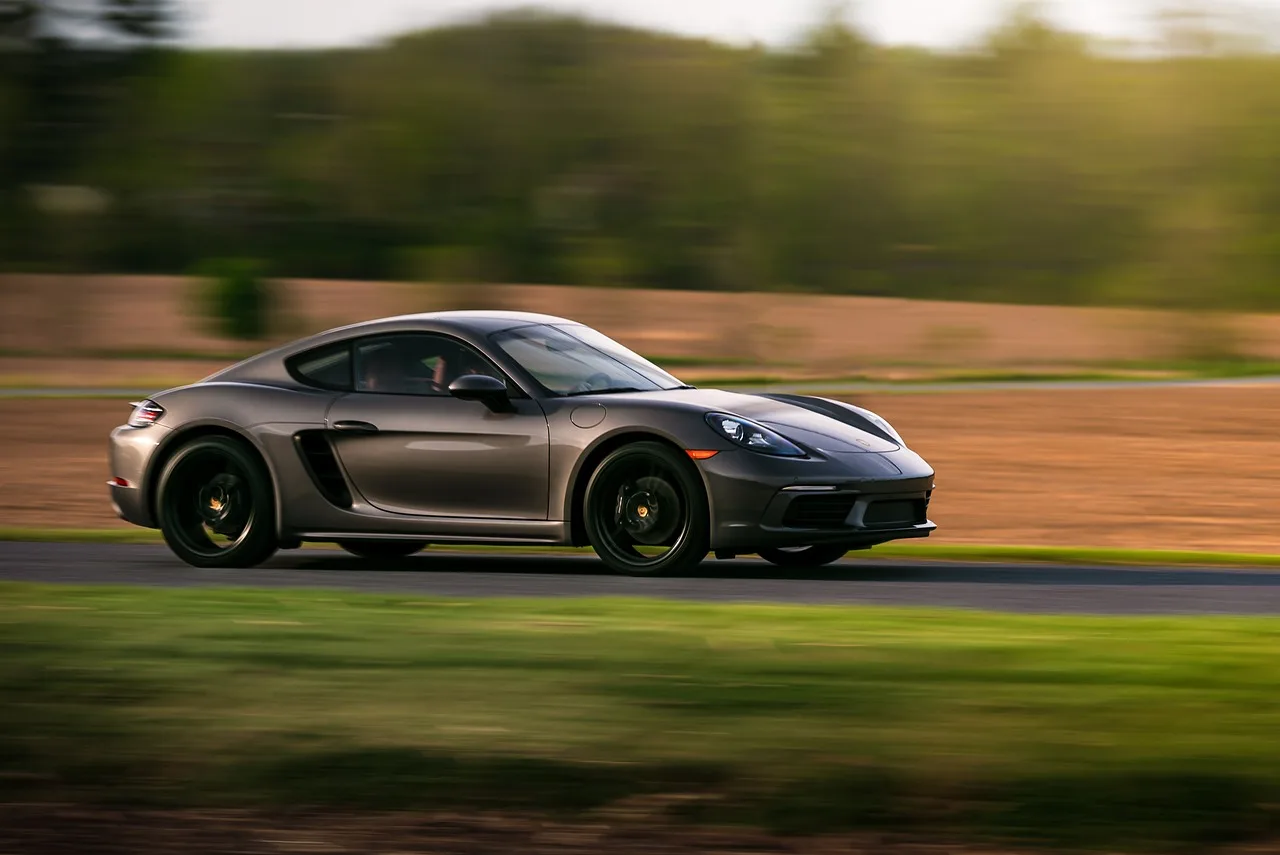
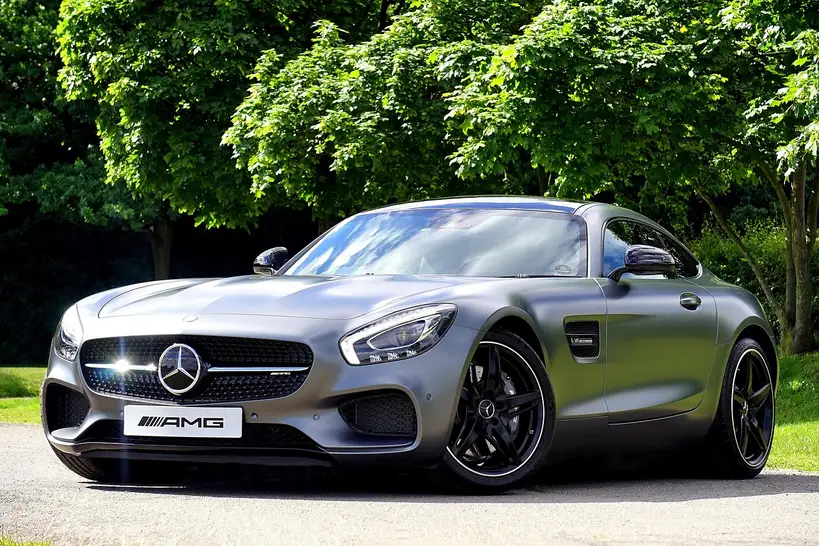
A coupe is typically a passenger car with a sloping or truncated rear roofline and two doors. ISO 3833 defines a coupe as having two doors, and that is still the strongest formal cue. Some coupes have only two seats, while others use a 2+2 layout with small rear seats. (en.wikipedia.org)
Two doors are the strongest cue
When a car has two side doors and a fixed roof, it is usually the easiest call on the lot. The two-door body style is the quick filter shoppers can use before reading model names. If the side profile is low and the rear glass drops sharply, the coupe label becomes more likely.
Fixed roof and sloping rear roofline usually follow
Car and Driver describes a coupe as having two doors and a fixed roof, which lines up with the usual visual profile. The rear roofline often slopes or cuts off more abruptly than on a sedan. That said, roof shape is a clue, not a law.
Why 2+2 seating still counts as a coupe
Some coupe cars only have two seats, while others feature rear seats. Those rear seats are usually smaller and less comfortable than front seats, and they often trade comfort for style and packaging. That does not make the car a sedan; it just means it is a coupe with occasional back-seat use.

What makes a sedan a sedan?
A sedan usually has four doors, a fixed roof, and a three-box layout with separate areas for the engine, passengers, and cargo. A conventional sedan is often described as having four doors, with compartments that are physically separated. That separation is what usually gives sedans their family-friendly rear access and cargo pattern.
Four doors and a three-box layout
The three-box design is the classic sedan shape: hood, cabin, trunk. It is easy to spot from the side because the passenger area stands apart from the luggage area. This is the quickest way to separate a sedan from a hatchback or liftback that only looks sedan-like.
Trunk space and rear headroom as quick checks
Sedans generally give more rear headroom than coupes because the roofline stays higher for longer. They also usually keep cargo behind a separate trunk lid instead of lifting the rear glass with the load area. That makes them easier for bags, car seats, and adult passengers.
Why sedans usually feel easier for rear passengers
Four rear doors matter in everyday use. Getting into the back seat is simpler, and the door opening is usually less cramped than the front-seat tumble and slide routine needed in many coupes. That is why sedans stay the default answer for shared family transport.
Use this one-page checklist to identify the body style
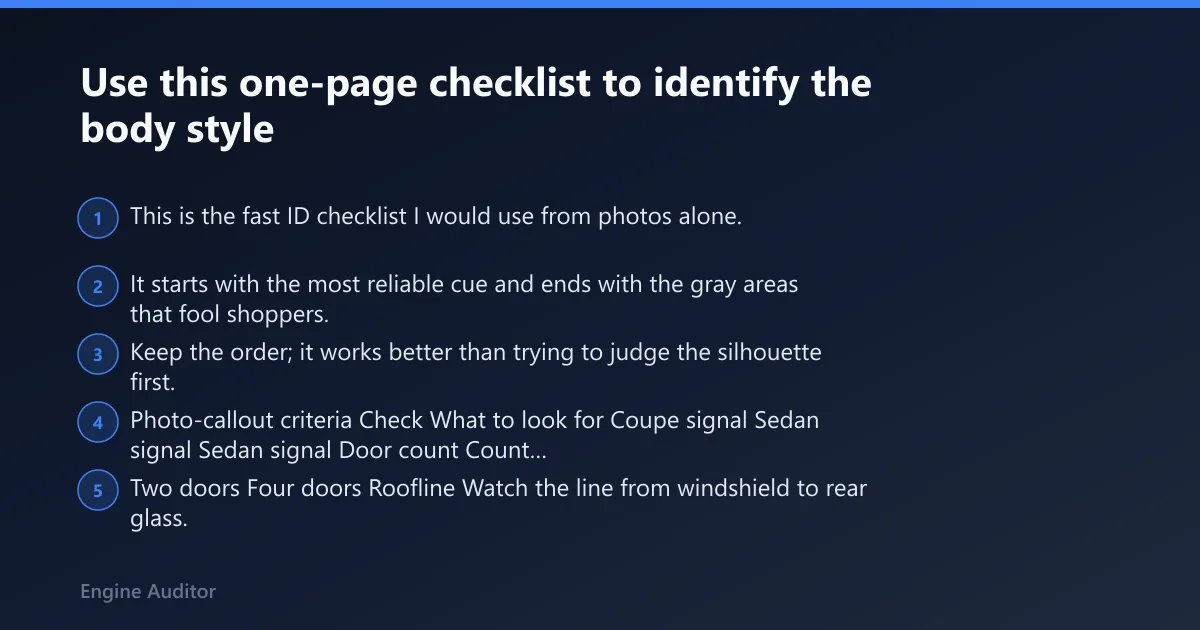
This is the fast ID checklist I would use from photos alone. It starts with the most reliable cue and ends with the gray areas that fool shoppers. Keep the order; it works better than trying to judge the silhouette first.
Photo-callout criteria
| Check | What to look for | Coupe signal | Sedan signal |
|---|---|---|---|
| Door count | Count the side doors in the photo set. | Two doors | Four doors |
| Roofline | Watch the line from windshield to rear glass. | Lower or more sloped rear roofline | Higher, more conventional rear roofline |
| Rear opening | See whether the rear glass lifts with the cargo area. | Trunk lid if conventional; hatch if marketed as coupe-like | Separate trunk lid is most common |
| Rear headroom | Look for adult comfort in the second row. | Tighter, lower seating position | More upright, easier space for adults |
| Model label exception | Check whether the car is called a four-door coupe or fastback. | May be coupe-like by marketing, not by old-school definition | May still be sedan-based underneath |
How to spot trunk versus liftgate at a glance
A trunk lid opens only the luggage compartment. A liftgate or hatchback opens the rear glass and cargo area together. That single detail matters because hatchback and liftback bodies can look coupe-like from the side while being much more cargo-friendly than a true trunked coupe.
Exception box for four-door coupes and fastbacks
Four-door coupes are often more of a marketing term than a clean body-style rule. Car and Driver notes that automakers call some low, four-door cars four-door coupes, and those cars often have a fastback roofline. If the rear doors exist, the body is not a classic coupe under the traditional two-door definition.
Are fastback cars coupes or sedans?
Fastback describes shape, not always body type. A fastback has a low, sloping rear, but that body style can be used on a coupe, a sedan, or a hatchback platform. The roofline may look coupe-like, yet the rear opening and door count decide what it really is.
Why fastback describes shape, not always body type
A fastback can be two-door and coupe-like, or four-door and sedan-based. The term tells you the roof sweeps downward toward the tail, which is useful visually but incomplete as a classification tool. Do not let that slope override the doors and cargo opening.
How hatchbacks and liftbacks complicate the answer
Hatchback and liftback designs open the rear cargo area upward, so the back of the car behaves differently from a sedan trunk. Car and Driver notes that fastback SUVs can be based on squared-off sister models, which shows how much the rear profile can mislead. The same logic applies to cars: shape alone is not enough.
Why do automakers blur coupe and sedan labels?
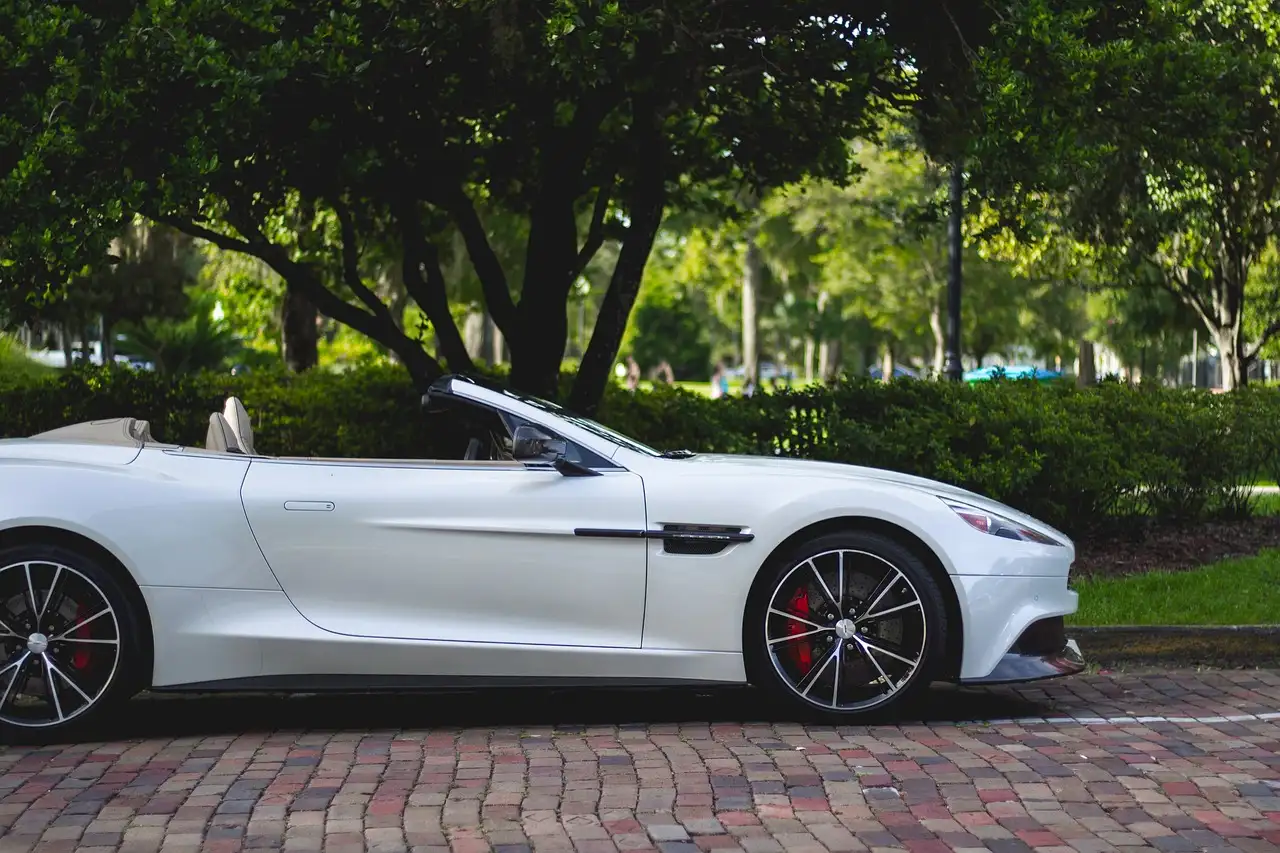
Automakers blur the names because styling sells, and body architecture does not always match the badge. A lower roof, frameless-looking side glass, or a tapered tail can lead to a coupe label even when the car has four doors. ISO 3833 still defines a coupe as having two doors, so the marketing term and the formal term can diverge.
Marketing names versus body architecture
The showroom label often reflects image more than structure. That is why a car can be sold as a coupe even when it uses four doors and sedan hardware underneath. For shoppers, the fix is to treat the label as a hint and the door count as the primary test.
How four-door coupes became common
Four-door coupes became more common because some buyers wanted a lower, sleeker look without giving up easy rear access. The result is a body that sits between categories: coupe-like roof, sedan-like doors. That middle ground is exactly where many listing errors happen.
Which is more practical: a coupe or a sedan?
A sedan is usually more practical for rear passengers, cargo loading, and daily access. A coupe is usually better if the buyer wants the two-door look and can live with tighter rear seats or no rear seats at all. The better choice depends on whether people or styling matter more in the car’s real use.
Rear seat access and headroom
Sedans win for rear-seat access because the back doors reduce the squeeze. They also tend to offer more headroom, while coupe rear seats are often smaller and less comfortable than the front seats. If adults ride in back often, the sedan is the safer pick.
Trunk access and cargo space
Coupe cargo space is often tighter, and SlashGear says a coupe has less than 33 cubic feet of space. That figure is a reminder that coupes usually make packaging tradeoffs. Sedans are usually easier for luggage because the trunk opening is more conventional and the cabin stays separate.
Who should choose each body style
Choose a coupe if the buyer wants the look, accepts tighter rear quarters, and rarely uses the back seat. Choose a sedan if the buyer carries passengers, child seats, groceries, or luggage on a regular basis. SlashGear calls a coupe the sportier version and a sedan more family-friendly, which fits the practical split buyers feel every day.
Verdict
Choose a coupe if the car has two doors, a fixed roof, and the rear seat is a low-priority space. Choose a sedan if the car has four doors, a three-box layout, and real back-seat use matters. If the listing says coupe but the car has four doors, treat it as a four-door coupe or fastback, not a classic coupe.
Frequently asked questions
How do you tell a coupe from a sedan fast?
Count the doors first. Two doors usually points to a coupe, and four doors usually points to a sedan. Then check the roofline and rear opening. If the rear glass lifts with the cargo area, it may be a hatchback or liftback instead of a plain sedan.
Is a coupe always two doors?
In the classic and formal sense, yes, that is the standard cue. ISO 3833 defines a coupe as having two doors. But marketing has blurred the term, so some four-door cars are sold as coupes even when they do not fit the traditional definition.
Can a car have four doors and still be called a coupe?
Yes. Automakers sometimes call low, four-door cars four-door coupes, especially when the roofline is tapered and the stance is sporty. That name can be useful for marketing, but the body is still not a classic two-door coupe. The door count still matters most for classification.
What makes a sedan a sedan?
A sedan is usually a four-door car with a fixed roof and a separate rear cargo area. The body is typically divided into engine bay, passenger cabin, and luggage compartment. That three-box layout is the cleanest way to recognize a sedan when badges or trim names are vague.
Are fastback cars coupes or sedans?
Either, depending on the door count and rear opening. Fastback describes the sloping rear shape, not the full body type. A fastback can be a coupe, a sedan, or a hatchback-based car, so the only safe answer is to inspect the doors and cargo access.
Do coupes have less rear seat and trunk space than sedans?
Usually, yes. Coupe rear seats are often smaller and less comfortable, and some coupes have no rear seats at all. Cargo area is commonly tighter too. That is why coupe owners accept a tradeoff: cleaner styling and tighter packaging in exchange for less everyday space.
Products related to this article
Sponsored / affiliate links. As an Amazon Associate I earn from qualifying purchases. I may earn additional commission from eligible campaigns.