Which Vehicle Type Is Best for Snowy Roads?
For many snowy roads, a small SUV or crossover with winter tires is often a strong all-around choice; for plowed city streets, any front-wheel-drive car on winter tires can work, while deep snow and unplowed rural roads often favor all-wheel drive, four-wheel drive, and higher ground clearance. Pick wrong and you get longer stops, more wheelspin, and more time stuck or scraping. This guide ranks vehicle types by the snow you actually drive and explains which traction, clearance, and winter features matter most.
Winter road decision table


This table ranks vehicle types by road condition, not by brand badge. The rating reflects whether the vehicle type is a good fit, the minimum equipment it needs, and the main failure case to watch.
| Road condition | Sedan | Wagon | Crossover | SUV | Pickup | Minivan |
|---|---|---|---|---|---|---|
| Plowed city streets | Good; winter tires; low clearance can still scrape on packed curb snow | Very good; winter tires, optional AWD; long nose or low front lip can catch frozen ruts | Very good; winter tires; higher ride height helps with curb slush | Good; winter tires; extra size can make parking and braking feel less tidy | Fair; winter tires, preferably weight in the bed; empty bed can reduce rear grip | Very good; winter tires; low front overhang can drag on plowed snow ridges |
| Suburban slush | Fair; winter tires, ideally FWD or AWD; slush can pack into wheel wells | Very good; winter tires and AWD help; lower ride height can still plow through deep slush | Excellent; winter tires and AWD; taller body helps in snow berms between lanes | Excellent; winter tires and AWD/4WD; heavier body can push wide in sloppy lanes | Good; winter tires and 4WD; rear end can skate if the bed is empty | Good; winter tires and FWD or AWD; long wheelbase can belly in slush piles |
| Steep icy hills | Fair; winter tires and AWD help launch; stopping still depends on tire grip | Very good; winter tires and AWD; low center of gravity helps control | Very good; winter tires and AWD; traction control can help, but momentum matters | Very good; winter tires and AWD/4WD; weight and size can lengthen stopping room | Good; winter tires and 4WD, plus ballast; empty rear axle can lose bite uphill | Fair; winter tires and FWD or AWD; long wheelbase can drag on steep breakovers |
| Rural unplowed roads | Poor; winter tires and AWD still leave limited clearance; fresh snow over 6–7 inches can contact the undercarriage | Good; winter tires, AWD, and careful route choice; deep drifts can still pack under the body | Very good; winter tires, AWD, and useful clearance; ruts can still stop the car if they get too deep | Excellent; winter tires, AWD/4WD, and high clearance; wide body can brush drifts on narrow lanes | Excellent; winter tires, 4WD, and good clearance; open bed does not help if the truck bottoms out | Poor to fair; winter tires and AWD help, but low clearance makes deep snow a hard limit |
| Ski-trip highways | Very good; winter tires are enough for plowed interstates; deep resort access roads can exceed its clearance | Very good; winter tires and optional AWD; a strong fit for long highway days and cargo | Excellent; winter tires and AWD; easy all-round fit for mixed highway and mountain access roads | Excellent; winter tires and AWD/4WD; larger size can mean more fuel use and parking hassle | Good; winter tires and 4WD; ride can feel busy on long paved stretches | Very good; winter tires and FWD or AWD; family and gear room are strong, but resort lots may be tight |
What matters most in snow?
Winter tires matter more than drivetrain for stopping and cornering. AWD or 4WD mainly helps you launch, climb, and keep moving on slick pavement. Ground clearance matters once snow gets deep enough to hit the body or undercarriage. Traction control can trim wheelspin, but it cannot make up for tires that lack winter grip.
Winter tires versus drivetrain
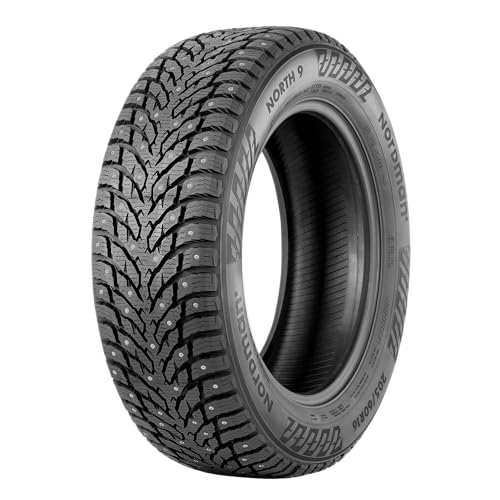
Winter tires are the main upgrade for snow traction and braking. One cited result showed moving to winter tires reduced stopping distance by an average of 38 feet. Another found AWD and FWD sedans on winter tires stopped within 4 feet of each other at 35 mph on ice. That is the key split: tires decide how well you stop and turn.
AWD is a substantial help when roads get slick, especially for acceleration and getting unstuck. It does not shorten stopping distance by itself. A rear-drive or front-drive car on winter tires can stop very well on plowed roads, while an AWD vehicle on all-season tires can still slide through an intersection.
Why clearance matters in deeper snow
Ground clearance matters more as snow depth rises and roads stop being neatly plowed. Sedans work best on plowed or lightly snowed roads, and anything over 6–7 inches of fresh unpacked snow can drag on a sedan’s undercarriage. That is where body style starts to matter as much as traction.
Picture a sedan trying to leave a driveway after a plow leaves a ridge at the apron. The tires may still turn, but the front bumper and underbody can sit on compacted snow before the wheels get enough bite. A taller crossover or SUV often clears that same ridge without a problem.
How traction control helps, and where it cannot help
Traction control can trim wheelspin and help the vehicle stay pointed straight on snow. It is useful on a slick launch, especially on hills or when pulling away from an intersection. It cannot fix poor tires, and it cannot shorten braking distance on ice.
Suppose a driver starts up a snowy ramp with the throttle pinned. Traction control may cut power and let the vehicle crawl forward. On the way back down, that same system does little for stopping if the tires are not winter-rated and the road is glazed.
Are sedans safe in snowy weather?
Yes, sedans can be safe in snowy weather when the roads are plowed and the car wears winter tires. Their lower center of gravity helps stability, and many front-wheel-drive sedans do well in daily winter commuting. They become much less suitable once snow depth, ruts, or unplowed sections start to build.
Where sedans work well
On plowed streets and highway routes, a sedan can be an excellent winter tool. Winter tires do the heavy lifting, while the lower ride height can help the car feel settled on packed snow. That combination makes sedans a smart match for commuters who stay on maintained roads.
For city use, a sedan also tends to be lighter and easier to place in tight traffic. That can matter more than badge prestige when the roads are merely snowy, not buried. A sedan on winter tires is a legitimate answer for many drivers.
Where sedans run out of clearance
Once fresh snow starts piling up, a sedan can run out of room fast. Deep ruts, unplowed shoulders, and driveway aprons are the common trouble spots. Over 6–7 inches of unpacked snow can drag on the undercarriage, and that can stop a car even if the wheels still have grip.
What equipment a sedan needs for winter use
A sedan for winter should start with winter tires. AWD or FWD helps it launch on slick pavement, but traction tires are still the priority. A heat package is useful too, especially heated seats and a heated steering wheel, but comfort features belong behind traction, braking, and clearance.
- Fit winter tires before the first sustained snow.
- Choose FWD or AWD if your route includes hills or long icy starts.
- Keep expectations tied to road condition, not just drivetrain.
- Avoid unplowed roads and snow deeper than the car can clear.
Why crossovers are the default winter pick
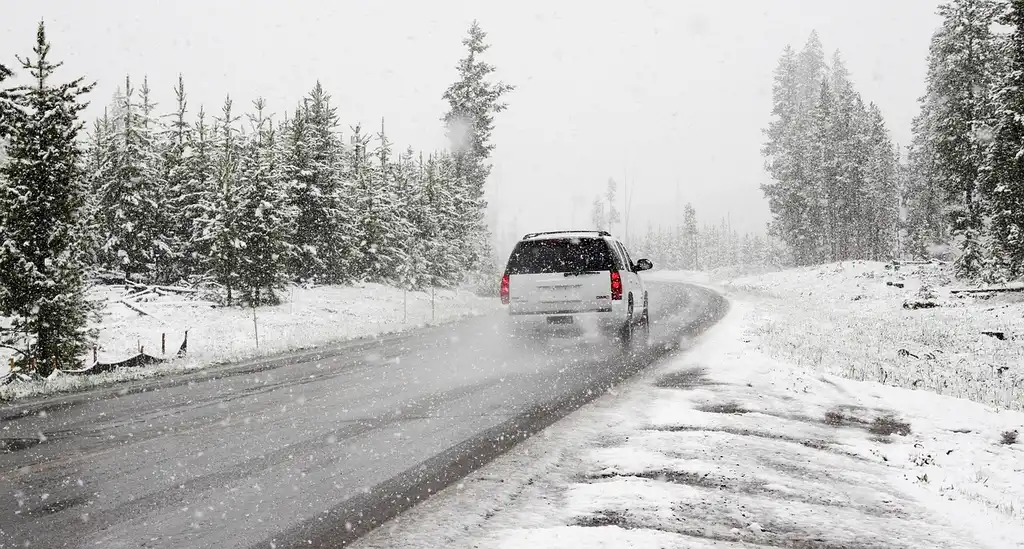
Crossovers are often the best all-around choice because they balance clearance, traction, comfort, and cost better than a larger SUV. They usually sit higher than a sedan, often offer AWD, and remain easy to live with on dry pavement. For mixed winter driving, that balance is hard to beat.
Why they fit mixed winter conditions
A crossover handles the daily winter mess most buyers actually see: slush, packed snow, plowed streets, and the occasional steep driveway. It usually has enough clearance to avoid scraping where a sedan might bottom out, while still feeling manageable in parking lots and on long commutes.
That does not mean every crossover is snow-proof. Winter tires still matter most, and the vehicle still needs enough clearance for the roads you use. A crossover with all-season tires is still a compromise in braking and cornering.
Common winter equipment to look
Look for winter tires first, then AWD, then useful driver aids such as traction control and snow modes. Heated seats and a heated steering wheel are worthwhile for cold starts and long commutes. If your area sees drifting snow or uneven plow berms, pay attention to ground clearance too.
The tradeoffs versus a sedan or wagon
A crossover gives up some car-like handling and often some fuel economy compared with a sedan or wagon. It also costs more than a comparable car in many trims. The trade is extra ride height and easier winter access, which is why crossovers land in the middle of so many shopping lists.
SUVs, wagons, pickups, and minivans
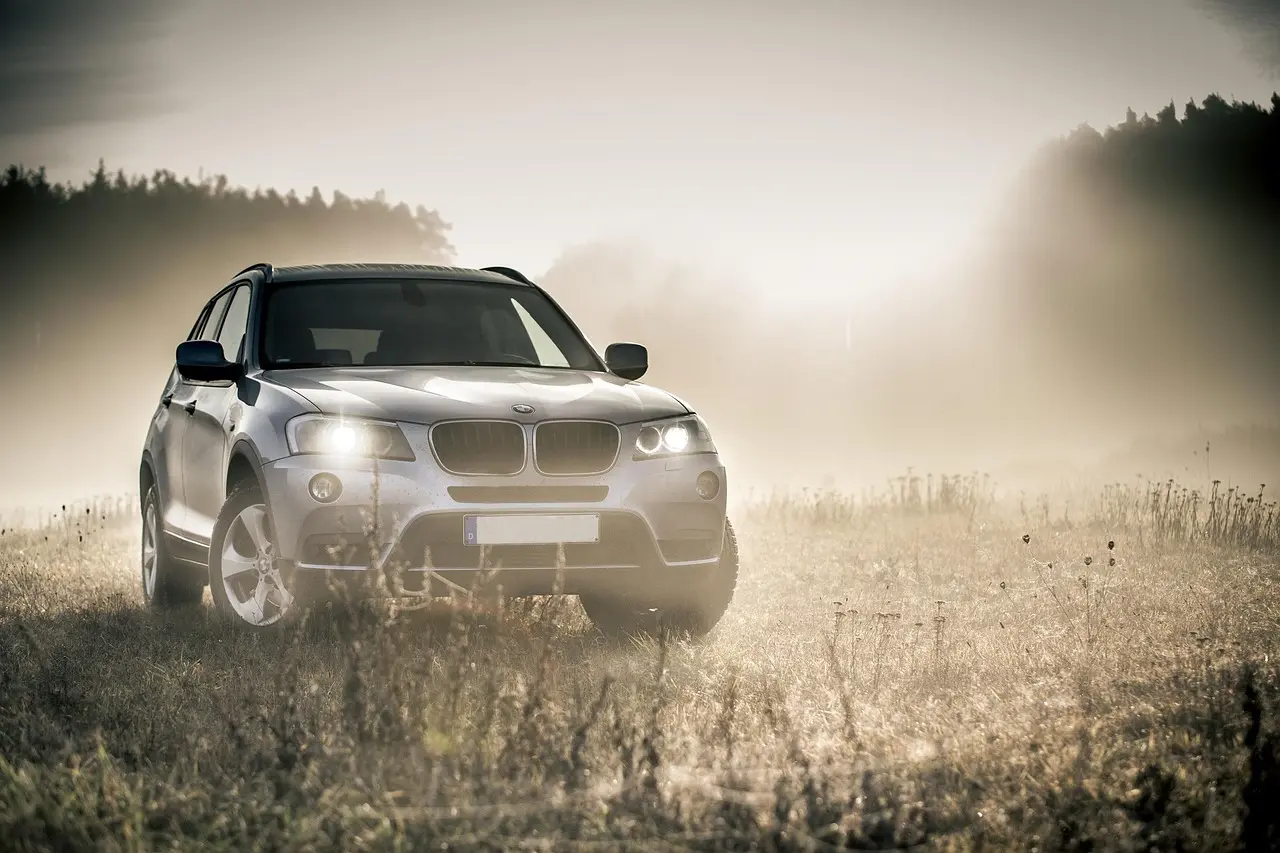
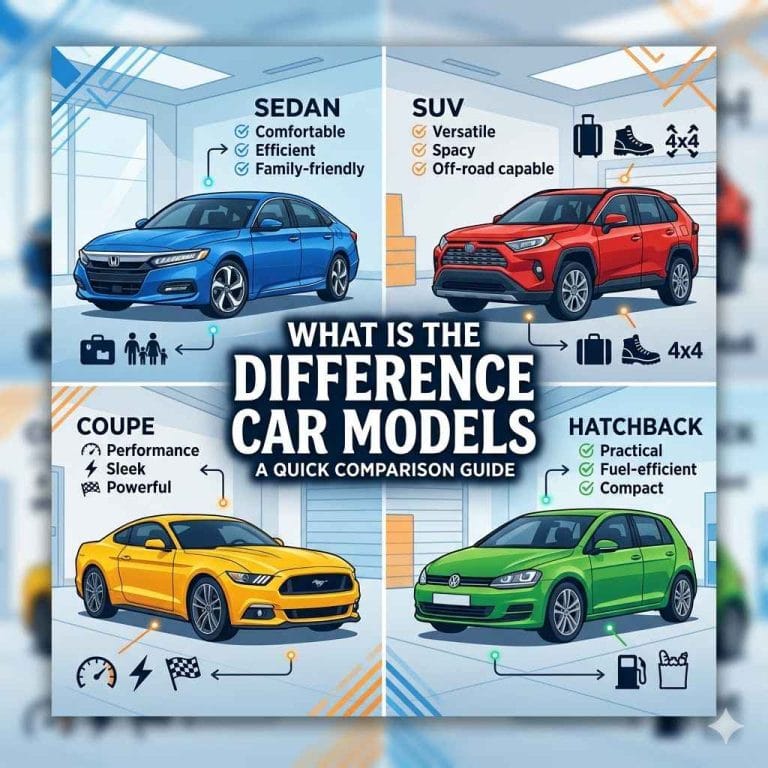
These body styles can all work in winter, but they solve different problems. SUVs and pickups are strongest when snow depth and road roughness rise. Wagons are the car-like choice with useful cargo room. Minivans are underrated on plowed and slushy roads, especially for families.
SUVs for deeper snow and rougher routes
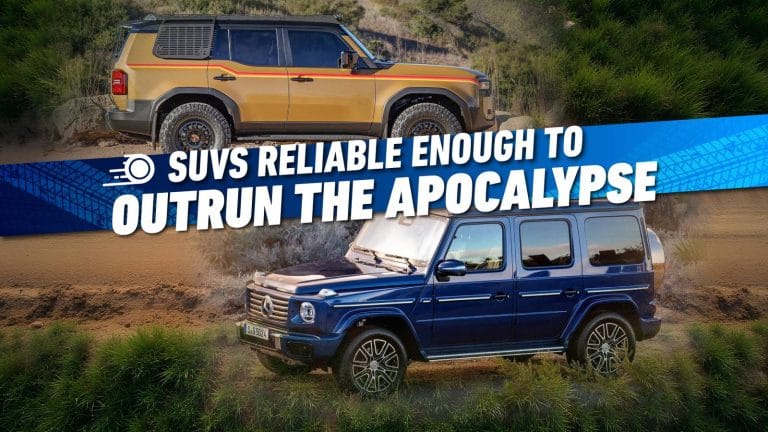
SUVs are a strong choice for mixed winter conditions, steep roads, and deeper snow. They usually offer higher ride height and available AWD or 4WD, which helps on unplowed approaches and packed ruts. The price is more size, more fuel use, and a larger vehicle to place on slippery pavement.
Some snow-oriented SUVs are built with meaningful hardware. The Ford Bronco Sport includes four-wheel drive on all models, and its ground clearance ranges from 7.8 inches to 8.8 inches depending on trim. The Mercedes-Benz E-Class All-Terrain uses 4Matic all-wheel drive and adaptive air suspension, and it can provide up to seven inches of ground clearance.
Wagons for car-like handling with winter capability
Wagons are a strong fit if you want winter ability without moving to a taller SUV. They often sit lower than SUVs but can still offer AWD and useful cargo room. The Volvo V60 Cross Country is one of the few classic wagons still on sale, and that body style remains appealing because it mixes space with stable road manners.
Wagons are especially sensible for drivers who spend most winter miles on plowed roads and want a vehicle that still feels close to a car. Their main weakness is clearance. If snow gets deep or ruts get ugly, a wagon can run out of room sooner than a crossover or SUV.
Pickups for rural routes and heavy snow
Pickups can do very well in rural snow and on rough access roads. Four-wheel drive and generous clearance help them push through drifts, and they are a natural fit where roads are partly plowed or where a driveway can stay buried for days. The empty bed is the catch.
An empty pickup bed can reduce rear traction, especially on ice or when starting uphill. Added weight or proper ballast can help, but winter tires still matter. A truck is not automatically better than an SUV; it is better when the route is rough, the snow is deep, or cargo and utility are part of the job.
Minivans for families on plowed and slushy roads
Minivans are often overlooked, yet they can be very capable on plowed and slushy roads when equipped properly. Their low step-in height helps with child seats and daily loading, while available AWD improves foul-weather confidence. They are less appealing once snow gets deep enough to threaten clearance.
For family duty, a minivan can be an excellent winter road partner. It usually gives you more passenger room than a crossover and easier cargo loading than an SUV. The failure case is the same one that hurts sedans: too much snow under the body.
Do AWD vehicles need winter tires?
Yes. AWD vehicles need winter tires for real winter safety. AWD helps with acceleration and getting unstuck on slippery surfaces, but it does not reduce stopping distance by itself. If the road is icy, the tire compound and tread matter more than the number of driven wheels.
What AWD helps
AWD is most useful when you need to start moving on snow, climb a slick hill, or pull out of a drifted parking space. It can make a vehicle feel calmer and less likely to spin a wheel on launch. That is valuable, but it is only one part of winter control.
What AWD does not fix
AWD does not make braking shorter on ice, and it does not improve steering grip enough to cancel poor tires. The car can still slide through a stop sign if the tires are wrong. That is why winter tires remain the first recommendation for snow use.
When 4WD adds value over AWD
4WD can add value when the route is rough, the snow is deeper, or the vehicle needs more deliberate low-speed control on bad surfaces. It is common in snow-oriented SUVs and trucks. Even then, 4WD still needs winter tires for braking and cornering on real winter roads.
A common first-timer mistake is buying an AWD crossover and skipping winter tires because the vehicle “already has snow mode.” That can feel fine in a lightly dusted lot, then fall apart on the first icy hill stop. The drivetrain helps get moving; the tires decide how well the vehicle slows down and turns.
Frequently asked questions
What are the best cars for snow?
The best cars for snow are not one body style but the right setup for your road. On plowed streets, a sedan, wagon, or minivan with winter tires can work well. For mixed winter use, a crossover is often the best all-around choice. For deep snow, look for AWD or 4WD and more clearance.
What cars are good for snow?
Good snow cars include sedans on winter tires, wagons with AWD, crossovers with winter tires, SUVs with AWD or 4WD, and even minivans on maintained roads. The road condition matters more than the label. Deep snow, packed ruts, and steep hills push you toward higher ride height and better traction hardware.
Which vehicle type is best for snowy roads?
For most drivers, a crossover with winter tires is the best match for snowy roads because it balances clearance, traction, comfort, and everyday usability. If your roads are mostly plowed, a sedan can still be a smart choice. If your route is unplowed or deeply rutted, an SUV or pickup becomes more appropriate.
Is an SUV better than a sedan for snow?
An SUV is better than a sedan for deep snow, rough routes, and unplowed roads because it usually has more clearance and often AWD or 4WD. A sedan can be just as capable on plowed roads if it has winter tires. For icy braking, the tire choice matters more than the body style.
Do AWD vehicles need winter tires for snow?
Yes. AWD helps with acceleration and getting unstuck, but winter tires are what improve stopping and cornering in snow. That difference matters on ice and at intersections. An AWD vehicle on all-season tires can still stop poorly, while a non-AWD vehicle on winter tires can be far more controllable.
Is ground clearance more important than AWD in snow?
It depends on the road. On plowed streets and packed slush, AWD can matter more for starting on hills and pulling away cleanly. In deep snow, packed ruts, and unplowed roads, ground clearance becomes the larger issue because a low vehicle can drag before traction even becomes useful.
What vehicle features matter most for winter driving?
Winter tires matter most, followed by AWD or 4WD if your roads are slick or steep. Ground clearance matters when snow is deep. Traction control helps with spin, and heated seats plus a heated steering wheel improve comfort. Those comfort features are useful, but they should never replace the tire decision.
Products related to this article
Sponsored / affiliate links. As an Amazon Associate I earn from qualifying purchases. I may earn additional commission from eligible campaigns.