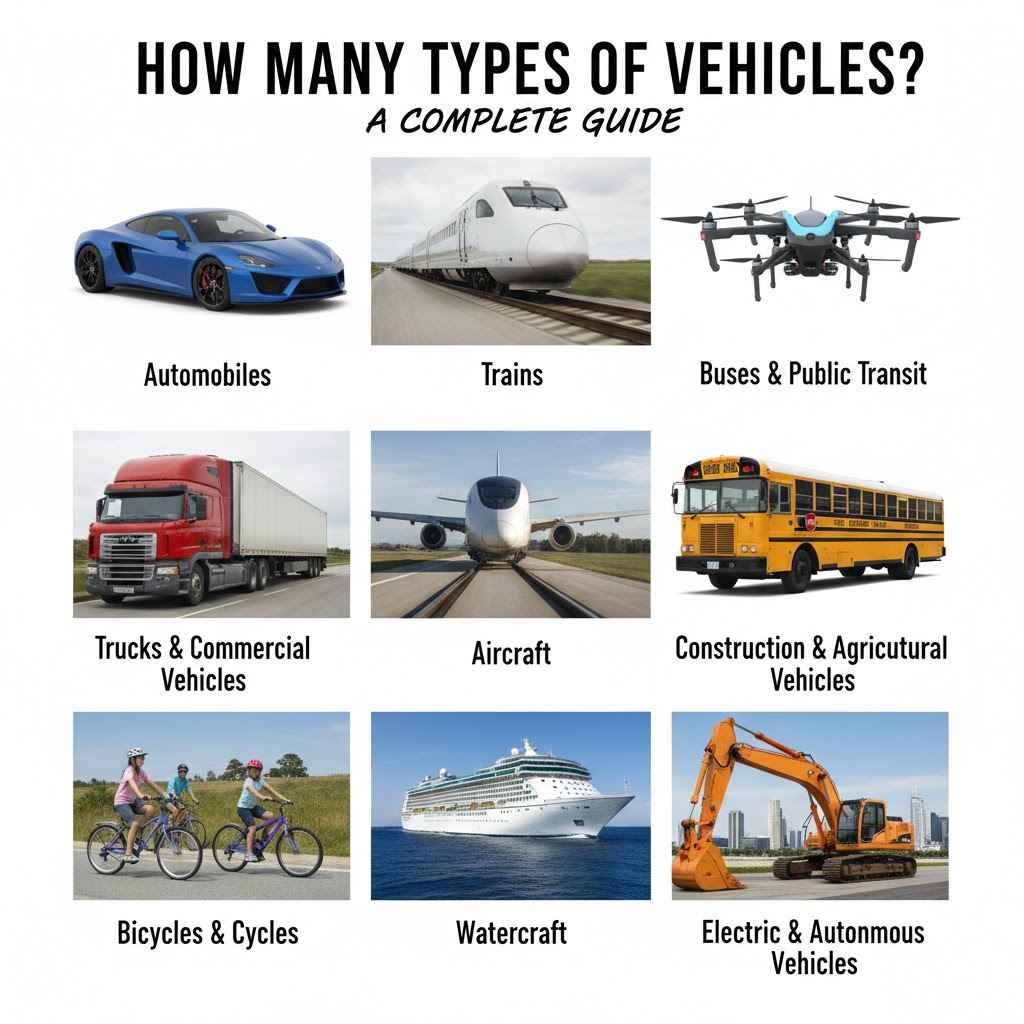
How Many Types of Vehicles are There? A Complete Guide
How Many Types Of Vehicles Are There
Vehicles have changed the way people live, work, and travel. From the first simple carts to today’s advanced electric cars, the world of vehicles is always growing. But have you ever wondered just how many types of vehicles are there?
Most people only think about cars, bikes, or buses. The truth is, there are many more. Some are common, others are rare, and each serves a unique purpose. Knowing about these types can help you choose the right one, understand their differences, and even see how transport shapes society.
In this article, you’ll discover every major type of vehicle, from land to air and water, plus some you probably never knew existed. Let’s explore the world of vehicles in detail.
What Makes A Vehicle?
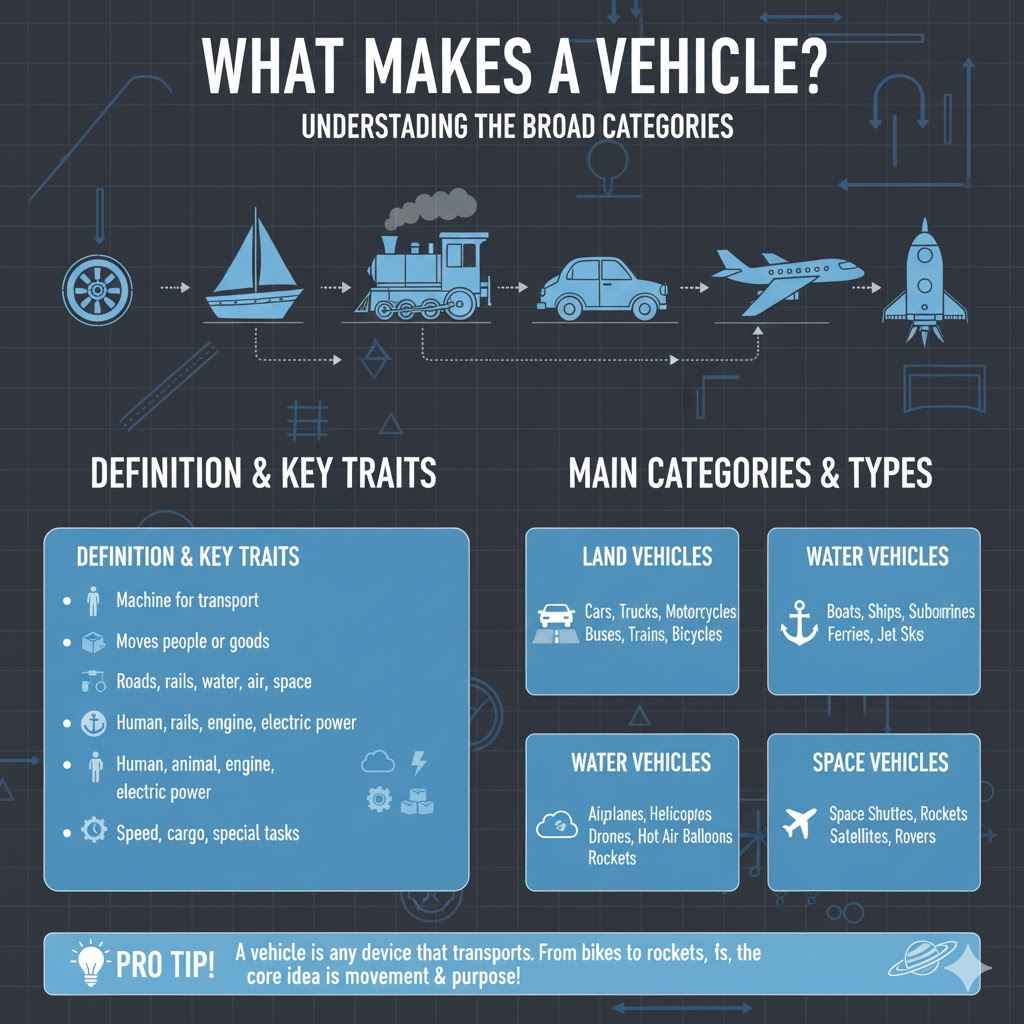
Before diving into the types, it’s important to understand what a vehicle is. A vehicle is any machine or device designed to transport people or goods from one place to another. Vehicles can move on roads, rails, water, air, or even in space. They can be powered by humans, animals, engines, or electricity. Some vehicles are built for speed, others for heavy loads, and some for special tasks.
Understanding this broad definition is key. For example, a bicycle and a cargo ship are both vehicles, but they are very different. Now, let’s break down the main categories and their types.
Land Vehicles
Land vehicles are the most common and easiest to spot. They move on roads, tracks, or off-road surfaces. There are many types, each with unique features and uses.
Passenger Vehicles
Passenger vehicles are mainly used to transport people. Here are the main types:
- Cars: The most popular vehicle for personal use. Cars come in many styles such as sedans, hatchbacks, SUVs, and coupes. According to Statista, over 1.4 billion cars are used worldwide.
- Motorcycles: Fast, nimble, and ideal for solo travel. There are standard motorcycles, cruisers, sport bikes, and touring bikes.
- Scooters: Smaller than motorcycles, scooters are easy to ride and perfect for city travel.
- Buses: Designed for public transport, buses can carry dozens of people at once. There are city buses, intercity buses, and school buses.
- Minivans: Often used by families, minivans have extra seating and cargo space.
- Pickup Trucks: Useful for carrying both passengers and goods, pickup trucks are popular in rural areas.
Commercial And Cargo Vehicles
These vehicles are made to transport goods or serve businesses.
- Trucks: Trucks range from small delivery vans to massive semi-trailers. The largest trucks can carry over 40 tons of cargo.
- Vans: Used by businesses for deliveries, service work, or passenger transport. Examples include cargo vans and shuttle vans.
- Lorries: In Europe, lorries are large trucks used for hauling goods.
- Tankers: Special trucks designed to carry liquids like fuel, milk, or chemicals.
- Dump Trucks: Used in construction, dump trucks carry and unload materials like sand, gravel, and debris.
- Refrigerated Trucks: Also called “reefers,” these trucks keep goods cold during transport.
- Tow Trucks: Used to move broken-down vehicles or clear accident sites.
Special Purpose Vehicles
Some vehicles are made for specific tasks.
- Ambulances: Designed to carry sick or injured people with medical equipment inside.
- Fire Engines: Equipped for firefighting, these vehicles carry water, hoses, and ladders.
- Police Cars: Built for speed and safety, police cars help officers patrol and respond quickly.
- Garbage Trucks: Used to collect and transport waste.
- Construction Equipment: This includes bulldozers, excavators, and cranes, which are technically vehicles because they move and carry materials.
- Hearses: Used for transporting the deceased during funerals.
Recreational Vehicles
Some land vehicles are made for fun, adventure, or travel.
- RVs (Recreational Vehicles): Like mobile homes, RVs have living space and are used for camping or travel.
- ATVs (All-Terrain Vehicles): Designed for rough terrain, ATVs are popular for off-road adventures.
- Golf Carts: Small vehicles for moving around golf courses or resorts.
- Go-Karts: Used for racing or recreation on closed tracks.
Non-motorized Land Vehicles
Some vehicles don’t use engines or motors. They rely on human or animal power.
- Bicycles: Powered by pedaling, bicycles are used by millions for commuting and exercise.
- Rickshaws: Common in Asia, rickshaws are either pulled by humans or cycled.
- Horse-Drawn Carriages: Used mostly for tourism or special events.
- Skateboards and Roller Skates: While not traditional vehicles, they are used for travel over short distances.
Rail Vehicles
Rail vehicles move on tracks and are essential for mass transit and freight.
- Trains: Carry passengers or cargo over long distances. There are passenger trains, freight trains, and high-speed trains.
- Trams: Also called streetcars, trams operate in cities and move on tracks laid on roads.
- Subways/Metros: Underground or elevated trains used for urban transport.
- Monorails: Move on a single rail, often used in airports or theme parks.
Comparing Land Vehicle Types
Here’s a quick comparison of passenger land vehicles:
| Vehicle Type | Capacity | Average Speed (km/h) | Main Use |
|---|---|---|---|
| Car | 4-5 | 80-120 | Personal Travel |
| Bus | 30-50 | 40-80 | Mass Transit |
| Motorcycle | 1-2 | 60-180 | Solo Travel |
| Bicycle | 1 | 15-25 | Personal/Exercise |
| Train | 100-1000+ | 80-300 | Long Distance/Mass Transit |
Water Vehicles
Water vehicles are designed to move on lakes, rivers, seas, and oceans. They range from small boats to giant ships.
Boats
Boats are smaller water vehicles, often used for fishing, transport, or recreation.
- Rowboats: Powered by rowing, usually for short distances.
- Sailboats: Use wind and sails for movement.
- Motorboats: Powered by engines, used for fishing or leisure.
- Speedboats: Built for high speed, often used for racing or quick travel.
- Fishing Boats: Equipped for catching fish, with nets and storage space.
- Yachts: Luxury boats for recreation, some are very large and expensive.
Ships
Ships are larger than boats, made for carrying people or cargo over long distances.
- Cargo Ships: Move goods worldwide; the largest can carry over 20,000 containers.
- Tankers: Transport liquids like oil, gas, or chemicals.
- Passenger Ships: Include ferries and cruise ships; cruise ships are like floating hotels, carrying thousands of people.
- Warships: Built for defense, like aircraft carriers and destroyers.
- Submarines: Travel underwater, used for research or military.
- Icebreakers: Special ships that break ice in polar regions.
Other Water Vehicles
Some water vehicles are unique or serve special purposes.
- Hovercrafts: Move over water and land using a cushion of air.
- Jet Skis: Small, fast watercraft for recreation.
- Houseboats: Boats designed as living spaces.
- Ferries: Transport people, vehicles, and goods across water.
Water Vehicle Comparison
Let’s compare key water vehicle types:
| Vehicle Type | Capacity | Average Speed (km/h) | Main Use |
|---|---|---|---|
| Rowboat | 1-4 | 2-5 | Short Transport |
| Sailboat | 1-10 | 5-20 | Recreation/Sport |
| Cargo Ship | Up to 20,000 containers | 30-40 | Global Trade |
| Cruise Ship | 2,000-6,000 passengers | 35-45 | Leisure Travel |
| Jet Ski | 1-2 | 50-100 | Recreation |
Air Vehicles
Air vehicles make travel possible above the ground, crossing great distances quickly. They are vital for passenger transport, cargo, and special missions.
Aircraft
Aircraft are machines that fly in the air. Here are the main types:
- Airplanes: The most common air vehicle, carrying people or goods. There are commercial jets, private planes, and military aircraft.
- Helicopters: Can hover and take off vertically. Used for rescue, transport, and military.
- Gliders: Aircraft without engines, relying on air currents.
- Drones (UAVs): Unmanned aerial vehicles, used for photography, surveillance, or delivery.
- Cargo Planes: Specialized for moving goods, like the Boeing 747 Freighter.
- Fighter Jets: Built for speed and agility, used by air forces.
Lighter-than-air Vehicles
These vehicles float because they are filled with gases lighter than air.
- Hot Air Balloons: Use heated air to rise; popular for recreation.
- Zeppelins/Airships: Large, powered balloons used for transport or advertising in the past.
- Blimps: Similar to zeppelins but with a flexible hull.
Space Vehicles
Though not common, space vehicles are a unique category.
- Rockets: Used to reach space, carrying satellites or astronauts.
- Space Shuttles: Designed for repeated trips between Earth and space.
- Satellites: Not a vehicle in the traditional sense, but used for communication and observation.
Comparing Air Vehicle Types
Here’s a comparison of common air vehicles:
| Vehicle Type | Capacity | Average Speed (km/h) | Main Use |
|---|---|---|---|
| Airplane | 100-800 | 800-950 | Passenger/Cargo |
| Helicopter | 2-30 | 200-350 | Transport/Rescue |
| Hot Air Balloon | 2-16 | 5-20 | Recreation |
| Drone | 0 | 50-160 | Surveillance/Delivery |
| Rocket | Up to 7 (crewed) | 28,000+ | Space Travel |
Animal-powered Vehicles
While less common today, animal-powered vehicles are still used in some parts of the world.
- Horse-Drawn Carriages: Used for tourism, ceremonies, or rural travel.
- Ox Carts: Used for farming or carrying goods in rural areas.
- Dog Sleds: Used in snowy regions for transport and racing.
- Camel Carts: Popular in deserts for carrying people or goods.
These vehicles are eco-friendly but slower and limited by animal endurance.
Human-powered Vehicles
Some vehicles rely only on human strength.
- Bicycles: One of the most efficient human-powered vehicles.
- Pedal Boats: Used for recreation on water.
- Skateboards, Roller Skates, and Scooters: Used for short distances and fun.
A non-obvious insight: Many cities are investing in bicycle infrastructure to promote eco-friendly travel. This shift is making human-powered vehicles more important in urban planning.
Electric And Hybrid Vehicles
Technology is changing the vehicle world. Electric and hybrid vehicles are becoming more common because they use less fuel and produce fewer emissions.
- Electric Cars: Powered only by batteries; Tesla is a leading brand.
- Hybrid Cars: Use both fuel and electricity.
- Electric Bicycles (e-bikes): Combine pedaling with electric power.
- Electric Scooters: Popular for urban travel.
- Electric Buses and Trucks: Used for public transport and delivery.
Many countries offer incentives for buying electric vehicles, and sales are rising every year. For example, in 2023, over 10 million electric cars were sold globally.
Autonomous Vehicles
Autonomous vehicles, or self-driving vehicles, use sensors and computers to drive themselves.
- Self-Driving Cars: Still in testing, but some can already drive on highways.
- Autonomous Buses: Used in some cities for short routes.
- Delivery Robots: Small vehicles that deliver food or packages.
A detail beginners miss: Autonomous vehicles are not only cars. Many farms use autonomous tractors and harvesters for agriculture.
Military Vehicles
Military vehicles are designed for defense and combat.
- Tanks: Armored vehicles for battle.
- Armored Personnel Carriers: Move soldiers safely.
- Military Trucks: Carry equipment and troops.
- Jeep: Famous military vehicle, now also used for recreation.
- Fighter Jets: Fast and powerful aircraft.
- Warships and Submarines: Used for naval defense.
Military vehicles are often more durable and powerful than civilian ones.
Emergency And Service Vehicles
These vehicles help in emergencies or provide essential services.
- Ambulances: Move patients quickly to hospitals.
- Fire Trucks: Carry firefighting tools.
- Police Cars: Help enforce law and order.
- Rescue Helicopters: Used for search and rescue missions.
- Utility Vehicles: Used for maintenance or repair of power lines, water systems, etc.
Unusual And Experimental Vehicles
Some vehicles are rare or built for special reasons.
- Hovercrafts: Move over land and water.
- Amphibious Vehicles: Can travel both on land and water.
- Jetpacks: Personal flying devices, still experimental.
- Hyperloop Pods: High-speed tubes, still under development.
- Snowmobiles: Used in snowy regions for fast travel.
A tip: Some experimental vehicles, like the hyperloop, could change travel in the future. They aim to move people at speeds over 1,000 km/h.
Factors That Define Vehicle Types
There are several ways to classify vehicles:
- Purpose: Passenger, cargo, recreation, emergency, military
- Power Source: Human, animal, fuel, electric, hybrid
- Medium: Land, water, air, space
- Technology: Manual, automated, experimental
Each type has its own benefits and challenges. For example, electric vehicles are cleaner but need charging stations, while fuel vehicles are faster to refuel.
How Vehicles Impact Society
Vehicles shape cities, economies, and daily life. For example:
- Cars make travel easy but cause traffic and pollution.
- Trains allow mass transit, reducing road congestion.
- Ships drive global trade, moving goods across oceans.
- Airplanes connect countries and speed up business.
A non-obvious insight: The rise of ride-sharing apps (like Uber or Grab) is changing how people use vehicles. Many now prefer using shared vehicles instead of owning them.
What You Should Know Before Choosing A Vehicle
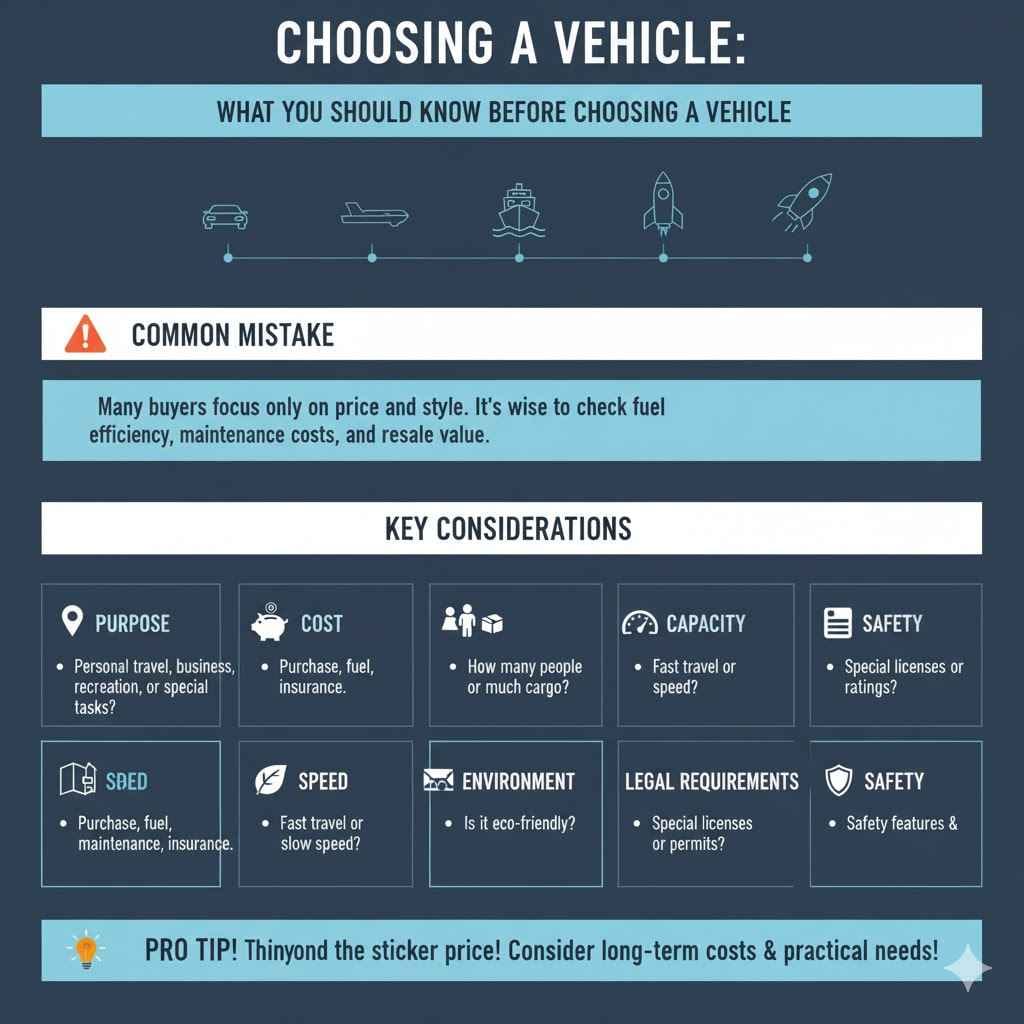
If you’re thinking about buying or using a vehicle, consider these points:
- Purpose: Is it for personal travel, business, recreation, or special tasks?
- Cost: Include purchase, fuel, maintenance, insurance.
- Capacity: How many people or how much cargo will it carry?
- Speed: Do you need fast travel or is slow speed acceptable?
- Environment: Is the vehicle eco-friendly?
- Legal Requirements: Some vehicles need special licenses or permits.
- Safety: Look for safety features and ratings.
A common mistake: Many buyers focus only on price and style. It’s wise to check fuel efficiency, maintenance costs, and resale value.
Frequently Asked Questions
What Is The Most Common Type Of Vehicle In The World?
The car is the most common vehicle. Globally, there are over 1.4 billion cars. They are used for personal transport and are available in many styles and sizes.
How Are Vehicles Classified?
Vehicles are classified by purpose, power source, medium, and technology. For example, passenger vs. cargo, land vs. water, fuel vs. electric, manual vs. automated.
Are Electric Vehicles Better Than Fuel Vehicles?
Electric vehicles are more eco-friendly and cost less to operate, but they need charging stations and often cost more upfront. Fuel vehicles are easier to refuel and have longer range but produce more pollution.
What Is An Amphibious Vehicle?
An amphibious vehicle can travel on both land and water. Examples include certain military vehicles and recreational vehicles designed for adventure.
Where Can I Learn More About Vehicle Types?
You can find detailed information at Wikipedia, which covers history, types, and the science behind vehicles.
Every type of vehicle has its own role in society. From simple bicycles to complex rockets, vehicles help us move, work, and explore. Knowing the different types can help you make smarter choices and understand the world around you. As technology grows, new types of vehicles will appear, changing how we live and travel. See also cheapest vehicle types to insure and why they cost less.