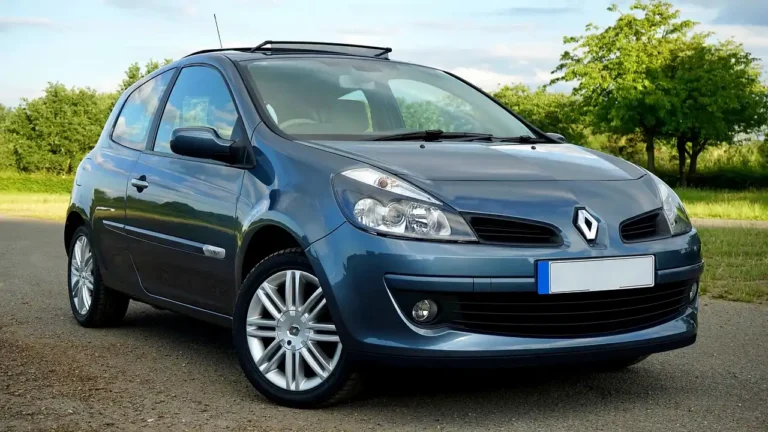
What Is a Subcompact Car? Benefits and Drawbacks
A subcompact car is usually defined by the EPA as having roughly 85 to 99 cubic feet of passenger volume. It sits below a compact car in size, so rear-seat space, cargo room, and highway comfort can run short fast if the fit is wrong. EPA passenger-volume class definitions are used in vehicle labeling and fuel-economy data.
What is a subcompact car?
That small footprint is the point. Subcompact cars are usually the easiest cars to place in tight parking spots, and they often return high MPG for their size, but the class asks you to give up room somewhere else.
Where it sits in the size ladder
Think of a subcompact car as the entry point for mainstream passenger cars. A compact car is the next step up and usually gives you more interior room, easier rear-seat access, and more relaxed daily use for adults or gear.
That gap matters because it changes the whole ownership experience. In a subcompact, every inch does work. In a compact, there is more slack for passengers, bags, and long drives.
Sedan and hatchback body styles
Subcompact cars come as sedans or hatchbacks. A sedan body usually puts cargo in a separate trunk, while a hatchback opens the rear area and often makes awkward items easier to load.
That does not mean a hatchback fixes everything. Extra cargo utility often comes with a trade-off in rear-seat comfort or a smaller cabin shape, so the body style matters as much as the badge on the grille.
Why shoppers confuse them with subcompact SUVs
Shoppers often mix up subcompact cars and subcompact SUVs because both can be small and both can be priced in the same general range. The difference is body style and stance: a subcompact SUV rides higher, usually has a more upright seating position, and often gives you easier entry and exit. Compact SUVs sit above both categories in size and space, so they are a step up rather than a like-for-like match.
If you want a lower driving position, sedan-like controls, and the smallest footprint, you are looking at a subcompact car. If you want more ride height and a more SUV-like shape, compare subcompact SUVs instead.
📊 Car and Driver says its rankings are based on roughly 200 data points. Source: Best Subcompact SUVs for 2026, Tested.
Why do buyers choose subcompact cars?
Buyers choose subcompact cars for three main reasons: they are the smallest and least expensive mainstream vehicles, they are easy to park and maneuver in city traffic, and they often return strong fuel economy. Those strengths matter most when your driving is short, dense, and repetitive.
U.S. News says subcompact cars are great city cars because they maneuver easily and park in tight spaces. U.S. News also says they tend to get great fuel economy, which is part of the appeal for commuters watching both time and fuel bills.
Easy parking and tight-space maneuvering
This is the most obvious benefit. A smaller car is easier to thread through narrow streets, drop into cramped parking spots, and turn around in crowded lots. That can save time every day, not only once in a while.
Say your commute ends with a garage that leaves little room on both sides. A subcompact can feel far less stressful than a larger compact or SUV because the doors, mirrors, and turning circle leave more margin for error.
Lower purchase price in the mainstream market
Subcompact cars often start at the low end of the new-car market, although model and trim choices can change that quickly. U.S. News ranks the 2026 MINI Cooper #1 among subcompact cars, and MINI lists the Cooper Hardtop 2 Door at a starting MSRP of $29,500 and the John Cooper Works Hardtop 2 Door at $38,900.
That spread shows why shoppers should look at trim content, not only the class name. Some subcompact cars are tuned for value, while others add sporty or premium touches that push the price up.
Fuel economy and city commuting value
Fuel economy is one of the class’s biggest strengths, but it varies by model and powertrain. A small gas engine, hybrid setup, or electric powertrain can change the city and highway numbers a lot.
For the 2026 MINI Cooper, MINI lists 27 city / 39 highway MPG for the Cooper Hardtop 2 Door and 28 city / 39 highway MPG for the Cooper Hardtop 4 Door. That split shows the basic pattern buyers should watch: city and highway numbers are separate, and the gap can tell you how the car behaves in the kind of driving you actually do.
What are the drawbacks of a subcompact car?
The main drawbacks are limited passenger room, limited cargo room, and less comfort on long trips. Adults in the back may feel cramped, and the smaller cabin can also mean more road noise, less legroom, and a firmer feel after hours behind the wheel.
That is why a subcompact can be the right city car and still be the wrong family car. The class makes a clear trade: easier living outside the car, tighter living inside it.
Rear-seat room and adult comfort limits
Rear-seat space is usually the first compromise. Tall adults may run out of knee room, and headroom can feel tight depending on roof shape. Rear doors can also open into a smaller space, which makes child seats or quick loading less pleasant.
Picture a couple using the back seat for two adults on a 90-minute highway drive. In a subcompact, the seatbacks, foot room, and shoulder room can feel close enough that the trip becomes tiring sooner than it would in a compact car.
Cargo space limits on sedan models
Sedan versions usually take the biggest hit here because the trunk opening is smaller and the cabin is more separated from the load area. That works for groceries and briefcases, but it gets awkward for boxed items, strollers, or anything tall.
Hatchbacks help, yet the space gain is not free. A hatchback often improves cargo utility, but some of the car’s rear volume is still short of what a compact car or small SUV can provide.
Long-trip fatigue, road noise, and ride comfort
Long drives expose the class’s limits. A shorter wheelbase can make the ride feel busier over rough pavement, and the cabin may let more tire or wind noise reach the front seats. That does not make the car bad; it just makes it less relaxing for extended highway use.
For a road-trip buyer, that matters more than a single MPG figure. If you spend hours on interstates with adults in every seat, a bigger car often feels easier to live with.
Subcompact car decision table
| Driving use case | Parking ease | Passenger comfort | Cargo needs | Highway use | Yes/No | Why it fits / why it fails |
|---|---|---|---|---|---|---|
| Solo city commuter | Excellent | Good for one | Light | Occasional | Yes | Best fit for parking, traffic gaps, and low running costs. It fails only if you regularly need more cabin space. |
| Couple with occasional luggage | Excellent | Good | Moderate | Moderate | Yes | Works well if the second seat row is used lightly. It fails when sedan trunk space becomes the bottleneck. |
| Small family | Good | Fair | Moderate to high | Moderate | No | Child seats and gear can fit, but the cabin gets crowded fast. It fails when rear-seat and cargo needs stack up together. |
| Rideshare driver | Excellent | Fair | Light to moderate | Moderate | No | Great on fuel and parking, weaker for adult passenger comfort. It fails when rear-seat riders expect more space. |
| Road-trip buyer | Good | Fair to poor | Moderate | High | No | The class is the wrong match for frequent highway miles. It fails on noise, space, and long-distance comfort. |
How does a subcompact car compare with a compact car?
A compact car is the better pick when you want more room without moving up to a larger vehicle class. Compared with a subcompact, it usually gives you more rear-seat space, better shoulder room, and more forgiving cargo packaging for daily life.
The practical question is simple: do you value size or space more? If you mostly drive alone and park in tight places, the smaller car can make sense. If you often carry adults or gear, the compact car usually wins.
| Category | Subcompact car | Compact car | Subcompact SUV |
|---|---|---|---|
| Footprint | Smallest | Mid-size among these three | Similar to subcompact car, but taller |
| Parking ease | Best | Good | Good to very good |
| Rear-seat comfort | Most limited | Better | Often better than a subcompact car, but still limited |
| Cargo flexibility | Lowest unless hatchback | Better balance | Usually strongest of the three for bulky items |
| Driving position | Low | Low to moderate | Higher and more upright |
| Best use case | City commuting and easy parking | Mixed commuting and family use | Small-family compromise with SUV stance |
Interior room and rear-seat access
Compact cars generally make it easier for adults to get in and out of the rear seat. That sounds minor until you use the back row often, load a child seat, or sit through a long drive with another adult behind you.
Subcompact cars can still work for short rides. The difference is that compact cars give you more room to forget about the second row, while subcompacts make you notice it.
Cargo room and daily usability
For daily use, cargo space often matters more than the spec sheet suggests. A compact car usually handles backpacks, groceries, sports gear, and strollers with less compromise, even when it is not a hatchback.
A subcompact hatchback can still be clever. But when the cargo load grows, the smaller cabin tends to force a choice between passenger comfort and luggage space.
When the extra size is worth it
Choose the compact car if you often drive with more than one adult, carry bulky items, or take regular highway trips. The added size usually pays back in comfort and flexibility faster than many shoppers expect.
Choose the subcompact car if city parking, short trips, and fuel use matter more than space. That is the cleanest way to decide between compact car vs subcompact car.
Which models help explain the class?
Model examples help because they show how wide the class can be. Some subcompact cars are style-first or sporty, while some crossovers and electric hatchbacks sit close to the same shopper pool even though they are not the same body style.
Mini Cooper and Nissan Leaf as subcompact-car examples
The 2026 MINI Cooper is a useful reference point because it sits at the premium end of the class.
The 2026 Nissan Leaf is presented as a different example of the class, with up to 55.5 cubic feet of cargo space behind the front row on S and SV Plus trims. That makes it a strong example of how hatchback packaging changes the value equation.
Mazda CX-30 and Kia Seltos as subcompact SUV examples
The 2026 Mazda CX-30 is not a subcompact car; it is a subcompact SUV. Mazda positions it with more ride height than a car, and the CX-30 starts at $25,975 on Mazda’s site. That makes it a useful comparison when a shopper is deciding whether the higher seating position is worth the space trade-off.
The 2026 Kia Seltos is another subcompact SUV reference point. Kia says the Seltos delivers 28/34/31 MPG city/highway/combined on the LX FWD trim, which shows why some shoppers cross-shop these vehicles with subcompact cars: the numbers can overlap, even though the body style and seating position do not.
What the numbers say about price, MPG, space, and range
The comparison is clearer when the figures sit side by side. Subcompact cars often win on parking and size, while some subcompact SUVs can beat them on entry height and cargo shape. Electric or premium subcompact cars can also change the usual price and range assumptions.
Use the numbers to sort the choices, not to pick by badge alone. A hatchback subcompact may be the better cargo tool. A compact car may be the better family tool. A subcompact SUV may be the better compromise if you want a taller seat and can give up some efficiency or cabin space.
Frequently asked questions
What are the benefits of a subcompact car?
The biggest benefits are easy parking, quick maneuvering in tight streets, lower purchase cost in the mainstream market, and strong fuel economy. Those gains matter most if you drive mostly alone, mostly in town, or mostly on short trips.
How is a subcompact car different from a compact car?
A compact car is larger and usually gives you more room for passengers and cargo. The compact car vs subcompact car choice usually comes down to whether you want easier city use or more daily comfort and flexibility.
What is the difference between a subcompact car and a subcompact SUV?
A subcompact SUV rides higher and usually gives you a more upright seating position, while a subcompact car sits lower and is typically better at parking and efficiency. If you want easier entry and a more SUV-like feel, compare SUVs; if you want the smallest footprint, stay with the car class.
Are subcompact cars good on fuel?
Yes, many are. U.S. The same source says subcompact cars tend to get great fuel economy, and specific models can range widely depending on engine or powertrain. The 2026 MINI Cooper, for example, is rated at 27 city / 39 highway MPG for the Cooper Hardtop 2 Door.
Do subcompact cars have enough cargo space?
Sometimes, but only for light use. A sedan body is usually the tightest. A hatchback can carry more, and the 2026 Nissan Leaf shows how useful that shape can be with up to 55.5 cubic feet of cargo space behind the front row, but passenger space still stays limited.
Products related to this article
Sponsored / affiliate links. As an Amazon Associate I earn from qualifying purchases. I may earn additional commission from eligible campaigns.