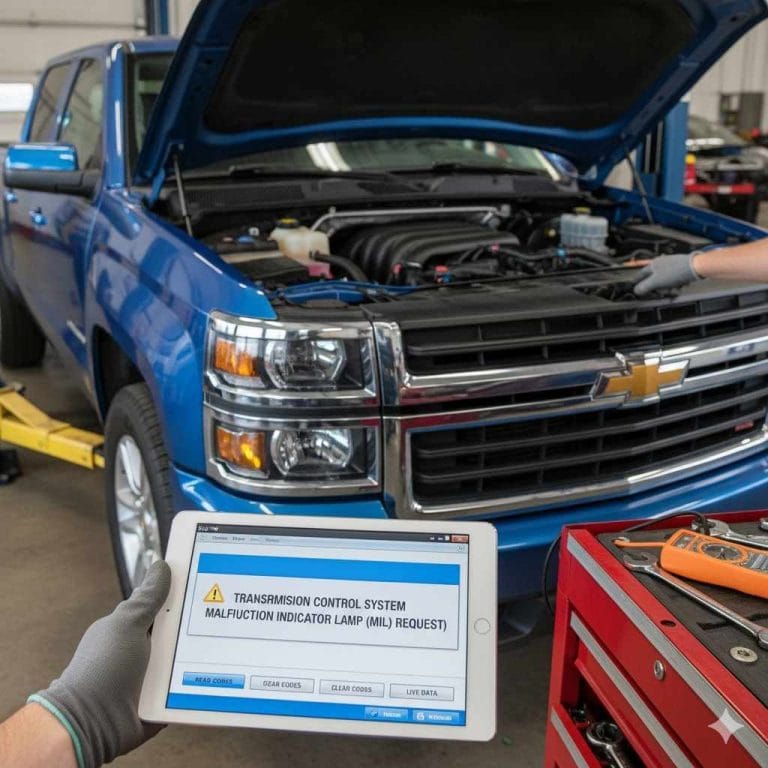
Transmission Control Module Basics
Transmission control module basics: the TCM is the transmission’s shift computer, and you should suspect it only after power, ground, fuse, wiring, and input/output sensor checks pass. Replace it too soon and you can waste a significant amount of money while the real fault stays. This guide explains what the TCM does, what symptoms actually fit, and how to rule out battery, wiring, sensor, solenoid, and valve-body faults first.
Most cars on the road today have an automatic transmission. In that setup, the transmission control module, or TCM, decides when the unit shifts, how firmly it shifts, and how much line pressure it commands based on what the rest of the vehicle is doing.
Some manufacturers call it a TCU, short for transmission control unit. On some vehicles, TCM and TCU mean the same thing. On others, the TCU names a broader controller or software inside another module, so the label alone does not tell you what failed.
Author note and diagnostic scope: I write from hands-on repair experience with scan-tool diagnosis, wiring checks, and transmission-related drivability faults, but this article is not a substitute for factory service information. Where OEM procedures, pinout charts, software bulletins, or hydraulic pressure specifications are missing, I treat the diagnosis as incomplete rather than guessing at a module failure.
What a transmission control module actually does
The TCM’s job in shift timing, line pressure, and gear selection
The TCM manages automatic shifting logic. It reads inputs from the engine and drivetrain, then decides shift timing, gear selection, torque-converter behavior on applicable designs, and commanded line pressure inside the transmission.
That is different from the transmission itself. The transmission is the geartrain, clutch pack, pump, valve body, and fluid circuits that take crankshaft torque and send it to the driveshafts or axle shafts, and in an automatic the unit changes gears without the driver moving a clutch pedal or shift fork. The TCM is the computer that tells that hardware when to apply a clutch, release a clutch, or raise line pressure.
When the TCM sees a fault it cannot trust, it may trigger limp mode. To a driver, limp mode usually feels like reduced gears, one-gear operation, delayed engagement, or a vehicle that starts in the wrong gear and refuses normal shifting.
Which inputs the TCM watches
A healthy TCM decision depends on believable inputs. Common ones include engine load, throttle demand, engine speed, input and output shaft speeds, vehicle speed, brake-switch status, transmission pressure sensor data, and transmission fluid temperature sensor data.
If one of those inputs goes irrational, the module can make bad decisions even when the module itself is fine. I have seen a skewed pressure sensor drive odd line-pressure commands, and a failed fluid temperature sensor change shift timing, warning-light behavior, and protection strategy.
That is why harsh or delayed shifts do not prove module failure. The TCM can only act on the information it receives.
TCM vs TCU: same name on some vehicles, separate functions on others
Drivers often hear TCM and TCU used interchangeably, and many service writers do the same. That shorthand is usually harmless, but diagnosis gets messy fast when one brand uses a separate transmission computer and another folds transmission logic into a powertrain controller.
Before any parts decision, identify whether the vehicle has a standalone module, an internal transmission-mounted module, or transmission functions integrated with another control unit. That changes scan-tool access, wiring paths, replacement options, and whether programming will be required.
Where is the transmission control module located?
The transmission control module can be inside the transmission, mounted on the case, placed in the engine bay, under the dash, or integrated with another control unit. Its location matters because heat, vibration, moisture, and fluid intrusion often create faults that look like module failure.
Common TCM mounting points
There is no single universal location. Some designs put the module inside the transmission or on the valve body. Others place it on the exterior case to shorten wiring runs. Some use a separate box in the engine compartment or the cabin.
Integrated setups are easy to miss. A scan report may show transmission-related codes even though there is no separate module to replace.
Why location matters during diagnosis
An internal unit sees heat and fluid. An engine-bay unit sees moisture and vibration. A case-mounted unit often suffers connector strain. A cabin-mounted unit is better protected, but wiring damage between the module and transmission moves higher on the suspect list.
Knowing the location helps isolate whether the likely fault is electronic, environmental, or wiring-related. It also tells a driver whether a simple connector inspection is realistic or whether pan removal and deeper service will be involved.
What are the first signs of a bad transmission control module?
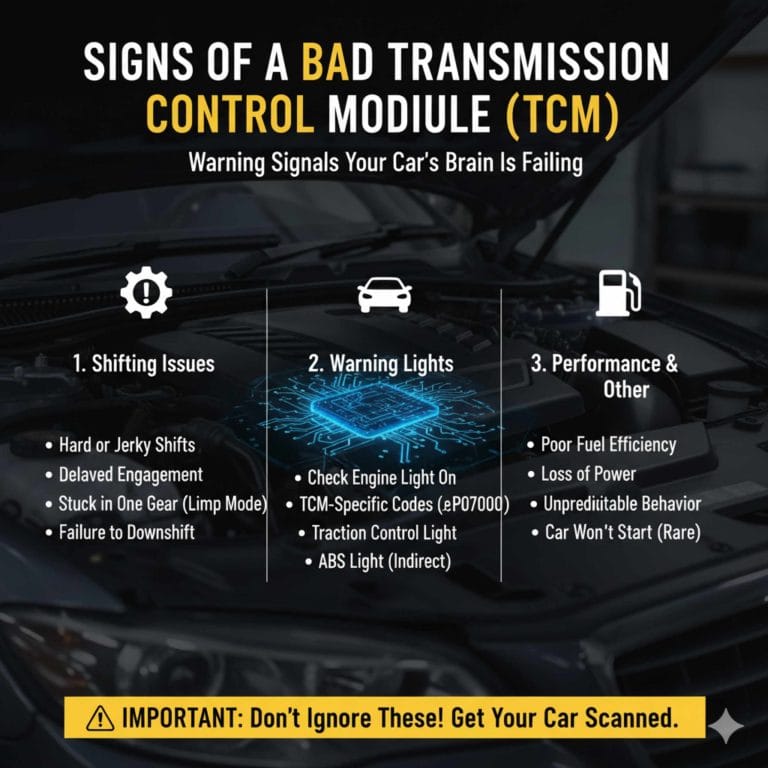
Early signs that can fit a bad TCM include harsh shifts, delayed shifts, wrong-gear starts, stuck-in-gear behavior, limp mode, transmission warning lights, or a scan tool that cannot communicate with the module. Those signs still overlap with battery, wiring, sensor, solenoid, and hydraulic faults, so symptoms alone are weak proof.
Symptoms that can fit TCM failure
- Harsh upshifts or downshifts
- Delayed engagement into drive or reverse
- Starts in a higher or lower gear than expected
- Stays in one gear or enters limp mode
- Intermittent loss of communication with the transmission controller
- Warning lights paired with transmission-related codes
Symptoms that point away from the module
A repeatable slip in one gear, a flare only during a certain shift, or noise tied to one gear range can point more toward internal transmission wear or valve-body trouble than a failed TCM. Solenoids also fail on their own and can muddy the code picture because the module reports what it sees, not always the root cause.
Fluid condition still matters, even in a TCM-focused diagnosis. Burnt fluid, obvious contamination, delayed engagement, or slipping under load can shift suspicion away from the controller and toward the unit itself. For service intervals, I trust the vehicle maker’s maintenance schedule over universal mileage claims because interval guidance varies widely by design, use, and fluid specification.
Can a dead battery cause transmission control module problems?
Yes. A weak or dead battery, or unstable charging voltage, can sometimes create communication faults, module resets, odd sensor readings, and limp-mode behavior that can look like TCM failure. Battery, alternator, and voltage checks belong at the start because low voltage can waste hours and lead to needless module replacement.
Why voltage faults fool people
Control modules need stable supply voltage. When system voltage drops during cranking or swings while driving, a transmission module may set communication codes, lose learned values, or stop commanding shifts consistently.
That problem can look dramatic. The car may bang into gear, stay in one gear, or light multiple warning lamps, yet the real issue is outside the transmission.
What to check before blaming the module
- Check battery condition and charge state.
- Check charging-system output and stability.
- Load-test the battery if there is any doubt.
- Inspect battery terminals, main grounds, and power distribution connections.
- Look for voltage-drop issues under load.
Battery disconnect can also force some vehicles to relearn shift adapts later. That does not mean the TCM failed. It means the control system lost memory and needs to re-establish normal shift behavior.
How do I tell if the transmission control module or transmission is bad?
Start with power supply and communication, then use scan data to compare what the TCM commands with what the transmission appears to do. If power, grounds, fuses, wiring, sensors, and solenoids check out but commands remain irrational or the module will not communicate, TCM failure becomes more likely than mechanical transmission failure.
Step 1: power supply first
Check transmission fuses and relays early, since a fault there can stop operation or communication. A blown fuse can prevent operation or block communication entirely. If the module never powers up, replacing it will change nothing.
Also inspect grounds and the transmission wiring. Corrosion, loose pins, fluid intrusion, damaged insulation, and poor grounds routinely imitate bad modules. Intermittent wiring faults are common because the drivetrain moves and vibrates.
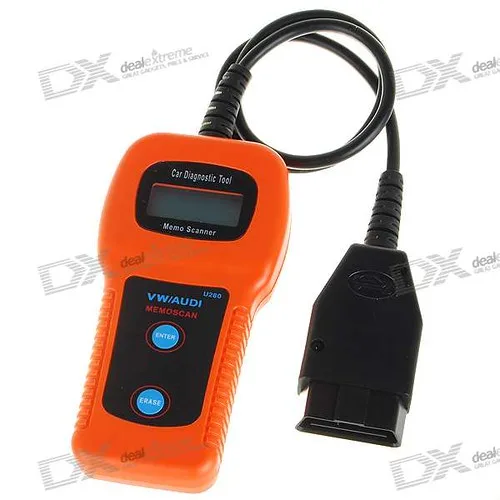
Step 2: use an OBD2 scan tool the right way
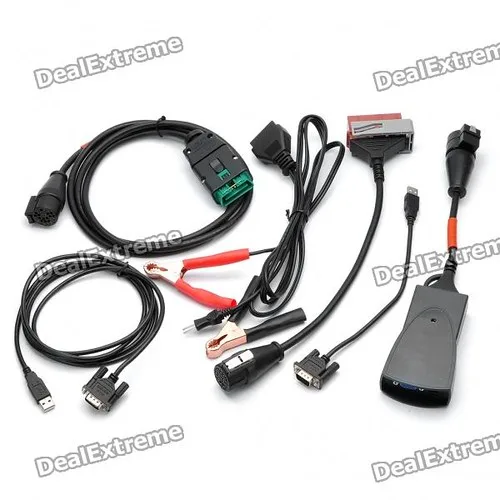
An OBD2 scan tool is the next gate in the decision tree. A basic code reader may pull generic powertrain codes, but it may miss some manufacturer-specific transmission data, live solenoid commands, clutch adapts, and bi-directional tests.
A professional-level tool can do more than read codes. It can confirm whether the TCM is online, show live pressure or temperature readings where supported, and compare commanded gear to actual ratio or shaft-speed results.
What codes show a transmission control module problem?
There is no safe universal code list that proves TCM failure across every make. What matters is code type and context. Categories that can suggest a module problem include:
- Communication faults where the TCM drops offline
- Internal control module performance or memory faults
- Multiple irrational input codes with confirmed good wiring and sensor power
- Output-command faults where the module command does not match known-good circuit behavior
One code by itself is weak evidence. A no-communication condition caused by a blown fuse is still a power-supply problem, not a bad module. An internal module fault code is stronger, but it still needs power, ground, and connector checks first.
Step 3: separate sensors and solenoids from the module
Transmission solenoids can fail independently of the TCM. When they stick, short, or open, the module may log gear-ratio or circuit codes and the vehicle may enter limp mode. The TCM may be doing its job correctly by reacting to a failed actuator.
The same logic applies to a transmission pressure sensor and transmission fluid temperature sensor. If the pressure sensor reports impossible values, line pressure strategy can turn erratic. If the temperature sensor lies, the TCM may delay shifts, change shift feel, or trigger protection behavior.
Step 4: separate electrical faults from valve-body faults
The valve body is the hydraulic and mechanical shift-control assembly inside many automatic transmissions. It routes fluid to clutches and bands based on solenoid commands and internal hydraulic conditions.
Valve-body wear, sticking valves, separator-plate issues, and internal leakage can mimic electronic failure. A scan tool may show the TCM commanding a normal shift while the transmission still flares, binds, or delays. That split between command and response points away from the module.
| Finding | More likely cause | Do not replace yet? |
|---|---|---|
| Low or unstable system voltage, multiple module faults | Battery or charging system | Yes |
| No TCM communication, blown transmission fuse | Fuse, relay, or power feed | Yes |
| Intermittent harsh shifts after bumps or wet weather | Harness, connector, ground, or fluid intrusion | Yes |
| Specific solenoid circuit code with normal module power and communication | Solenoid or wiring to solenoid | Yes |
| Irrational pressure or temperature reading on live data | Pressure sensor or fluid temperature sensor | Yes |
| Normal commands but poor hydraulic response | Valve body or internal transmission fault | Yes |
| Confirmed power/ground good, wiring good, commands irrational or module offline internally | TCM failure | No, replacement may be justified |
Evidence-backed live-data patterns I use before condemning a TCM
The most reliable clues come from comparing commanded values to actual values. The exact PID names vary by scan tool, but the failure patterns below are vehicle-agnostic and are consistent with OEM diagnostic logic used across many electronically controlled automatics.
| Live-data or test result | Example | What the pattern usually means | Diagnostic boundary |
|---|---|---|---|
| System voltage at TCM unstable | 11.2 V during crank, then 12.1-15.8 V swings while driving | Power or charging fault can corrupt module behavior and communications | Do not call the TCM bad until battery, alternator, and voltage-drop tests pass |
| Commanded gear changes, ratio does not follow | TCM commands 3rd, input speed and output speed stay near prior ratio | Hydraulic, clutch, valve-body, or solenoid apply problem is more likely than TCM logic failure | Needs ratio interpretation for that transmission; wrong math can mislead diagnosis |
| Transmission temperature implausible at cold start | TFT shows 300°F with engine cold after overnight park | Sensor or circuit fault; harsh or protective shifting may be secondary | Verify PID units and compare to ambient temperature before replacing parts |
| Pressure PID irrational compared with commanded pressure | Commanded line pressure rises during load, reported pressure remains fixed or jumps erratically | Pressure sensor, wiring, or hydraulic fault is more likely than a failed controller | Not all vehicles provide direct pressure PIDs; use what the platform supports |
| No communication with TCM, but known-good powers and grounds present | Scan tool communicates with PCM and ABS, not TCM; fuse, ground, and CAN integrity check good | Module failure becomes plausible | Still confirm network wiring and connector pin fit before replacement |
| Solenoid command present, circuit response absent | Bi-directional command issued, no current change or no audible/hydraulic response | Open circuit, short, failed solenoid, or connector issue | Requires proper test method; some units need current ramp data or scope work |
Real-world example: I have diagnosed vehicles that arrived with harsh 1-2 shifts and a transmission warning light where the only root cause was low charging voltage under load. After voltage stabilized, the TCM communication and shifting complaints disappeared. I have also seen the opposite case: clean power and ground, intact network wiring, repeat no-communication at the TCM only, and the replacement-and-programming path was justified.
Driver diagnosis flowchart before replacing the module
Driver-friendly TCM decision tree
Use this order: battery and charging check, fuse check, scan codes, connector and wiring inspection, solenoid and sensor comparison, then a TCM replacement decision. At every stage, if a look-alike fault appears, stop and fix that issue first. The branch is always “do not replace yet.”
- Battery and charging check
If battery state, load test, or charging stability fails, do not replace yet. Correct voltage issues, clear codes, and retest. - Transmission fuse and relay check
If a fuse is blown or relay feed is missing, do not replace yet. Restore power supply, then confirm module communication. - Scan codes and live data
If the scan tool shows communication loss, internal module faults, or irrational data, keep going. If the tool is too basic to read transmission data, do not replace yet. Get proper scan capability first. - Connector, grounds, and harness inspection
If there is corrosion, backed-out pins, fluid intrusion, damaged loom, or a loose ground, do not replace yet. Repair the wiring path and retest. - Solenoid and sensor comparison
If a solenoid circuit fault, pressure sensor fault, or fluid temperature sensor fault explains the symptom, do not replace yet. Confirm the failed component or its circuit. - Hydraulic and valve-body separation
If the TCM command is normal but the shift result is wrong, do not replace yet. Suspect valve-body or internal hydraulic trouble. - TCM replacement decision
Only after power, grounds, fuses, wiring, sensors, solenoids, and other likely hydraulic look-alikes are ruled out should TCM failure move near the top of the list.
Why this order saves money
It keeps cheap, common faults ahead of expensive, less common ones. A connector repair, fuse repair, or battery replacement hurts a lot less than a programmed module that does not fix the car.
It also keeps the evidence clean. If a module is replaced before the power supply and wiring are confirmed, any result afterward is hard to trust.
Do I need to reset or program a transmission control module after repair?
Usually yes after replacement, and sometimes after related repairs or a battery disconnect. Many TCMs need programming, coding, immobilizer matching, or a shift relearn before they work correctly. Even when the original module stays in place, battery loss or valve-body work can require adapts to be reset.
What happens after TCM repair or replacement?
A replacement module may arrive blank, partially configured, or cloned from another unit. Depending on the vehicle, it may need software loading, VIN coding, security matching, and a learned-clutch or shift-adapt procedure.
Used modules carry risk. Hardware may fit while software or calibration does not. Even when the unit communicates, shift quality or warning lights may remain until proper programming is completed.
Cost framing and misdiagnosis risk
Diagnosis cost varies with scan-tool depth and access time. Module prices vary widely between used, remanufactured, and new parts. The main cost trap is misdiagnosis, especially when a harness fault, solenoid, or valve-body problem is mistaken for a failed controller.
A driver can spend heavily on module replacement and programming, then still need a harness repair, solenoid, or valve-body service. That is why the decision tree matters more than the symptom list.
Is it safe to drive with a bad transmission control module?
Sometimes briefly, sometimes no. If symptoms are mild and the vehicle shifts consistently, short limited driving may be possible, but active limp mode, erratic gear changes, wrong-gear starts, or loss of response make continued driving risky. Safety depends on how predictable the vehicle remains, not on the warning light alone.
When driving should stop
If the vehicle bangs into gear, drops into limp mode in traffic, starts in the wrong gear, or loses predictable acceleration, it should not stay in service any longer than necessary to move to a safe place. Those conditions can affect merging, crossing traffic, and hill starts.
Fluid issues also should not be ignored. Checking fluid condition and obvious leaks is still worthwhile, though it should not replace the electrical decision tree above.
How much does transmission control module repair or replacement usually cost?
Costs vary by module location, scan-tool needs, programming requirements, and whether the real problem is the module at all. Diagnosis and software labor can matter as much as the part price, and used modules can lower the upfront bill while raising the risk of compatibility or repeat failure.
What usually drives the bill
- Time to prove power, ground, and harness integrity
- Need for a professional scan tool instead of a basic code reader
- Programming, coding, or relearn procedures
- Module access difficulty if the TCM is internal or case-mounted
- Whether a solenoid pack, valve body, or wiring repair is the actual fix
I avoid quoting one universal price because labor times, software access, and part strategy vary too much by platform. The more useful rule is this: if nobody has proved powers, grounds, network integrity, and live-data plausibility first, the estimate is still incomplete.
What else can mimic a bad transmission control module?
The most common look-alikes are low voltage, blown fuses, bad relays, damaged harnesses, poor grounds, corroded connectors, failed solenoids, bad pressure sensors, bad fluid temperature sensors, and valve-body faults. Those problems can cause the same warning lights, limp mode, and shift complaints that many people blame on the module.
The common imitators
Low voltage is high on the list because it can create communication faults across multiple modules at once. Fuse and relay problems can take the TCM offline entirely. Wiring damage can make the fault come and go, which often sends diagnosis in the wrong direction.
On the transmission side, solenoids, pressure sensors, and fluid temperature sensors frequently overlap with TCM symptoms. Valve-body faults then add a second layer, because a hydraulic failure can look electronic when the gear change does not match the command.
Maintenance still has a place here. Neglected fluid, the wrong fluid specification, or overdue service can muddy the diagnostic picture even when the TCM and wiring are healthy. Where evidence is thin, I draw a hard line: if live data, electrical tests, or factory procedures are missing, I do not treat “bad TCM” as proven.
Frequently asked questions
What does a transmission control module do?
The transmission control module is the computer that manages automatic shifting logic. It uses engine, speed, load, temperature, pressure, and driver-demand inputs to decide shift timing, gear selection, and line pressure, then can trigger limp mode when detected faults make normal shifting unsafe or unreliable.
Where is the transmission control module located?
The TCM may be inside the transmission, mounted on the case, placed in the engine bay, under the dash, or integrated with another control unit. The exact location affects heat exposure, moisture risk, connector access, and how likely wiring issues are to mimic module failure.
Can a dead battery cause transmission control module problems?
Yes. A weak or dead battery can cause low-voltage resets, communication faults, false codes, harsh shifting, and limp-mode behavior that imitate a failed TCM. Voltage stability matters during diagnosis, so battery condition, charging output, and load testing should come before module replacement.
How do I tell if the transmission control module or transmission is bad?
Compare power supply, scan data, and actual shift response. If fuses, grounds, wiring, sensors, and solenoids are good, but the module will not communicate or gives irrational commands, TCM failure becomes likely. If commands look normal but shifts remain wrong, hydraulic or mechanical transmission faults move higher.
Do I need to reset or program a transmission control module after repair?
Often yes. Many replacement TCMs need programming, coding, immobilizer matching, or relearn procedures before normal operation returns. Even without module replacement, battery disconnect, valve-body service, or related repairs can require shift adapts to be reset and relearned.
What else can mimic a bad transmission control module?
Low voltage, blown transmission fuses, faulty relays, damaged transmission wiring harnesses, poor grounds, corroded connectors, failed solenoids, bad pressure sensors, bad fluid temperature sensors, and valve-body faults can all mimic a bad TCM. Each should branch to “do not replace yet” until confirmed or ruled out.
s
- Vehicle manufacturer service information and wiring diagrams for the specific make, model, year, and transmission.
- SAE technical literature on electronically controlled automatic transmissions and transmission diagnostics.
- NHTSA service communications and manufacturer technical service bulletins where applicable.
- OBD-II scan data, circuit-voltage testing, and continuity or voltage-drop testing performed during diagnosis.
Products related to this article
Sponsored / affiliate links. As an Amazon Associate I earn from qualifying purchases. I may earn additional commission from eligible campaigns.
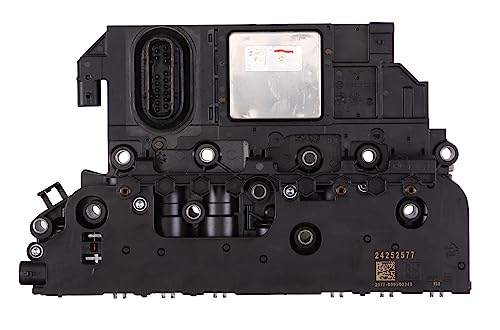 24275869 Transmission Control Module TCM Compatible with GM 6T70 6T75 6T80
 XYZIL 12 Pin 4 Speed Transmission Controller Shift Range Selector 8223049 Compatible with JLG Lull 1044C-54 6036 6042 10054 10042 8042 w/ DT06-12S Plug Compatible with Skytrak 4266 4270 4290 Forklift
 Astibym 4L80E Transmission Controller Full Manual Shift 4L80E NCR80E