How Much Does Transmission Control Repair Cost on Average?
Transmission control repair may cost about $150–$600 for wiring or component repair, around $500–$1,200 for a rebuilt or remanufactured TCM, and roughly $100–$250 for programming; dealer replacement can be around $1,000–$2,000 or more. Bad diagnosis burns money fast, leaves the transmission stuck in limp mode, or swaps in a good module for no reason. This guide breaks down repair, replacement, and programming prices, plus the factors that make one quote fair and another inflated.
What a transmission control module does
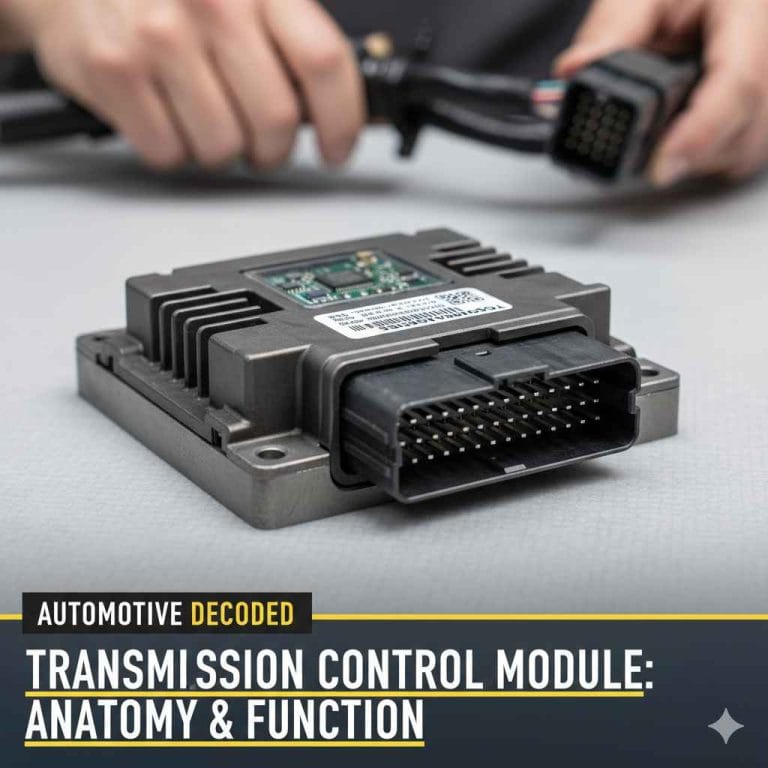
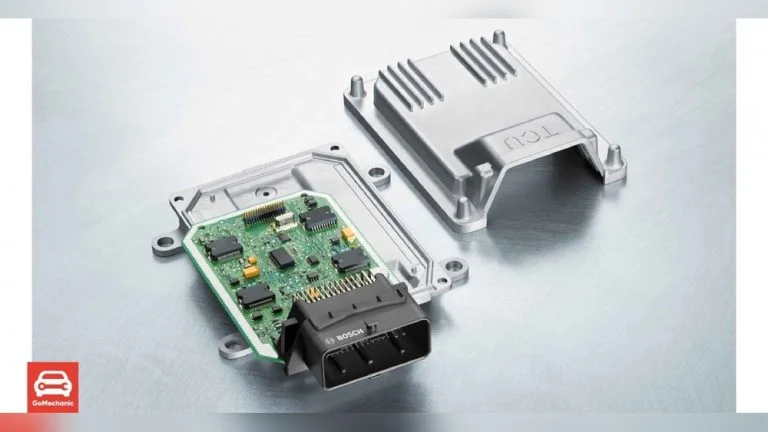
The transmission control module, or TCM, is the electronic unit that tells an automatic transmission when to shift, how hard to apply pressure, and how to react to sensor input. When it fails, I usually see late shifts, harsh shifts, missing gears, or limp mode meant to protect the drivetrain.
Why a module fault can look like a transmission problem
A bad TCM can look like worn clutches, valve body trouble, or engine trouble. That is why I want a scan tool, fault-code review, and basic circuit checks before anyone orders a module. A shifting complaint alone does not prove the TCM is bad.
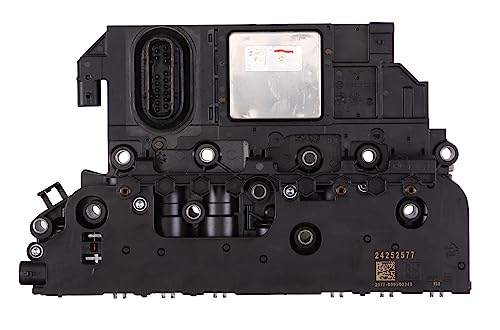
On some vehicles the TCM is a separate box. On others it is built into a mechatronic assembly or conductor plate, and that changes both the repair path and the price.
According to Transmission Control Module – TCM Repairs – Exchanges — LML/LMM Allison TCM repair is listed at $699.99.
How much does transmission control repair cost on average?
A fair market range for TCM repair is usually lower than replacement because the existing module is reused. In competitor pricing, repair commonly lands in the mid-$300s to around $700, while exchange or remanufactured replacement usually runs from roughly $400 to about $1,200 before any programming, shipping, or labor is added.
Typical repair pricing ranges
For a mail-in or component-level repair, a real-world quote often reflects the module type and how hard it is to service. Examples in the current market include Mazda 3 TCM/TCU repair at $329.99, Mercedes-Benz 722.9 conductor plate TCM repair at $399.99, and Allison applications at $699.99 for several Duramax fitments.
Typical exchange and remanufactured replacement ranges
Exchange pricing is usually higher because the seller supplies a ready-to-install or core-based unit. Mazda 3 exchange is listed at $449.99, Duramax Allison T14/A50 exchange at $799.99, and 2006 – 2008 Chevrolet Silverado 2500/3500HD Allison T14A / A40 TCM exchange at $1,099.99. That spread is normal when the module is more complex or harder to source.
Where dealer quotes usually land
Dealer replacement often costs more because the quote can include OEM parts, labor, programming, and diagnostic time in one bill. In many cases, the dealer price is the highest number a driver sees, especially when the TCM is integrated into a transmission case, valve body, or mechatronic unit.

What drives the price up or down?

Price depends on fitment, module design, fault type, access time, and whether the vehicle needs coding after installation. A simple stand-alone module on a common platform is usually cheaper than an integrated unit buried inside the transmission assembly.
Vehicle make, model, and year fitment
Fitment is the first price filter. The same symptom on a Mazda 3, a Mercedes-Benz 722.9, and a GM Duramax truck can lead to very different part costs because the modules are not interchangeable and the labor path is not the same.
Integrated mechatronic units versus stand-alone modules
When the TCM is part of a mechatronic unit, the repair may require more disassembly and more testing. That is one reason a “module problem” can turn into a larger invoice on newer European vehicles or truck applications with integrated control hardware.
Failure type, labor time, and access difficulty
A failed internal component on the circuit board is usually cheaper to address than a corroded connector, water intrusion, or a unit that requires major teardown to reach. Labor rises when the module is hard to remove or when the transmission has to be lowered for access.
Programming and SCN coding requirements
Some replacement modules need programming, adaptation, or SCN coding after install. That step can add cost and shop time. Some repaired units avoid that step, and the Mercedes-Benz 722.9 repair page specifically says it eliminates the need for programming or SCN coding. That claim does not apply to every vehicle.
What does a TCM repair usually include?
A proper TCM repair usually includes fault confirmation, component-level repair of the module itself, bench testing, and return shipping after the unit passes checks. Many services also include a warranty and a stated turnaround time, which matters when the truck or commuter car is parked.
Diagnostics and fault confirmation
The first step is reading transmission and network codes, then confirming that power, ground, sensors, and wiring are not the real cause. This is where a lot of bad quotes start to fall apart. If the shop never proves the module failed, the price is not useful.
Component-level module repair
Repair services typically open the module and replace failed electronic parts, solder joints, or damaged internal circuits. That can be a good route when the housing and board are still serviceable and the failure is localized.
Testing before return shipping
Good rebuilders test the unit before it leaves. That is part of what a buyer is paying for, especially on mail-in services where the original module has to go out, be repaired, and come back ready to reinstall.
Warranty terms and turnaround
The listed TCM repair service includes a 1-business-day turnaround and a 1-year no-hassle warranty. Fast shipping matters when a vehicle is down, but the buyer should still confirm what the warranty covers and whether the shop tests the unit under load or only on a bench.
Is it cheaper to repair a TCM or replace it?
Repair is usually cheaper when the original module can be fixed cleanly and the rest of the transmission is healthy. Replacement makes more sense when the module is badly damaged, unavailable for repair, or likely to fail again because the design or application is too far gone.
When repair is the better buy
Repair is often the better buy for known component-level faults, common board failures, and applications with strong repair support. Mazda 3 repair at $329.99 and Mercedes-Benz 722.9 repair at $399.99 are examples where fixing the original unit can save a meaningful amount versus exchange pricing.
When exchange or remanufactured replacement makes more sense
Exchange is a better call when time matters more than preserving the original unit, or when the module cannot be repaired reliably. On some Allison applications, exchange is only modestly higher than repair; on others, such as the Silverado 2500/3500HD T14A / A40 exchange at $1,099.99, the premium buys a ready-to-install part.
When internal transmission damage changes the answer
If the transmission has internal clutch, valve body, or hydraulic damage, a module quote can be misleadingly low. The TCM may have set codes because the transmission itself is failing. Repairing electronics will not fix worn hard parts.
Cost breakdown by line item
Breaking the bill into pieces makes it easier to compare quotes. A fair estimate should show diagnosis, the module repair or exchange price, programming if needed, shipping, and labor or removal charges separately.
| Cost item | Typical range | What affects it |
|---|---|---|
| Diagnostics | $100–$250 | Scan time, road test, circuit checks, and whether the shop has to verify a module fault before ordering parts |
| Module repair | $329.99–$699.99 | Vehicle fitment, internal board damage, and whether the unit is a stand-alone TCM or an integrated assembly |
| Exchange or remanufactured replacement | $399.99–$1,199.99 | Core availability, application complexity, and whether the unit is ready-to-ship or pre-programmed |
| Programming or SCN coding | $100–$250 | Vehicle platform, module type, and whether the replacement must be coded after installation |
| Shipping | $20–$80 | Speed, distance, and whether overnight service is used for a down vehicle |
| Labor for removal and installation | $100–$400+ | Access difficulty, mechatronic placement, and whether transmission removal is needed |
What vehicles are TCM repair services available for?

TCM repair services are available for a wide spread of makes and models, but fitment has to match the exact year, engine, and module type. Current examples include GM, Chevrolet, GMC, Mazda, Mercedes-Benz, and Audi applications, with some listings tied to specific generations only.
GM, Chevrolet, and GMC applications
The GM Duramax Allison TCM pages reference Chevrolet and GMC trucks with 6.6L Duramax engines. That matters because Allison pricing is application-specific. LML/LMM Allison TCM repair is listed at $699.99, and LML/LMM Allison TCM exchange is listed at $799.99.
Allison TCM pricing for 6.6L Duramax trucks
For Duramax owners, the Allison module is a distinct cost bucket. Duramax Allison T14/A50 TCM repair is listed at $699.99, and Duramax Allison T14/A50 exchange is listed at $799.99. That is a manageable spread when the original module is repairable.
Mercedes-Benz 722.9 conductor plate pricing
The Mercedes-Benz 722.9 conductor plate TCM repair is listed at $399.99. The service is for a 2004+ Mechatronic TCM Conductor Plate or VGS, and the page states it eliminates the need for programming or SCN coding. That is a strong fitment-specific example, not a universal rule.
Mazda, Audi, and other fitment-specific cases
Mazda 3 TCM/TCU repair is listed at $329.99, and the repair listing covers 2006 – 2013 models. Audi and other European applications often fall into the same pattern: exact year range, exact module family, and a price that shifts when coding or mechatronic access is involved.
How much is a remanufactured transmission control module?
A remanufactured or exchange TCM usually costs more than repair because the buyer is paying for a ready-to-install unit, core handling, and often quicker turnaround. In current market examples, exchange pricing runs from $449.99 on a Mazda 3 to $1,099.99 on certain Silverado Allison applications.
Exchange pricing examples by application
Mazda 3 TCM/TCU exchange is listed at $449.99. Duramax Allison T14/A50 exchange is listed at $799.99. 2006 – 2008 Chevrolet Silverado 2500/3500HD Allison T14A / A40 TCM exchange is listed at $1,099.99. Those numbers show how fitment and module complexity move the bill.
Do you need programming after a TCM replacement?
Sometimes yes, sometimes no. Programming or coding is often required when the replacement module must learn vehicle-specific calibration, security data, or transmission adaptations. Some repaired units and some special applications avoid that step, but it should never be assumed without checking the exact platform.
When coding is likely
Programming is more likely on replacement modules, on vehicles with anti-theft or SCN requirements, and on modern integrated systems. Dealers usually charge more here because the scan tool and software access are part of the bill.
When a repaired unit may avoid it
Some repaired modules are returned in a form that does not need additional coding. The Mercedes-Benz 722.9 listing explicitly says programming or SCN coding is not needed. That is useful, but only for that application and that service path.
How long does a TCM repair take?
Turnaround time depends on shipping, diagnostics, and whether the unit is repairable on the first pass. The listed TCM repair service includes a 1-business-day turnaround, which is fast for a mail-in electronic repair and can be a strong reason to choose repair over waiting for a replacement.
What slows the job down
Delay usually comes from waiting on the part to arrive, confirming the fault, or discovering that the transmission has a second problem. If the module is not the root cause, the clock matters less than getting the diagnosis right.
When is a TCM repair not worth it?
Repair is not worth it when the module is only one part of a much larger failure, when the vehicle needs extensive transmission work anyway, or when the replacement cost is close enough that a ready-to-install unit makes more sense. Diagnosis should come first, every time.
Signs the quote may be misleading
Red flags include a quote that skips diagnosis, a price that ignores programming on a vehicle that usually needs it, or a “module fix” proposed for a transmission that already has hard-part damage. A low number is not a bargain if the real fault is deeper in the unit.
Simple repair vs replace checklist
- Confirm the fault codes and basic power, ground, and connector checks.
- Ask whether the module is repairable or only available as exchange.
- Check whether programming or SCN coding is required after install.
- Compare removal and installation labor against the price gap.
- Compare the warranty, turnaround, and shipping cost side by side.
- Replace the module only after transmission damage has been ruled out.
How to tell if a quote is fair
A fair quote separates diagnosis, parts, coding, shipping, and labor, and it matches the vehicle’s exact application. If the estimate is just one lump sum, ask for the breakdown. The best quotes are specific about fitment and clear about what is and is not included.
Questions to ask before approving the job
Ask whether the quote is for repair or exchange, whether the module is pre-programmed, whether core charges apply, and whether the price covers shipping both ways. Also ask what symptom or code proved the TCM failed in the first place.
Red flags in low or high quotes
A low quote can miss programming or installation labor. A high quote can include dealer overhead or unnecessary replacement. The goal is not the cheapest number. It is the number that fits the fault, the vehicle, and the repair path.
Frequently asked questions
How much does transmission control repair cost on average?
Transmission control repair usually falls between $329.99 and $699.99 for module repair, with exchange or remanufactured replacement often running from $399.99 to $1,199.99. Programming, shipping, and labor can add more. The right number depends on the exact vehicle and whether the module is repairable.
Is it cheaper to repair a TCM or replace it?
Repair is usually cheaper when the original module can be fixed and reused. Replacement is costlier, but it can make sense when the unit is not repairable, the vehicle needs coding anyway, or the seller offers a ready-to-install exchange that saves time.
What does a transmission control module repair usually include?
It usually includes diagnosis, component-level electronic repair, bench testing, and return shipping. Some services also include a stated warranty and quick turnaround. Good repair shops confirm the module is the fault before opening it, which keeps the quote tied to the real problem.
Do you need programming after a TCM replacement?
Often yes, especially on newer or integrated systems. Some vehicles and some repaired units avoid that step, but it depends on the exact application. The Mercedes-Benz 722.9 repair listing is one example that says programming or SCN coding is not needed.
How long does a TCM repair take?
The listed repair service includes a 1-business-day turnaround, plus shipping time. That makes repair attractive when the vehicle is down and the module itself is the only issue. If the diagnosis is uncertain, though, speed should never beat accuracy.
When is a TCM repair not worth it?
Repair is not worth it when the transmission has internal damage, the module is part of a larger mechatronic failure, or the replacement price is close enough to justify an exchange unit. If the shop cannot prove the module failed, the safest move is to pause.
Products related to this article
Sponsored / affiliate links. As an Amazon Associate I earn from qualifying purchases. I may earn additional commission from eligible campaigns.