Transmission control module vs valve body: which fails first?
Neither part “fails first” by name: electrical faults, low battery voltage, or corrupted shift commands point to the transmission control module, while slipping, clogged passages, or stuck solenoids point to the valve body. Guessing wrong can waste money, trigger repeat repairs, and leave the transmission in limp mode. This guide gives a symptom-based decision tree to separate module, valve body, wiring, power, and fluid issues before you buy parts.
Transmission control module vs valve body: which fails first?


The short answer is that the first failed part is the one that matches the fault pattern, not the one that sounds more expensive. If scan data points to power, ground, communication, or corrupted commands, the TCM moves up the list. If the transmission shows pressure loss, delayed apply, harsh shifts, or debris-related sticking, the valve body is the better suspect.
| Decision factor | Transmission control module | Valve body: which one fails first? | Winner |
|---|---|---|---|
| Typical failure pattern | Electrical, software, power, or communication fault | Hydraulic wear, sticking, varnish, or contamination | Tie |
| Best clues in scan data | U-codes, voltage-related DTCs, implausible command data | P07xx shift/solenoid codes with pressure or ratio mismatch | Tie |
| Common false suspects | Battery, charging system, wiring, connectors | Solenoids, clogged passages, worn regulator valve | Tie |
| Programming or relearn needs | Often required after replacement | Sometimes needed after repair or fluid service | Valve body |
| Repair risk if misdiagnosed | High, because programming and module cost add up | High, but usually less than a wrong-module guess | Valve body |
Typical failure pattern
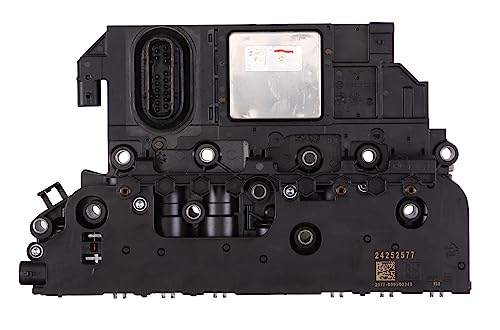
The TCM is a computer. It commands shift strategy, controls solenoids, and depends on clean power and stable communication with other modules. The valve body is a hydraulic control assembly. It routes automatic transmission fluid through passages and spool valves, so wear or contamination can change line pressure and shift timing.
Best clues in scan data
Electrical faults often show communication or power-related codes, along with erratic commands or no response from the module. Hydraulic faults often show shift or ratio codes, along with data that suggests the command was sent but the gear change did not happen as expected. Live data matters here, because it shows command, response, voltage, and timing together.
Common false suspects
Many transmission complaints start with the wrong part. A weak battery, poor ground, corroded connector, or damaged wiring can make the TCM appear dead. A worn solenoid pack, sticky valve, or contaminated fluid can make the valve body look guilty when the real problem is elsewhere.
Programming or relearn needs
A replacement TCM often needs calibration or programming with a scan tool that is compatible with the vehicle’s software. A valve body repair may still need adaptation or relearn so shift timing lines up with the transmission’s learned settings. That relearn is not a fix for worn hydraulic parts.
What the transmission control module does
The transmission control module is the computer that decides when and how the transmission shifts. It reads inputs such as throttle position, engine load, speed sensors, and gear-range signals, then commands solenoids and shift logic based on that information.
Shift strategy, solenoid control, and communication
The TCM does more than trigger a light. It controls solenoid operation, checks whether the expected gear change happened, and exchanges data with the engine control system and other networked modules. If communication fails, the transmission can go into a fail-safe state even when the hydraulics appear to be intact.
Why software and calibration matter
Module replacement is rarely plug-and-play. Many systems need the correct calibration file, VIN coding, or relearn procedure before the transmission behaves normally. If that step is skipped, the vehicle may set codes or shift poorly even though the new module is healthy.
Common TCM failure paths: water intrusion, low voltage, communication faults
Water intrusion can damage the electronics and connectors. Low voltage can create false module faults, especially after jump-starting, a weak battery, or charging-system problems. Communication faults can also make the TCM look bad when the wiring or another module is the real issue.
What the valve body does
The valve body is the hydraulic valve and passage assembly that routes transmission fluid pressure for shifts. In simple terms, it turns fluid pressure into gear changes by moving spool valves and directing flow to the right clutches and bands at the right time.
Hydraulic passages, spool valves, and pressure routing
Valve body behavior affects line pressure, shift timing, and apply quality. If passages are restricted or a spool valve sticks, the transmission may flare, bang into gear, or hesitate before engagement. Those symptoms point more toward hydraulics than electronics.
Wear, sticking, varnish, and debris contamination
High mileage, dirty fluid, and heat can leave varnish and debris in the valve body. That contamination can make valves hang up or pressure-control parts drift out of range. A worn pressure regulator can change line pressure enough to create repeat shift complaints.
How valve body faults overlap with solenoid complaints
Transmission solenoids are electrically actuated hydraulic valves. They can fail on their own, but they are also blamed when the actual issue is a sticking valve body, a wiring fault, or a low-voltage condition. That overlap is why solenoid codes are not enough by themselves.
Which one fails first in real diagnosis?
In real diagnosis, the first failure is the one that best fits the symptom pattern and data stream. Electrical symptoms point first to the TCM or wiring. Hydraulic symptoms point first to the valve body or pressure-control parts. Low voltage can mimic both, which is why power checks come before parts replacement.
Electrical symptoms that point first to the TCM or wiring
Repeated communication codes, dead or intermittent scan-tool communication, and sudden limp mode after a battery event are strong clues. If the requested gear looks reasonable but the module stops commanding shifts, the fault may be in the module, its power feed, ground, or network path.
Hydraulic symptoms that point first to the valve body or pressure control parts
Delayed drive engagement, harsh 1-2 shifts, pressure-related ratio codes, or slip that changes with fluid temperature all point toward hydraulics. If the solenoid commands are present but the pressure response is wrong, the valve body, a pressure-control component, or the fluid condition rises on the list.
Why low voltage and poor grounds can imitate both
Low voltage can sometimes lead to limp mode, module communication issues, and unusual shift behavior. A corroded ground or weak charging system can cause a healthy TCM to act failed, and can also make solenoids move slowly enough to mimic a hydraulic fault.
Use codes, live data, and a few simple checks before replacing parts

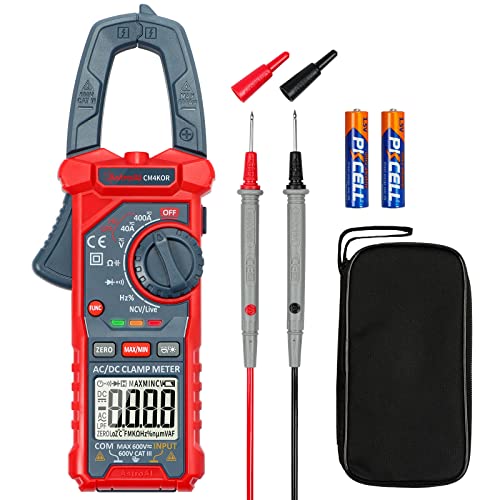
Scan codes and freeze-frame data first. Then check battery health, charging output, and the transmission wiring path before replacing a TCM or valve body. Live data helps separate an electrical control problem from a hydraulic pressure problem far better than a parts guess does.
- Read all DTCs, including pending and history codes.
- Save freeze-frame data for vehicle speed, voltage, temperature, and gear.
- Check battery voltage and perform a load test if voltage is suspect.
- Verify charging voltage with the engine running.
- Inspect the transmission wiring path and connectors for corrosion, oil intrusion, chafing, or loose pins.
- Compare commanded gear, actual gear, and solenoid duty-cycle data.
Read DTCs and freeze-frame data first
The code number matters, but the freeze-frame matters just as much. Voltage at the moment of failure, fluid temperature, and operating speed can point toward an electrical dropout or a hydraulic problem. Without that context, a transmission code is easy to misread.
Check battery and charging system voltage under load
A battery can show acceptable static voltage and still fail under load. That matters because a weak battery or unstable alternator output can pull module voltage low enough to trigger false transmission faults. A charging verification step is cheap compared with a module.
Inspect the transmission wiring path and connectors
The transmission wiring path connects the module, solenoids, and sensors. Corrosion, chafing, and intermittent opens are common on vehicles exposed to heat, moisture, or road salt. If a wiring problem is present, replacing the TCM or valve body does not solve it.
Compare commanded gear, actual gear, and solenoid duty data
Commanded gear versus actual gear is often one of the clearest clues you can look at on a scan tool with live data. If the TCM commands the shift and the gear does not follow, the fault leans hydraulic or solenoid-related. If commands disappear or become erratic, the module or wiring is more likely.
Decision table: symptom, code, and test to likely cause

This table is the core decision tree. It links symptom clusters, DTC patterns, live-data clues, and simple checks to the most likely fault so you can separate TCM, valve body, solenoid, wiring, and low-voltage problems before spending on parts.
| Symptom cluster | Code pattern | Live-data clue | Simple check | Likely cause |
|---|---|---|---|---|
| No communication, random limp mode, multiple modules affected | U-codes or lost communication codes | Module voltage drops out or data stream disappears | Load-test battery, verify charging, inspect grounds | TCM, power, ground, or network fault |
| Delayed engagement, harsh shifts, slip after warm-up | P07xx shift or ratio codes | Commanded gear changes, actual gear lags | Check fluid condition and line-pressure behavior | Valve body or pressure-control issue |
| Single-gear issue, intermittent flare, one solenoid-related code | Solenoid-specific code | Solenoid duty is present but response is inconsistent | Check wiring resistance and connector pins | Solenoid or wiring fault |
| Transmission acts worse after rain, wash, or battery replacement | Mixed electrical codes | Voltage or communication data is unstable | Inspect water intrusion and connector corrosion | TCM or wiring |
| Harsh or late shifts with dirty fluid and high mileage | Hydraulic or pressure-related codes | Pressure behavior drifts with temperature | Check for debris, varnish, and regulator wear | Valve body |
Choose Transmission control module if… / Choose valve body: which one fails first if…
Choose the TCM if the fault is electrical, communication-based, or tied to low system voltage and the module stops commanding shifts correctly. Choose the valve body if the transmission still receives commands but line-pressure behavior, shift timing, or contamination-related symptoms point to hydraulic failure. Solenoids and the wiring path sit in the middle and often need to be checked first.
Choose Transmission control module if…
Choose the TCM if scan data shows communication loss, no-shift command output, or repeated electrical codes after battery and charging checks pass. It also becomes the better pick when water intrusion or connector damage is visible at the module location. Programming requirements make this a higher-risk guess, so the evidence needs to be solid.
Choose valve body: which one fails first if…
Choose the valve body if the vehicle has delayed engagement, pressure-related shift flare, harsh upshifts, or contamination in the fluid. If the solenoids are commanded normally but the gear change is wrong, the hydraulic path is more suspect than the computer. A relearn may help after repair, but it will not save a worn valve body.
When solenoids or the wiring path are the better fit
A solenoid becomes the better fit when the fault is isolated, electrical, and tied to one circuit or one gear event. The wiring path rises above both major parts when codes shift around with movement, heat, or moisture. A corrosion or chafe problem can imitate a module failure and a valve body failure on the same vehicle.
Repair cost, programming, and relearn basics
TCM replacement often costs more than the part alone because programming or calibration may be required. A valve body replacement can also add labor, fluid service, and adaptation procedures, but the bill is usually driven less by software and more by transmission access and fluid handling.
Why TCM replacement can add programming or calibration cost
Many modules must be coded to the vehicle and paired with the correct software level. That adds diagnostic time and shop equipment requirements. If the original problem was actually voltage or wiring, a programmed module can still leave the fault untouched.
Why valve body replacement can still need fluid service and relearn
A valve body repair may disturb transmission fluid, gaskets, or solenoid assemblies. After that work, adaptation or relearn can improve shift quality by letting the transmission relearn pressure and timing values. That does not repair mechanical wear, but it does help the system settle after repair.
Why a reset does not repair worn hydraulic parts
Resetting adaptations clears learned values. It does not rebuild a worn pressure regulator, free a sticky valve, or remove debris from passages. If the hydraulic hardware is worn, the problem returns once the transmission relearns the same bad behavior.
Frequently asked questions
Which fails first, the transmission control module or the valve body?
Neither wins by default. The first failed part is the one that matches the evidence: electrical or communication faults point to the TCM or wiring, while delayed engagement, pressure loss, and contamination point to the valve body. Codes and live data decide more reliably than part name alone.
How can I tell if it’s a TCM problem or a valve body problem?
Look at the code family, freeze-frame data, and live commanded-versus-actual gear data. If the module loses communication or voltage, suspect the TCM path. If commands are present but the transmission response is slow, harsh, or inconsistent, the valve body or pressure-control system moves ahead.
Can a bad valve body cause transmission codes that look like module failure?
Yes. A worn or sticking valve body can set shift, ratio, and solenoid-related codes that look electrical at first glance. That is why a scan tool with live data matters; it shows whether the command disappeared or whether the commanded action failed hydraulically.
What symptoms point to an electrical control issue versus hydraulic failure?
Electrical issues usually bring communication codes, sudden limp mode, or erratic module behavior after battery or charging problems. Hydraulic failures more often cause delayed engagement, slip, flare, or harsh shifts that change with temperature. A live-data scan helps separate the two quickly.
Does limp mode mean the TCM is bad?
No. Limp mode is a fail-safe state, not proof of a bad module. The transmission can enter limp mode for electrical faults, hydraulic faults, or low system voltage. The trigger matters more than the warning itself.
Can low voltage or wiring make the TCM seem failed?
Yes. Low battery voltage, poor charging output, corroded grounds, and chafed wiring can make a healthy TCM look dead. That is why battery and charging checks come before module replacement. Fixing voltage supply often clears the symptom without touching the module.
Can I drive with a bad valve body or transmission control module?
Only for limited diagnosis, and only if the transmission is not slipping badly or dropping out of gear. Limp mode may allow slow movement, but continued driving can overheat the transmission or create more damage. A vehicle that will not hold gear should be towed.
Products related to this article
Sponsored / affiliate links. As an Amazon Associate I earn from qualifying purchases. I may earn additional commission from eligible campaigns.