How Much Does Car Brake Maintenance Cost? Full Breakdown
In many cases, brake maintenance costs around $150–$400 per axle for pads and labor, can rise to roughly $300–$700 if rotors need replacing, and may go higher if calipers, fluid, or hardware are added. Skip the work, and worn pads eat rotors, stopping distances grow, and the bill gets larger fast. This guide breaks down a brake quote line by line, flags normal add-ons, and shows you which charges are red flags.
This guide is part of our Car brake maintenance guide series.
How much does car brake maintenance cost?
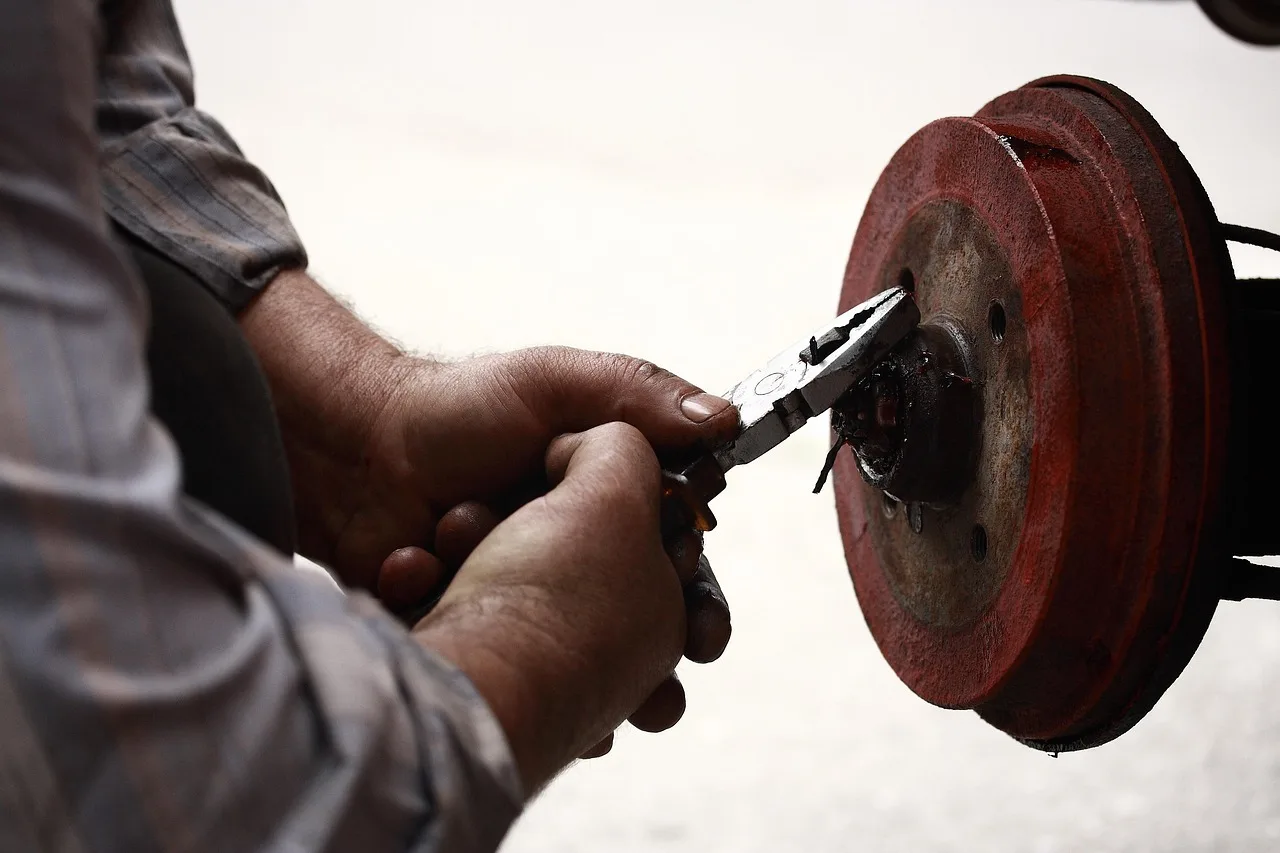


For a standard passenger car, a one-axle brake job usually lands in the $400 to $700 total range once pads, rotors, and labor are included. SUVs and trucks usually cost more because the parts are larger and the labor is heavier. Most quotes are built around one axle, not the entire car.
Typical cost ranges by vehicle type
A standard passenger-car pad-and-rotor set for one axle typically costs $150 to $300. A larger SUV or truck can push pad-and-rotor parts cost to $300 to $600. Labor then gets added on top, and that is where the final quote starts to spread out.
| Vehicle and axle | Parts | Labor | Common total | Normal vs suspicious |
|---|---|---|---|---|
| Standard car, one axle | $150 to $300 | About $150 to $400 | $400 to $700 | Normal if pads, rotors, and labor are included |
| SUV or truck, one axle | $300 to $600 | About $150 to $400+ | $600 to $900 | Normal if the vehicle is heavier or uses larger hardware |
| Both axles | Often close to double | Labor nearly doubles too | Usually much higher than one axle | Normal only when front and rear are both worn |
Why SUVs, trucks, and luxury cars cost more
Vehicle type changes almost everything. Heavier vehicles need more brake material and usually larger rotors, while performance and luxury models can use pricier hardware, special pad compounds, or wear sensors that add cost. A quote that looks high on a compact sedan may be ordinary on a large SUV.
What a one-axle brake job usually includes
F1 A complete brake job usually replaces the major wear components on one axle. F2 A complete brake job almost always includes both brake pads and brake rotors. That is why quotes are often built per axle: the work is tied to a front pair or rear pair, not a single wheel.
According to How to Budget for a Complete Brake Job: What Costs to Expect — A standard passenger-car pad-and-rotor set for one axle typically costs $150 to $300.
What is included in a complete brake job?
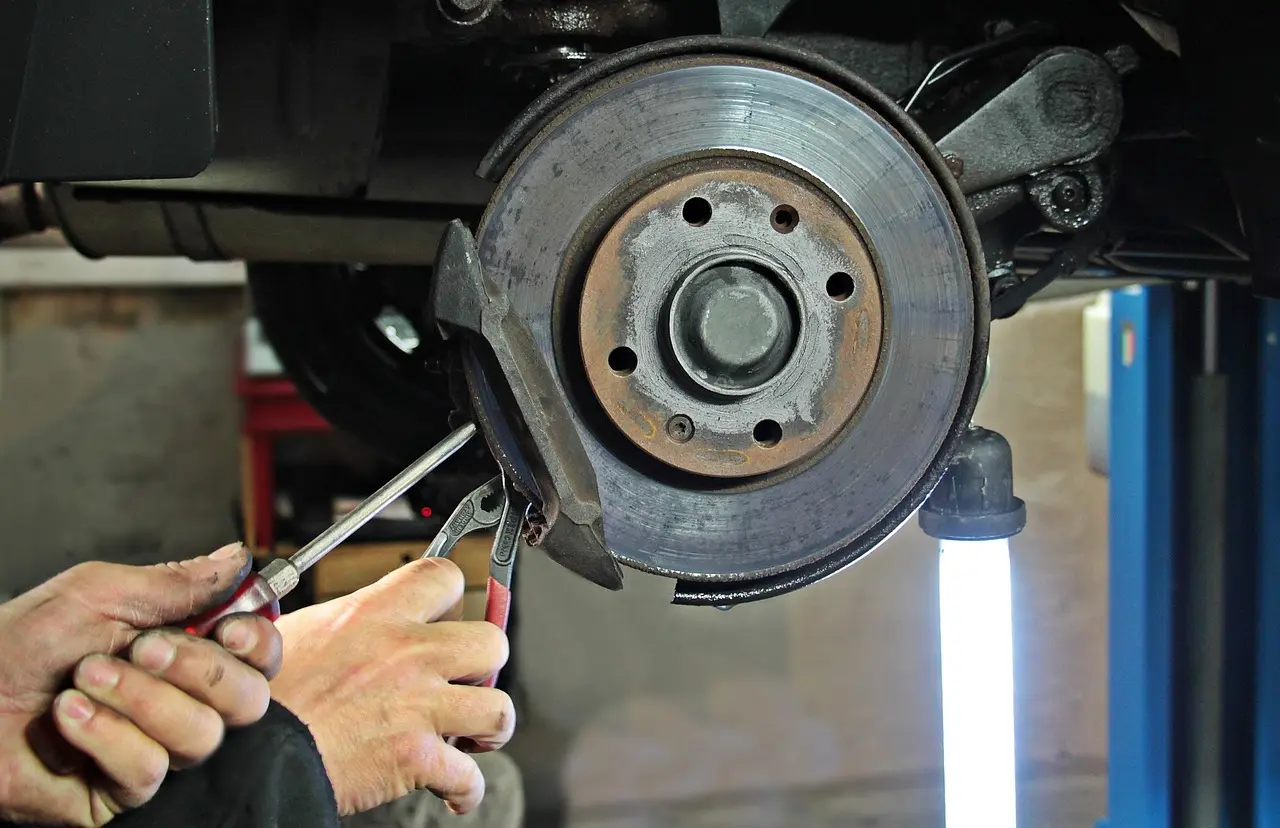
A complete brake job usually means pads and rotors on one axle, plus labor and a basic inspection. Hardware, brake fluid, and small shop supplies may appear on the estimate too. Some are normal, some are optional, and some only show up if the brake system has hidden damage.
Brake pads and why they are replaced
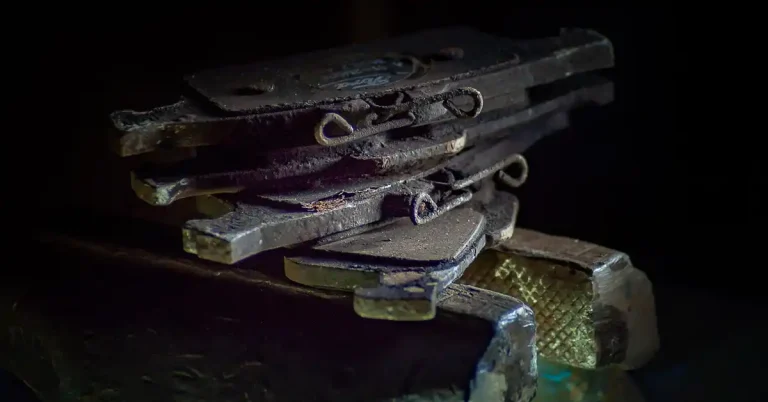
Brake pads are the wear component that makes contact with the rotor. Their price depends on the vehicle, pad compound, and quality tier. Budget pads cost less, while OEM brake parts and premium aftermarket brake parts sit higher because they are built to factory-equivalent fit or to a higher performance or wear standard.
Brake rotors and when they are part of the job
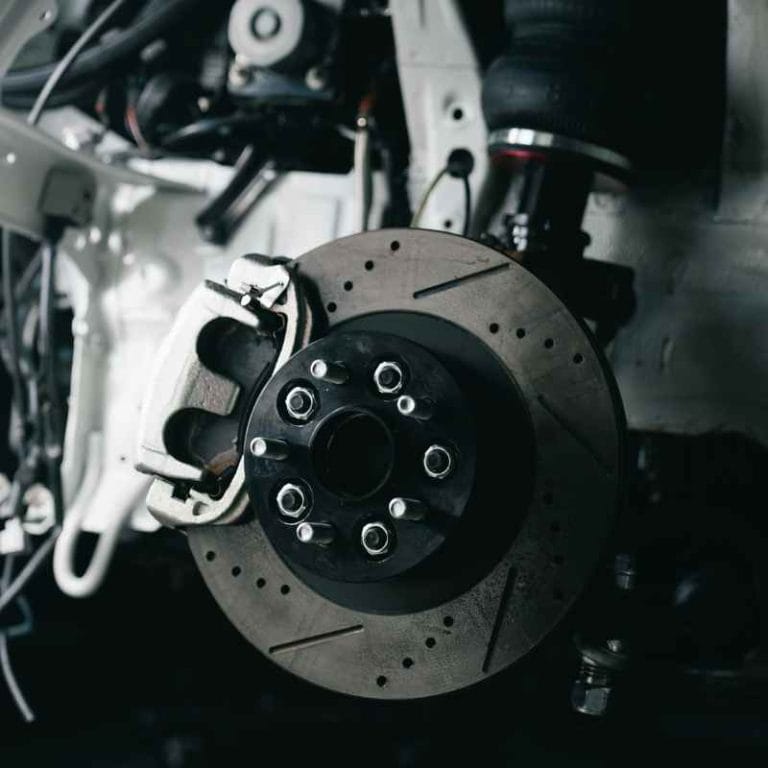
Rotors usually get replaced with the pads on the same axle. That is the safest way to reset the braking surface when the rotor is worn, scored, or below usable thickness. Rotors can raise the bill substantially, especially on larger vehicles where the parts themselves are more expensive.
Hardware, fluid, and inspection items that may appear on the quote
Small hardware kits, shims, and slide-pin service are common line items. A brake fluid flush may also be listed, and that can add about $100 to the bill. It is not mandatory on every brake job, but it is a normal service when the fluid is old or contaminated.

Why is my brake quote so high?
A high brake quote usually comes from labor time, vehicle complexity, or a hidden problem found during inspection. A one-axle brake job usually takes 1.5 to 2.5 hours, and labor rate matters a lot. A quote that looks expensive can be normal if the car needs larger parts or repair beyond pads and rotors.
Labor rate and shop time
F5 Typical shop labor rate in the example is $120 per hour. F6 A brake job on one axle usually takes 1.5 to 2.5 hours. F7 Example labor cost for one axle is about $240 when a job takes 2 hours. F8 Lower-cost shops may charge about $150 in labor for a brake job. F9 High-end dealerships may charge over $400 in labor for a brake job.
Vehicle type and brake system complexity
Luxury cars, performance models, and heavier trucks often need more labor because the calipers, rotors, or parking brake layout take longer to service. On some rear axles, the parking brake hardware is built into the rotor assembly, which adds time and parts. That extra work is real, not padding.
Hidden failures found during inspection
F14 Unexpected issues like a seized caliper can increase the final bill. F15 Unexpected issues like a leaking brake line can increase the final bill. These are not add-ons a shop should quietly bury in the estimate; they should be called out as safety repairs with a clear reason.
How much should labor cost for brake replacement?
Labor for brake replacement should usually match the axle time, the shop rate, and the vehicle layout. At a $120 hourly rate, a two-hour brake job comes out near $240 before parts. If the labor line is far above that without a clear reason, the estimate deserves a second look.
Independent shop versus dealership pricing
Independent shops may price lower because their overhead is lower, while dealerships often charge more for branded parts handling, model-specific procedures, and higher posted labor rates. Neither is automatically wrong. The question is whether the labor line fits the vehicle, the axle, and the actual work described.
How to judge whether labor is reasonable
- Check whether the quote is for one axle or both.
- Look for the posted labor rate or the labor hours.
- Match the time against the vehicle type and brake layout.
- Ask whether caliper service, flushes, or sensors are included.
- Compare the labor line to the parts list, not to parts alone.
Quote decoder: normal vs suspicious line items
A brake quote should separate parts, labor, and extras. The fastest way to review it is line by line. If a quote hides what is included, pads and rotors are listed as one vague charge, or every add-on is presented as mandatory, treat that as a warning sign.
| Line item | Common range | Normal when… | Suspicious when… |
|---|---|---|---|
| Brake pads | Part of the axle job; price varies by vehicle and quality tier | The quote names the pad type and axle | The shop will not say whether pads are budget, OEM, or premium aftermarket |
| Brake rotors | Often included with pads; can raise total cost substantially | Rotors are worn, scored, or paired with new pads | Rotors are sold as required without any condition check |
| Labor | About $150 to over $400 depending on shop and vehicle | The hours match one axle and the brake layout | The labor line is high but the hours are not explained |
| Hardware kit | Usually a small add-on | It is listed with clips, shims, or pins that are reused poorly | It is doubled or described in vague bundle language |
| Brake fluid flush | May add about $100 | The fluid is old, dark, or moisture-contaminated | It is presented as mandatory with no explanation |
| Seized caliper | Unexpected failure | The piston or slide pins are stuck and the wheel will not release properly | The shop claims one every time without showing inspection evidence |
| Leaking brake line | Unexpected failure | Fluid loss or wet lines are visible during inspection | It is added without a safety explanation or diagnosis |
Do I need rotors when I replace brake pads?
Not always, but often yes. Pads can sometimes be replaced alone if the rotors are thick enough, smooth enough, and within usable condition. On many jobs, though, pads and rotors are replaced together because the rotor surface is already worn and new pads need a clean mating surface.
When pads-only can make sense
Pads-only is most reasonable when the rotors are still flat, not deeply grooved, and nowhere near minimum thickness. That can save money in the short term. It is a staged repair, though, and it only works when the rotor truly supports another pad cycle.
When pads and rotors should be replaced together
If the rotors are heat-spotted, uneven, cracked, or too thin, replacing pads alone is a bad buy. New pads on bad rotors can cause noise, vibration, and short pad life. That is why many complete brake jobs are sold as a matched axle set rather than as pad-only work.
How rotor condition changes the total bill
Rotor replacement is often the step that pushes a quote from moderate to expensive. On a standard car, that can mean moving from a pad-focused repair to the $400 to $700 total range. On a truck or SUV, the same axle can move into the $600 to $900 range quickly.
Should you replace brakes on one axle or both at the same time?
One axle is the normal unit for brake estimates, and it is also the easiest way to stage repairs. Front brakes usually wear faster than rear brakes, so many cars need the front axle first. Doing both axles together makes sense only when both ends are worn or when the parts and labor savings justify the larger bill.
Front versus rear brake wear patterns
Front brakes do more stopping work on most vehicles, so they usually wear sooner. Rear brakes may last longer, especially on lighter cars with conservative driving. That is why front and rear quotes can be very different even on the same vehicle.
Staged repairs for tighter budgets
If only one axle is near the wear limit, replace that axle first and plan the other side later. That keeps the repair aligned with actual wear. It also spreads cost across maintenance cycles, which helps when a full four-wheel brake job would be too much at once.
When doing both axles is the better buy
F13 Doing both front and rear brakes at the same time can cost close to double. It can still be the right call when both axles are close to worn, when labor overlap is meaningful, or when the car is already on a lift and the total quote stays within budget.
Frequently asked questions
How much does a brake job cost?
A one-axle brake job on a standard car is likely $400 to $700 total, while a truck or SUV brake job on one axle is more likely $600 to $900 total. Those figures fit a quote that includes pads, rotors, and labor. Add calipers, fluid, or other repair items, and the bill climbs fast.
How much do front brakes cost to replace?
Front brake replacement often costs a bit more than rear brake work because front brakes usually wear faster and may take more of the stopping load. On a standard car, a front axle job commonly lands in the same $400 to $700 range when pads, rotors, and labor are included.
How much do rear brakes cost to replace?
Rear brake replacement can cost less than the front axle if the parts are smaller or the system is simpler. That said, rear brake jobs can run higher on vehicles with parking brake hardware built into the rotor assembly. The quote should show why the rear axle costs what it costs.
What parts are included in a complete brake job?
A complete brake job usually means pads and rotors on one axle, plus labor and a brake inspection. Hardware, brake fluid, and wear sensors may appear too. A good estimate should say whether those items are included, optional, or only needed if the inspection finds damage.
Products related to this article
Sponsored / affiliate links. As an Amazon Associate I earn from qualifying purchases. I may earn additional commission from eligible campaigns.