Are Transmissions Expensive to Fix Or Replace? Real Costs
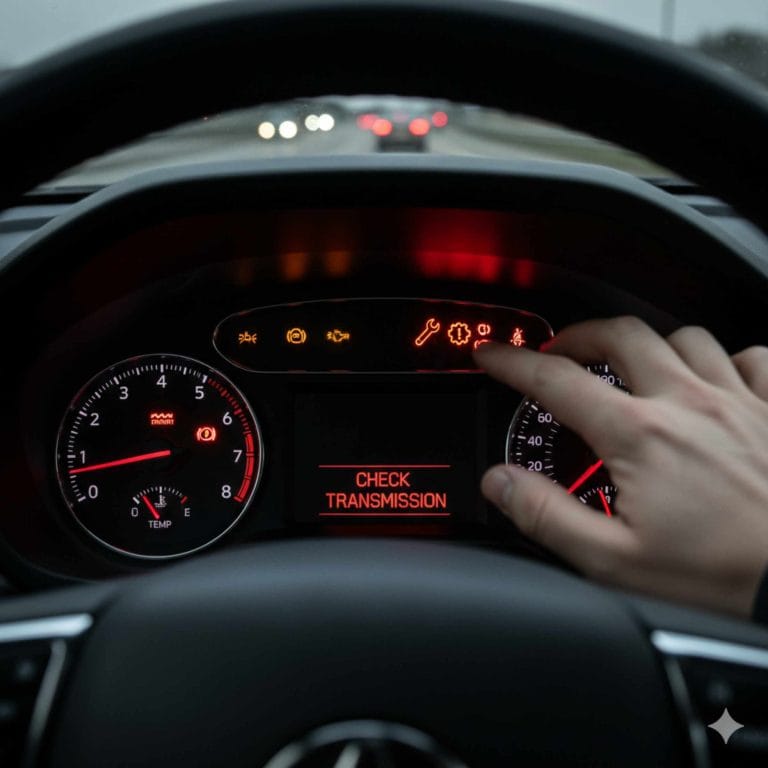
When your car’s transmission starts making strange noises or shifting poorly, a big question comes up: Is it expensive to fix or replace a transmission? For most car owners, the answer can be surprising and a bit worrying. The transmission is one of the most complex and costly parts of any vehicle. It handles the job of moving power from the engine to the wheels, so when it fails, you can’t drive your car. Understanding the real costs involved can help you make better decisions and avoid unexpected financial shocks. This article breaks down what you need to know about transmission repairs and replacements, real-world price ranges, hidden factors, and smart ways to save money.
Why Transmissions Are So Expensive
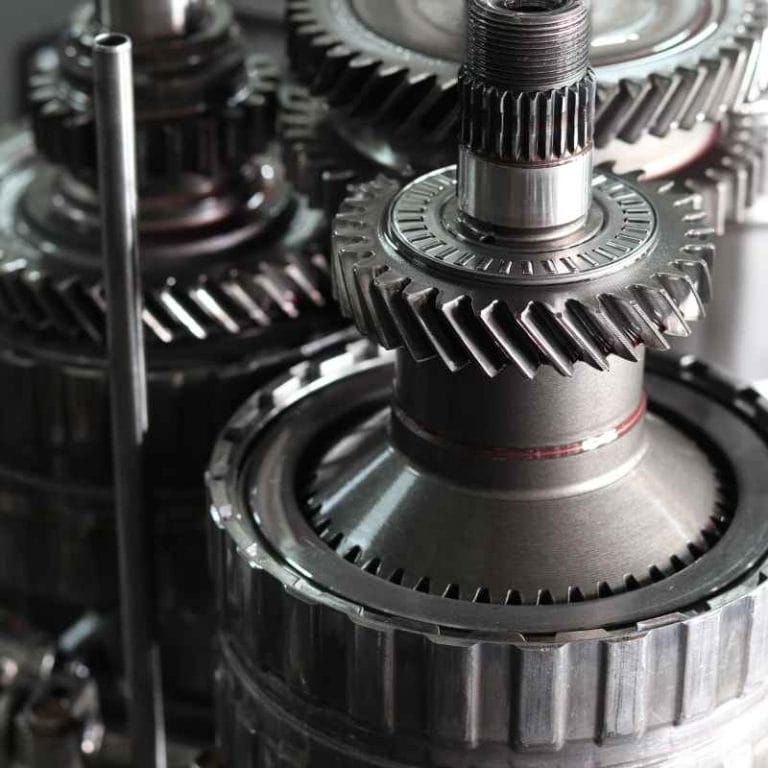
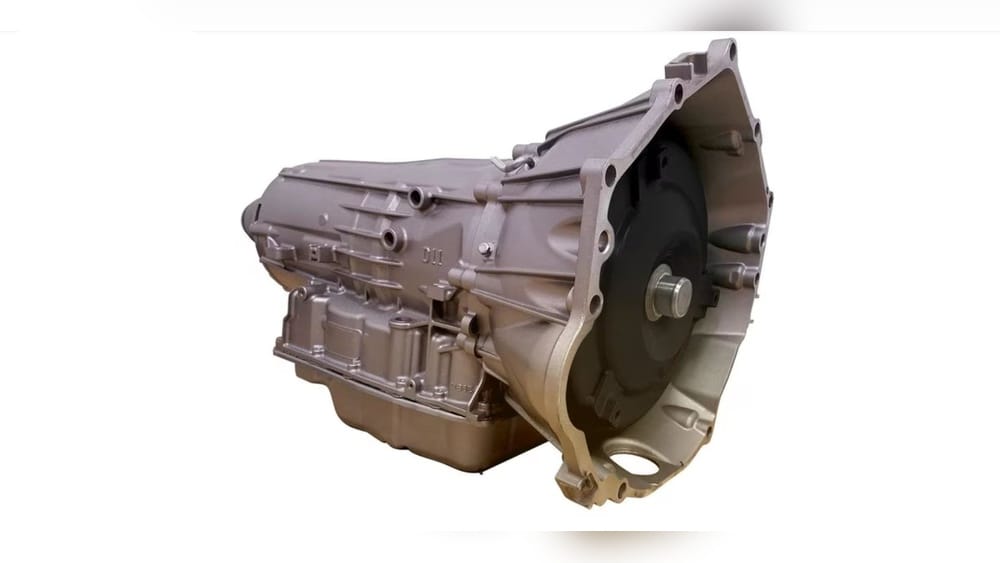
The transmission is not just a single part. It’s a collection of gears, clutches, sensors, and electronic systems that must work together perfectly. Modern automatic transmissions may have up to 1,000 parts, with tight tolerances and precise engineering. When something goes wrong, a mechanic may need to take apart the entire unit, diagnose the problem, clean and replace tiny parts, and then put it all back together.
Special skills and tools are needed for this work. Unlike changing brake pads or replacing a battery, fixing a transmission is rarely a simple DIY job. This is one major reason why repair costs are high. Also, many shops do not rebuild transmissions themselves; instead, they install factory-rebuilt units.
This helps with quality but also adds to the price.
Common Transmission Problems (and What They Cost)
Not all transmission issues mean total failure. Some problems are small and inexpensive to fix. Others require a full rebuild or replacement. Here are a few of the most common issues:
1. Low Or Dirty Transmission Fluid
Sometimes, simply changing the fluid and filter can fix hard shifting or slipping. This usually costs $100–$300.
2. Solenoid Problems
Transmission solenoids control the flow of fluid inside the transmission. Replacing a solenoid may cost $200–$600, including labor.
3. Worn Clutch (manual Transmission)
For manual cars, a worn clutch is a typical repair. Expect to pay $500–$1,200 for parts and labor.
4. Valve Body Failure (automatic)
The valve body directs hydraulic fluid and controls gear changes. Replacement can cost $400–$1,500.
5. Torque Converter Issues
The torque converter helps transfer power in automatic transmissions. Replacing it usually costs $600–$2,000.
6. Full Rebuild Or Replacement
When major damage occurs, the only option may be a full rebuild or replacement. This is where costs rise quickly.
Average Cost To Repair Vs Replace A Transmission
Let’s look at the real numbers for repair and replacement. These are average ranges for the United States as of 2026.
| Repair Type | Average Cost | What’s Included? |
|---|---|---|
| Minor repair (fluid, solenoids) | $150 – $700 | Fluid change, sensors, minor adjustments |
| Rebuild (automatic) | $1,500 – $3,500 | Replaces worn/damaged parts inside the case |
| Replacement (used transmission) | $1,800 – $3,000 | Used unit from salvage yard, installed |
| Replacement (rebuilt/remanufactured) | $2,500 – $6,000 | Factory rebuilt, often with warranty |
| Replacement (new transmission) | $4,000 – $8,000+ | Brand new from manufacturer |
These numbers can be even higher for luxury or imported cars. For example, a new transmission for a BMW or Mercedes-Benz can easily reach $10,000 or more.
Factors That Affect Transmission Repair Costs
Several things can change the price you pay:
- Vehicle make and model: Some cars use unique or rare transmissions, which cost more to fix or replace.
- Automatic vs manual: Manual transmissions are usually cheaper to repair than automatics.
- Front-wheel drive, rear-wheel drive, or all-wheel drive: AWD and some FWD cars have more complex transmissions and cost more.
- Age and mileage: Older or high-mileage cars may have more worn parts, raising the cost.
- Location: Labor rates differ by city and region. For example, repairs in California or New York often cost more than in rural areas.
- Shop type: Dealerships charge more than independent shops or transmission specialists.
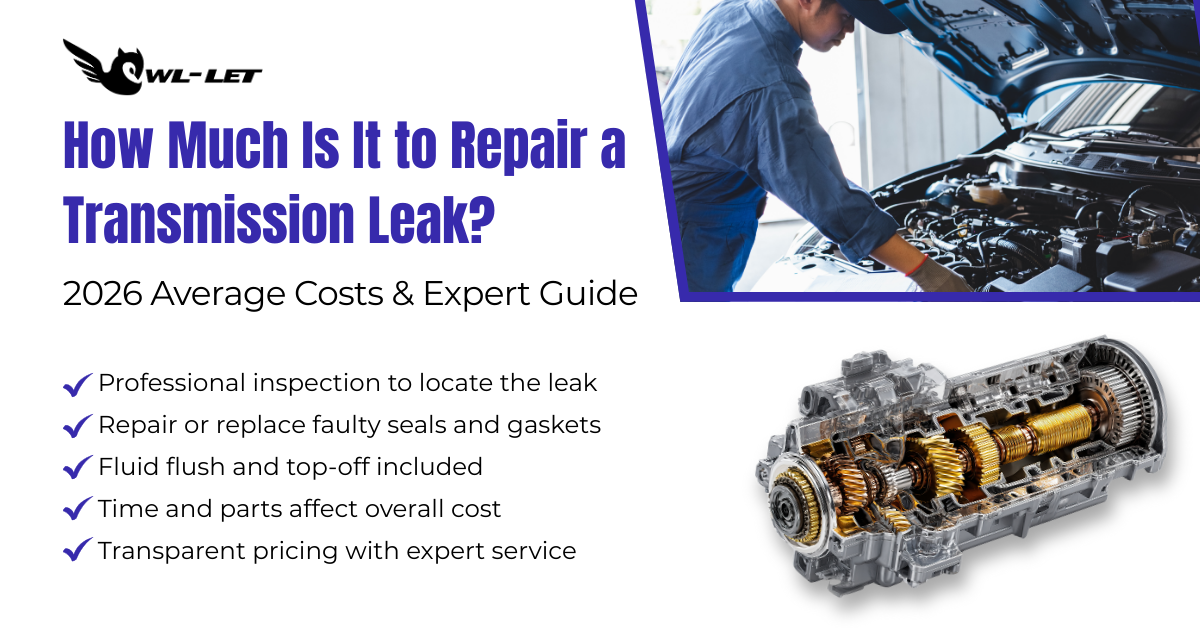
Credit: www.owl-let.com
Transmission Rebuild Vs Replacement: What’s The Difference?
Many car owners hear the words “rebuild” and “replace” and think they’re the same. They’re not. Here’s a quick breakdown:
- Rebuild: The mechanic removes the transmission, takes it apart, cleans everything, and replaces only the worn or broken parts (such as clutches, bands, gaskets, and seals). Then it’s reassembled and reinstalled. You keep your original transmission case.
- Replacement: The entire transmission unit is swapped out for another one. This can be a used unit, a rebuilt/remanufactured one, or a brand new one. The price and warranty depend on which option you choose.
Rebuilding is often less expensive, but not always. Some transmissions are hard to find parts for, or so badly damaged that rebuilding isn’t practical.
How Labor And Parts Add Up
You might wonder why the cost is so high, even if only a few parts need replacing. The answer is labor hours. Removing and installing a transmission often takes 8–15 hours for most cars. Labor rates can range from $75 to $200 per hour, depending on the shop.
Parts for transmissions are also expensive. Even small pieces like seals or sensors can cost $50–$200 each. Many rebuild kits (which include all the common wear parts) cost $200–$800. But if the transmission needs major components, like a new torque converter or valve body, the price goes up fast.
Here’s an example for a midsize sedan:
| Cost Item | Low Estimate | High Estimate |
|---|---|---|
| Labor (10 hours @ $120/hr) | $1,200 | $1,500 |
| Rebuild kit | $250 | $700 |
| Fluids, small parts | $100 | $300 |
| Total | $1,550 | $2,500 |
Used, Rebuilt, Or New? Comparing Replacement Options
If your transmission is beyond repair, you have three main choices:
Used Transmission
A used transmission comes from a junkyard or salvage yard. It’s usually cheaper but comes with risks. You don’t know how it was treated or how many miles are left. Warranties are short (30–90 days). Costs are usually $1,800–$3,000 installed.
Rebuilt Or Remanufactured
A rebuilt transmission is your original unit, taken apart and repaired by a mechanic. A remanufactured transmission is rebuilt in a factory with strict quality checks. Both usually come with a 1–3 year warranty. Prices are higher ($2,500–$6,000) but reliability is much better.
New Transmission
A brand new transmission is rare except for luxury or commercial vehicles. It’s the most expensive option, often over $4,000 just for the part. Labor and fluid add more. Most people only choose this if no other options are available.
Here’s a quick comparison:
| Type | Average Cost | Warranty | Pros | Cons |
|---|---|---|---|---|
| Used | $1,800–$3,000 | 30–90 days | Lowest cost, quick | Unknown history, short warranty |
| Rebuilt | $2,500–$4,500 | 1–2 years | Better reliability, custom work | Depends on mechanic skill |
| Remanufactured | $3,000–$6,000 | 2–3 years | Like new, strict quality | Highest cost except new |
| New | $4,000–$8,000+ | 1–5 years | Best reliability, factory spec | Very expensive |
Signs Your Transmission May Need Repair Or Replacement
Catching problems early can save you thousands. Watch for these warning signs:
- Delayed or rough shifting between gears
- Slipping gears (engine revs, but car doesn’t move as expected)
- Unusual noises: Whining, clunking, or grinding
- Leaking fluid: Red or brown puddle under your car
- Burning smell: Overheated fluid
- Check engine light: Sometimes signals transmission trouble
If you notice any of these, don’t wait. Continuing to drive with a failing transmission can cause more damage and increase the repair bill.
Non-obvious Insights Most Car Owners Miss
Many people think a transmission repair is always an emergency, but that’s not true in every case. Here are two less obvious facts:
- Not every transmission problem means a major repair. Sometimes, a simple fluid change or replacing a sensor can fix the issue. Modern cars rely on electronics to control shifting, and a bad sensor or software glitch may be cheaper to fix than you think.
- Ignoring routine maintenance is a false economy. Skipping fluid changes or using the wrong type of fluid is a common cause of early transmission failure. Spending $150 on a fluid service every 30,000–60,000 miles can prevent a $3,000+ repair later.
How To Save Money On Transmission Repairs
Transmission work is expensive, but there are smart ways to reduce your costs:
- Get multiple quotes: Prices can vary by hundreds or even thousands of dollars between shops.
- Use a transmission specialist: They often charge less than dealerships and know the job better than general mechanics.
- Ask about warranties: Always choose repairs or replacements with a good warranty. This protects you from future problems.
- Consider used or remanufactured units: For older cars, a used or remanufactured transmission may make more sense than a new one.
- Maintain your transmission: Regular fluid changes, using the correct fluid, and fixing leaks early can extend transmission life.
- Check for recalls or goodwill repairs: Sometimes, manufacturers will pay for repairs if your vehicle has a known defect.
Credit: www.owl-let.com
When Is It Not Worth Fixing The Transmission?
Sometimes, the cost of transmission repair or replacement is more than the car is worth. This is especially true for older vehicles with high mileage or other problems. In these cases, it might make more sense to sell the car for parts or trade it in for a new one.
A general rule: If the repair cost is more than half the value of your car, think carefully before spending the money. For example, if your car is worth $4,000 and the repair will cost $3,000, it may be time to move on.
Insurance And Extended Warranties: Will They Cover Transmission Repairs?
Most standard auto insurance policies do not cover mechanical breakdowns, including transmissions. However, if your transmission is damaged in a car accident, it may be covered.
Extended warranties or vehicle service contracts sometimes include transmission coverage. Read the fine print: coverage varies a lot, and there may be exclusions for wear and tear or lack of maintenance. Some manufacturers offer powertrain warranties of 5–10 years, which include the transmission. Always check your warranty status before paying for repairs.

Credit: localautomotivetx.com
The Future Of Transmission Costs: Hybrids And Electric Cars
As more cars go electric, transmission design is changing. Many electric vehicles (EVs) use single-speed gearboxes that are much simpler than traditional transmissions. This could mean lower repair costs in the future. However, hybrid vehicles often have very complex transmissions that can be even more expensive to repair.
For now, most vehicles on the road still use traditional automatic or manual transmissions, so these cost factors are still important for most drivers.
Frequently Asked Questions
How Long Does A Transmission Typically Last?
A well-maintained transmission can last 100,000 to 200,000 miles or more. Automatics usually wear out faster than manuals, especially if the fluid is not changed regularly. Driving style, towing heavy loads, and frequent stop-and-go traffic can also shorten transmission life.
Is It Cheaper To Rebuild Or Replace A Transmission?
Rebuilding is usually cheaper if your transmission is in good enough shape and parts are available. However, for some cars or when there is extensive damage, replacement with a rebuilt or remanufactured unit may be more cost-effective and reliable.
Can I Drive With A Bad Transmission?
It’s risky. If your car still moves, you might be able to drive short distances, but continuing to drive with transmission problems can cause more damage and turn a minor repair into a major one. If you notice slipping, banging, or delayed shifting, get it checked as soon as possible.
Does Transmission Fluid Ever Need To Be Changed?
Yes. Most manufacturers recommend changing transmission fluid every 30,000–60,000 miles for automatics and manuals. Some “lifetime” fluids are advertised, but even those can break down over time. Always follow your vehicle’s owner’s manual.
Where Can I Find More Information About Transmission Repairs?
A good place to learn more about transmission systems and costs is the Wikipedia page on Automatic Transmissions. You can also ask for advice from a trusted mechanic or a transmission specialist in your area.
Repairing or replacing a transmission is a big decision and a major expense for most car owners. By understanding the real costs and your options, you can make a smarter choice and avoid surprises. Remember: catching problems early, maintaining your vehicle, and comparing quotes from multiple shops will always help you save money and get better results.
Products related to this article
Sponsored / affiliate links. As an Amazon Associate I earn from qualifying purchases. I may earn additional commission from eligible campaigns.