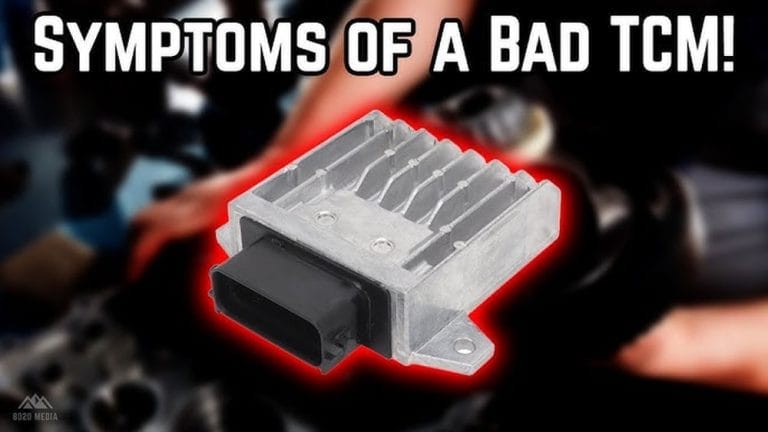
Transmission control system programming vs relearning
Programming loads the transmission module with vehicle-specific software after a repair or replacement; relearning resets shift and adaptation values after battery loss or drivability changes, and if you have fault codes or slip, read the codes and trace the fault first. Choosing the wrong path can bring harsh shifts, flare, limp mode, or repeat repairs. I use this guide as a decision tree for software update, adaptation relearn, or deeper diagnosis first.
What is the difference between programming and relearning?
Programming writes calibration and software to the transmission control module or powertrain control module, as needed. Relearning clears or rebuilds stored shift and clutch adaptives so the module can re-learn pressure and timing from current hardware behavior. They are different actions, and a repair can need one, the other, or both.
Programming vs relearning at a glance
| Decision factor | Transmission control system programming | Relearning: key differences | Winner |
|---|---|---|---|
| What changes | Loads updated calibration, coding, or software into the TCM or PCM | Resets learned shift, clutch, and pressure values | Tie |
| Typical trigger | Module replacement, software update, wrong coding, service bulletin | Battery disconnect, low-voltage event, solenoid work, valve body repair | Tie |
| Access needed | OEM-level scan tool or pass-through equipment is usually required | Often a scan tool, sometimes a specific drive cycle | Relearning: key differences |
| What it cannot fix | Worn clutches, sticking valves, bad solenoids, wiring faults | Wrong software, failed module, bad coding, hard electrical faults | Tie |
What programming changes
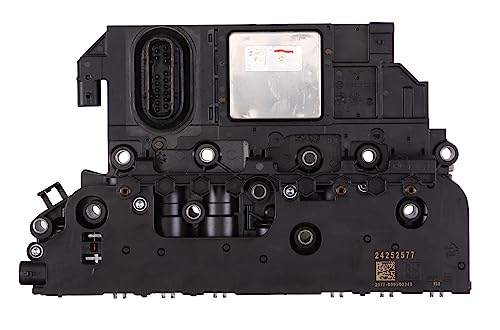
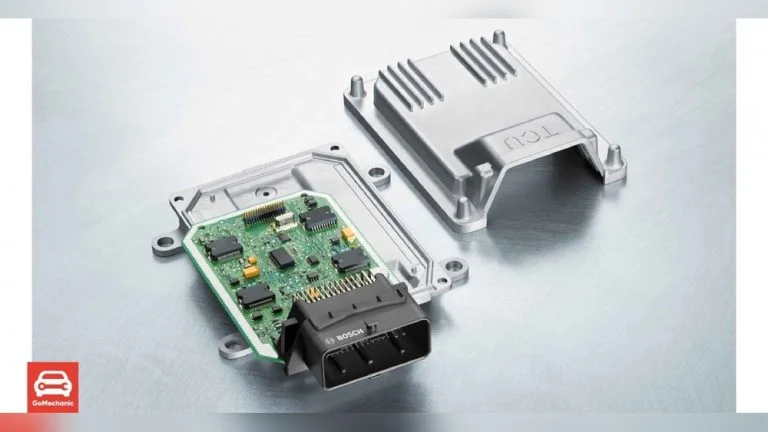
Programming changes what the module knows and how it behaves. On many vehicles, the TCM is separate from the engine ECU, while a PCM may combine both functions and store transmission adaptation values too.
What relearning changes
Relearning changes the stored adaptation values that the module has built over time. Those learned values can mask a repaired hydraulic issue, or they can keep a transmission shifting poorly after battery loss until the module relearns current conditions.
Why the two steps get confused after repairs
People often call any reset a “reflash” or any flash a “reset.” That causes trouble. A module update cannot repair a worn valve body, and a relearn cannot load the correct calibration into a replaced TCM.
When do I need to program a transmission control module instead of relearn it?
Program a transmission control module when the module was replaced, the calibration is outdated, the vehicle has a service bulletin for revised software, or the PCM/TCM coding does not match the vehicle. Relearning only adjusts stored behavior; it does not install the software the module needs to run correctly.
Common programming triggers
A TCM replacement is the clearest case. Many units may ship blank or with generic software, and the vehicle may not shift correctly until the module is coded and flashed for the application.
PCM updates matter too. If the engine and transmission share one controller, a calibration update can change shift scheduling, torque management, or clutch fill timing. That is programming work, not relearn work.
Symptoms that point to wrong software or coding
Look for symptoms that appear after module replacement, software updates from the dealer, or a swap from another vehicle. Common clues include no communication, multiple unrelated codes, gear range errors, or a transmission that will not respond to normal adaptation procedures.
When is a relearn or adaptation reset the right move?
Use relearn after repairs that changed wear, fluid pressure behavior, or shift timing, such as solenoid replacement, valve body repair, or a battery disconnect that erased learned values. It is meant to rebuild adaptive shift strategy, not to cure a failed component or a missing calibration.
After solenoid work or valve body repair
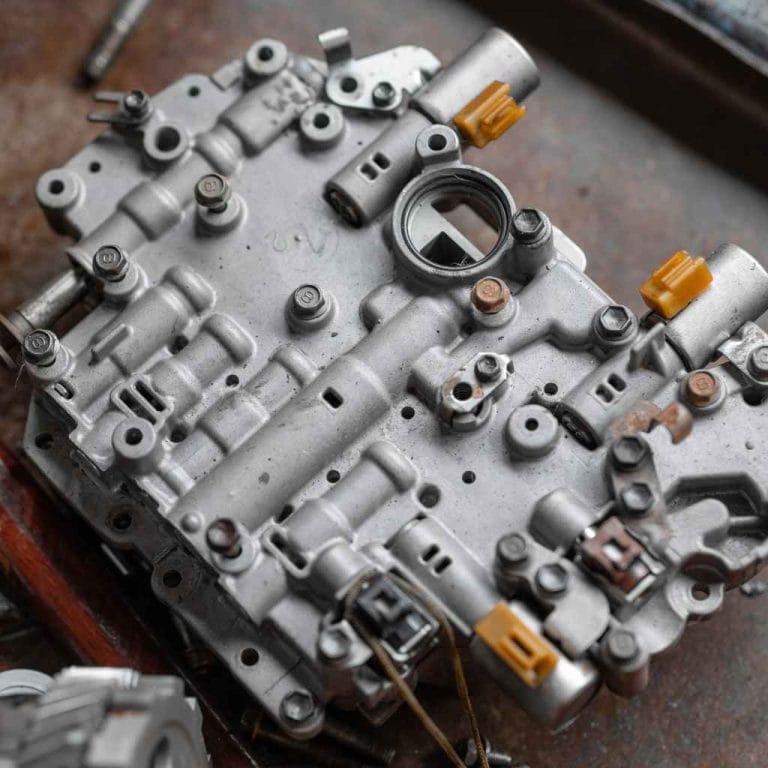
Solenoids and valve body parts affect apply timing and line pressure. After those repairs, the old adaptives may still be matching the old fault pattern, so a relearn lets the module start over and build new pressure corrections.
After battery disconnect or low-voltage events
A low-voltage event can clear memory or distort learned values. A battery reset can be worth trying, but only when the complaint is mild and there are no hard codes, slip, or communication issues. It is not a fix for worn internals.
How adaptive shift strategy creates temporary harsh shifting
Adaptive shift strategy stores learned pressure and timing corrections. After a reset, the transmission may shift harshly or late for a short period while the module relearns. That temporary behavior is expected when the underlying hardware is healthy.
Decision checklist: symptom, likely fix path, tool required, and when to stop and diagnose further

Use the symptom pattern to choose the next step. If the issue points to software or learned values, a reset or programming step may be justified. If the symptom points to slip, electrical faults, or a hard failure, stop before spending time on relearns.
| Symptom | Likely fix path | Tool required | When to stop and diagnose further |
|---|---|---|---|
| TCM replacement after repair | Program the module, then perform relearn if the service procedure calls for it | OEM-level scan tool or pass-through equipment | Stop if the module will not communicate, sets immediate hard codes, or fails coding |
| Solenoid replacement and delayed shifts | Relearn/adaptation reset after confirming the repair and fluid condition | Scan tool with relearn function, or vehicle-specific drive cycle | Stop if codes return for circuit faults, pressure control, or slipping |
| Battery reset or low-voltage event | Try relearn if the transmission now shifts oddly but has no new fault codes | Scan tool helps; some vehicles need a defined drive cycle | Stop if the issue includes limp mode, harsh engagement, or lost gear selection |
| Harsh shifting after repair | Relearn first if the repair changed hydraulic behavior; program only if software is known bad | Scan tool for data and procedures | Stop if the symptom comes with flare, slip, or mechanical noise |
Choose programming if…
- The TCM was replaced or swapped.
- The PCM or TCM has outdated calibration or wrong coding.
- The vehicle has a bulletin that calls for software changes.
- The module does not match the vehicle’s transmission type or option set.
Choose relearning if…
- Solenoids, valve body parts, or fluid service changed how the transmission applies gears.
- A battery disconnect or low-voltage event erased learned values.
- Shifts are temporarily harsh, delayed, or slightly different after repair.
- The transmission otherwise behaves normally and no hard fault remains.
Can a battery reset or drive cycle relearn fix transmission shifting issues?
Yes, but only in some cases. A battery reset or drive cycle relearn can correct adaptive shift values after low-voltage loss or routine repair, yet it will not fix worn clutches, sticky valves, failed solenoids, bad wiring, or a module that needs programming.
Why a generic battery disconnect is not enough
Disconnecting the battery is not the same as a vehicle-specific transmission relearn. Some modules retain memory, some do not, and many need a defined drive cycle with certain throttle, speed, and gear-change conditions before adaptives settle.
When a drive cycle helps
A drive cycle helps when the transmission is healthy enough to learn but needs a controlled road test to rebuild shift points. The steps vary by make, model, and transmission type, so the correct procedure matters more than the idea of “driving it around.”
Do you need a scan tool or a drive cycle?
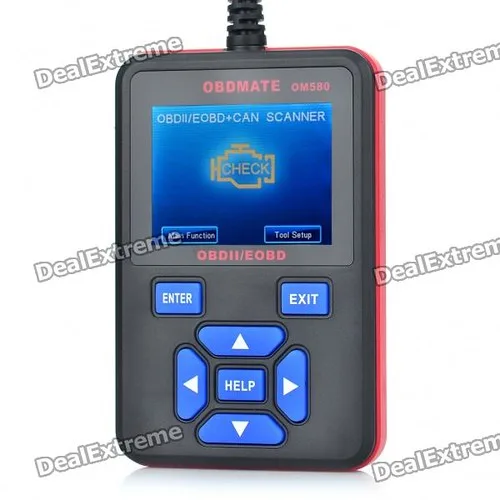
Many vehicles need both. A scan tool can read codes and live data, clear adaptations where allowed, and start relearn procedures on many models. A drive cycle then finishes the learning process under the conditions the manufacturer expects.
What a scan tool can do
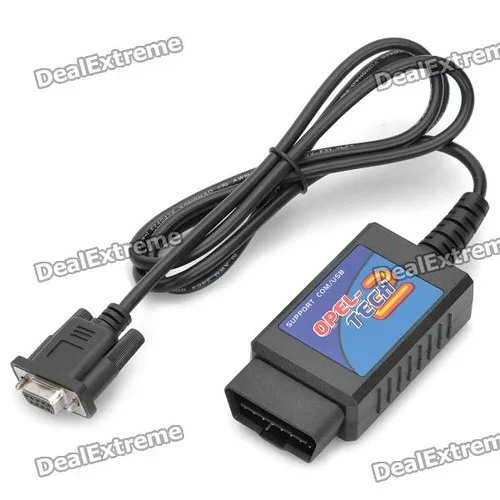
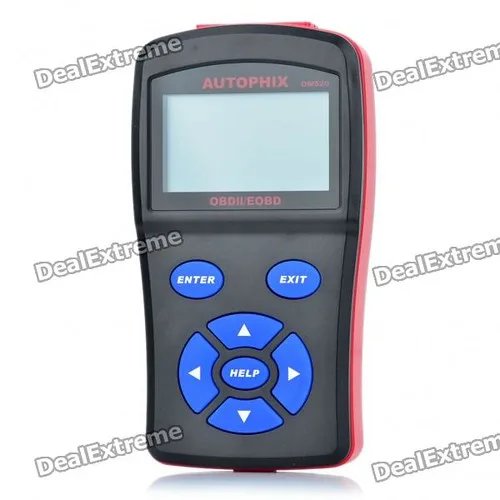
A scan tool can verify whether the TCM or PCM is communicating, show transmission codes, read clutch slip or pressure data, and launch special functions. On some vehicles, it is also the only way to begin the relearn routine after repairs.
Why drive cycles vary by vehicle
Drive cycles are not generic. A simple battery disconnect does not equal a relearn, and “drive it for 20 minutes” is not a valid repair plan for every transmission. The sequence may require stops, steady cruising, light throttle, or specific gear changes.
Can programming or relearning fix harsh shifting or limp mode?
Programming or relearning can sometimes fix harsh shifting when the root cause is wrong software or stale adaptives. They usually will not fix limp mode if the transmission has active faults, circuit problems, failed sensors, or hydraulic failure. Limp mode is a diagnostic clue, not a reset invitation.
Harsh shifting after repair
If harsh shifting began right after a battery loss, module swap, solenoid job, or valve body repair, relearn is often the first reasonable step. If the harshness comes with slip, flare, or codes, that points away from a simple reset.
Limp mode and repeat repairs
Limp mode often means the controller saw a fault severe enough to protect the transmission. In that case, stop and read codes before trying a relearn. A repeat repair after a blind reset usually costs more than proper diagnosis.
Frequently asked questions
What is the difference between transmission control system programming and relearning?
Programming loads the correct calibration or software into the TCM or PCM. Relearning resets or rebuilds the stored shift and clutch adaptives so the controller can relearn pressure and timing. Programming is about what the module runs; relearning is about how it adapts after repairs.
When do I need to program a transmission control module instead of relearn it?
Program the TCM when it has been replaced, when calibration is outdated, or when the vehicle needs a software change from a bulletin. Relearning cannot fix wrong coding or missing software. If the module is new or mismatched, programming comes first.
Can a battery reset or drive cycle relearn fix transmission shifting issues?
Yes, when the issue is caused by lost adaptive values after low voltage or a reset. It is not a cure for worn clutches, bad solenoids, or wiring faults. If the complaint includes codes, slip, or limp mode, diagnose before assuming relearn will help.
Do I need a scan tool to relearn a transmission control system?
Often, yes. A scan tool can clear adaptations, start relearn routines, and confirm live data during the process. Some vehicles also require a specific drive cycle after the tool step. A generic battery disconnect is usually not enough on its own.
Will replacing the transmission control module require programming?
In many cases, a replacement TCM needs coding or flashing so it matches the vehicle’s engine, transmission, and option set. Some vehicles also need security or initialization steps before relearn can begin. Without programming, shift behavior may be wrong or the module may not work at all.
How long does transmission relearning take after repairs?
It varies by vehicle and repair type. Some transmissions settle after a short drive cycle, while others need several trips and specific conditions. The correct answer comes from the service procedure, not a universal time. If the shifts stay abnormal after the required process, stop and diagnose further.
Products related to this article
Sponsored / affiliate links. As an Amazon Associate I earn from qualifying purchases. I may earn additional commission from eligible campaigns.