Can You Test A Transmission Control Module Yourself? How To
It’s a frustrating feeling. Your car is acting strangely, and you suspect it’s something serious. Maybe the transmission is shifting rough, or a warning light is on.
You’ve heard about something called a transmission control module, or TCM. You wonder, “Can I test this thing myself?” It’s a common question for many car owners. You want to save money and time.
You also want to know what’s going on under the hood. This guide will walk you through the basics. We’ll cover what a TCM does and the signs it might be failing.
We’ll also look at how you might test it. Understanding this complex part of your car can feel daunting, but we’ll break it down simply.
Testing a transmission control module (TCM) yourself can be challenging without specialized tools. While some basic checks are possible, accurate diagnosis often requires a professional scan tool to read error codes and live data. Signs of a failing TCM include rough shifting, illuminated check engine lights, and transmission slippage.
Basic checks involve inspecting wiring and fuses. For a definitive test, a mechanic is usually needed.
What Is a Transmission Control Module (TCM)?
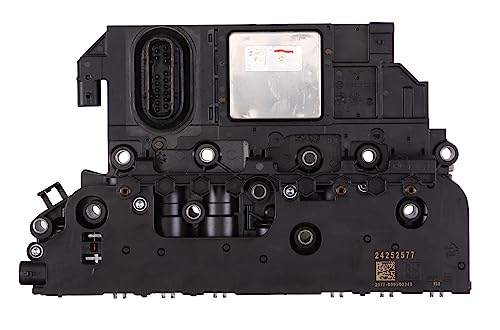
Think of the transmission control module (TCM) as the brain of your car’s automatic transmission. It’s a small computer. It lives somewhere inside your vehicle.
This computer is very important. It tells your transmission when to shift gears. It also controls how smoothly those shifts happen.
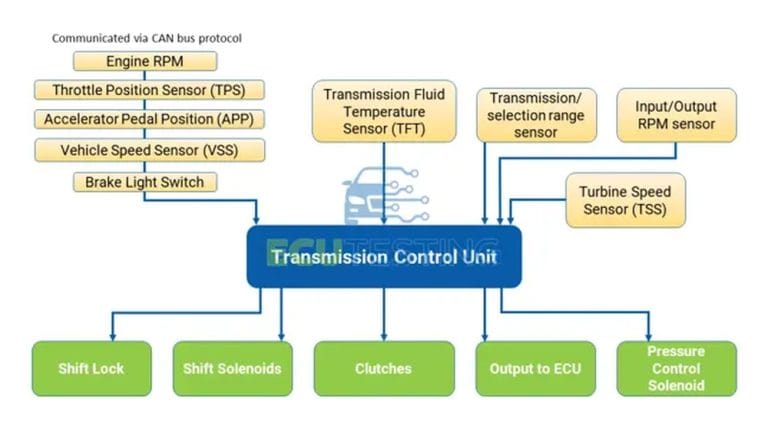
The TCM gets information from many sensors. These sensors are all over your car. They tell the TCM things like how fast the engine is turning.
They also report on how much you are pressing the gas pedal. Other sensors tell it about vehicle speed and engine load. Using all this data, the TCM makes quick decisions.
It sends signals to solenoids. These solenoids are like tiny valves. They control the flow of transmission fluid.
This fluid is what makes your gears shift. A well-working TCM ensures your car shifts gears at the right times. It makes the ride smooth and keeps your engine running efficiently.
If the TCM isn’t working right, the whole transmission can suffer. This can lead to a lot of driving problems.
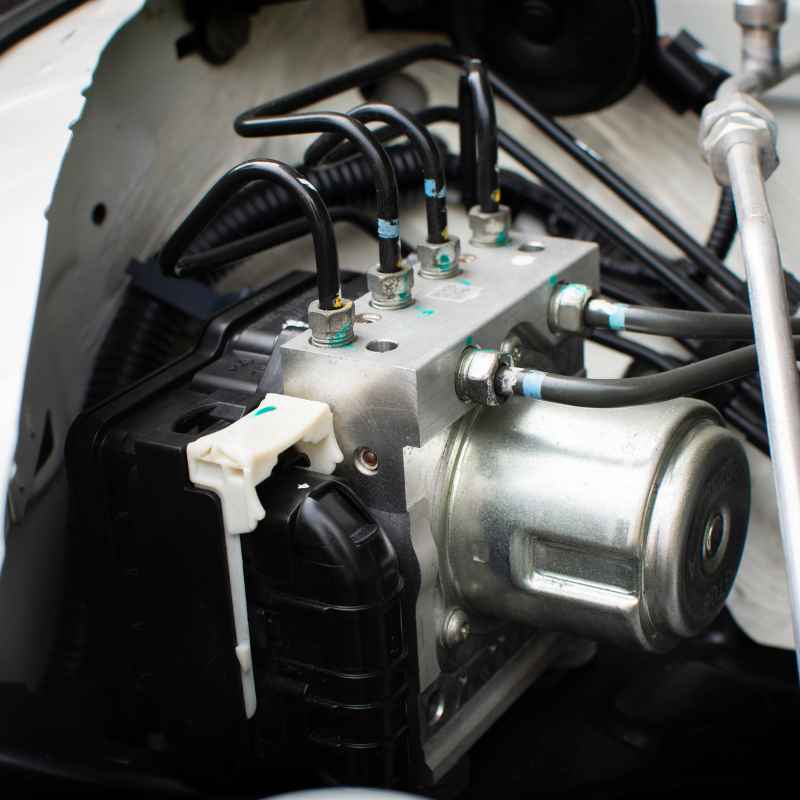
Why Does a TCM Fail?
Like any electronic part, a TCM can fail over time. There are a few main reasons this happens. One common cause is heat.
Cars get very hot, especially in the engine bay. The TCM is often located near the engine. Constant heat can degrade electronic components.
This can cause them to stop working correctly. Moisture is another big enemy for electronics. If water gets into the TCM or its connectors, it can cause corrosion.
This corrosion can break electrical connections.
Vibrations are also a problem. Cars vibrate a lot when they run. Over many years, these vibrations can shake loose connections inside the TCM.
They can even cause tiny cracks in the circuit board. Electrical surges can also damage a TCM. These surges can happen for various reasons.
Maybe there was a problem with the car’s battery. Or perhaps a jump-start was done incorrectly. Sometimes, just age and wear and tear are enough.
The components inside the TCM simply wear out over time.
Signs of a Failing Transmission Control Module
Recognizing the signs of a failing TCM is key. If you notice certain symptoms, it’s worth investigating further. One of the most common signs is rough or erratic shifting.
Your car might lurch when it shifts. Or it might hesitate before changing gears. You might feel a clunk or jolt that wasn’t there before.
Sometimes, the transmission might not shift at all. It could get stuck in one gear.
Another big clue is a warning light on your dashboard. This is often the check engine light. Sometimes, a separate transmission warning light might come on.
These lights indicate that the car’s computer has found a problem. This problem could be with the TCM. You might also experience transmission slippage.
This is when your engine revs higher than usual, but the car doesn’t speed up as much. It feels like the transmission is not fully engaging.
Some drivers report a burning smell. This can happen if the transmission fluid is overheating. This overheating can be caused by a TCM that isn’t controlling the fluid flow properly.
In some cases, the car might even go into “limp mode.” This is a safety feature. The car limits its speed and gear selection. This is to prevent further damage to the transmission.
If you notice any of these issues, it’s time to pay attention to your car.
Can You Test a Transmission Control Module Yourself?
Testing a TCM yourself can be difficult. It’s not like checking a car battery with a simple tester. The TCM is a complex computer.
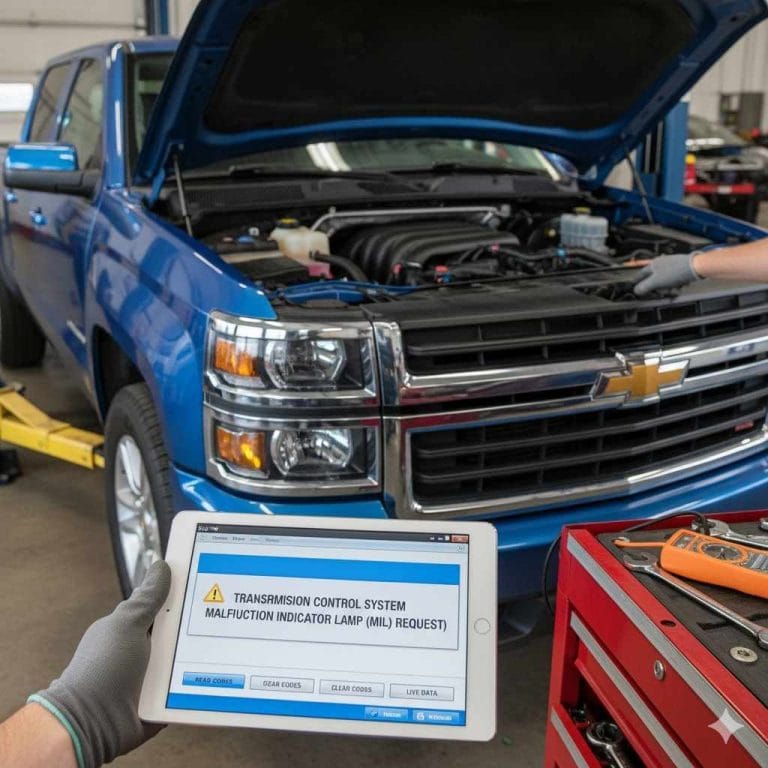
It talks to many other parts of your car. To get a real answer, you usually need a special tool. This tool is called a diagnostic scan tool.
It plugs into your car’s computer port. This port is usually under the dashboard. The scan tool can read error codes.
These codes tell you what the car’s computer thinks is wrong.
A good scan tool can also show you “live data.” This is information the TCM is getting from sensors right now. You can see if the sensor readings make sense. For example, you can check if the vehicle speed reading is correct.
You can also see if the gear selection reported by the TCM matches what you’re actually in. This kind of testing requires some knowledge. You need to know what the numbers mean.
You also need to know what normal values look like. Without this, the data can be confusing.
Basic TCM Health Checks at Home
While a full test is tough, you can do a few simple things yourself. These might give you clues. First, check the fuses related to the transmission.
Your car’s owner’s manual will show you where they are and which ones to check. A blown fuse can stop the TCM from working. Second, look at the wiring.
The TCM has wires connected to it. Sometimes these wires can become loose, damaged, or corroded. Carefully inspect the connectors.
Make sure they are plugged in tightly. Look for any signs of damage on the wires. Be careful not to pull on them too hard.
Understanding Error Codes
If you use a diagnostic scan tool, you’ll likely see error codes. These codes are like a secret language. They use letters and numbers.
For example, a code might start with “P0” or “U0”. The “P” usually means a powertrain problem. The “U” means a network communication problem.
The numbers that follow give more detail. A code like P0741 might relate to the torque converter clutch. A code like P0700 is a general transmission system fault.
These codes are a great starting point. But they don’t always point directly to the TCM itself. A code might be triggered by a faulty sensor.
Or it could be a problem with the wiring to a sensor. It could even be a problem with the transmission itself. The TCM reports the problem it “sees” or can’t communicate with.
So, the code tells you there’s an issue in a certain area. It doesn’t always mean the TCM is the part that needs replacing. This is why professional diagnosis is often needed.
Common TCM-Related Error Codes (Examples)
- P0700: Transmission Control System Malfunction. This is a general code indicating a problem within the transmission system that the TCM has detected.
- P0705: Transmission Range Sensor Circuit Malfunction (PRNDL Input). This code means the TCM isn’t getting correct signals about what gear the shifter is in.
- P0710: Transmission Fluid Temperature Sensor Circuit Malfunction. This indicates a problem with the sensor that tells the TCM how hot the transmission fluid is.
- P0740: Torque Converter Clutch (TCC) Circuit Malfunction. This relates to the system that locks the engine to the transmission for better fuel economy.
- U0100: Lost Communication With ECM/PCM. This means the TCM can’t talk to the main engine computer, which could be a network issue or a TCM problem.
The Role of Sensors
Sensors are incredibly important for the TCM. The TCM relies on them to understand what’s happening. If a sensor isn’t working right, it sends bad information.
This bad information makes the TCM make wrong decisions. For example, the vehicle speed sensor (VSS) tells the TCM how fast the car is going. If the VSS is faulty, it might send a speed that’s too high or too low.
The TCM would then try to shift gears based on this incorrect speed.
The engine speed sensor (RPM sensor) is also vital. It tells the TCM how fast the engine is spinning. The TCM uses this to know when to shift.
If this sensor fails, the TCM might not know when to upshift or downshift. Other sensors include those that measure throttle position, brake pedal position, and transmission fluid temperature. Each one plays a part in the TCM’s decision-making process.
Problems with any of these sensors can mimic TCM failure.
Sensor Check – What to Look For
When checking for TCM issues, it’s also wise to consider the sensors. Are any of them reporting strange values on a scan tool? Sometimes, a simple cleaning of a sensor connector can resolve issues.
For instance, a dirty connection on a speed sensor could cause incorrect readings. Always refer to your car’s repair manual for specific sensor locations and testing procedures. The manual will also list expected values for these sensors.
My Own “Close Call” Story
I remember a time a few years back. My old sedan started acting up. The transmission felt like it was slipping.
It would hesitate before shifting, and the check engine light came on. My first thought was, “Oh no, this is going to be an expensive transmission repair.” I dreaded the thought of taking it to the dealer. I spent a weekend researching symptoms online.
I read about TCM failure, valve body issues, and sensor problems. It was overwhelming.
I decided to buy a basic OBD-II scan tool. I plugged it in, and it read a P0700 code. That’s the general transmission code.
It didn’t give me much specific information. But it confirmed something was definitely wrong. I then looked up common issues for that specific car model.
I found a forum post where someone had a similar problem. Their issue turned out to be a loose wire on the transmission range sensor. That sensor tells the car if it’s in Park, Reverse, Neutral, or Drive.
I found the sensor. It was a bit tricky to reach. I wiggled the connector.
It felt a little loose. I pushed it in firmly until it clicked. I cleared the code with the scan tool.
Then, I took the car for a test drive. To my surprise, the shifting was smooth again. The hesitation was gone.
The check engine light stayed off. It turned out to be a simple loose connection. It saved me a ton of money and worry.
It taught me to always do some basic checks before jumping to the most expensive conclusion.
What if It’s Not the TCM?
It’s very common for people to assume the TCM is bad when it’s not. The TCM is just one part of a complex system. Many other components can cause similar symptoms.
The transmission fluid itself is crucial. If the fluid is low, old, or dirty, it can cause shifting problems. Low fluid means the transmission might not have enough pressure to engage gears properly.
Old or burnt fluid loses its lubricating properties. This can lead to overheating and damage.
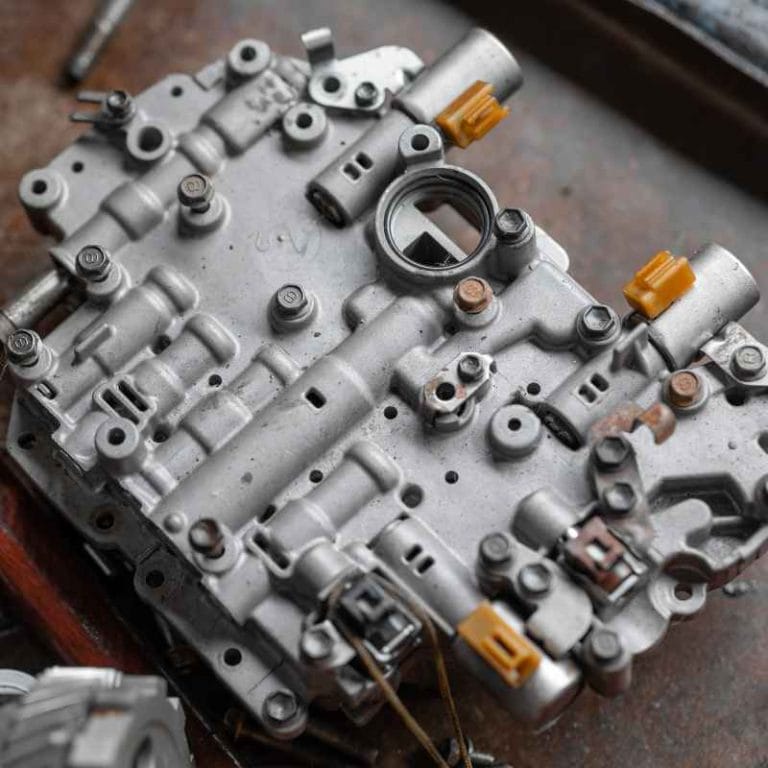
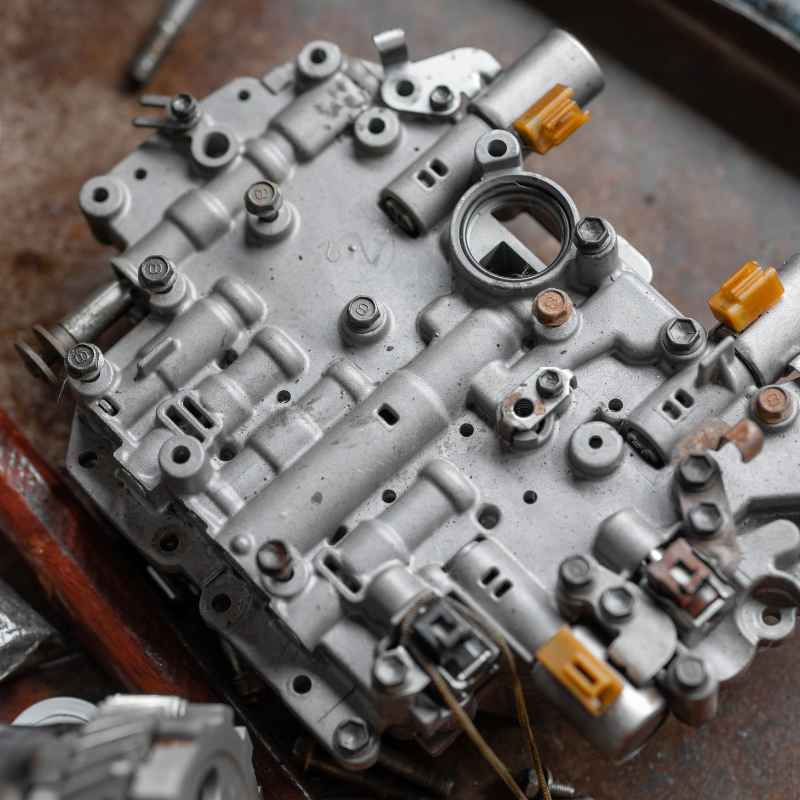
The valve body is another common culprit. This is a series of passages and valves within the transmission. It directs transmission fluid to the right places to make gears shift.
If a valve sticks or a passage gets clogged, it can cause all sorts of shifting issues. Solenoids, which are controlled by the TCM, can also fail. If a solenoid doesn’t open or close properly, the TCM can’t control fluid flow effectively.
This leads to poor shifting.
Wiring problems are also frequent. The TCM relies on a network of wires. Any break, short, or corroded connection in this network can cause issues.
Sometimes, it’s the TCM’s internal components that have failed. But it’s often something simpler. That’s why a thorough diagnosis is so important.
It prevents you from replacing an expensive part like the TCM when the problem lies elsewhere.
Transmission Fluid: Your First Line of Defense
Checking your transmission fluid is one of the easiest things you can do. Your owner’s manual will tell you how. For many cars, you check it while the engine is running and warm.
Look for the fluid level and its condition. It should be reddish-pink and clear. If it’s brown, smells burnt, or has debris in it, it’s time for a fluid change.
This simple step can sometimes solve shifting problems.
When to Call a Professional
While some basic checks are possible, the TCM is a complex electronic module. Accurate testing often requires specialized equipment. A professional mechanic has advanced diagnostic tools.
They can read a wider range of codes. They can also perform more in-depth tests on sensors and the TCM itself. They understand the live data readings and know what’s normal for your car.
If you’re seeing multiple error codes. Or if the symptoms are severe and consistent. It’s best to seek professional help.
Mechanics can also properly diagnose other transmission components. They can tell if it’s truly the TCM, the valve body, solenoids, or something else. Trying to
What a Professional Diagnostic Includes
- Advanced Scan Tool Usage: Reading all available codes, including manufacturer-specific ones.
- Live Data Analysis: Monitoring sensor readings and TCM commands in real-time.
- Component Testing: Verifying the operation of sensors, solenoids, and wiring.
- Transmission Fluid Analysis: Checking fluid level, condition, and checking for metal particles.
- Electrical System Checks: Ensuring proper voltage and ground to the TCM and related components.
The Cost of TCM Replacement
If it is determined that your TCM needs replacing, it can be a significant expense. The cost involves the part itself and the labor to install it. TCMs are electronic control units.
They are not cheap. Prices can vary widely depending on the car make and model. Newer luxury vehicles often have more complex TCMs.
These can cost more than those in older, simpler cars.
Labor costs also add up. The TCM might be in a difficult-to-reach location. Sometimes, it’s inside the transmission itself.
This requires removing parts of the transmission. This takes time and expertise. Many modern TCMs also need to be programmed.
This means a mechanic must use special software to configure the new TCM for your specific car. This programming step is crucial. If it’s not done correctly, the new TCM won’t work.
Or it might not work properly.
Because of these costs, it’s essential to be sure the TCM is the problem. A proper diagnosis by a trusted mechanic is worth the initial diagnostic fee. It can save you from paying for an unnecessary and expensive part.
Always get a written estimate before authorizing any work. Ask about the warranty on both the part and the labor. This gives you peace of mind.
Can You Drive with a Failing TCM?
Driving with a failing TCM is generally not recommended. The symptoms can worsen over time. A minor shifting issue could turn into a complete transmission failure.
This would be much more expensive to fix. As mentioned earlier, the car might go into “limp mode.” This is a safety feature. It limits the car’s performance to protect the transmission.
If your car enters limp mode, you should avoid driving it if possible.
If you must drive it, do so with extreme caution. Avoid high speeds and heavy acceleration. Stick to short, local trips.
The longer you drive with a malfunctioning TCM, the greater the risk of causing more damage. Transmission fluid can overheat. Internal transmission parts can wear down faster.
It’s best to get the issue diagnosed and repaired as soon as possible. Don’t delay. Waiting can turn a repairable problem into a catastrophic one.
Conclusion
Figuring out if your transmission control module is the problem can be tricky. You can do some basic checks yourself. These include looking at fuses and wiring.
However, a full and accurate test usually needs a professional. A good diagnostic scan tool is key. It helps read error codes and live data.
If you have symptoms like rough shifting or warning lights, don’t ignore them. Understand the signs. Consider your options.
Always get a proper diagnosis before replacing parts. This saves you time, money, and stress.
Frequently Asked Questions About Testing a Transmission Control Module
What are the first signs that my transmission control module might be failing?
The most common early signs include rough or delayed gear shifts, a “check engine” light on the dashboard, and sometimes transmission slippage where the engine revs but the car doesn’t accelerate as it should. You might also notice the car entering “limp mode,” which restricts speed and gear selection.
How does a diagnostic scan tool help test the TCM?
A diagnostic scan tool plugs into your car’s computer port. It can read specific error codes that the car’s computer has stored. These codes point to potential problems.
A good scan tool also shows live data, like sensor readings, which helps a mechanic see how the TCM is functioning in real-time.
Can I simply replace the TCM if I think it’s bad?
Replacing a TCM without a proper diagnosis is not recommended. The symptoms might be caused by other issues like faulty sensors, low transmission fluid, or a problem with the valve body. Many new TCMs also need to be programmed specifically for your car, which requires specialized tools and knowledge.
What is the difference between a TCM and the engine control module (ECM)?
The Engine Control Module (ECM) or Powertrain Control Module (PCM) manages the engine’s functions. The Transmission Control Module (TCM) specifically manages the automatic transmission’s shifting and operations. On some vehicles, these functions are combined into a single unit (PCM).
Are there any simple DIY tests I can do for a potential TCM issue?
Yes, you can check your transmission fluid level and condition, as it’s crucial for transmission operation. You can also check relevant fuses for the transmission control system and visually inspect the wiring harness connected to the TCM for any obvious damage or loose connections. However, these are basic checks and not a definitive test of the TCM itself.
How much does it typically cost to replace a Transmission Control Module?
The cost can vary greatly depending on your car’s make, model, and the TCM’s location. It can range from several hundred dollars to over a thousand dollars. This cost includes the part itself, which can be expensive, and the labor to install and program it.
A professional diagnosis is important to confirm the TCM needs replacement before incurring this cost.
Can a bad TCM cause my car to stall?
While not the most common symptom, a severely malfunctioning TCM can sometimes contribute to stalling. This is usually due to the TCM not properly managing gear engagement or clutch operation, which can indirectly affect engine function. However, stalling is more often linked to engine-related issues.
Products related to this article
Sponsored / affiliate links. As an Amazon Associate I earn from qualifying purchases. I may earn additional commission from eligible campaigns.