Transmission Control System vs Transmission Problem Guide
If the fluid is full, voltage stays above 12.4 V, and the scan tool shows communication or solenoid codes with no hard slip, I start with the control system; if it slips in every gear, smells burnt, or has metal in the pan, I suspect internal damage. A wrong guess burns money on modules, solenoids, or fluid while the real fault sits in wiring, or it lets a failing unit run until it needs a rebuild. This guide starts with a brief check, then scanning data, then the mechanical tests that can help separate control faults from true transmission problems.
| Decision factor | Transmission control system | Transmission problem: how to tell the difference | Winner |
|---|---|---|---|
| Best clue from the driveway | One gear, limp mode, warning light, weird shift timing | Slip, flare, grind, delayed drive engagement, no movement, burnt smell | Transmission problem |
| Best scan-tool clue | Communication, sensor, range, solenoid, or voltage-related codes | Gear-ratio codes, pressure control codes, and data that shows commanded gear not matching road speed | Tie |
| Fastest next test | Check fluid level and condition, then inspect pan, magnet, and mechanical operation | Tie | |
| Risk of replacing parts too early | High if the real fault is low voltage or wiring | High if the real fault is a worn clutch pack, valve body, or fluid loss | Tie |
| Best fit use case | Electronic diagnosis before parts replacement | Physical inspection when symptoms point inside the gearbox | Tie |
What a transmission control system does


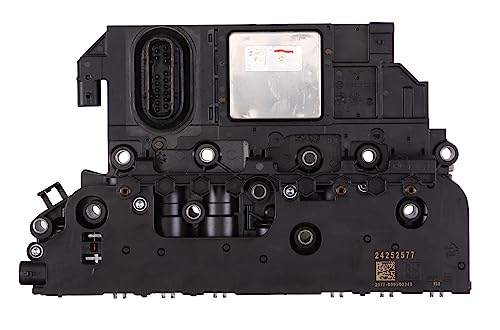
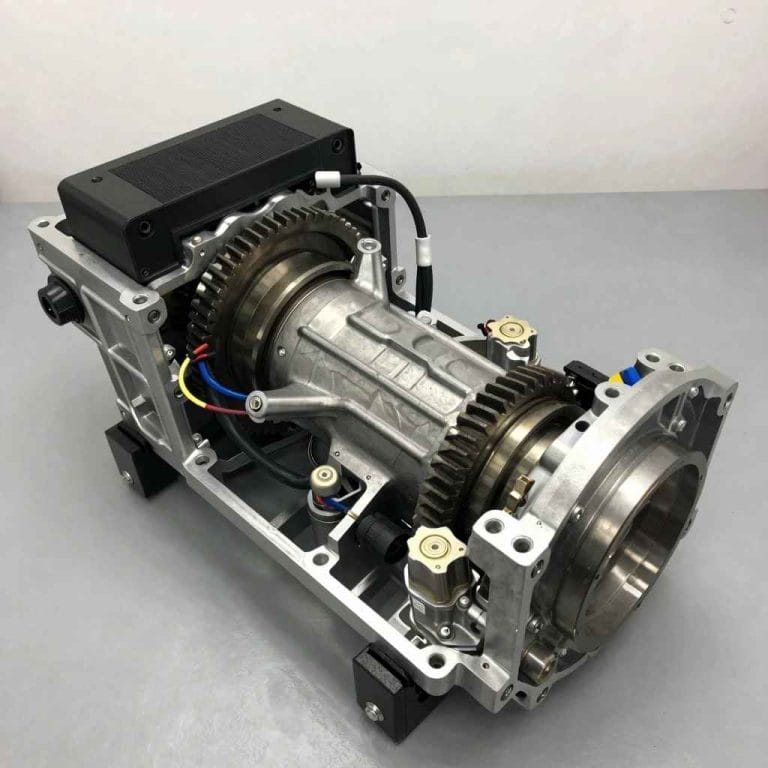
A transmission control unit is also known as a transmission control module, and some vehicles use that function inside another control unit instead of a separate box. The TCM controls automatic shifting and related transmission functions, including torque converter lockup, so a fault here can change how the car drives without any hard internal damage.
TCM, TCU, or integrated control unit: what the naming means
TCM and TCU are often used interchangeably, but TCU can also mean telematics control unit in some contexts. That is why the service manual and wiring diagram matter; they identify the exact module name, location, and circuit path for that vehicle instead of relying on a generic acronym.
Inputs the control system watches, including speed, temperature, and range signals
The module watches inputs from speed sensors, temperature sensors, range signals, and related data, then decides when and how to command shifts. If those inputs are wrong, missing, or noisy, the transmission can shift badly even when the gear train itself is still healthy.
Why control faults can look like transmission faults from the driver seat
From the cabin, a control fault can feel like a bad gearbox because the shift timing is wrong. Harsh upshifts, late shifts, or one-gear behavior can come from a bad controller, a wiring issue, or low voltage, not only from worn clutches or gears.
What a true transmission problem feels like
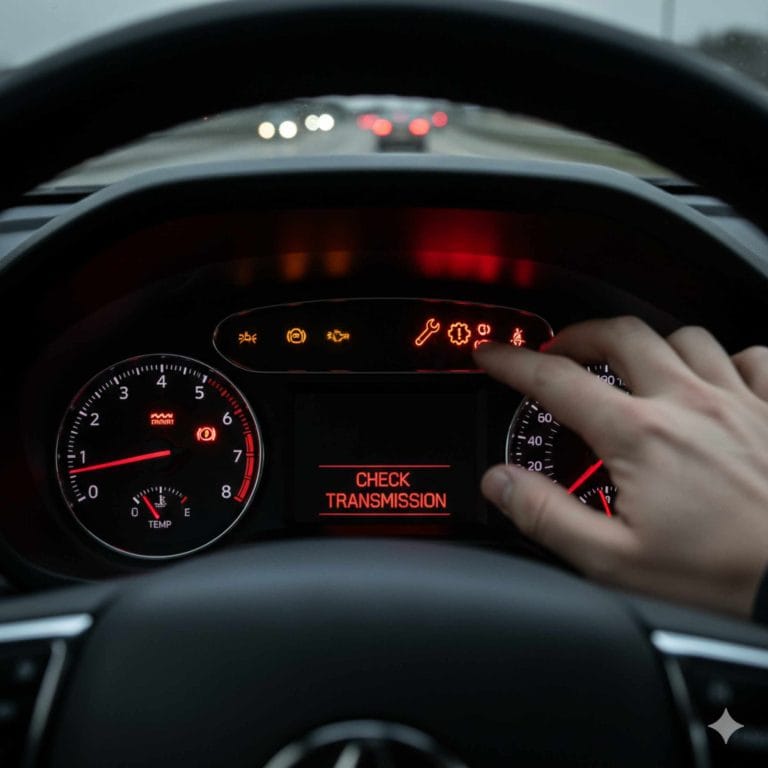
A true transmission problem usually shows up as slip, flare, harsh engagement, delayed drive or reverse, grinding, or no movement at all. Burning odor, leaks, and low fluid are red flags, and a warning light can appear with fluid problems or internal damage, so the symptom cluster matters more than the light itself.
Slip, flare, harsh engagement, delay, grind, or no movement
When the engine revs but road speed does not keep up, the transmission is often slipping. If the vehicle hesitates before moving into Drive or Reverse, or if it grinds under load, the fault is moving away from electronics and toward hydraulic or mechanical damage.
Fluid leaks, low level, and burning odor
Transmission fluid issues can affect drivability. Low level can cause shifting complaints, and a burnt smell or visible leak points to a transmission-side problem that needs attention before more driving; fluid service intervals differ by transmission type, with most automatic transmissions requiring fluid changes every 60,000 to 100,000 miles and manual transmissions generally needing fresh fluid every 30,000 to 60,000 miles. (thedrive.com)
When the symptom points inside the gearbox
If every gear slips under load, if the unit chatters or grinds, or if the pan contains debris, the problem is usually inside the transmission rather than in the control module. Solenoids and the valve body can still mimic internal damage, so the mechanic’s job is to separate those middle-ground failures from worn clutch packs or bands.
How do I tell if the transmission control module is bad or the transmission is bad?
Start with the symptom pattern. If the vehicle has limp mode, odd shift timing, or codes tied to communication, sensors, or solenoids but no clear slip, suspect the control side first; if it slips in every gear, smells burnt, leaks fluid, or will not move the vehicle, suspect the transmission itself.
Roadside clues that point to control, voltage, or communication faults
A car stuck in one gear with otherwise normal engine operation often points to fail-safe or limp strategy. That is a warning strategy, not the root fault. If the battery has been weak, the charging system is unstable, or the warning light came on after a low-voltage event, the control path moves higher on the list.
Roadside clues that point to mechanical or hydraulic damage
Slip on acceleration, delayed engagement into Drive, harsh banging shifts, or a burnt odor points toward internal wear or hydraulic trouble. A vehicle that will not move in any gear, especially with fluid leakage or metal in the pan, needs physical inspection before more driving.
When to stop driving and when limp-home mode is acceptable
Limp mode can let the vehicle move cautiously to a safer place or a shop, but it is not a reason to keep driving normally. Stop driving immediately if the transmission is slipping badly, grinding, leaking fluid heavily, or refusing to engage with a burnt smell present.
What codes or scan data suggest a control-module fault versus a mechanical transmission fault?
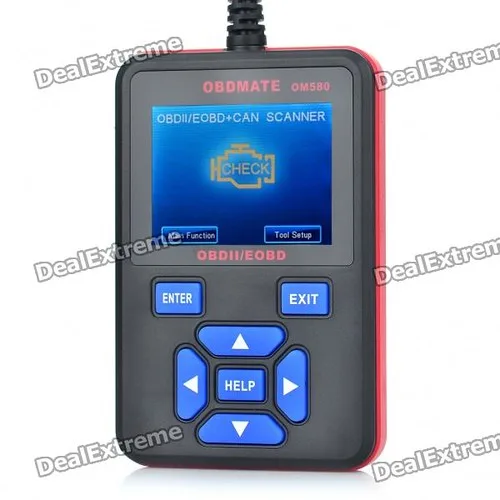
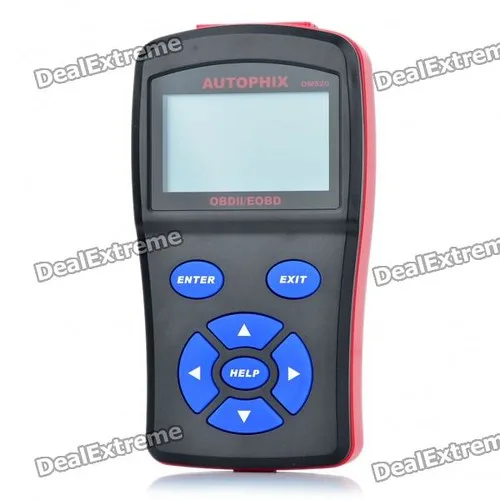
OBD2 scan data helps separate the cause, but one code never proves the module is bad. Communication codes, sensor correlation faults, range errors, and solenoid electrical codes point toward the control side; gear-ratio, pressure, or slip-related data that does not match commanded behavior points more toward transmission or hydraulic trouble.
Which OBD2 codes point toward control, sensor, or communication faults
Codes that mention loss of communication, solenoid circuits, pressure control, or range signals are often control-system clues. They tell you where the fault may be, not what to replace yet. A bad controller may also trigger a fail-safe or limp strategy, which is why the code set has to be read with the live data.
How live data can separate sensor input problems from output problems
Live data shows whether the module is seeing sensible inputs and whether the transmission is responding. If commanded gear changes but the input and output speed data do not match the expected change, the fault may be mechanical. If the inputs are erratic or missing before shifting starts, the wiring, sensor, or module path is more suspect.
Why one stored code is not enough to condemn the module
Wiring damage can mimic module failure, and low voltage can make a healthy module act strange. That is why an OBD2 scan tool should be used before parts replacement, and why the code needs to be matched with voltage, grounds, communication, and fluid condition.
Use this control fault vs transmission fault checklist

| Observable symptom | Scan-tool clue | Next test | Likely side |
|---|---|---|---|
| Stuck in one gear, drives but shifts little | Communication, range, or solenoid code | Check battery voltage, charging output, grounds, and CAN communication | Control system |
| Harsh or late shifts, but no hard slip | Solenoid command or pressure-control code | Inspect harness, connector condition, and fluid level | Control system |
| Slip in every gear under throttle | Gear-ratio or slip data out of range | Check fluid condition, pan debris, and internal pressure behavior | Transmission |
| Burning smell and visible leak | May or may not set a code | Inspect seals, cooler lines, and fluid level immediately | Transmission |
| No movement in Drive or Reverse | May show ratio, pressure, or communication faults | Verify fluid, linkage, and mechanical engagement before module replacement | Transmission |
That checklist is the fastest way to stop guessing. If the symptoms cluster around electrical behavior, the next test is voltage and communication; if the symptoms cluster around slip, odor, leak, or debris, the next test is mechanical inspection.
Observable symptom column
Use the symptom column first because the driver can see or feel it before any tool goes on the car. One-gear behavior, harsh shifts, and warning lights often belong to the control path, while slip, grind, and burnt fluid belong to the transmission side.
Scan-tool clue column
The scan tool confirms the direction. Codes for communication or solenoids usually mean the control system is upset or being lied to by bad inputs, while gear-ratio or pressure data that makes no sense under load points deeper into the transmission.
Next test column
The next test prevents wasted parts. Test battery voltage, charging output, power, ground, and communication first for control complaints; inspect fluid, pan contents, and mechanical behavior first for slip, grinding, or burn smell.
Does low battery voltage cause transmission control problems?
Yes. Low battery voltage or charging problems can trigger transmission control issues, create false communication problems, and push the module into fail-safe behavior. That is why voltage checks come before module replacement, especially if the complaint started after a weak battery, jump start, or charging-system event.
Why power quality comes before module replacement
The TCM needs power, ground, and communication to operate. If any of those are weak, a healthy module can look bad. Replacing the TCM before checking supply voltage and ground is one of the easiest ways to waste money and miss the real fault.
What are the first checks before replacing the TCM?
Check battery voltage, charging output, power, ground, and communication first. Then use the service manual and wiring diagram to confirm the exact module name, the connector pinout, and the circuit path; that avoids buying the wrong part or mistaking an integrated control unit for a separate TCM.
- Verify battery state and charging voltage.
- Scan for transmission-related codes and freeze-frame data.
- Check power, ground, and communication at the harness.
- Inspect connectors for corrosion, bent pins, water entry, or damage.
- Confirm the module architecture in the service manual.
Battery voltage and charging system check
Begin here because low voltage can create false transmission complaints. If voltage is unstable, fix that first and retest; otherwise every later result is suspect.
Power, ground, and communication checks at the harness
The wire set carries power and ground and supports CAN communication circuits. Damage here can mimic module failure. A broken wire, rubbed-through insulation, or corroded connector can cause the same complaint that tempts people to blame the TCM.
Wiring diagram and service manual confirmation
The wiring diagram tells you which circuits actually feed the module and where they run. It also prevents acronym confusion, which matters because the same letters can mean different things on different vehicles.
When should I stop diagnosing and have the transmission inspected physically?
Stop diagnosing electronically and move to physical inspection when the transmission slips, grinds, leaks, smells burnt, or will not move the vehicle. If fluid is low or contaminated, or if the pan likely contains debris, the problem is no longer just a scan-tool question.
Solenoids and valve body faults
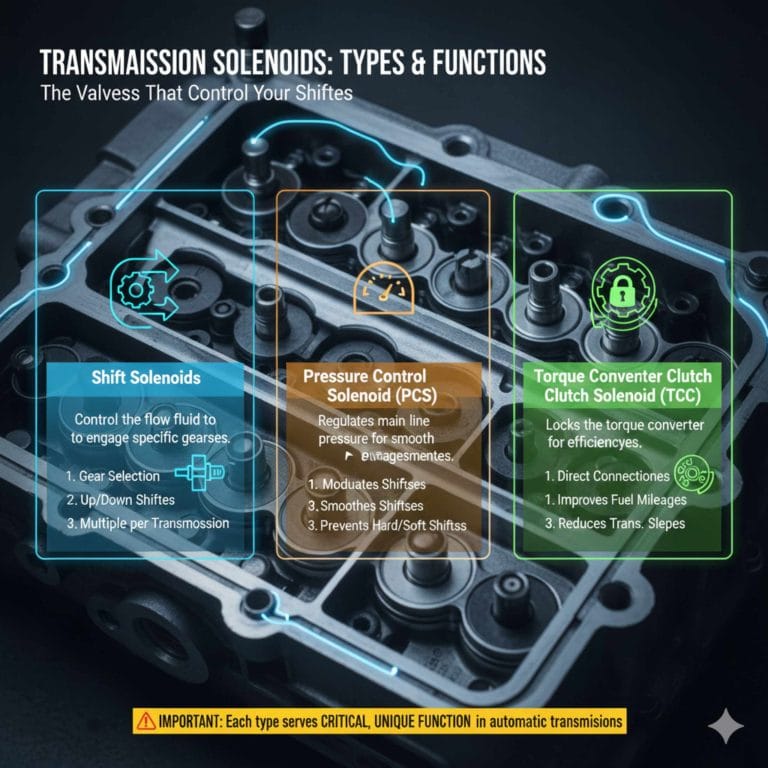
Solenoids command gear changes, and a faulty valve body can create symptoms that look like a module failure. These are common middle-ground cases. They still need separation from wiring, voltage, and controller faults before a transmission comes out of the car.
Internal clutch, band, or hydraulic damage
When the clutch packs, bands, or hydraulic passages are worn or damaged, no scan tool can restore them. That is where rebuild, replacement, or repair comes in. A strong burning smell, repeated slip, and metal in the pan are the usual clues that point here.
When a physical inspection is the next step
If the transmission side keeps failing after electrical checks pass, the next step is hands-on inspection of fluid, pan, magnet, and hydraulic behavior. At that point, the question is no longer whether the TCM is bad; it is whether the gearbox can still be saved without major repair.
Choose transmission control system if…
Choose the control-system path if the vehicle has limp mode, one-gear operation, shifting complaints without hard slip, or codes tied to communication, sensors, solenoids, or voltage. That path is also the right pick when battery or charging problems are present, because those faults can imitate a failed module.
Choose transmission problem: how to tell the difference if…
Choose the transmission-problem path if the car slips in every gear, grinds, delays badly into gear, leaks fluid, smells burnt, or shows metal in the pan. That is the point where the gearbox itself needs physical inspection, and driving farther can turn a repairable fault into a rebuild or replacement.
Frequently asked questions
How do I tell if the transmission control module is bad or the transmission is bad?
If the vehicle has limp mode, odd shifting, or control-related codes but no hard slip, suspect the control system first. If it slips in every gear, grinds, smells burnt, leaks fluid, or will not move, suspect the transmission itself and move toward physical inspection.
What symptoms point to a transmission control problem instead of internal transmission damage?
One-gear operation, harsh or late shifts, warning lights, and intermittent shifting problems often point to the control side. If those symptoms happen without slip or burnt fluid, check voltage, grounds, communication, and solenoids before assuming the gearbox is damaged.
Can a bad transmission control module cause limp mode or one-gear operation?
Yes. A bad controller may trigger a fail-safe or limp strategy, and that can hold a single gear or limit shifting. Limp mode is a warning strategy, though, so it does not prove the module is bad by itself.
What codes or scan data suggest a control-module fault versus a mechanical transmission fault?
Communication, range, sensor, and solenoid codes often point toward the control side. Gear-ratio mismatch, pressure problems, and live data that does not match commanded behavior point more toward hydraulic or mechanical transmission trouble.
Does low battery voltage cause transmission control problems?
Yes. Low battery voltage and charging problems can trigger transmission control complaints and force fail-safe behavior. That is why power supply checks come before module replacement, especially if the problem started after a weak battery or jump start.
What are the first checks before replacing the transmission control module?
Check battery voltage, charging output, power, ground, and communication first. Then scan for codes, inspect the harness, and confirm the exact module architecture in the service manual and wiring diagram before buying any part.
Products related to this article
Sponsored / affiliate links. As an Amazon Associate I earn from qualifying purchases. I may earn additional commission from eligible campaigns.