Transmission control system vs transmission control module
The transmission control system is the broader decision loop, including the module, wiring, sensors, actuators, power, ground, and software logic, while the transmission control module is the computer inside that system. If scans show multiple impossible sensor codes or no comms, I suspect wiring or power first, then the TCM. Misdiagnosing it can mean paying for a module when a bad speed sensor or corroded connector is the real fault. This guide separates the architecture, the common failure points, and the checks that tell module failure from sensor, solenoid, or wiring trouble.
Transmission control system vs transmission control module: the real difference


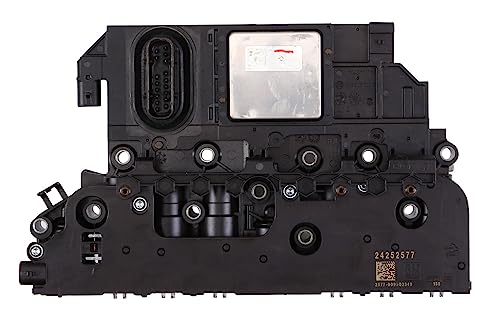
The transmission control system is the full electronic control setup. The transmission control module is one computer inside it, and on some vehicles that computer may be called a TCM, TCU, or GCU. That distinction matters because a shift complaint can come from the module, but it can also come from the sensors, solenoids, wiring, grounds, or the engine computer feeding bad data.
Shoppers get confused because parts listings often use TCM for the whole thing, while service manuals may split the controller from the rest of the network. A car can have a standalone transmission computer, or it can fold transmission control into a PCM. Treat those layouts as the same, and diagnosis gets sloppy fast. (en.wikipedia.org)
Where the module sits inside the bigger control setup
The module makes the shift decision. The control system includes the inputs that inform that decision and the outputs that carry it out. In practice, that means the TCM/TCU watches sensor data, asks for torque changes from the engine side when needed, and drives transmission solenoids to change hydraulic state.
Side-by-side comparison: TCM, PCM, and transmission control system
The real trade-off is scope. A transmission control module is a single computer. A PCM is a combined engine-and-transmission computer in some vehicles. The transmission control system is the broader network that includes the computer plus the sensors, wiring, power feeds, grounds, and actuators that make shifting happen.
| Decision factor | Transmission control system | Transmission control module | Winner |
|---|---|---|---|
| What it is | Entire electronic control network for shifting | One computer that decides shifts | Transmission control system |
| What it needs to work | Sensors, wiring, power, grounds, software, solenoids, and sometimes ECU data | Clean inputs, clean power, clean ground, and healthy internal logic | Tie |
| Typical failure scope | Sensor fault, wiring fault, solenoid fault, module fault, or communication fault | Internal failure, water damage, connector corrosion, software issue | Transmission control system |
| Diagnosis focus | Trace the fault through inputs and outputs | Confirm the module has power, ground, and sane data before replacement | Tie |
| Best-fit use case | Understanding the whole shifting architecture | Buying or replacing the controller itself | Transmission control system |
What the system row means
The system wins for architecture because it is the bigger picture. That matters most when the fault is upstream or downstream of the module, which is common on cars with corroded connectors, failing sensors, or a weak power feed.
What the module row means
The module wins only when the question is the controller itself. If the TCM has lost internal logic, communication, or output control, replacing the module may be the fix. But the module is not the first thing to blame.
Why the tie rows stay tied
Power, ground, and inputs matter to both. A healthy module cannot shift correctly if the information feeding it is wrong, and a healthy system still fails if the module itself is dead. That is why the diagnostic path matters more than the label on the scan report.
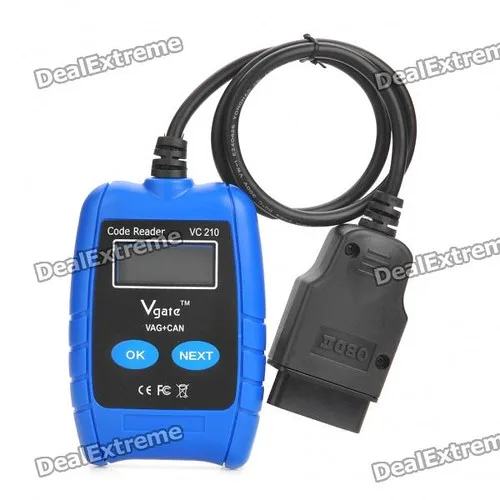
What does a TCM actually use to shift gears?

A TCM uses sensor inputs and ECU data to calculate shift timing and clutch apply quality. For most systems, the two main inputs are the throttle position sensor and the vehicle speed sensor. The module uses those signals to infer engine load and road speed, then picks shift timing, shift feel, and gear selection.
Primary inputs: TPS and VSS
The throttle position sensor tells the module how hard the driver is asking for acceleration. The vehicle speed sensor sends a varying frequency signal that tells the module vehicle speed. When those two signals disagree with each other, shifts get late, early, harsh, or confused.
Supporting inputs: TSS/ISS, WSS, and TFT
The turbine speed sensor, also known as the input speed sensor, helps the TCM determine slippage across the torque converter and clutches. Wheel speed sensors can help it estimate vehicle movement, and that can shape adaptive shift behavior. Transmission fluid temperature, also called transmission oil temperature, can change protection strategy and shift timing when the fluid is cold or hot.
How the module uses those signals
The module compares engine load, vehicle speed, input shaft speed, and temperature against its shift logic. It can also request torque reduction from the ECU during a gear change. On many units, it decides lock-up clutch behavior the same way it decides a shift: by comparing what it expects to see against what the sensors report.
Can the transmission control system be built into the ECU or PCM?
Yes. Some vehicles use a separate transmission computer, while others combine transmission control into a PCM that handles both engine and transmission functions. The difference is structural, not theoretical: the control job is the same, but the electronics may be split across modules or folded into one box.
Separate module layouts
In a separate layout, the TCM talks to the ECU and other modules over the vehicle network. This setup is common when the transmission needs its own enclosure, its own connector set, or its own calibration path. If that controller fails, the engine side may still run normally while shifting goes bad.
Combined PCM layouts
In a PCM layout, the ECU and TCM functions live in one housing. That can simplify wiring and packaging, but it also means one failure can affect both engine and transmission behavior. When a PCM goes bad, the symptom set can be broad, not just a shift complaint.
How to tell which setup your vehicle has
Scan tool module lists are often the quickest clue. If you can access a TCM as a separate module, it is likely standalone. If the scan tool only shows PCM or ECM data for transmission parameters, the functions are probably integrated. Service data, wiring diagrams, connector count, and module location confirm it.
What symptoms point to a bad TCM versus a sensor problem?
A bad TCM can cause harsh shifting, wrong-gear behavior, limp mode, and communication loss, but those symptoms also happen when a sensor lies or an open circuit breaks the signal path. If one input is clearly wrong, start with the sensor or wiring. If several unrelated signals look impossible or the module drops off the network, the controller rises on the suspect list.
Harsh shifting and wrong-gear behavior
Harsh shifts often point to bad input data, especially TPS or VSS issues, before they point to the module. A failed module can command the wrong pressure strategy, but a bad throttle signal can make a good module act that way. Transmission solenoids can also create a firm or lazy shift if they stick or lose electrical control.
Slipping, delayed engagement, and flare
Slipping or flare can be caused by low fluid pressure, worn clutch packs, bad TSS/ISS data, or a solenoid problem. A TCM may mismanage lock-up or line pressure commands, but it is usually not the first failure to condemn. Delayed engagement often needs fluid checks, circuit checks, and solenoid testing before module replacement.
Limp mode and communication faults
Limp mode is the controller protecting the transmission after it sees a fault it cannot trust. Communication faults often point more toward power, ground, network wiring, or module failure than toward a simple sensor issue. When the scan tool cannot talk to the TCM at all, the diagnosis starts with the feed, not the code list.
When solenoids are the more likely culprit
Transmission solenoids are part of the control system and get blamed often because they sit between the computer and the hydraulic hardware. If a single gear or shift event is wrong, and the rest of the module data looks sane, a sticking or electrically open solenoid is a stronger bet than a dead TCM.
Use the symptom-to-failure checklist before replacing the module
This checklist keeps the diagnosis tied to the symptom, not the guess. A module is only one possible cause, and it is expensive enough that it should not be the first part replaced. Start with the complaint, then move outward to sensors, wiring, solenoids, and only then the controller.
- Complaint: harsh or late shifts → Check TPS signal quality, VSS signal, transmission fluid condition, and shift solenoids. If those look normal, inspect TCM power, ground, and connector pins.
- Complaint: slipping or shudder → Check TSS/ISS data, fluid level, TFT reading, and torque converter clutch control. A bad module is possible, but a solenoid or hydraulic issue is more common.
- Complaint: no upshift or stuck in one gear → Check limp mode codes, solenoid control, VSS, and network communication. If the module cannot validate speed, it may hold a fail-safe gear.
- Complaint: scan tool communication loss → Check module power, grounds, fuses, connector corrosion, and network wiring first. A dead module is only one possible cause of scan tool communication loss; an open feed is often the simpler one.
How do I check whether my car has a separate TCM or a PCM?
Start with the scan tool, then confirm with service information and hardware layout. If the scan tool lists TCM as a separate module, the car likely has a standalone controller. If transmission data lives inside PCM or ECM screens, the transmission function may be integrated.
Look at scan tool module lists
A module list that shows TCM, PCM, and ECM separately usually points to a networked architecture. A list that only shows PCM or ECM with transmission parameters folded inside suggests the control function may be combined. This is often the fastest shop-floor clue.
Check service data and wiring diagrams
Wiring diagrams show whether the transmission has its own controller, its own power feed, and its own communication line. Service data also tells you whether the vehicle expects separate module codes or combined powertrain codes. That matters before you order parts.
Find the module location and connector count
A standalone TCM often sits near the transmission, underhood, or in a protected body location. A PCM is usually mounted where it can handle both engine and transmission cable routing. Connector count and branch count are often the giveaway.
What terminology changes by make
Some brands call the same job a TCM, others say TCU or GCU. Some manuals use ECU as the engine controller, while others reserve PCM for the combined unit. The label matters less than the wiring, the scan data, and the functions the module actually controls.
Choose Transmission control system if… / Choose transmission control module if…
Choose the transmission control system view if you are diagnosing a shift problem, a network fault, or a complaint that could come from sensors, wiring, solenoids, or the controller. Choose the transmission control module view if you already know the controller is separate and the question is whether the box itself has failed.
Choose Transmission control system if…
- You are tracing a fault from symptom to source.
- You see multiple sensor codes that do not make sense together.
- The scan tool shows communication loss, but the rest of the car still runs.
- You need to decide whether the problem is sensor, wiring, solenoid, or module related.
Choose transmission control module if…
- The vehicle uses a standalone TCM, TCU, or GCU.
- You have confirmed power, ground, and network integrity.
- The module fails communication checks or reports internal faults.
- The scan data from TPS, VSS, TSS/ISS, WSS, and TFT looks reasonable, but shifting is still wrong.
Frequently asked questions
What is the difference between a transmission control system and a transmission control module?
The transmission control system is the full shifting control setup: sensors, wiring, power, grounds, actuators, software, and the computer. The transmission control module is the computer inside that system. That difference matters because a fault can live anywhere in the chain, not only inside the box.
Is a TCM the same as a transmission control unit?
Yes, TCM and transmission control unit are commonly used for the same job, and TCU is often used the same way too. All three usually refer to the computer that controls electronic automatic transmission behavior. The exact label depends on the make, the service manual, and the parts catalog.
What sensors does a transmission control module use to shift gears?
The main inputs are the throttle position sensor and the vehicle speed sensor. The module also uses turbine speed sensor or input speed sensor data, wheel speed sensor data, and transmission fluid temperature data. Those signals help it choose shift timing, pressure, and lock-up behavior.
What symptoms point to a bad transmission control module versus a sensor problem?
Sensor problems usually create a bad reading that you can follow on a scan tool. A bad module is more likely when power and ground are good, inputs look sane, but the controller still acts wrong or disappears from communication. Solenoids and wiring sit between those two extremes and should be checked first.
What should I check first when the transmission control system communication faults?
Check power, ground, fuses, connector condition, and network wiring first. A communication fault often comes from a dead feed or corroded pin, not from the module itself. If those checks pass, then test the controller and compare scan data with the rest of the vehicle network.
Products related to this article
Sponsored / affiliate links. As an Amazon Associate I earn from qualifying purchases. I may earn additional commission from eligible campaigns.