Transmission Control Valve Body Problems vs Module Problems
Harsh or delayed shifts that keep showing up in one gear set usually point to the valve body, solenoids, or pressure. Random gear logic and flashing warnings point more often to the transmission control module or its wiring. In my experience, bad calls can waste a significant amount while the fault stays unresolved. This guide gives a symptom-to-test decision tree for fluid pressure, valve body, solenoids, wiring, communication faults, and module failure.
Transmission control valve body problems vs module problems: the core trade-off
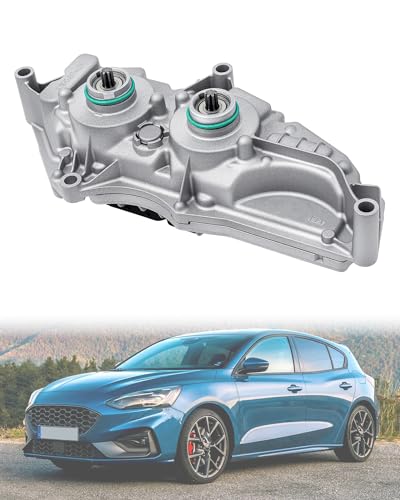

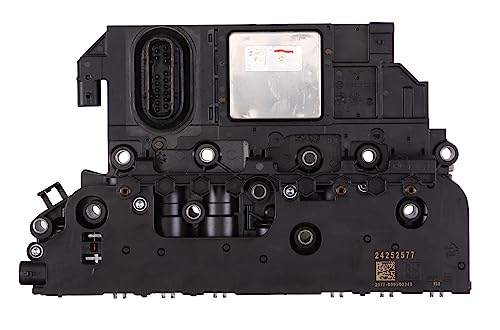
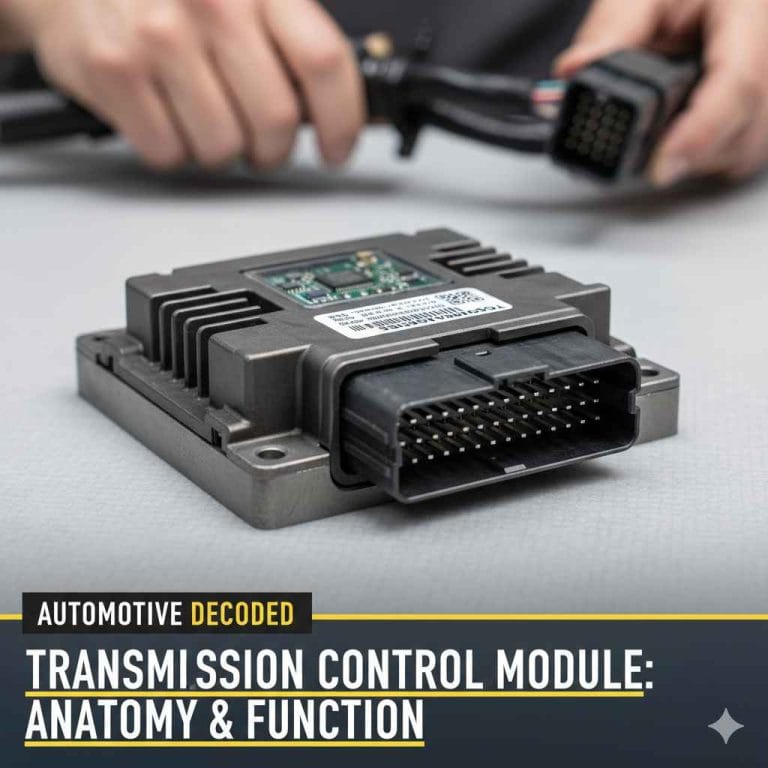
The valve body is the hydraulic traffic director inside the transmission. The transmission control module (TCM) sits outside the oil path and decides when to command shifts, pressure changes, and solenoid states. The hard part is that a bad valve body can look electronic, and a bad TCM can look hydraulic.
The practical split is this: if the fault follows pressure, gear apply, or one circuit inside the unit, start on the hydraulic side. If the fault follows power, ground, communication, or random logic loss, start on the module side. Both can trigger limp mode, warning lights, and ugly shift quality.
| Decision factor | Transmission control valve body problems | Module problems | Winner |
|---|---|---|---|
| Symptom pattern | Repeatable harsh shift, delayed engagement, slip, or one gear set acting wrong | Random shift logic, no-shift, flashing warnings, or erratic behavior across several gears | Valve body problems for repeatable gear-specific faults |
| Likely code pattern | Solenoid, pressure, ratio, or performance codes; sometimes P0700 as the alert | Communication, power, ground, internal processor, or missing module response codes | Module problems for communication and power-loss patterns |
| Best live-data clue | Commanded solenoid state looks normal but pressure or gear response does not follow | Commanded outputs are erratic, missing, or unavailable; data dropout appears | Valve body problems when commands are present but response is wrong |
| Common false positive | Low fluid, dirty fluid, weak pump, or a bad solenoid pack | Corroded connector, loose pin, low battery voltage, or wiring damage | Tie |
| Repair path | Hydraulic diagnosis, valve body service, solenoid testing, pressure checks | Power, ground, communication, programming, or module replacement | Tie |
Why the symptom pattern matters
A valve body fault often repeats under similar conditions. It may flare on the 2-3 shift, flare only when hot, or bang into gear after sitting. A module fault can look more random, with gear logic that may change from one drive cycle to the next.
That split is not perfect. Solenoids sit in the overlap zone, so one bad solenoid can imitate either side.
Why codes do not settle it by themselves
Manufacturer-specific diagnostic codes matter more than a generic warning. P0700 generally tells the engine side that the transmission controller is requesting attention, rather than naming a specific failed part. It is a request for a deeper scan, not proof of a failed TCM.
Pending codes and freeze-frame data matter because they show the conditions present when the fault first set. A hot, low-voltage, or low-pressure snapshot can often point the diagnosis in the right direction faster than the warning light alone.
Why live data beats a code list
Commanded gear, solenoid command state, input speed, output speed, and pressure behavior tell a better story than the stored code alone. If the TCM commands a change and the ratio never follows, the fault may be hydraulic. If the scan tool loses communication or data goes dead, the wiring or module rises on the list.
According to Releases · transmission/transmission – GitHub — Transmission 4.1.3 is described as a bugfix release.
Which symptoms point more to a valve body, and which point more to a module?
Harsh shifts, slipping, delayed engagement, and a gear that feels stuck in one range usually point more toward the valve body, solenoids, or pressure control. Warning lights, limp mode, and no-shift complaints point more toward the TCM or its wiring when the symptom is broad, inconsistent, or tied to a communication fault.
Harsh shifts, slipping, delayed engagement, and stuck gears
These symptoms fit hydraulic control loss. A worn valve body can leak internally, a sticking spool can misroute pressure, and a weak solenoid can fail to move the fluid path at the right moment. The result is ugly shift timing without any proof that the module itself is dead.
Warning lights, limp mode, and no-shift complaints
Limp mode is a failsafe strategy, not a diagnosis. It can be triggered by the module, a solenoid fault, pressure loss, or wiring trouble. A flashing transmission light or harsh default gear behavior should send the diagnosis to codes, power supply, and live data before any replacement decision.
Symptoms that appear only when hot, cold, or under load
Heat-related faults often show up in valve bodies, solenoids, and connectors because clearances, fluid viscosity, and electrical resistance all change with temperature. Cold-only failures can point to sticky hydraulic components or borderline voltage supply. Load-related symptoms often trace back to pressure control.
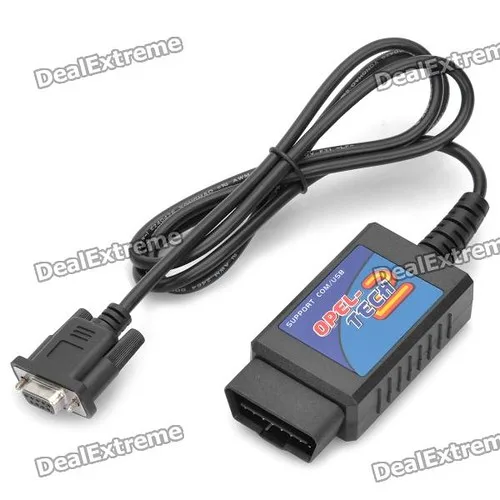
Can a scan tool tell the difference?
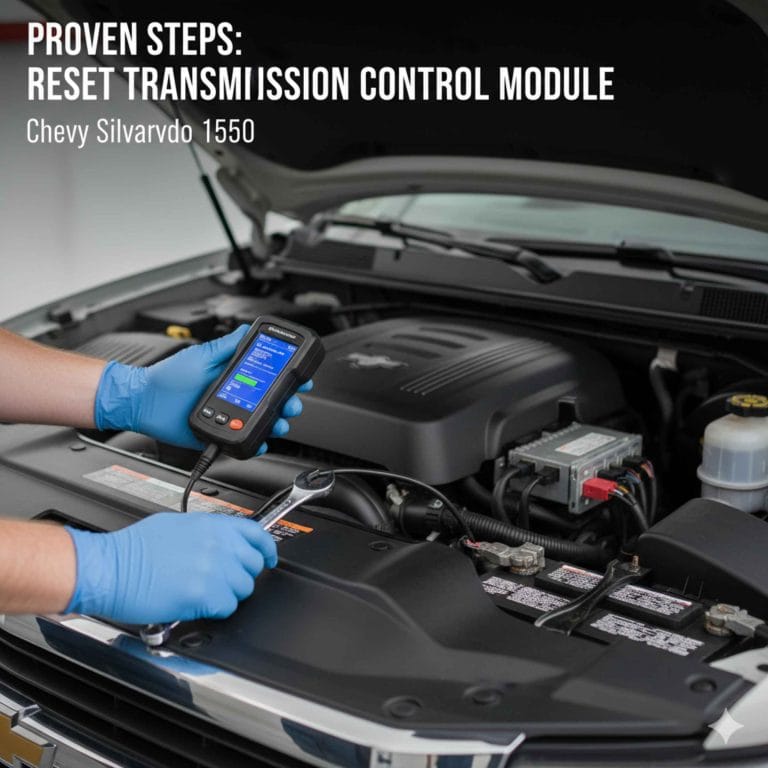
An OBD2 scan tool can sort out a lot, but not everything. It reads transmission and communication codes, shows freeze-frame data, and can expose command states that help divide electrical, hydraulic, and communication faults. It cannot prove a valve body is good by code alone, and it cannot condemn a module without checking power, ground, and wiring.
Codes that lean toward TCM, solenoid, pressure, or communication faults
Codes that point toward TCM trouble often involve communication loss, module power or ground issues, or internal controller faults. Solenoid and pressure codes point more toward the transmission side, especially when the same code returns with the same gear or load pattern. A communication DTC changes the conversation fast.
Why P0700 is only a request for a deeper scan
P0700 means the transmission control system asked for the warning lamp, but it does not tell you which part failed. The useful code is usually the manufacturer-specific transmission DTC stored inside the TCM or transmission controller. Without that deeper scan, the guess is too loose.
Live-data clues: commanded gear, solenoid state, input-output speed, and pressure behavior
If the commanded gear changes but the input-output ratio does not follow, pressure or clutch apply may be the issue. If the scan tool shows erratic solenoid command states or missing data, the module or wiring loom moves up the list. If live pressure is low or unstable, hydraulic diagnosis comes first.
Hydraulic faults vs electrical faults: what to check first

Start with the basics before replacing anything. Fluid level, fluid condition, transmission fluid pressure, and wiring integrity are faster to check than a module swap, and they catch a large share of false module complaints. Access Transmission says to avoid turning a small problem into a bigger one, which is exactly what happens when the first guess is wrong.
Transmission fluid level, condition, and contamination
Low fluid can mimic a bad valve body, a bad solenoid, or even a bad module because apply pressure drops and shift timing can drift. Burnt smell, debris, or dark contamination raises concern for internal wear. A clean level check is never wasted.
Transmission fluid pressure and what unstable pressure means
Transmission fluid pressure is a key hydraulic variable. Low or unstable pressure can look like electronic failure because the controller commands a shift and the gear change still misses or slips. Pressure measurement may need a gauge or good scan data, and that reading can help separate a hydraulic failure from a control failure.
Wiring loom, connector corrosion, loose pins, and power or ground loss
A wiring loom or connector problem can create false module symptoms with no internal TCM fault at all. Corrosion, bent terminals, loose pins, broken insulation, and bad grounds can interrupt solenoid control or module communication. Those faults must be checked before condemning a controller.
- Check fluid level and condition first.
- Pull all codes, including pending and manufacturer-specific transmission DTCs.
- Save freeze-frame data before clearing anything.
- Inspect the wiring loom, connectors, and grounds.
- Review live data for commanded gear, solenoid state, and pressure behavior.
- Only then decide whether the fault is hydraulic, electrical, or communication based.
How solenoids fit into the diagnosis
Solenoids are the overlap point. They are electrically actuated valves inside the transmission, so one failure can look like a wiring problem, a valve body fault, or a module command problem. This is why a clean divide takes code patterns plus live data plus a physical check.
Individual solenoid failure
A single failed solenoid can cause one shift, one range, or one pressure event to misbehave. The module may be fine, but the hydraulic action never happens because the solenoid did not move. That is one reason a parts-catalog answer is often too simple.
Solenoid pack failure
When several solenoids live together in one pack, the symptom can widen. Multiple shift errors, limp mode, and recurring pressure faults may all appear. A pack problem can look like a module problem until live data and resistance or command testing separate them.
How a solenoid issue can imitate a module or valve body fault
If the solenoid coil fails, the controller may set an electrical code. If the valve inside the solenoid sticks, the same fault looks hydraulic. That overlap is why code reading without command-state review leads to the wrong part.
Proof asset: valve body vs module diagnostic matrix
| Diagnostic point | Valve body branch | Module branch | Winner |
|---|---|---|---|
| Symptoms | Repeat harsh shift, delayed engagement, flare, slip, one gear acting wrong | Random shift logic, warning lamp behavior, broad no-shift complaint, erratic limp mode | Valve body branch for gear-specific repeat faults |
| Likely codes | Solenoid performance, pressure, ratio, and transmission-specific fault codes | Communication loss, power or ground loss, module response, internal controller DTCs | Module branch for communication and power codes |
| Freeze-frame clues | Hot fluid, low pressure, load during shift, or a repeatable gear event | Low voltage, network dropout, or code set with several unrelated transmission commands | Tie |
| Live-data clues | Command sent, pressure or ratio response wrong, solenoid state present | Data missing, command erratic, communication drops, module output inconsistent | Tie |
| Quick tests | Check fluid, pressure, and solenoid operation before replacement | Check battery voltage, ground integrity, connector fit, and network communication | Tie |
| Most common false positives | Dirty fluid, low fluid, worn pump, bad solenoid pack | Corrosion, loose connector pins, damaged wiring loom, programming issue | Tie |
What the matrix means in practice
The valve body branch wins when the fault is repeatable and pressure-linked. The module branch wins when the fault is communication-linked or shows power-loss behavior. The matrix is useful because the wrong first guess is expensive, and it is often made from only a single code.
Choose valve body repair if… / Choose module diagnosis if…
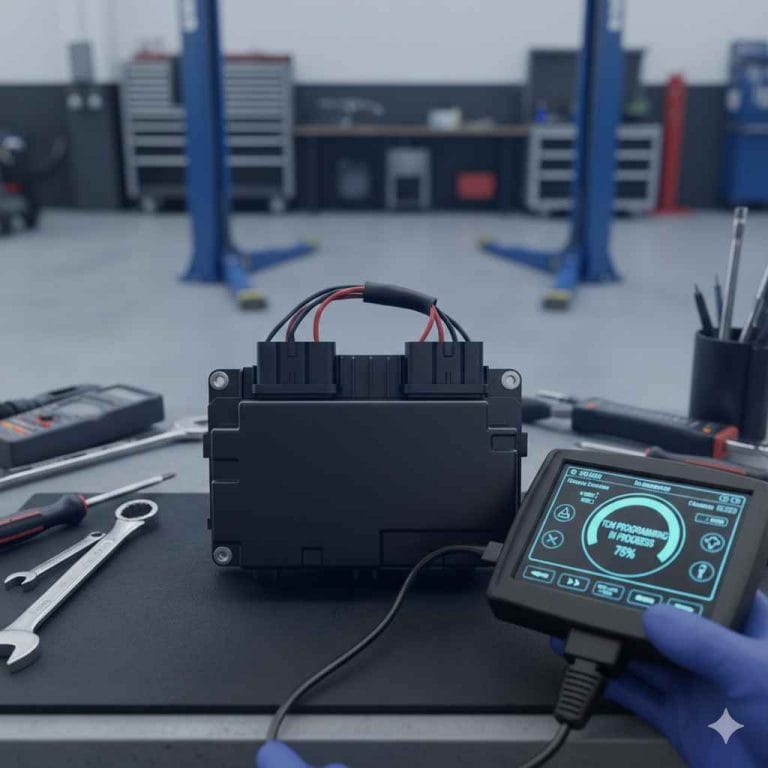
Choose valve body repair if the symptom follows a repeatable gear event, fluid pressure is low or unstable, and the TCM command is present but the transmission response is wrong. Choose module diagnosis if codes point to power, ground, communication, or programming, and the scan tool shows data loss or erratic controller behavior.
Choose valve body repair if…
The symptom is tied to one shift pattern or one gear set. The fluid is dirty, low, or contaminated. The pressure reading does not match the command, and the issue persists after connector inspection.
Choose module diagnosis if…
The warning light comes with communication codes, a dead scan response, or erratic controller data. The vehicle shows voltage or ground issues. The fault changes after wiring loom repair or programming review, which means the module may not have been the root problem.
When the wiring fault is the real problem
Many module complaints are really wiring complaints. Loose pins, corrosion, and rubbing through on the wiring loom can create a fake controller failure. That is why power, ground, and communication checks come before replacement.
What are the symptoms of a bad transmission valve body versus a bad TCM?
A bad valve body usually causes repeatable shift quality problems, delayed engagement, slip, or one gear that behaves badly every time. A bad TCM more often causes broad logic problems, flashing warnings, limp mode, or communication loss. Solenoids sit between them and can make either picture look messy.
Valve body symptom set
Look for harsh 1-2 or 2-3 shifts, delayed drive or reverse engagement, gear flare, and symptoms that seem tied to temperature or load. Those patterns point to hydraulic control or a sticking internal valve more than to a dead controller.
TCM symptom set
Look for erratic shift scheduling, no-shift complaints, warning lamps that come and go, and scan-tool communication problems. If the module cannot maintain power, ground, or network communication, the transmission can act confused even when the hydraulic hardware is still serviceable.
Can a scan tool tell the difference between a valve body problem and a module problem?
A scan tool can separate them when the data is complete. It can read transmission codes, pending codes, freeze-frame data, and live commands that show whether the controller is issuing the right request. It cannot finish the job without wiring checks, pressure checks, and fluid inspection.
What the scan tool can prove
It can show whether the TCM is commanding a gear change, whether solenoid states are changing, and whether transmission data is present or dropping out. That is enough to push the diagnosis toward hydraulic or electrical territory.
What the scan tool cannot prove
It cannot see a worn spool valve directly. It cannot prove a ground is good under load without testing. It cannot tell you that P0700 means a failed module; it only says the transmission side wants attention.
Will a valve body problem cause limp mode or warning lights?
Yes. A valve body problem can trigger limp mode or warning lights when the pressure loss, gear error, or ratio error is bad enough to force the system into a failsafe strategy. Limp mode is a response, not a part number.
Why limp mode is not proof of one failed part
The same failsafe can be triggered by a module fault, a solenoid fault, low fluid, bad pressure, or wiring damage. That is why the diagnosis must separate causes before replacement. A warning lamp alone never closes the case.
What codes point to transmission control module problems?
Codes that point to TCM problems usually involve communication, power, ground, or internal controller behavior. A module may also set codes when it loses the ability to command or receive data properly. The key is to use the code family, freeze-frame, and live data together.
Code patterns that raise suspicion
Look for communication DTCs, module power supply faults, and controller response codes. If a code returns with low voltage or a lost network message, the module branch climbs. If the same code appears only after wiring movement, wiring may be the true cause.
What codes point to transmission valve body or solenoid problems?
Solenoid, pressure, ratio, and transmission performance codes point more toward the valve body side, especially when they repeat under the same shift event. Manufacturer-specific codes matter most here, because the generic OBD2 side may only show P0700 while the transmission controller keeps the real fault.
Code patterns that raise suspicion
Recurring shift solenoid codes, pressure control faults, or gear ratio errors point toward the hydraulic control assembly or its solenoids. Freeze-frame data that shows the fault under load or at a specific temperature strengthens that direction.
Is it safe to keep driving with either problem?
It may be unsafe to keep driving with either problem if the unit is slipping, stuck in limp mode, or losing pressure. The safer choice is to stop once the transmission starts flaring, banging, or refusing shifts, because continued driving can turn a repairable fault into a larger internal failure.
When to stop driving
Stop if the transmission will not engage correctly, if the warning lamp flashes with harsh failsafe behavior, or if fluid is visibly low or burnt. Mr. Transmission offers free towing with all major repairs, and that option exists for a reason.
Mr. Transmission also advertises a free performance check. Their warranty list includes a 12-month, 12,000-mile warranty option, a 6-month warranty with unlimited mileage, and a 90-day warranty for certain units. Access Transmission says to avoid turning a small problem into a bigger one, and that advice fits transmission faults well.
Which repair is more expensive: valve body or module replacement?
Module replacement is often more expensive once programming, setup, and diagnosis are added. Valve body repair can be costly too, especially if the solenoid pack, fluid service, and internal labor are involved, but the module path usually brings more electrical diagnosis and programming steps. The wrong first replacement is where costs jump.
Valve body repair cost drivers
Cost climbs with internal labor, solenoid pack replacement, and fluid service. If the fault is really low pressure, debris, or a bad wiring loom, the repair can balloon when the wrong part is changed first.
Module repair cost drivers
TCM work adds programming, matching, and sometimes re-learning procedures. If the actual issue is wiring or power supply, the replacement itself may not fix the car. That is the expensive mistake to avoid.
Frequently asked questions
How can I tell if my transmission valve body is bad or the module is bad?
Start with pattern. A valve body problem usually repeats in the same gear or under the same load, while a module problem is more random and may come with communication loss or multiple unrelated symptoms. Scan codes, freeze-frame data, and live pressure behavior are the fastest ways to sort them.
What are the symptoms of a bad transmission valve body versus a bad TCM?
A bad valve body usually causes harsh shifts, delayed engagement, slipping, or one gear that misbehaves every time. A bad TCM usually causes warning lights, limp mode, odd shift logic, or scan-tool communication issues. Solenoids can sit in the middle and blur the picture.
Can a scan tool tell the difference between a valve body problem and a module problem?
Yes, but only with the right data. Codes alone are not enough. You need pending codes, freeze-frame data, solenoid commands, gear ratios, and pressure behavior, plus wiring and power checks if the scan tool shows communication faults.
Will a valve body problem cause limp mode or warning lights?
Yes. A valve body fault can trigger limp mode and a warning lamp when pressure loss, gear ratio errors, or solenoid issues are severe enough. Limp mode is a failsafe response, so it does not identify the failed part by itself.
What codes point to transmission control module problems?
Communication codes, power or ground faults, and internal controller response codes point more toward the TCM. P0700 alone does not prove a bad module; it only means the transmission side asked for attention. The specific manufacturer code is the one that matters.
What codes point to transmission valve body or solenoid problems?
Solenoid, pressure, performance, and ratio codes usually point more toward the valve body side. If the same code appears with low pressure or a repeatable shift event, hydraulic control becomes more likely. A bad solenoid pack can look like both sides at once.
Products related to this article
Sponsored / affiliate links. As an Amazon Associate I earn from qualifying purchases. I may earn additional commission from eligible campaigns.