Transmission Control Module Programming: What Drivers Should Know
technical guidance developed for transmission repair workflows that rely on OEM service information, scan-tool procedure checks, and post-repair adaptation logic.
Transmission control module programming is required after a new or blank TCM install; cloning works for a used module only when the original data can be copied, and a relearn may correct shift quality without replacing the module. Pick the wrong path, and you can spend twice, leave the fault light on, or create harsher shifts and no-start problems. OEM service information and security-registration procedures also matter here: many late-model applications require VIN matching, immobilizer pairing, or a security access routine before the module will function, as described in manufacturer service literature and OEM programming guides. This guide shows how to separate programming from cloning, relearn, and mechanical transmission faults before you buy parts.
Symptoms and diagnostic approach

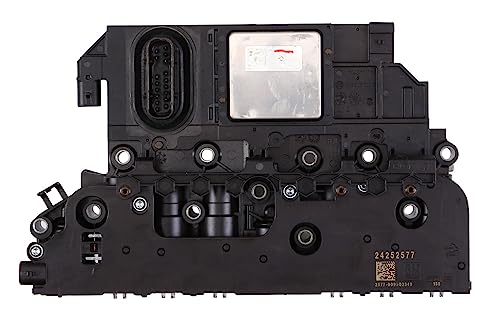
The transmission control module, or TCM, is the computer that controls shift timing, transmission monitoring, and adaptation to driving conditions. It commands line pressure, torque-converter lockup, and the adaptive learning that changes how the transmission behaves as wear increases over time. OEM training material and service documentation for electronic automatics consistently describe these as calibrated, vehicle-specific functions rather than universal plug-in behavior.
On many vehicles, the TCM is a standalone unit. On others, it is built into the PCM or shares control duties with it. That difference matters because a replacement may need module-specific coding, not just a physical swap.
Shift control, pressure, and lockup
When the TCM makes the wrong call, the driver feels a late shift, a harsh shift, a flare, or a converter lockup complaint. The same symptom can also come from low fluid, a worn clutch pack, valve-body wear, a bad speed sensor, or a wiring fault. SAE literature on transmission control and shift adaptation repeatedly shows that electronic command and hydraulic response have to agree; that is why scan results matter before any programming decision.
Stored coding and adaptive data
Modern TCMs can store vehicle-specific coding and adaptation tables. Those data points tell the module how the vehicle is equipped and how the transmission has been behaving. If the data are missing, corrupt, or copied incorrectly, the module may run the wrong strategy even though it powers up and communicates. OEM reprogramming instructions often separate calibration, coding, and initialization for that reason.
When does a TCM need programming?
A TCM usually needs programming after replacement, after a transmission swap, or after a manufacturer update changes the calibration. Programming writes or reconfigures the software in the transmission control module, and it requires diagnostic communication so the module can be matched to the vehicle and transmission. Manufacturer technical service information commonly treats calibration updates and module setup as separate steps, not as an optional add-on.
After module replacement
A blank or new module rarely works as-is. It often needs the correct calibration file, vehicle coding, and a final calibration step after the software upload. If the vehicle uses VIN-locked module configuration, replacement compatibility becomes part of the job, not an afterthought. OEM programming notes for late-model powertrain and transmission modules routinely require VIN write, parameter reset, or security registration before the module is accepted.
After a transmission swap
A transmission swap can change gear ratios, solenoid behavior, or the expected adaptation values. The TCM has to match the new transmission setup as well as the vehicle itself. If the replacement transmission does not match the module’s coding or strategy, shifting complaints can continue even with a healthy gearbox.
After software updates or calibration changes
Some vehicles receive revised shift logic to address known complaints or compatibility issues. In those cases, the fix is software, not hardware. Calibration is listed as a separate step after programming, so a proper service does not end when the file finishes loading. This is consistent with OEM service bulletins that pair reflash procedures with adaptation resets and road-test verification.
TCM programming versus cloning versus relearn
These three terms are often mixed together, but they are not the same job. Programming writes the correct software and configuration. Cloning copies the original module’s data to another unit. Relearn resets or rebuilds the adaptive behavior so the transmission can relearn shift feel after a repair.
What programming changes
Programming installs or reconfigures the module software. It is the right step when the module is new, blank, or carrying the wrong calibration. It is also the usual path when the repair depends on manufacturer-specific software and communication through a diagnostic tool or programmer. OEM service literature often requires a post-programming initialization or adaptation step to finish the repair.
What cloning copies
Cloning copies the original module data onto a donor unit. That is useful when the original TCM failed but still holds usable data, and the replacement must behave like the old one. Many suppliers describe this as a bench or mail-in service. In practice, this path is most valuable when security data, VIN-related parameters, or transmission family coding need to be preserved.
What relearn resets
Relearn does not replace failed hardware or repair a bad clutch pack. It clears or resets learned shift behavior so the transmission can adapt again. That matters after a repair, a fluid service that affected adaptation, or a reflash that changed shift timing. SAE and OEM documents commonly describe this as an adaptation or initialization routine rather than a full module replacement.
TCM programming decision table
This table helps separate software, configuration, and mechanical faults before you pay for a module or a programming service. Start with the scan result, then check whether the complaint points to coding, adaptation, or deeper diagnosis.
| Symptom | Scan result | Likely cause | Recommended action | Warning signs that mean programming will not help |
|---|---|---|---|---|
| Unusual shift pattern after a battery disconnect | No hard codes; module communicates | Adaptive learning lost or reset | Relearn, then verify calibration if available | Grinding, metal in fluid, or burned smell |
| Harsh or delayed shifts after a used TCM install | VIN mismatch or coding fault | Wrong configuration for the vehicle | Programming or cloning, depending on donor data | No communication with the module at all |
| Transmission error light with a valid module ID | Transmission error code present | Software or calibration issue | Program the correct file and perform calibration | Codes for pressure loss, gear ratio errors, or slip |
| Slip during acceleration in multiple gears | Slip-related code or pressure code | Possible mechanical wear or hydraulic fault | Deeper diagnosis first | Low fluid, flare, or burned fluid points away from programming |
| Shift flare only after a software update | Communicates normally; no wiring fault found | Calibration needs correction | Reflash, then calibration and relearn | Same symptom existed before the update and worsened under load |
| No-start after donor module install | Immobilizer or VIN lock issue | Module is not matched to the vehicle | Check cloning, VIN matching, and security pairing | Proof of ownership may be required where immobilizer data is involved |
What tools and checks are needed first?
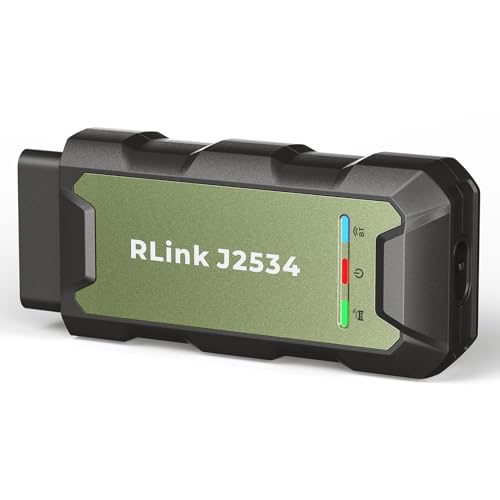
Before any programming attempt, verify module communication, power stability, and module identification. A diagnostic scanner is used to read and clear fault codes, and manufacturer-specific software is one of the required tools. If the module cannot be identified correctly, the programming path is not ready yet. Typical shop pricing can vary widely, but a simple relearn is usually the least expensive and fastest path, while programming and cloning are more involved because they often require scan-tool access, bench work, or security pairing. As a practical range, relearn jobs may take under an hour; programming commonly takes about 1 to 2 hours when files and access are ready; cloning can take 1 to 3 hours or more, especially if the unit must be removed and shipped or bench-read. Pricing is highly vehicle- and module-dependent, but the labor spread is usually: relearn lowest, programming middle, cloning highest when security or bench service is involved.
Diagnostic scanner and module communication
The scanner should confirm that the TCM is visible on the network and report usable IDs. If it cannot talk to the module, programming will fail for reasons that have nothing to do with calibration. That failure often points to power, grounds, CAN wiring, or a dead module.
Battery support and stable voltage
Programming needs steady voltage. A weak battery or unstable charger can interrupt the session and leave the module incomplete. That is how a repair becomes a bigger problem. Use proper battery support, not a casual jump pack, and keep voltage stable for the full session.
OBD II access and calibration files
OBD II reprogramming appears as a service offering that uses the diagnostic port or a scan-tool interface. It can work well when the right files are available and the vehicle accepts in-car programming. But the tool still has to match the module, the network, and the calibration path.
- Confirm the module communicates and has the correct part number or ID.
- Scan for transmission, network, and immobilizer codes.
- Stabilize battery voltage before the programming session.
- Load the correct manufacturer-specific software.
- Complete calibration, then relearn if the service requires it.
Will programming fix rough shifting or slipping?
Sometimes. Unusual shifting patterns, a transmission error code, or a fresh adaptation issue can point to software or calibration trouble. But slipping is also a classic sign of a mechanical or hydraulic problem. That is why scan results and fluid condition matter more than the complaint alone.
Signs that point to software or adaptation
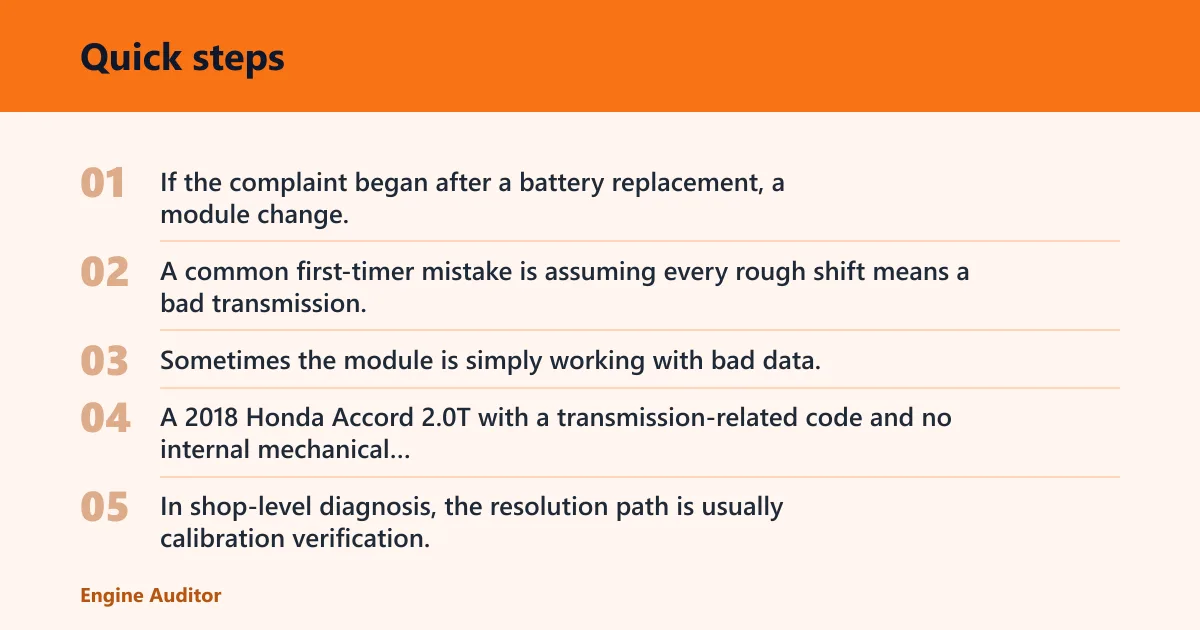
If the complaint began after a battery replacement, a module change, or a software update, programming or relearn may be the right next step. A common first-timer mistake is assuming every rough shift means a bad transmission. Sometimes the module is simply working with bad data.
A 2018 Honda Accord 2.0T with a transmission-related code and no internal mechanical noise is a better software candidate than a worn-unit replacement when the symptom follows a module event. In shop-level diagnosis, the resolution path is usually calibration verification, then relearn, then road test rather than immediate teardown. Another common example is a 2017 Ford Fusion 2.5L that returns a transmission-related code after a low-voltage event; if the code clears and the symptom remains shift-quality only, adaptation is usually addressed before hard parts.
Signs that point away from programming
Look for pressure-related codes, gear-ratio errors, burned fluid, obvious leaks, or a persistent slip under load. Those are warning signs that programming will not fix the problem. A module can command the right shift and still lose the gear because the hydraulics or clutches cannot hold it.
A 2014 Chevrolet Silverado 1500 with a pressure-control-related code, dark fluid, and a flare between second and third gear is a classic example of a deeper hydraulic or clutch concern. In that situation, reflashing the TCM will not repair a worn clutch pack or a valve body that cannot build pressure.
Used TCMs, VIN matching, and immobilizer issues
A used TCM may fail to work plug-and-play because modern modules can be VIN-locked and carry vehicle-specific coding and adaptation tables. If immobilizer data is involved, proof of ownership may be required before a shop or service provider handles the module. The replacement path depends on what data are in the old unit and what the vehicle expects. OEM service documents for anti-theft systems and module replacement commonly require security access, VIN writing, or online authorization before the vehicle will accept the swap.
Why a used module may fail
A donor module can arrive with the wrong coding, the wrong transmission family, or security data that does not match the vehicle. That mismatch can trigger communication problems, security faults, or poor shifting. A used unit is not automatically a ready replacement.
When cloning is the better path
If the original module still contains the needed data, cloning can move that information to a donor unit. That is often the right path when the module failed electrically but the vehicle-specific configuration must be preserved. Bench work and mail-in services are common for this job.
How VIN matching affects compatibility
VIN-locked module configuration means the replacement may need to be written to the vehicle before it will operate correctly. That can involve immobilizer participation on modern vehicles. If the module cannot be matched, the best programming session in the world will not make the car drive correctly. Manufacturer technical documents on module replacement often require a successful VIN write and security pairing before the final relearn or road test.
How transmission programming works after a swap
After a transmission swap, the TCM has to be matched to the new hardware, the vehicle’s coding, and the current calibration file. If the replacement transmission differs in solenoid setup, gear ratios, or control logic, the module may need programming and calibration before the vehicle will shift normally.
Do not assume the old file will fit the new unit. The module may need a software update, a specific variant, or adaptation reset before relearn begins. If the swap included a different model year or transmission family, compatibility should be checked before anyone writes data to the module.
Frequently asked questions
What does transmission control module programming actually do?
It updates or reconfigures the software in the TCM so the module matches the vehicle and transmission. That process uses diagnostic communication and usually ends with calibration. It does not repair worn clutches, bad hydraulics, or wiring faults, so the scan results should guide the next step.
When does a TCM need programming instead of replacement?
Use programming when the module is new, blank, or carrying the wrong calibration, and the original unit still functions well enough to communicate. If the complaint comes from a software mismatch, module replacement may be unnecessary. If the module is dead, replacement or cloning becomes the better path.
Can I program a used transmission control module?
Sometimes, but not always. A used module may need VIN matching, security pairing, or copied data from the original unit. If it is VIN-locked or contains vehicle-specific coding that does not fit the car, programming alone may not make it usable.
What tools are needed to program a transmission control module?
You need a diagnostic scanner, manufacturer-specific software, and a reliable programming interface. Stable battery support is also important. The scanner should read and clear fault codes, confirm module communication, and identify the module before any software is written.
Will a TCM programming fix rough shifting or slipping?
It can fix shift complaints caused by bad coding, calibration errors, or learned data, but it will not repair a mechanical fault. Rough shifting after a battery event or module change is a better candidate for programming than slipping with pressure codes, dark fluid, or obvious hardware damage.
How does TCM programming work after a transmission swap?
The new transmission has to match the module’s expected coding and calibration. After the swap, the TCM may need a new file, a configuration update, and a relearn. If the transmission family does not match the module’s strategy, deeper diagnosis is needed before programming.
Do used TCMs need cloning or VIN matching?
Often, yes. Used TCMs can carry vehicle-specific coding and may be VIN-locked. Cloning copies the original data to a donor unit, while VIN matching writes the replacement to the car’s identity. Which path works depends on the vehicle, the module, and what data are still available.
What happens if the TCM and transmission do not match?
The vehicle may shift poorly, set codes, refuse to learn correctly, or fail to start if security data is part of the mismatch. In that case, programming alone may not solve the problem. The fix could require the correct module, cloning, or a different transmission configuration entirely.
Products related to this article
Sponsored / affiliate links. As an Amazon Associate I earn from qualifying purchases. I may earn additional commission from eligible campaigns.