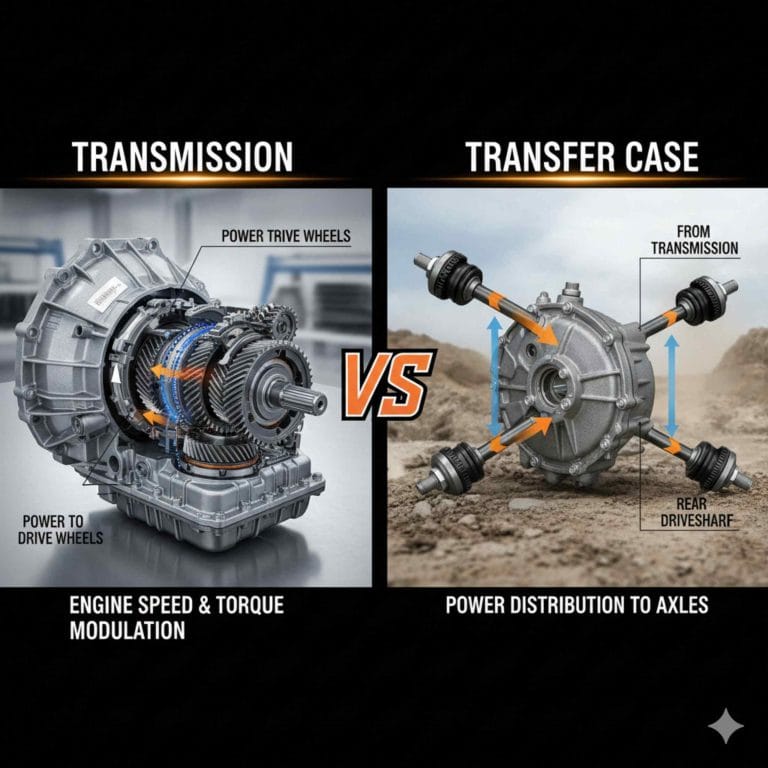
Automatic vs manual transmission control: key differences
Manual transmission control is driver-direct: you select gears and use the clutch. Automatic control is computer-and-hydraulic-managed: the transmission chooses shift timing, gear changes, and clutch engagement for you. Miss that split, and you get stalling, poor shift timing, extra wear, or the wrong setup for traffic, towing, or mountain driving. This guide compares the control parts, how each system works in real driving, and which setup fits common situations.
Automatic vs manual transmission control: the core trade-off
| Decision factor | Automatic | Manual transmission control: key differences | Winner |
|---|---|---|---|
| Driver control | System chooses shift timing from speed, throttle position, and engine load. | Driver chooses each gear and operates the clutch pedal directly. | Manual transmission control: key differences |
| Stop-and-go traffic | Less foot work; torque converter lets the car sit in gear without stalling. | More work; repeated clutch use adds fatigue and wear. | Automatic |
| Purchase and repair cost | Usually more complex, with hydraulic and electronic parts to service. | Typically cheaper to buy and repair, with lower mechanical complexity. | Manual transmission control: key differences |
| Learning curve | Easier for most beginners because the system handles clutch work. | Harder at first because timing the clutch and gear changes takes practice. | Automatic |
| Fuel economy | Modern designs are improved; CVTs and DCTs can be efficient. | Older manuals often had an edge; real-world 2022 tests found manuals achieved 2 to 5% better fuel economy. | Tie |
| Control in demanding driving | Strong in many cases, but depends on calibration and type. | Very direct for engine braking, gear hold, and exact shift timing. | Manual transmission control: key differences |
Driver control versus system control
Manuals give you direct command of clutch engagement and gear choice. Automatics give the transmission control module the job of deciding when to shift and how firmly to apply internal clutches or brake packs.
That difference matters because “automatic” is a control system, not a shape. A CVT, a traditional hydraulic automatic, and a DCT all shift differently even though none needs a clutch pedal.
Comfort and daily workload
Automatics cut workload in traffic and during frequent stops. Manuals demand more attention because every launch, downshift, and slow-speed crawl depends on the driver.
That is why control preference often tracks use case, not habit. A short commute with heavy congestion rewards automation. A back road with steep grades may reward manual control.
Cost, complexity, and repair risk
Manual transmissions are mechanically simpler. That usually means fewer parts to wear and, in many cases, cheaper repairs.
Automatics add a torque converter, hydraulic circuits, control logic, and internal clutch hardware. More parts create more ways for delayed shifts, flare, harsh engagement, or slipping to appear when wear or fluid problems develop.
📊 Automatic transmissions became standard in large cars since at least 1974. Source: Automatic transmission.
How does a manual transmission control gear changes?
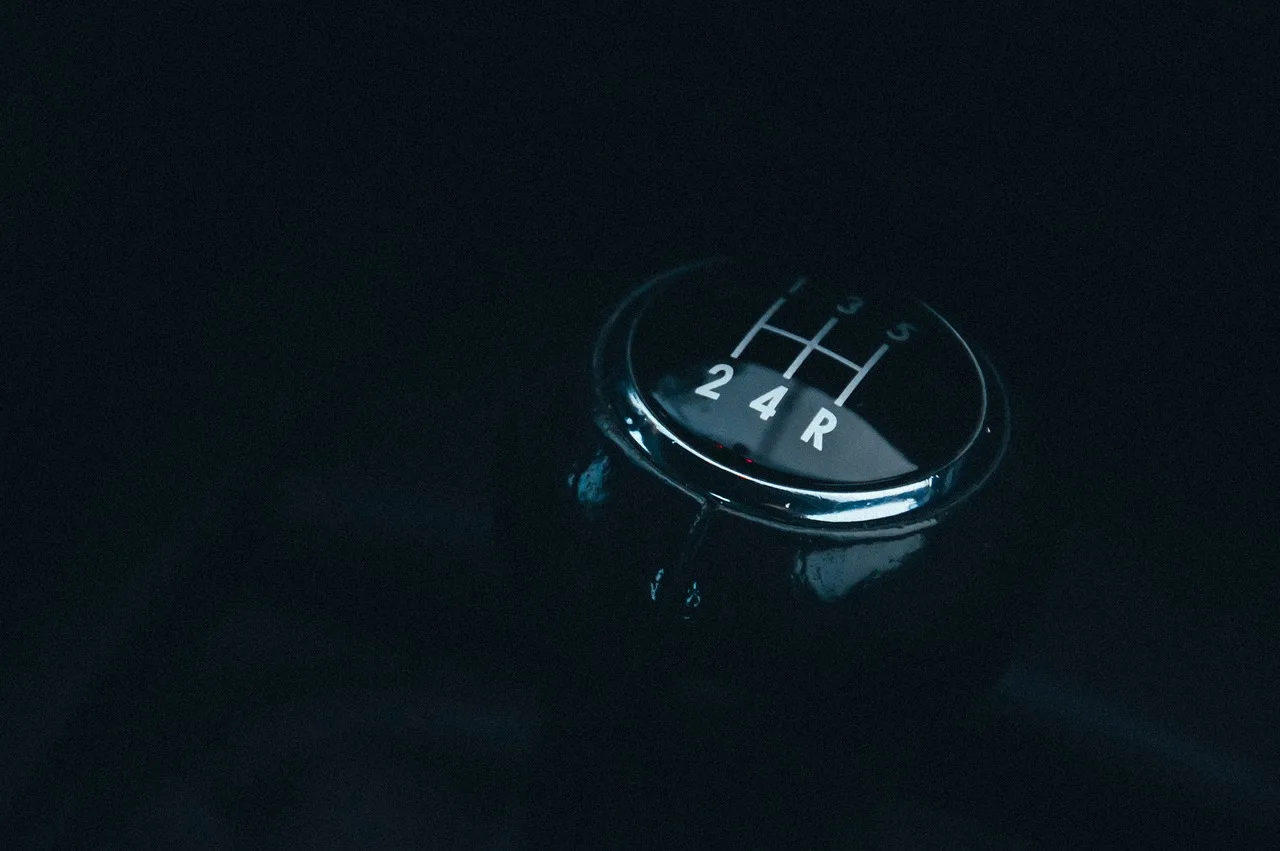
A manual transmission controls gear changes through the driver’s left foot and right hand. The clutch pedal disconnects engine power from the gearbox, the gear stick selects the next ratio, and the engine speed must match road speed well enough for a clean engagement.
Clutch pedal, gear stick, and engine speed matching
Pressing the clutch pedal disengages the engine from the transmission. That lets the gears change without grinding, because the gear teeth are no longer loaded by engine torque.
The driver then chooses the ratio with the gear stick and releases the clutch at the right point. If engine speed is too low, the car can shudder or stall. If it is too high, the engagement can feel abrupt.
What the driver controls directly, and what the gearbox does mechanically
The driver controls clutch timing, shift timing, and gear choice. The gearbox itself is mostly passive during that process.
That is why manuals are often described as direct control systems. You are not asking the car to decide. You are making the decision and executing it.
Why manual control feels more immediate in some situations
Manuals can feel more immediate when you want exact engine braking, a specific gear for a corner, or a fixed ratio on a hill. There is no shift logic deciding whether to upshift early for comfort or fuel use.
That directness helps in low-speed precision driving. It also demands more skill, because mistakes show up as bogging, rev flare, or a stall.
How does an automatic transmission control gear changes?
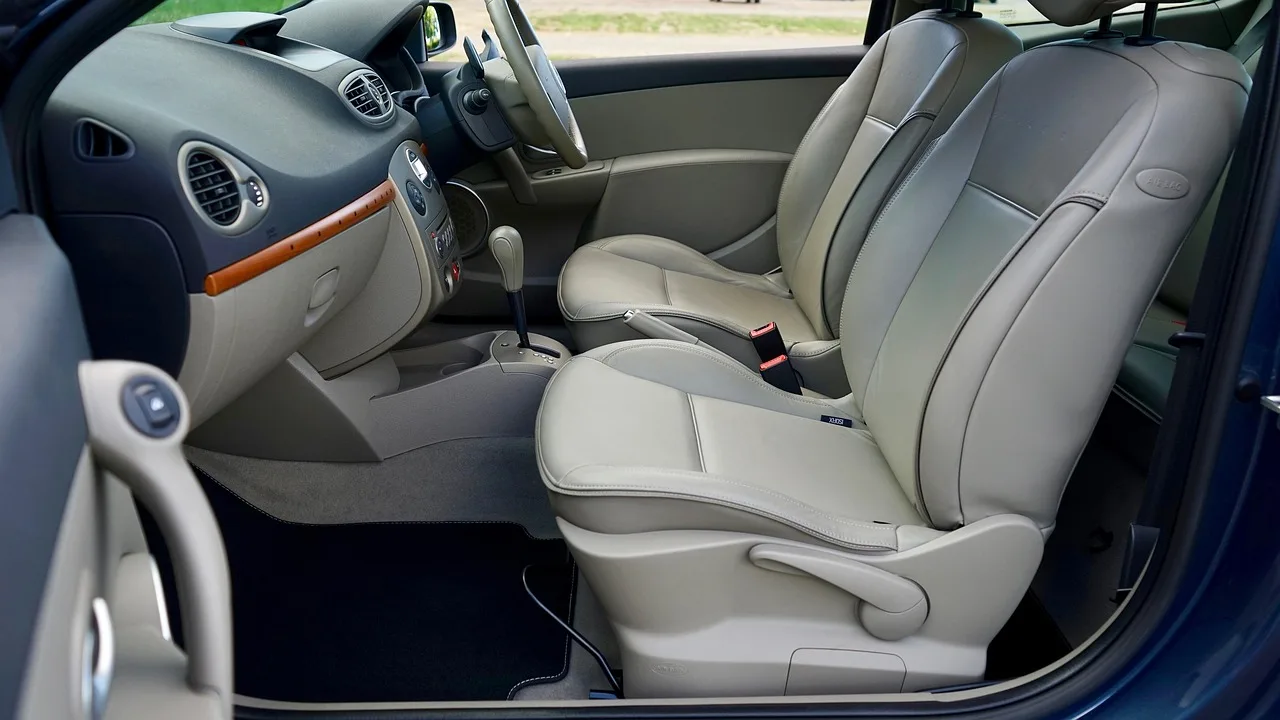
An automatic transmission controls gear changes by reading driving conditions and managing hydraulic hardware for you. In a traditional design, a torque converter links engine to transmission, while planetary gearsets and internal clutches or brake packs create the ratios.
Torque converter function in traditional automatics
The torque converter is a fluid coupling that replaces the clutch in a traditional automatic. It lets the car stay in gear without stalling because engine speed and input shaft speed are not directly locked together at idle.
Automatic transmissions are connected to the engine via a torque converter. An automatic transmission uses a torque converter pump to send power through transmission fluid. That fluid coupling is why creep in traffic feels smooth rather than grabby.
Planetary gearsets, hydraulic clutches, and brake packs
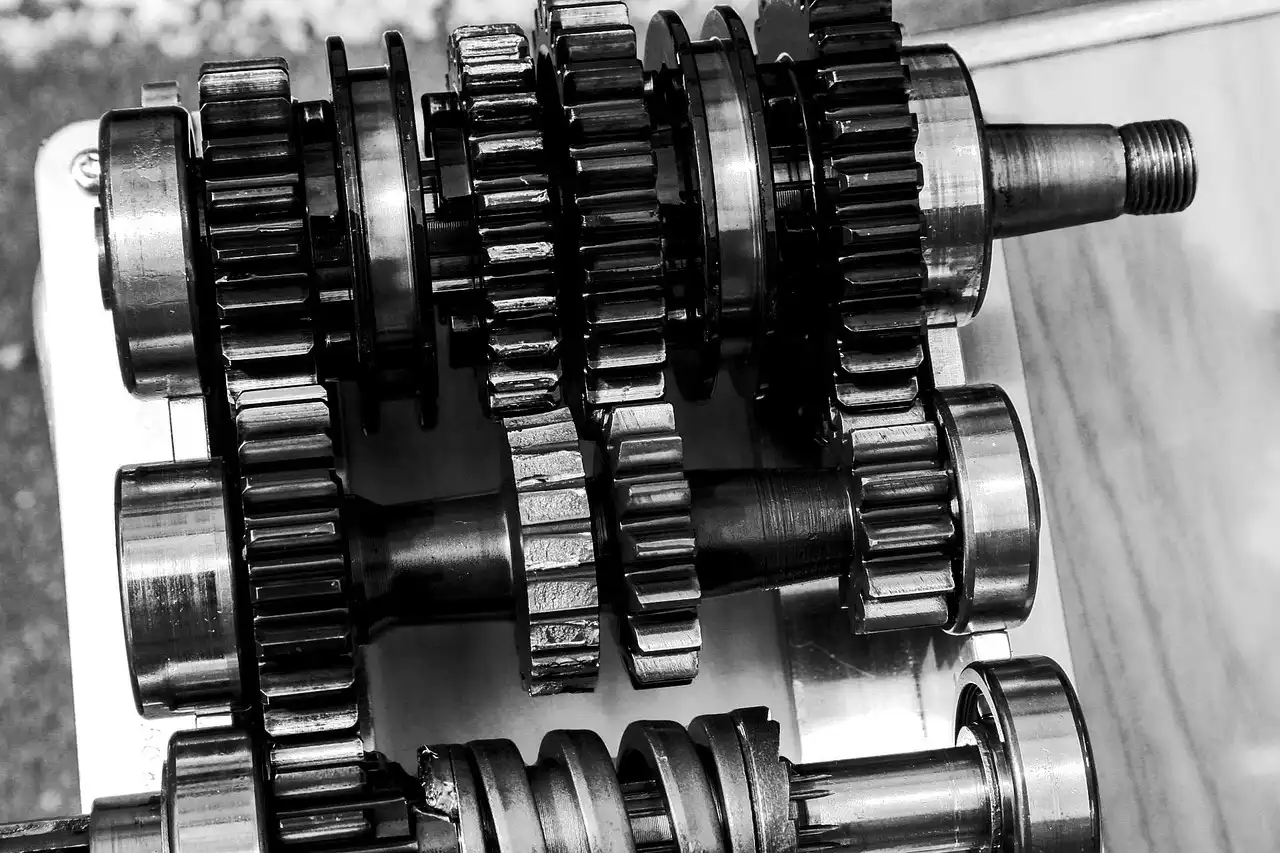
A hydraulic automatic transmission uses planetary gearsets. These gearsets create several ratios in a compact package. Different gear combinations come from internal clutches, friction bands, or brake packs that hold or release parts of the gearset.
Automatic transmissions use internal clutches, friction bands or brake packs to change gears. The result is fully automatic ratio selection without a clutch pedal.
What the transmission control module reads before and during a shift
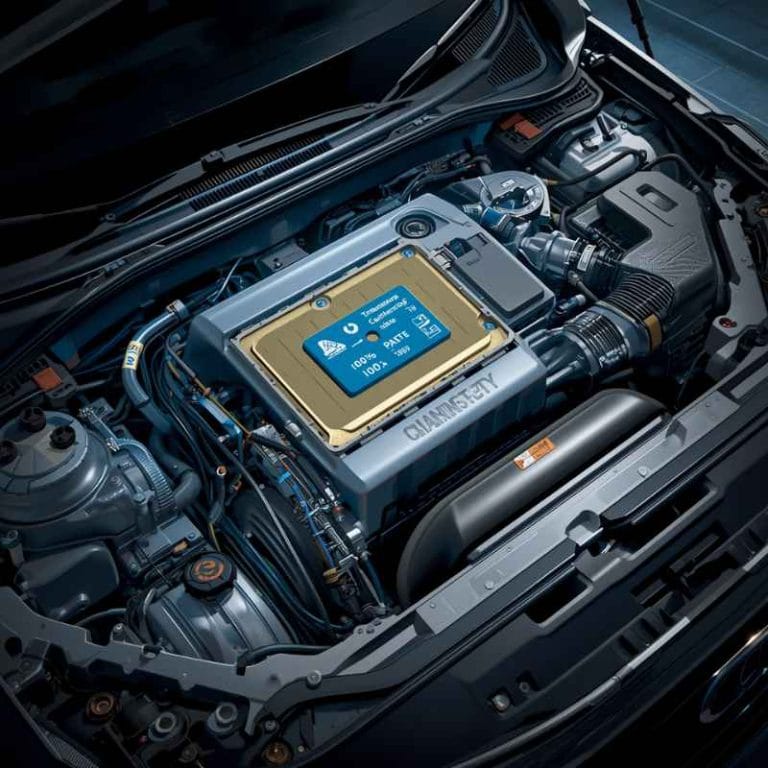
The transmission control module looks at factors such as speed, throttle position, and engine load, then commands the next shift. In modern automatics, that module is central to shift timing, shift feel, and how quickly the transmission reacts to a sudden throttle change.
That is why two vehicles with similar engines can feel very different. One control module may hold gears longer on climbs, while another may upshift early for economy.
Where transmission fluid fits into automatic operation
Transmission fluid is the hydraulic medium inside most automatic systems. It lubricates moving parts, helps prevent corrosion, and carries pressure through the system so clutches and bands can apply correctly.
Without the right fluid, an automatic can shift late, slip, or overheat. Fluid condition matters because it is part lubricant and part working fluid, not just a bath for gears.
What are the main types of automatic transmissions today?
Modern automatics include traditional torque-converter units, CVTs, and DCTs. They all shift without a clutch pedal, but they control gear ratio in different ways, and that changes how they feel in traffic, on hills, and under hard acceleration.
Traditional torque-converter automatic
This is the classic hydraulic automatic with a torque converter and planetary gearsets. Automatic transmissions change gears automatically based on driving conditions, and this type is the reference point for that behavior.
It tends to feel smooth and predictable. It is also the system most people mean when they say “automatic.”
CVT: belt and variable-diameter pulleys with continuously variable ratios
A CVT uses a belt and variable-diameter pulleys instead of stepped gears. The control system changes the ratio continuously, which keeps the engine at an efficient speed more often in light-load driving.
That can feel different from a stepped automatic because there may be no distinct shift points. Some drivers like the smoothness. Others dislike the steady-engine sound under acceleration.
DCT: dual clutches, pre-selected gears, and quick shift execution
A DCT uses separate clutches for odd and even gears. One gear can be pre-selected while the other is engaged, so shifts can happen in milliseconds-level time when the control logic swaps clutches.
That gives a fast, mechanical shift feel. It can be excellent in performance driving, but slow-speed behavior depends heavily on calibration.
How each type changes driver control feel
Traditional automatics often feel smooth and forgiving. CVTs feel steady and ratio-driven. DCTs feel fast and decisive, though sometimes less relaxed in parking-lot maneuvering.
So “automatic” does not mean one control style. It means the system, not the driver, is managing the shift event.
Which transmission gives the driver more control?
Manual transmission gives the driver more direct control over gear choice, clutch timing, and engine braking. Automatic transmission gives more control to the control module and hydraulic system, which can be an advantage when consistency, convenience, or reduced workload matters more than direct input.
Direct control and engine braking
Manuals let you hold a gear, downshift early, or keep the engine in a narrow rev band. That matters on mountain descents, spirited back-road driving, and any situation where you want the engine to help slow the vehicle.
Automatics can do some of that with manual mode or paddle shifters, but the system still decides much of the actual behavior.
When system control is useful
System control helps when traffic is constant, traction is poor, or the driver wants less workload. The transmission control module can smooth shifts, protect hardware, and match ratio choice to load in ways many drivers find easier to manage.
That is not less capable. It is simply a different control goal.
Are automatic transmissions better in stop-and-go traffic?
Yes, most automatic transmissions are better in stop-and-go traffic because they remove repeated clutch use and let the car creep smoothly at low speed. A torque converter also allows the car to sit in gear without stalling, which reduces fatigue and makes slow traffic easier to manage.
Why automatics reduce fatigue
In traffic, a manual driver has to coordinate clutch, throttle, and gear changes over and over. An automatic handles that burden internally.
That matters most in long queues, school runs, delivery routes, and dense urban driving where first and second gear dominate the trip.
Why manuals can feel tedious in the same situation
Manuals still work in traffic, but they ask for more attention and more foot movement. That can become tiring during frequent stop-start cycles.
A common first-timer mistake is riding the clutch at very low speed to avoid stalling. That reduces control and increases wear.
Is manual transmission more fuel efficient than automatic?
Sometimes, but not always. Manuals historically had the edge, and real-world tests in 2022 found manuals achieved 2 to 5% better fuel economy. Modern automatics have improved a lot, and some CVTs and DCTs can match or beat manuals in many driving patterns.
What the older numbers mean
Manual transmissions have typically about 4% parasitic losses. That helped them in older vehicles. Conventional automatic transmission efficiency ranges from 86 to 94%, so the gap is not fixed across all designs. (en.wikipedia.org)
Expert drivers could increase the fuel-economy advantage to 20%. That advantage depends on skill, route, and vehicle, not just the gearbox.
Why modern automatics have closed the gap
Lockup torque converters, more gears, better calibration, and lower internal loss have made many automatics far more efficient than older units. Automatic transmissions became standard in large cars since at least 1974, and since then the design has changed a great deal.
So fuel economy now depends more on the exact transmission type than on the automatic-versus-manual label.
Which transmission is cheaper to buy and repair?
Manual transmissions are often cheaper to buy and repair because they are mechanically simpler. Automatics tend to cost more to build and service because they combine hydraulic circuits, electronic control, and more internal parts.
Why manuals often cost less
A manual has fewer control parts and no torque converter. The main wear items are typically the clutch and related linkage, not a complex hydraulic control system.
That lower complexity is why manuals are often cheaper to repair when something does wear out.
Why automatics can cost more
Automatic repairs may involve valve-body issues, solenoids, clutch packs, bands, fluid problems, or module faults. A delayed or harsh shift can come from several places, so diagnosis can be more involved.
Cost also depends on design. A simple older automatic is not the same as a modern DCT or CVT.
Which transmission is easier to learn?
Automatic transmission is easier to learn for most beginners because it removes clutch timing and stall prevention from the first lesson. Manual learning takes more practice because the driver must coordinate pedals, shifts, and engine speed at the same time.
Why beginners usually start faster with automatic
With an automatic, the learner can focus on steering, braking, speed control, and traffic scanning. That lowers the number of tasks competing for attention.
It also reduces the chance of stalling during a turn, on a hill, or when pulling away from a stop sign.
What manual learning adds
Manual learning builds coordination and can make the driver more aware of throttle and gear choice. It also demands patience, because smooth starts and clean shifts take repetition.
For many drivers, that extra effort is worthwhile only if the control benefits fit the intended use.
Which transmission is more reliable in the long run?
There is no universal winner. Manual transmissions often last a long time because they are simpler, while modern automatics can also be durable if fluid, calibration, and maintenance are correct. Reliability depends heavily on design, heat, use, and service history.
What usually helps manuals last
Fewer moving control parts usually means fewer failure points. A manual can also tolerate neglect better in some cases because it does not depend on hydraulic pressure for every shift event.
But clutch wear still matters, and hard use can shorten service life.
What usually helps automatics last
Good fluid condition and proper cooling matter a great deal. If an automatic overheats or runs on degraded fluid, shift quality often changes before complete failure appears.
That is why maintenance sensitivity is part of reliability, not separate from it.
Scenario matrix: which transmission control works best in real driving?
The right answer depends on the driving job. Below is a shift-control decision matrix that matches common situations to the control system that tends to work better and explains why.
| Scenario | Manual advantage | Automatic advantage | Best fit |
|---|---|---|---|
| City traffic | Precise low-speed gear choice | Less fatigue; smooth creep; no clutch work | Automatic |
| Mountain descents | Strong engine braking; exact gear hold | Can hold lower gears, but logic may upshift sooner | Manual |
| Towing | Direct control of gear and engine speed | Better with load-sensing shift logic and torque converter launch help | Automatic |
| Snow | Gentle starts if the driver is skilled | Smoother takeoff; less chance of clutch slip | Automatic |
| Beginner learning | Teaches coordination and gear awareness | Easier to master first; fewer tasks to juggle | Automatic |
| Performance driving | Exact shift timing and gear hold | DCTs can shift very quickly; paddle control helps | Manual for directness, DCT automatic for speed |
City traffic and stop-and-go commuting
Automatic wins here because the system handles clutch engagement and ratio changes. The torque converter also helps the car move off smoothly from a stop.
Suppose a driver is crawling through 45 minutes of traffic with constant braking. In a manual, that means repeated clutch work. In an automatic, the transmission takes over the stop-start burden.
Mountain descents and engine braking
Manual wins because the driver can hold a lower gear without the transmission deciding to upshift. That keeps engine braking more predictable on long downhill grades.
A common first-timer mistake is riding the brakes all the way down a steep hill. A lower gear in a manual helps reduce brake load and gives steadier speed control.
Towing and low-speed load control
Automatic often wins because torque converters help with launch under load and the control module can react to engine load while shifting. That can reduce the need for constant manual ratio changes.
Manual can still work well if the driver is disciplined, but the load increases the penalty for poor clutch work or missed shifts.
Snow, ice, and traction management
Automatic usually wins for most drivers because it reduces sudden clutch engagement and makes careful low-speed movement easier. Smooth throttle and gentle ratio changes matter more than manual shifting in many winter conditions.
Manual control can help an experienced driver, especially in deep snow, but it also raises the risk of stall or wheelspin during a rushed start.
Beginner learning and stall avoidance
Automatic wins because it removes the hardest early lesson: matching clutch release with throttle and road speed. That lets a new driver build road judgment before learning manual coordination.
Manual still has value as a training tool, but it is a tougher first step.
Performance driving and shift timing
Manual gives direct control and a strong sense of timing. DCT automatics can beat many drivers on shift speed because the next gear is pre-selected and the change happens in milliseconds-level time.
So the best choice depends on what “performance” means. If it means involvement, manual often wins. If it means fastest repeatable shifts, a DCT automatic can be the better tool.
Choose Automatic if… / Choose manual transmission control: key differences if…
Choose automatic if your driving includes heavy traffic, frequent hills with passengers or cargo, winter commuting, towing with a modern tow package, or a new driver who needs the shortest learning curve. Choose manual if you want direct gear authority, regular engine braking, lower mechanical complexity, and a more involved driving style.
Best-fit checklist for automatic buyers
- You spend a lot of time in stop-and-go traffic.
- You want less fatigue on long commutes.
- You are choosing among modern CVT, DCT, or torque-converter designs and want a transmission that handles the work for you.
- You value easy starts on hills and smooth low-speed control.
Best-fit checklist for manual buyers
- You want direct control over gear choice and engine braking.
- You drive on hills, back roads, or other routes where holding a specific gear matters.
- You want a simpler transmission layout and usually lower repair cost.
- You are comfortable learning clutch timing and gear matching.
Frequently asked questions
What is the difference between manual and automatic transmission control?
Manual control is driver-directed: the clutch pedal disconnects engine power, and the driver selects each gear with the shifter. Automatic control is system-managed: the transmission control module and hydraulic hardware choose shift timing and clutch engagement based on driving conditions.
How does a manual transmission work compared with an automatic?
A manual uses a clutch pedal and gear stick to let the driver disconnect and reconnect engine power at each shift. An automatic uses a torque converter, planetary gearsets, and internal clutches or brake packs, so the vehicle can change gears without driver input.
Which transmission gives the driver more control?
Manual transmission gives more direct control because the driver decides when to shift, which gear to hold, and how quickly to release the clutch. Automatic gives more system control, which can be better when comfort, consistency, or reduced workload matters more than direct input.
Are automatic transmissions better in stop-and-go traffic?
Yes. Automatics are usually better in stop-and-go traffic because they remove repeated clutch work and let the car remain in gear without stalling. That reduces fatigue and makes slow-speed crawling far easier than it is in a manual.
Is manual transmission more fuel efficient than automatic?
Sometimes. Manuals have often been slightly more efficient in older vehicles, and real-world tests in 2022 found manuals achieved 2 to 5% better fuel economy. Modern automatics have narrowed the gap, and some CVTs and DCTs can match or exceed manuals depending on the vehicle.
What are the main types of automatic transmissions today?
The main types are traditional torque-converter automatics, CVTs, and DCTs. A torque-converter automatic uses planetary gearsets and hydraulic clutches; a CVT uses belts and variable pulleys; a DCT uses two clutches so odd and even gears can be pre-selected.
Products related to this article
Sponsored / affiliate links. As an Amazon Associate I earn from qualifying purchases. I may earn additional commission from eligible campaigns.