How To Reset Transmission Control Module On Ford Vehicles
Resetting a Ford transmission control module (TCM) can often resolve common shifting problems. This process typically involves disconnecting the battery for a set period or using specific vehicle procedures. It helps the TCM relearn optimal shift points and clear minor electronic glitches.
Consult your owner’s manual for specific steps for your model.
Understanding Your Ford’s Transmission Control Module (TCM)
Your Ford’s transmission control module, or TCM, is like the brain for your transmission. It talks to other parts of your car. It looks at things like how fast you’re going.

Manymiba
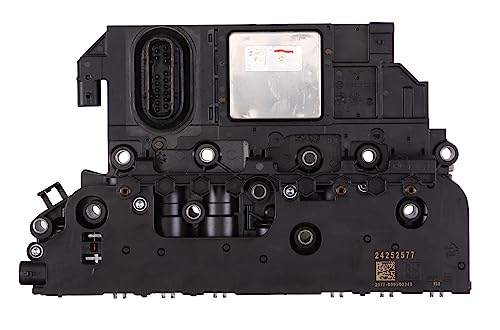
Manymiba Programmed TCM TCU Transmission Control Module…
- 【𝗙𝗮𝗰𝘁𝗼𝗿𝘆-𝗣𝗿𝗼𝗴𝗿𝗮𝗺𝗺𝗲𝗱 𝗳𝗼𝗿 𝗜𝗻𝘀𝘁𝗮𝗻𝘁 𝗨𝘀𝗲】Pre-programmed specifically for 2011-2022 Ford Focus 2.0L models with DPS6 transmissions. This…
- 【𝗚𝗲𝗻𝘂𝗶𝗻𝗲 𝗢𝗘𝗠-𝗟𝗲𝘃𝗲𝗹 𝗥𝗲𝗽𝗹𝗮𝗰𝗲𝗺𝗲𝗻𝘁】Engineered as a direct replacement for multiple OEM part numbers (including A2C53377498, AE8Z-7Z369…
- 【𝗦𝘁𝗿𝗮𝗶𝗴𝗵𝘁𝗳𝗼𝗿𝘄𝗮𝗿𝗱 𝗜𝗻𝘀𝘁𝗮𝗹𝗹𝗮𝘁𝗶𝗼𝗻】The module comes pre-loaded with the correct Ford software. Simply install it and perform the final…
As an Amazon Associate I earn from qualifying purchases.
It also checks how much you’re pressing the gas pedal. The TCM then tells your transmission when to shift gears.
It ensures smooth shifts. It also helps with fuel economy. This module uses sensors to gather data.
It then uses this data to make smart decisions. These decisions control hydraulic pressure. They also manage clutch engagement.
All of this happens very quickly.
Think of it as a tiny computer. It lives within your car’s electronic system. It’s dedicated to making your transmission work right.
When it works well, you barely notice your car shifting. The changes feel seamless. You just drive and enjoy.

Why Your Ford’s TCM Might Need a Reset
Several things can make your TCM act up. Sometimes, it’s just a minor software glitch. This can happen after a power surge.
It can also happen after a battery disconnect for other repairs. These glitches can cause weird shifting. Your car might feel sluggish.
It might shift harder than usual.
Another reason is after certain repairs. If a mechanic worked on your transmission or engine, they might have disconnected the battery. When the battery comes back on, the TCM might not have its learned settings.
It needs to relearn how to shift best for your driving style.
Wear and tear can also play a role. Over time, components can change. The TCM might need to adapt.
A reset can help it adjust. It’s like giving the computer a fresh start. It can clear out old, bad data.
Most often, drivers notice issues after they’ve had the battery disconnected for another reason. Maybe you changed a headlight bulb. Maybe you replaced a fuse.
When the power is cut and restored, the TCM can lose some of its learned parameters. It’s like rebooting your home computer when an app is acting weird.
Common Signs Your TCM Might Be Experiencing Issues
You’ll often notice symptoms before you even think about a reset. These signs can be subtle at first. Then they might become more obvious.
Pay attention to how your car feels. Listen for strange noises. Feel for unusual shifts.
One common sign is harsh shifting. Your car might feel like it’s jerking. This can happen between gears.
It might feel rough when you accelerate. It can also feel jerky when you slow down. This is not a normal feeling.
Smooth shifts are what you want.
Another sign is delayed shifting. Your car might wait too long to shift up. Or it might hesitate to shift down when you need it.
This can make your car feel underpowered. It can also make it feel like it’s struggling.
You might also notice the “Check Engine” light. This light can come on for many reasons. But if it’s related to the transmission, it could be the TCM.
Your car’s computer system might have logged a fault code. This code points to a transmission issue. It’s always good to check these codes.
Some drivers report the transmission getting stuck in a specific gear. This is often called “limp mode.” Your car might only let you go a certain speed. It’s a safety feature.
It prevents further damage. But it means something is wrong. It’s a clear sign the TCM or transmission needs attention.
The transmission might also slip. This means it feels like it’s not fully engaging. You might hear your engine rev up.
But the car doesn’t speed up as it should. This is a serious symptom. It means power isn’t getting to the wheels correctly.
It’s a sign the TCM might not be controlling the transmission properly.
If you notice any of these issues, a reset could be your first step. It’s a simple thing to try. It might save you a lot of money.
But remember, it’s not always a fix. Sometimes, there’s a deeper problem. That’s when you need a mechanic.
How to Reset Your Ford Transmission Control Module (TCM)
There are a few ways to reset your Ford’s TCM. The most common method is to disconnect the battery. This is a safe procedure if done carefully.
It effectively powers down all the car’s electronics. This includes the TCM. When power is restored, it starts fresh.
First, you’ll need a few tools. A wrench that fits your battery terminals is essential. Usually, this is a 10mm or 13mm wrench.
You’ll also want safety glasses. Gloves are a good idea too.
Park your Ford on a flat surface. Make sure the engine is off. Open the hood.
Find your car battery. It’s usually a black box with two terminals on top. One is positive (+).
The other is negative (-).
You always disconnect the negative terminal first. Use your wrench to loosen the nut on the negative terminal clamp. Remove the cable from the terminal.
Be careful not to let it touch any metal part of the car. This prevents accidental sparks.
Now, let the car sit for a while. The recommended time can vary. Most sources suggest at least 15 to 30 minutes.
Some people recommend longer, like an hour. This ensures all the residual power drains from the modules. It gives the TCM a full reset.
While the battery is disconnected, some people tap the brake pedal. This helps to discharge any remaining power in the system. It’s an extra step for peace of mind.
It ensures everything is truly powered down. It’s a small action that can help.
After the waiting period, reconnect the negative battery cable. Tighten the nut securely. Now, start your Ford’s engine.
You might notice the engine running a little rough at first. The idle might be a bit high. This is normal.
The TCM is starting to relearn.
Drive your car. Take it on a gentle test drive. Avoid hard acceleration or sudden braking.
Drive through all the gears. The TCM needs to relearn your driving habits. This process can take some time.
It might take a few driving cycles. A driving cycle is usually starting the car, driving it, and then shutting it off.
Some Ford models have specific procedures. These might involve a sequence of turning the ignition on and off. They might also involve specific pedal presses.
Always check your owner’s manual. It will have the most accurate information for your specific vehicle. It’s the best resource you have.
There are also professional scan tools. These tools can perform a TCM reset. They can also do a “TCM relearn” procedure.
This is often done at a dealership or a reputable repair shop. If the battery disconnect doesn’t work, this might be your next step. It’s a more advanced method.
TCM Reset: Key Steps at a Glance
1. Locate Battery: Find your car battery under the hood.
2. Disconnect Negative Terminal: Use a wrench to remove the black cable first.
3. Wait: Leave it disconnected for at least 15-30 minutes. Longer is often better.
4. Reconnect Terminal: Attach the negative cable and tighten the nut.
5. Start Engine: Turn on your car. Let it idle for a few minutes.
6. Test Drive: Drive gently to allow the TCM to relearn.
The TCM Relearn Process After a Reset
Resetting the TCM is just the first step. The computer needs to learn again. This is called the “relearn” process.
Your driving style matters here. The TCM adapts to how you drive. It learns your usual speeds.
It learns how hard you press the gas pedal.
When you first start driving after a reset, shifts might feel a bit off. This is normal. The TCM is gathering new data.
It’s figuring out the best way to operate. It’s like a new driver getting used to a car.
Take your car on a variety of roads. Drive in different conditions. Go on the highway.
Drive in city traffic. Drive on hilly roads. This helps the TCM learn a wide range of scenarios.
It builds a complete profile of your driving habits.
Avoid aggressive driving. Don’t accelerate hard. Don’t brake suddenly.
This can confuse the TCM. It might learn the wrong patterns. Focus on smooth, steady driving.
This helps the TCM learn optimal shift points. It promotes smoother transitions between gears.
The relearn process can take time. Some sources say it can take up to 50 miles of driving. Others suggest it might take several driving cycles.
Be patient. Don’t expect perfection immediately. Give the system time to adjust.
If you have a Ford owner’s manual, check it. It might have specific instructions for the relearn procedure. Some manuals detail how to accelerate and brake.
They might suggest specific speeds to reach. Following these steps can speed up the process. It ensures the TCM relearns correctly.
What you’re looking for are smooth shifts. You want the car to feel responsive. You don’t want any hesitation.
If shifts remain harsh or delayed after a good amount of driving, there might be another issue. The reset might have worked, but the underlying problem persists.
Driving Tips for TCM Relearn
Normal Driving: Stick to your usual routines.
Vary Conditions: Drive on highways, city streets, and varied terrain.
Smooth Inputs: Avoid sudden acceleration or braking.
Patience: Allow up to 50 miles or several drive cycles.
Observe Shifts: Notice how smooth and responsive the transmission feels.
When a Simple Reset Isn’t Enough
Sometimes, a reset won’t solve your problem. If you’ve tried the battery disconnect, and the issues continue, it’s time to look deeper. This often means there’s a mechanical problem.
Or there could be a more serious electronic fault.
One possibility is a faulty sensor. The TCM relies on data from many sensors. If a sensor is giving bad readings, the TCM will make bad decisions.
This could be a speed sensor. It could be a temperature sensor. These need to be diagnosed.
Transmission fluid is also critical. Low fluid levels can cause shifting problems. Old, dirty fluid can do the same.
If the fluid is burnt, it means there’s internal damage. Checking and changing your transmission fluid is a key maintenance step. It’s a basic check that many overlook.
Internal transmission wear is another cause. Clutches can wear out. Seals can fail.
Solenoids inside the transmission can get stuck or fail. These are mechanical issues. A TCM reset won’t fix worn-out parts.
It only resets the computer.
The TCM itself could be faulty. While less common than other issues, the module can fail. This might happen due to electrical problems or internal damage.
If the TCM is bad, it needs to be replaced or repaired. This is a job for a professional.
Wiring issues can also cause problems. The wires connecting the TCM to other components can fray or break. Corrosion can build up.
This interrupts communication. It’s like a broken phone line. The TCM can’t get the right signals.
If you suspect a problem beyond a simple reset, get it checked. A qualified mechanic can use a diagnostic scanner. This tool can read specific fault codes.
It can show live data from the TCM and sensors. This helps pinpoint the exact issue. It’s better than guessing.
Don’t ignore persistent shifting problems. They can lead to more costly repairs down the road. If your car is not running right, it’s a signal.
Listen to that signal. Get professional help when you need it. It’s the safest bet for your vehicle.
What the Experts Say About Ford TCM Resets
Mechanics often recommend a TCM reset as a first troubleshooting step. It’s a quick, low-cost option. Many times, it resolves minor electronic hiccups.
It can clear temporary glitches. It gives the transmission a fresh start to learn optimal parameters.
However, experienced technicians know its limits. They understand that a reset is not a cure-all. If the symptoms persist after a reset and a proper relearn drive, they move on to other diagnostics.
They check for trouble codes. They inspect fluid condition. They look for mechanical wear.
Some repair shops have specialized tools. These tools can perform a complete TCM relearn cycle. This is more thorough than just driving.
It might involve specific procedures on the scan tool. It ensures the module relearns correctly. It’s often recommended after major transmission repairs.
Consumer reports and automotive forums often discuss TCM issues. Many Ford owners share their experiences. The consensus is that while a reset helps common issues, it’s important to be aware of underlying problems.
Ignoring symptoms can lead to bigger bills.
Dealers often perform these resets as part of their service. They have the training and equipment to do it correctly. If you’re unsure about doing it yourself, a dealership or a reputable independent mechanic is a good choice.
They have the expertise to diagnose and fix transmission problems properly.
The key takeaway from experts is this: a TCM reset is a valid troubleshooting step for specific symptoms. It’s not a universal fix. It’s important to combine it with proper driving and further diagnostics if needed.
Always consider the age and mileage of your Ford.
Expert Advice Summary
First Step: Resetting the TCM is a good initial try for minor issues.
Limits: It won’t fix mechanical wear or major electrical faults.
Relearn is Crucial: Proper driving is needed for the TCM to adapt.
Further Checks: If symptoms persist, scan for codes and check fluid.
Professional Help: Consult a mechanic for complex or persistent problems.
Troubleshooting Specific Ford Models
Different Ford models and transmission types might have slightly different procedures. For example, a Ford F-150 might have a different setup than a Ford Focus. The generation of your Ford also matters.
Newer Fords have more advanced electronics.
For many Ford trucks, especially older models with the 4R70W or 4R75W transmissions, the battery disconnect method is very effective. These transmissions are robust. They respond well to a simple reset.
The relearn process is also fairly standard.
For newer Ford vehicles with transmissions like the 6R80 or 10R80, the electronics are more complex. While a battery disconnect can still work, some of these transmissions have adaptive learning that is more sophisticated. Some models might benefit from a more specific procedure.
Consulting the owner’s manual is even more critical here.
Some sources suggest that for certain Ford transmissions, like those in the Ford Escape or Fusion, a scan tool is almost necessary for a proper relearn. This ensures the adaptive learning parameters are set correctly. It’s about fine-tuning the system.
If you have a high-performance Ford, like a Mustang, the transmission tuning might be more sensitive. The TCM controls a lot of the driving feel. A reset should be done with care.
The relearn drive needs to include performance driving as well as normal driving.
Always refer to your specific Ford model’s owner’s manual. It’s the most reliable source of information. If you can’t find it, many Ford manuals are available online.
Search for ” owner’s manual PDF.” This will give you model-specific details.
When in doubt, or if you own a newer or more complex Ford, consider having a dealership or a transmission specialist perform the reset and relearn procedure. They have the correct tools and knowledge. This ensures the job is done right the first time.
Model-Specific Considerations
Older Fords (e.g., F-150 4R70W): Battery disconnect often sufficient.
Newer Fords (e.g., 6R80, 10R80): Manual may have specific steps; scan tools can help.
Performance Models (e.g., Mustang): Relearn needs to include performance driving.
Owner’s Manual: Always the best resource for your specific vehicle.
Professional Help: Recommended for complex systems or uncertainty.

Frequently Asked Questions about Ford TCM Resets
How long should I leave the battery disconnected to reset the TCM?
Most experts recommend leaving the negative battery terminal disconnected for at least 15 to 30 minutes. Some suggest leaving it for an hour or even longer to ensure all residual power drains from the system. This allows the TCM to fully reset.
Will resetting the TCM affect my radio presets or other settings?
Yes, disconnecting the battery will reset most of your vehicle’s electronic memory. This includes your radio presets, clock, and sometimes even your trip odometer. You will need to re-enter these settings after reconnecting the battery.
This is normal for a full system reset.
How do I know if the TCM reset was successful?
The most common sign of success is improved shifting. Your transmission should feel smoother, less hesitant, and without harsh jerks. The “Check Engine” light, if it was related to transmission codes, might turn off.
You might also notice better acceleration. It should feel more responsive.
Can I reset the TCM without disconnecting the battery?
Some vehicles may have a specific ignition and pedal sequence that can trigger a soft reset. However, for a full and effective reset of the transmission control module, disconnecting the battery is the most common and reliable method for Ford vehicles. Professional scan tools can also perform this function.
What is a TCM relearn procedure?
A TCM relearn procedure is the process where the transmission control module learns and adapts to your specific driving habits and vehicle conditions. After a reset, the TCM starts with basic settings. Driving normally allows it to gather data and optimize shift points for smoother operation and better fuel economy.
How long does the TCM relearn process take?
The TCM relearn process typically takes about 30 to 50 miles of driving. This should include a variety of driving conditions, such as city streets, highway driving, and stop-and-go traffic. Some sources suggest it might take several driving cycles (starting the car, driving, and shutting off) for full adaptation.
Conclusion: A Simple Step for Smoother Shifting
Dealing with transmission trouble can be stressful. But sometimes, a simple fix like a TCM reset is all your Ford needs. It’s a straightforward process.
It empowers you to tackle common issues yourself. Remember to be patient with the relearn phase. Your car needs time to adjust.
If problems persist, seek professional help. This guide should give you the confidence to try a reset.
See also quick 4 transmission controller review is it worth it .
Related pick: Check today's price on Amazon
Products related to this article
Sponsored / affiliate links. As an Amazon Associate I earn from qualifying purchases. I may earn additional commission from eligible campaigns.