Car Battery Reviews: Best Picks, Sizing, Buying Guide
The best car battery depends on three checks: the exact group size, the CCA your engine needs on the coldest morning you actually face, and whether your car calls for AGM because of stop-start or heavier electrical load. Miss any one of those and you can get no-start mornings, extra charging-system stress, and a battery that dies years too soon. This guide narrows the best picks by driving pattern, climate, budget, warranty, and fitment checks before you buy.
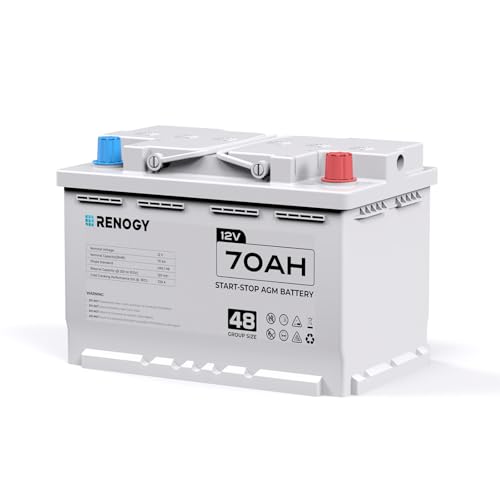
Top overall pick: an AGM replacement in the exact factory group size is the safest choice for the widest range of modern daily drivers because it balances fitment, reserve capacity, cycling tolerance, and warranty value better than a cheap flooded substitute.
Quick picks: the best car batteries by driver type

At-a-glance picks by real use case
| Pick | Best for | Battery type | What matters most | Who should skip it |
|---|---|---|---|---|
| Top overall | Most daily drivers with modern electronics | AGM | Better cycling resistance, strong reserve capacity, broad fitment availability | Older basic cars driven long highway trips with low accessory load |
| Budget pick | Basic replacement on older, non-stop-start vehicles | Flooded lead-acid | Lower upfront cost when the car has modest electrical demand | Stop-start cars, short-trip commuters, heavy accessory users |
| Best AGM upgrade | Stop-start vehicles and short-trip use | AGM or factory-required EFB/AGM | Handles repeated cycling and undercharged use better | Vehicles that specifically require EFB and are not approved for AGM conversion |
| Best for cold weather | Sub-freezing starts, larger engines, winter parking outside | High-CCA AGM in correct group size | Cold-start margin plus good reserve capacity | Warm-climate drivers paying extra only for headline CCA |
| Best high-capacity pick | Audio systems, dash cams, idling, camping loads | High-RC AGM | Reserve capacity and amp-hour rating where listed | Cars with charging faults or chronic parasitic draw still unfixed |
What is the best car battery for most drivers?
For most drivers, the best choice is an AGM battery in the exact factory group size, with terminal layout and hold-down points that match the original tray. I keep coming back to this setup because it suits how modern cars get used: short trips, higher electrical load, the occasional deep discharge, and stop-start compatibility in vehicles that allow or require AGM.
Why this pick wins on fitment, reserve capacity, and warranty value
AGM wins for practical reasons. Cars now do more short trips, sit with more parked draw from alarms, telematics, and cameras, and spend more time idling with lights, blowers, heated seats, and phone charging all pulling current.
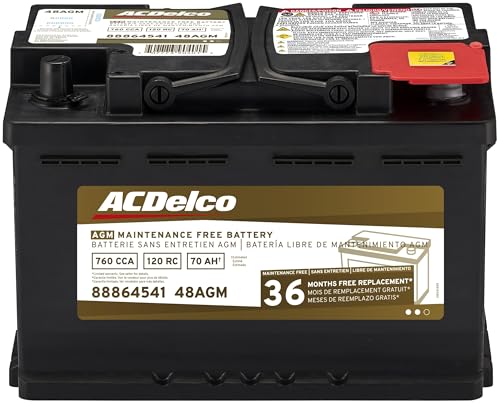
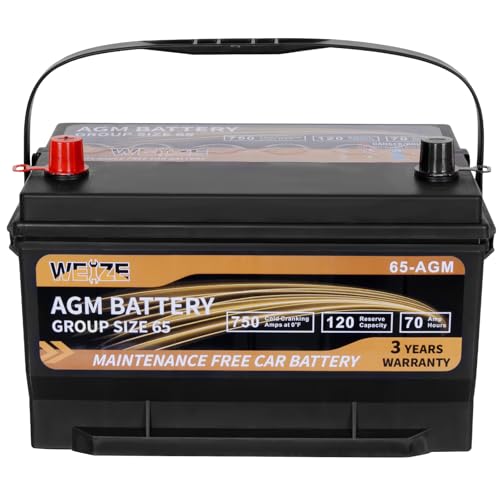
AGM, or absorbed glass mat, uses separators that hold electrolyte in a mat instead of free liquid moving around inside the case. In use, that usually means better vibration resistance and better recovery after repeated partial-charge operation. It also often brings stronger reserve capacity and, where listed, a more useful amp-hour figure for comparing real electrical support.
Reserve capacity matters more than many rankings admit. CCA tells you starting power in the cold. RC gives a rough sense of how long the battery can support electrical demand if alternator output drops, if the car is used mostly for short trips, or if accessories run with the engine off.
Who should buy it and who should skip it
Buy the AGM top pick if the vehicle has stop-start, if it lives on school runs and errands, if winter starts are part of life, or if the car has enough electronics to drain a weak battery fast. It also makes sense where the battery sits in the trunk, under a seat, or in a cramped bay where replacement labor is annoying enough that buying the better unit up front has real value.
Skip it if the car is older, simple, and driven long enough to stay fully charged. In that case, a standard flooded lead-acid battery can still be the smart spend. I have seen plenty of basic highway commuters do perfectly well on flooded batteries, and paying more for AGM in a low-demand vehicle does not always lower cost per year.
Expected tradeoffs in price, weight, and availability
AGM batteries usually cost more. They also tend to weigh more in the same group size because they are built for higher demand. Availability can tighten in odd group sizes, side-post variants, or import fitments where tray length, vent routing, and hold-down lip shape leave no margin.
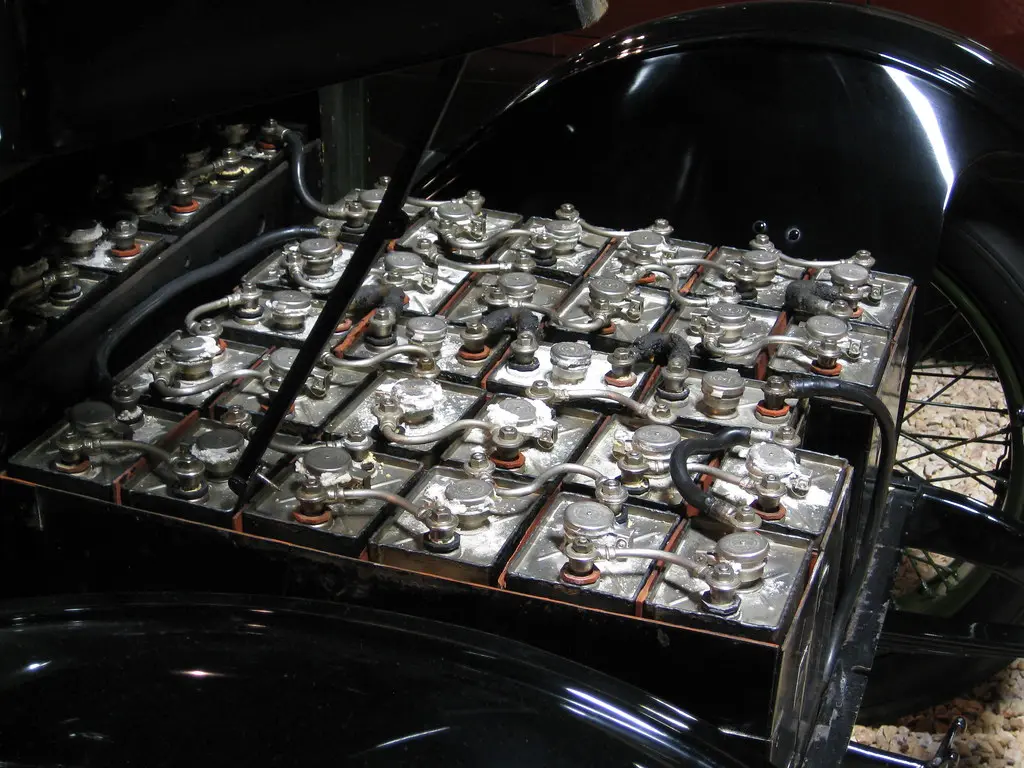
That fitment point matters. Group size is not a vague category. It is the physical fitment code that covers case dimensions, terminal placement, and often whether the battery clears a brace, cover, or fuse block. Top-post and side-post versions can show similar capacity on paper and still be wrong for the car.
Best car battery brands for daily driving
If you mostly make short trips or sit in traffic, the brand you choose can be the difference between a battery that recovers quickly and one that dies early. The article breaks down the top everyday‑driving options, comparing OPTIMA’s high‑performance cells with ACDelco’s reliable AGM lineup, and explains how each performs in stop‑and‑go traffic, idle‑heavy use, and cold mornings. It also offers a quick decision guide, key features to watch for, and answers common questions about lifespan and cost‑effectiveness. Understanding these factors helps you avoid unexpected tow bills and extend your battery’s life, so you can trust the best car battery brands for reliable everyday driving.
Best budget pick: standard flooded lead-acid for basic replacement
Where a flooded battery still makes sense
A flooded lead-acid battery is still the right answer for many older cars and lightly equipped commuters. If the vehicle does not use stop-start, does not sit for long periods, and does not carry a big accessory load, a fresh flooded replacement in the correct group size can deliver solid value.
The key word is fresh. Shelf age hurts budget batteries first because they start with less margin. I have seen batteries that sat discharged on a rack for months look fine, pass a quick counter test, and still fail early once they went into a short-trip car.
What to watch for on venting, maintenance, and shelf age
Flooded designs need proper venting where the vehicle calls for it, especially in trunk or cabin-adjacent battery locations. Some applications use vent tubes. Ignore that and you can end up with odor, corrosion, or moisture problems.
Maintenance also differs by battery. Many modern flooded batteries are sold as maintenance-free, though some still allow inspection or may not tolerate chronic overcharging well. If the charging system runs high, flooded batteries lose water faster and age faster.
Before purchase, check the case label for group size, CCA, reserve capacity if listed, and any vent or polarity notes. Then inspect the date code. The format varies by maker, but the goal is simple: buy the newest battery on the shelf that matches the vehicle spec.
When a cheap battery becomes expensive in cost per year
The failure case is common. A low-cost flooded battery goes into a car used only for short trips, carries aftermarket audio and cameras, and lives through hot summers. The owner saves money on day one and pays again soon after.
That is why this guide ranks use case first. Upfront price matters, but replacement frequency and hassle matter more. Warranty length alone does not save a weak match for the job.
Best AGM pick: for stop-start cars and harder use
Why AGM handles cycling, vibration, and short-trip stress better
Stop-start systems cycle the battery far harder than a conventional starter setup. So do repeated short trips. So does city use with blower motors, heated glass, seat heaters, and infotainment running while the engine spends more time at low rpm.
AGM batteries often handle that duty better because they tend to tolerate partial-charge use and vibration well. In cars with under-hood heat and rough roads, that extra tolerance can matter as much as the label CCA figure.
Vehicles that require AGM or EFB from the factory
Many stop-start vehicles need an EFB or AGM, and some should not be downgraded to a basic flooded battery even if it fits. The battery management strategy, charging profile, and cycling demand were set around the original chemistry.
If the car left the factory with AGM, replacing it with another AGM is usually the safe route. If it came with EFB, verify whether AGM is approved as a replacement for that specific vehicle. Some platforms accept the upgrade. Some want the original type retained.
Registration or adaptation after installation
Modern vehicles may need battery registration or adaptation after replacement. That process tells the battery management system the battery is new and, in some cases, what type and capacity it is. Skip that step and the charging strategy may stay tuned for the old worn battery.
Registration matters most on German and other battery-managed vehicles, but it is no longer limited to luxury badges. A battery can be in good condition and still be undercharged, overcharged, or cycled poorly if the car was not updated after replacement.
What car battery is best for cold weather?
The best cold-weather battery is a correctly sized battery that meets or exceeds the vehicle’s minimum CCA requirement and still offers strong reserve capacity. In real winter use, extra CCA helps, but it cannot cover up a weak charging system, thick cold oil, bad cable connections, or the wrong group size.
How to compare CCA without overbuying
Cold cranking amps are a way to gauge starting power in cold conditions. Compare the battery’s label to the vehicle’s minimum requirement first. More CCA can help if the vehicle lives outdoors, uses a larger engine, or faces repeated sub-freezing starts, but chasing the biggest number on the shelf is poor buying logic if fitment or reserve capacity suffers.
Terminal layout matters here too. A battery with higher advertised CCA but the wrong polarity, lower case height under a weak hold-down, or poor cable reach can create voltage drop or loose connections. A clean fit beats an awkward “upgrade.”
Why reserve capacity still matters in winter
Winter drains batteries in slower ways. Defrosters, heated seats, blower motors, and lights all load the system. Short trips keep the battery from recovering. Reserve capacity becomes the cushion when the alternator has less time to refill what the starter and accessories just took out.
For many drivers, winter battery complaints start with “it cranks, but slowly after a few days.” That points to charging and reserve issues, not only CCA.
Cold-climate fitment mistakes that cause hard starts
The biggest mistakes are simple. Wrong group size, so the hold-down does not clamp the battery properly. Wrong top-post versus side-post variant, so cables stretch. Wrong terminal orientation, so the positive lead is rerouted awkwardly across the case. Any of those can create connection problems that look like a weak battery.
Oil viscosity also affects winter cranking effort. A battery upgrade helps, but if the engine is fighting cold, thick oil and low charging state, the battery gets blamed for a wider system problem.
How to pick the right CCA rating for winter starts
Winter temperatures can halve a battery’s cranking power, so choosing the right Cold Cranking Amps (CCA) is critical. The guide walks you through the key specs that actually affect performance—battery size, CCA rating, and chemistry—while cutting through marketing hype. It shows how to match the highest CCA that fits your vehicle’s tray and cable limits, aiming for at least 700 CCA in a typical V6 or V8 when sub‑freezing weather is common. Following these steps prevents sluggish cranking, repeated no‑starts, and premature battery failure. For a detailed comparison and buying advice, see our review of the top cold‑weather batteries.
Best high-capacity pick: for heavy accessories, idling, and backup runtime
Using reserve capacity and amp-hour to judge electrical support
The right pick for accessory-heavy vehicles is a high-reserve-capacity AGM in the proper group size, with amp-hour listed if available. RC is the more useful field metric for backup runtime under charging-system failure or engine-off accessory use. Ah helps compare stored capacity across AGM and deep-cycle-style options when the label includes it.
Dash cams in parking mode, radios, winches, inverters, and camping loads all reward capacity over headline start numbers. A battery with ordinary CCA but stronger RC can be the better fit in a lightly modified overland crossover or a work truck that idles with electronics on.
Who needs this pick
This is the right lane for vehicles with audio upgrades, trailer brake controllers, auxiliary lighting, portable fridge use, or long periods of idling. It also suits cars that sit for stretches while telematics or security systems continue to draw power.
In these cases, compare reserve capacity first, then amp-hour if stated, then warranty. CCA still matters, but it is rarely the deciding figure.
When the charging system needs attention before the battery
A battery cannot repair a failing alternator or a parasitic drain. Before buying more battery, check charging voltage, cable condition, and parked-current draw. Undercharging leaves even a good AGM chronically low. Overcharging cooks both AGM and flooded batteries. Parasitic draw can flatten the replacement just as quickly as the old one.
Where diagnostic authority matters, battery advice from outlets known for buying guidance is useful. Car and Driver has over 60 years of testing experience, publishes buying advice alongside reviews and news, and presents shopping advice articles for buyers. It also publishes tested guides to portable jump-starters and home EV chargers, which is relevant because battery replacement is often tied to broader power-system buying decisions. (caranddriver.com)
How do you choose the right car battery size and type?
Choose the right battery by matching the exact group size, terminal orientation, hold-down style, and chemistry the vehicle needs. Then compare CCA against the vehicle minimum, reserve capacity against driving pattern, and battery type against stop-start use, trip length, and electrical load. Physical fit comes first, chemistry choice comes second.
Battery group size, tray fit, terminal layout, and hold-down checks
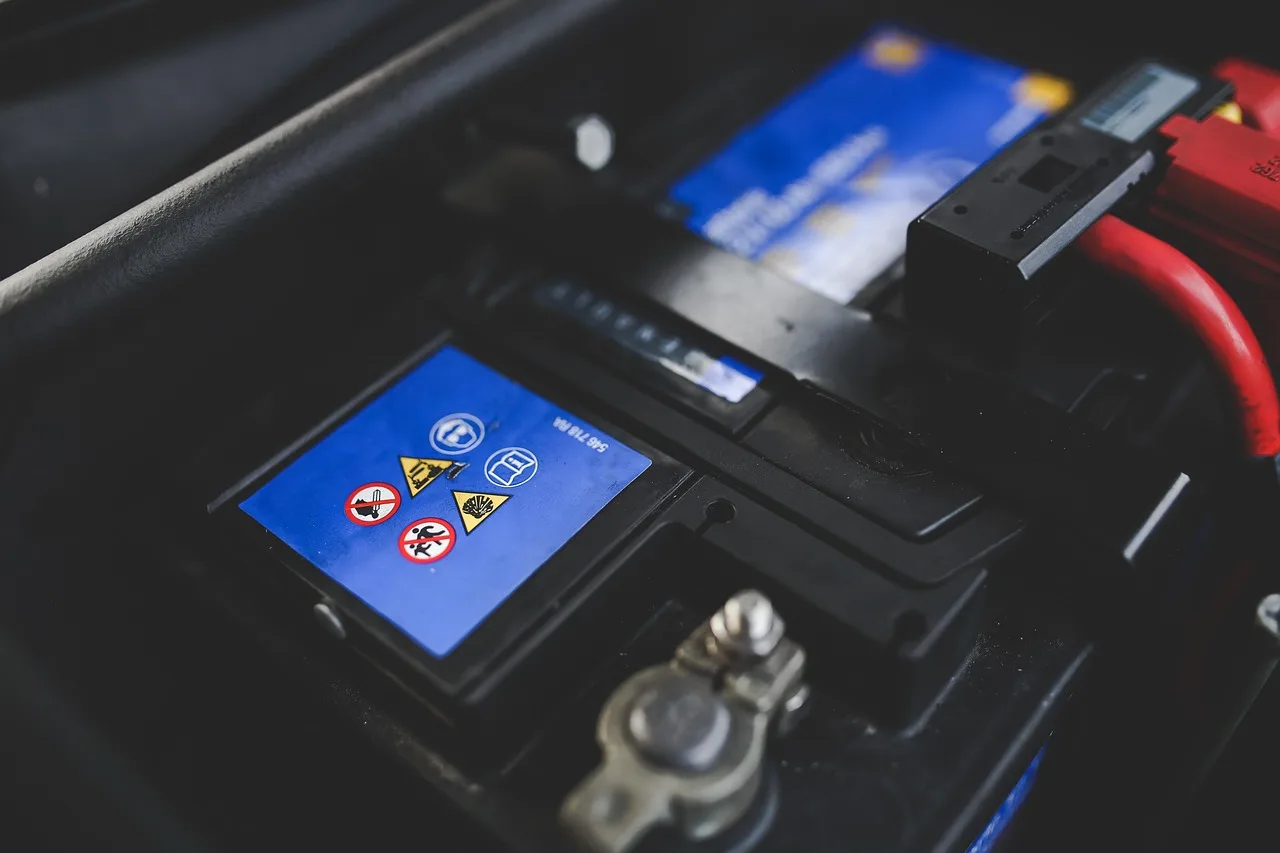
Group size is the fitment code used to match a battery to the vehicle. It affects the battery’s dimensions, terminal placement, and how it fits in the tray. It also affects whether covers, brackets, and fuse blocks clear properly.
- Confirm the exact group size listed for the vehicle or the battery already installed.
- Check whether the vehicle uses top-post or side-post terminals.
- Verify terminal orientation so the positive and negative cables reach without strain.
- Inspect the hold-down style: top bracket, bottom lip clamp, or side retainer.
- Measure tray clearance if the engine bay is tight or the battery sits under a cowl cover.
- Check for vent fittings on trunk-mounted or interior-adjacent installations.
Shallow fitment guides miss that last inch problem. A battery can be “the right group size” and still foul a cover, miss the bottom hold-down lip, or force the cable to rub a metal edge. That is where many DIY replacements go wrong.
AGM versus flooded lead-acid by driving pattern and electrical load
Choose AGM when the vehicle requires AGM, when stop-start is active, when the car sees frequent short trips, or when electrical load is high. Choose flooded lead-acid when the vehicle is conventional, accessory load is low, and the car gets enough drive time to stay charged.
AGM is often worth paying for. It is not always required. A basic sedan doing long commutes in a warm climate can do very well on a fresh flooded battery. A stop-start crossover doing two-mile errands will punish that same flooded battery.
Reading the battery label and date code before purchase
The case label gives the hard facts that matter at the counter: group size, CCA, reserve capacity where listed, amp-hour where listed, polarity, and sometimes whether the battery is AGM, EFB, or standard flooded. Compare those line by line against the old battery and the vehicle requirement.
Date code matters because shelf age matters. Code formats differ by manufacturer, but the battery should be as fresh as possible. If the retailer cannot explain the date code, ask them to decode it or pick another unit with a clearer production mark.
Matching battery specs to the vehicle charging system
The charging system has to support the battery you buy. Alternator output and voltage regulation need to be healthy. A battery management system, where fitted, may need registration. If the car has a parasitic draw, battery choice becomes a bandage.
The basic checks are straightforward: confirm the alternator charges normally, inspect grounds and terminals for corrosion, and test for parked-current draw if batteries keep dying early. Those checks prevent blaming the battery for a wiring or charging fault.
Are expensive car batteries worth it? Decision matrix and cost-per-year table
Expensive car batteries are worth it only when their chemistry and capacity match the vehicle’s use. AGM usually earns its higher price on modern daily drivers, stop-start cars, and high-accessory vehicles. On a simple commuter with long drives and low load, a cheaper flooded battery can have the lower cost per year.
The battery-buying decision matrix
The matrix below scores battery choices by the factors that actually decide satisfaction after purchase: fitment, starting power, reserve capacity, warranty value, and use-case match. Scores are comparative buying scores on a 10-point scale, built to separate the right battery for the job from the battery with the loudest marketing.
| Battery option | Fitment score | Starting power score | Reserve capacity score | Warranty value score | Best-use scenario | Overall match |
|---|---|---|---|---|---|---|
| Standard flooded, exact OE group size | 10/10 | 7/10 | 6/10 | 7/10 | Older non-stop-start cars, long commutes, low accessory load | Good when price matters and use is light |
| AGM, exact OE group size | 10/10 | 8/10 | 9/10 | 8/10 | Most modern daily drivers, short trips, heavier electronics | Best overall |
| High-CCA AGM, exact OE group size | 9/10 | 10/10 | 8/10 | 7/10 | Cold climates, outdoor parking, larger engines | Best for winter starting |
| High-RC AGM, exact OE group size | 9/10 | 8/10 | 10/10 | 7/10 | Dash cams, audio, idling, camping loads | Best for accessory demand |
| Cheap flooded, marginal fit or older stock | 4/10 | 6/10 | 4/10 | 5/10 | Emergency replacement only | Poor long-term buy |
Simple cost-per-year model
This table is an illustrative buying model, not a universal lifespan promise. It uses common parts-counter pricing bands and expected service when the battery type actually matches the vehicle and charging health. The point is to compare value, not predict an exact failure date.
| Battery type | Typical buy-in | Illustrative matched-use life | Illustrative cost per year | When the math works |
|---|---|---|---|---|
| Flooded lead-acid | Roughly $140-$190 | About 3-4 years | About $35-$63 per year | Basic cars, longer drives, low accessory load |
| AGM | Roughly $220-$320 | About 4-6 years | About $37-$80 per year | Modern daily drivers, stop-start, short-trip duty |
| High-capacity AGM | Roughly $280-$380 | About 4-6 years | About $47-$95 per year | Accessory-heavy vehicles where RC prevents repeated discharge |
Failure cases the matrix catches that simple rankings miss
Short-trip use: the battery never gets fully recharged. AGM usually tolerates this better than flooded.
Parasitic draw: the battery keeps going flat overnight or over a weekend. Buying more CCA does not fix that.
Undercharging: alternator output or battery management leaves the battery below full state of charge. Early sulfation follows.
Overcharging: excessive charging voltage shortens life fast, especially in hot weather.
Wrong fitment: poor hold-down, reversed terminals, or side-post versus top-post mismatch causes service headaches from day one.
Frequently asked questions
What is the best car battery for my vehicle?
The best battery is the one that matches your vehicle’s exact group size, terminal layout, and battery type requirement, then fits your climate and driving pattern. For most modern cars, AGM is the safer all-around choice. For older basic vehicles, a fresh flooded battery can still be the better buy.
How do I choose the right car battery size?
Start with the required group size, then confirm terminal orientation, top-post versus side-post design, tray clearance, and hold-down compatibility. A battery that is close in size is still the wrong battery if the cables are stretched, the clamp does not fit, or the case height hits a cover.
AGM vs lead-acid car battery: which is better?
AGM is better for stop-start systems, short-trip use, vibration, and heavier electrical demand. Flooded lead-acid is better for low upfront cost in simpler vehicles that get enough drive time to stay charged. AGM is often worth it, but it is not an automatic upgrade for every car.
What car battery is best for cold weather?
A battery that meets or exceeds the vehicle’s minimum CCA and still offers solid reserve capacity is best for cold weather. AGM often helps because it handles tougher use well. Still, winter starting depends on charging health, cable condition, and oil viscosity as much as the battery label.
What battery do I need for stop-start vehicles?
Most stop-start vehicles need EFB or AGM, depending on what the factory installed. Do not assume a standard flooded battery is an acceptable substitute because it fits the tray. Many vehicles also need battery registration or adaptation after replacement so charging strategy matches the new battery.
How do I compare car battery warranties?
Look past the total term and focus on the free replacement period, any pro-rata phase, and exclusions tied to testing or commercial use. A longer warranty can still be a poor deal if the battery has weak reserve capacity, old stock date, or the wrong chemistry for the vehicle.
Products related to this article
Sponsored / affiliate links. As an Amazon Associate I earn from qualifying purchases. I may earn additional commission from eligible campaigns.