Best Batteries for Sedans: based on specs and reviews
For most sedans and compact cars, start with the correct group size, usually 35, 47, 48, or 49, and choose one of three battery types: AGM for stop-start or heavy electrical loads, lithium only if the car and charger support it, or flooded lead-acid for the lowest cost. A wrong fit can cause slow cranking, warning lights, and repeated jump-starts. This guide ranks the best battery options by fit, reserve capacity, cold-cranking power, and daily-driving value.
Quick comparison
| Product | Badge | Best for | Price | ||
|---|---|---|---|---|---|
 |
OPTIMA Batteries High Performance 34/78 RedTop Sealed AGMOPTIMA | Upgrade pick | 800 CCA AGM, 38.8 lb, 10" long | $268.52
Price as of 9 Oct 2026
|
View |
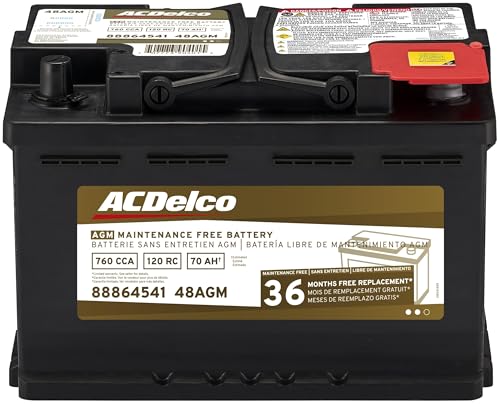 |
ACDelco Gold 48AGM (88864541) 36 Month Warranty AGM BCIACDelco | Our pick | Group 48 AGM, 36 month warranty | $182.99
Price as of 9 Oct 2026
|
View |
Use the comparison table to narrow the field before you shop. The right battery matches the tray, terminals, hold-down style, and your driving pattern.
📊 Their durability test cycles batteries 180 times in a 167º F water bath. Source: 8 Best Car Batteries of 2026, Lab-Tested and Reviewed….
How we chose
Fitment comes first. Battery group size, terminal placement, and mounting style have to match the car, not the price tag.
Daily-driving needs come next. Short trips, winter starts, and frequent accessory use make reserve capacity and cycle durability more important.
Cost per year matters more than sticker price. A battery that lasts longer can cost less over its service life, but only if it fits and suits the car.
Weather tolerance matters too. Cold starts and hot-weather aging affect small-car batteries in different ways, so the ranking reflects both.
Quick picks
- Best daily-driver sedan pick: Group 35 AGM, when the manual calls for it and the car sees mixed commuting plus accessory use.
- Best budget replacement: Group 47 lead-acid, when the factory setup is simple and the car does not need AGM.
- Best for short trips and cold weather: Group 48 AGM, when reserve capacity and cold-start confidence matter more than price.
- Best for reverse-terminal layouts: Group 51R, when the cable routing and hold-down call for a right-side positive terminal.
What is the best car battery for a sedan?
For most sedans, the best battery matches the OEM group number and supports the car’s daily use. If the car does many short trips or faces cold winters, AGM is often the better fit; for a simple replacement, lead-acid can be the smarter value.
What matters most in a sedan
Start with the owner’s manual and the current battery label. Consumer Reports says the battery group number must match the vehicle’s make, model, year, and engine size, and the physical spec also includes terminal placement and mounting style. That is why a close-enough battery can still be wrong.
For sedans with higher accessory loads, AGM’s deeper-discharge tolerance can help. For a basic commuter with no stop-start system and no unusual electrical demand, a quality flooded lead-acid battery can still score well and cost less up front.
What size car battery do I need for my compact car?
You should use the group size listed in the owner’s manual or on the battery label, since that’s the best match for the vehicle. The tray, hold-down, and cable length have to match, or the replacement can fail to install safely.
Check the label first
Open the hood and read the battery case. The current battery often shows the group, terminal layout, and type, which can confirm the factory spec quickly. CR also notes that the battery current in the car can show the basic specs, but the manual remains the best source for used cars.
Why compact-car sizes vary
Small sedans do not all use the same battery because engine size, trim, and optional equipment change the electrical demand. A 4-cylinder base model may use a smaller tray than a higher-trim version with more electronics or a different engine bay layout.
Is AGM better than lead-acid for my car?
AGM is better when the car needs deeper-discharge tolerance, better reserve capacity, or stronger support for repeated short trips and accessory use. Lead-acid is better when the car needs a correct, lower-cost replacement and the factory setup does not call for AGM.
When AGM is worth the higher price
AGM, or absorbed glass mat technology, is a pricier battery type that generally handles repeated draining and recharging better than standard flooded lead-acid. That fits short-trip driving, winter use, and vehicles with more electrical load. It also helps when the battery is asked to recover after sitting partially discharged.
When lead-acid is enough
Lead-acid remains the standard replacement type for many sedans and compact cars. Some less expensive lead-acid batteries score very well, especially when the battery is an exact fit and the car’s charging system is healthy. Do not pay extra for AGM if the manual does not require it and the car’s use is ordinary.
Group 35 AGM: best for most compact sedans
Group 35 AGM can fit many compact and midsize sedans that need a strong starting battery with good vibration resistance. It suits drivers who face frequent starts, accessory loads, or a rougher mounting environment, and the sealed AGM construction helps with maintenance-free ownership.
What stands out here is the mix of specs: high starting power, dual SAE and GM terminals, and flexible mounting options. The listed 10″ length matters because a battery that is close in size still may not fit the tray or cable reach correctly.
The drawback is cost. AGM usually costs more than flooded lead-acid, and this one is a large physical battery for some compact cars, so you need to verify tray length, hold-down points, and terminal clearance before buying.
Group 47 lead-acid: best budget replacement
Group 47 is often the better choice when you need a straightforward, lower-cost replacement and the factory setup does not call for AGM. It fits many compact cars and sedans that use a standard flooded battery, and it can be the smart pick when the old battery simply wore out.
What stands out with a good lead-acid replacement is value. Lower price does not mean poor quality, and some lead-acid batteries score very well for everyday driving, especially when the car sees normal commute patterns and the charging system is in good shape.
The drawback is durability under deeper discharge. If the car is parked often, driven only on short trips, or used in very cold weather, a basic flooded battery may age faster than AGM and may leave less reserve if charging is interrupted.
Group 48 AGM: best for cold weather and frequent short trips
Group 48 AGM can be a good choice for drivers who want solid reserve capacity and better handling of repeated short trips. The ACDelco Gold 48AGM has a 36 month warranty, and the AGM format fits cars that benefit from steadier recovery after partial discharge.
What stands out is the balance of life-oriented design and fitment. The spec sheet notes high density negative paste, silver calcium alloy, and a separator designed to improve acid circulation and reduce shorts. Those traits matter most when the battery gets cycled more often than average.
The drawback is price. AGM costs more than a comparable flooded battery, and Group 48 will not fit every compact car. Check tray dimensions, terminal position, and the hold-down before ordering.
Fitment matrix: group size, terminals, and cost per year
| Common group size | Typical use in sedans/compact cars | Terminal orientation check | AGM or lead-acid suitability | Simple cost-per-year note |
|---|---|---|---|---|
| 35 | Common in many compact sedans and some midsize cars | Confirm top-post layout and cable reach before buying | Either works; AGM makes more sense for short trips or heavier loads | AGM often costs more up front but can lower yearly cost if service life is longer |
| 47 | Frequent replacement size for compact cars | Check positive and negative post placement carefully | Lead-acid often makes sense for a budget replacement; AGM if the car cycles hard | Usually the lowest initial cost per year for simple daily use |
| 48 | Used in many sedans with more electrical demand | Verify tray length and hold-down because the case is larger than some 47 units | AGM is often the better fit for reserve capacity and short-trip use | Higher sticker price, but can be reasonable yearly if it lasts longer in harder use |
| 51R | Common where reverse terminals are required | Confirm reversed post layout; a normal 51 can be wrong even if the size looks close | Either AGM or lead-acid can work if the fitment is correct | Cost depends on type; fit is more important than price in this group |
The cost-per-year idea is simple. If a battery costs more but lasts longer under your driving pattern, the annual cost can be lower. If it is the wrong type for the car, the cheaper battery can become expensive fast through early failure.
How do I choose the right battery group size?
Choose the right group size by matching the owner’s manual, the label on the old battery, and the vehicle’s tray and cable layout. Group size is a physical size category, so close enough is not enough when the terminals, hold-down, or case dimensions differ.
What to compare before buying
- Read the owner’s manual for the listed group number and battery type.
- Check the current battery label for group size, terminal layout, and any OEM markings.
- Measure the tray length, height, and clamp position if the old battery is missing.
- Confirm the positive and negative terminals are on the correct side.
- Match the mounting style so the hold-down clamps securely.
Say your compact sedan calls for Group 51R, but the replacement has the correct case size and the wrong terminal orientation. The battery may sit in the tray and still fail at install time because the cables will not reach safely.
Which car batteries last longest in hot or cold weather?
AGM usually holds up better to repeated discharge and cold-start demands, while hot weather tends to punish any battery by speeding up aging. Cold-weather performance matters most where winter starts are hard; hot-weather degradation matters most where under-hood heat stays high for long periods.
Cold weather performance
Consumer Reports freezes batteries at 0º F to check cold-weather performance, and that makes sense for sedans that must start outside in winter. A battery with strong cold performance can crank better after an overnight drop in temperature, which helps when oil is thick and the engine needs more power to turn over.
Hot weather and service life
CR uses a 167º F water bath to simulate under-hood heat and cycles batteries 180 times in that bath to evaluate durability. Heat shortens battery life, especially for drivers in warm climates or traffic-heavy commutes. A battery that is fine in spring may fade quickly if the under-hood temperature stays high. (consumerreports.org)
What should I check before buying a replacement battery?
Check the manual, the current battery label, the terminal orientation, the hold-down style, and the group number before you buy. Those details matter more than brand name or price, and they decide whether the battery will fit and charge correctly once installed.
Common failure points
Wrong group size can interfere with the tray. Reversed terminals can cause cable strain or prevent installation. A hold-down that does not match can leave the battery loose, which is a safety problem and a vibration problem. Any one of those issues can turn a simple replacement into an install failure.
Short-trip and electrical-load clues
If the car makes many short trips, the battery may not recharge fully between starts. That is where reserve capacity and deeper-cycle durability matter. If the car has extra electronics, heated accessories, or long idle periods, AGM may be worth the added cost.
Are expensive car batteries actually better?
Not always. A higher price does not guarantee better performance or longer life in a small car, because the best battery is the one that matches the vehicle’s group size, terminals, mounting style, and driving pattern. Price only matters after fit and specification.
What you pay for
AGM batteries usually cost more because of their construction and better tolerance for deeper discharge. That extra cost can make sense if your car is hard on batteries. But if the car only needs a standard flooded replacement for normal commuting, paying extra may not add real value.
Why value is not the same as price
A cheaper lead-acid battery can be the better buy when it is the correct fit and the car’s use is easy on batteries. A pricier AGM can be the better value when the car sees short trips, cold starts, or frequent accessory use that would shorten a basic battery’s life.
Can I use a different battery group size if it fits?
Usually you should stick with the same group number unless the owner’s manual allows another approved size. Even if a different battery looks like it fits, terminal location, tray clearance, and the hold-down can still be wrong. Fit is more than length and width.
When a different size causes trouble
A battery that is too tall can hit the hood or brace. One that is too short may not clamp properly. A battery with the wrong terminal layout can force the cable to twist or reach across the case, which is unsafe and makes service harder.
Picture a used compact car with no battery label and a replacement chosen by guesswork. The new battery may crank, but if the terminals are reversed or the mount does not clamp it, the install is still wrong.
How do I know if my car battery is the correct type?
Your battery is the correct type if it matches the manual, the group number, the terminal layout, and the vehicle’s charging and mounting requirements. For many sedans and compact cars, that means flooded lead-acid for basic use or AGM when the car needs more reserve and discharge tolerance.
Signs the type is wrong
If the car struggles after short drives, needs jump-starts too often, or shows charging warnings after replacement, the battery type or fitment may be wrong. A battery that is physically close but not exact can still create starting and charging problems.
What to match on used cars
Used cars are where the manual matters most, because the battery may have been replaced before with something nonstandard. Check the battery current in the car, read the label, and confirm the group number against the manual before ordering another one.
Which one should you buy
Start with the OEM group number unless the manual gives an approved alternative. If the car sees repeated short trips, cold winters, or more electrical load, choose AGM in the correct group. If you want the lowest-cost replacement and the factory setup is simple, choose a flooded lead-acid battery that matches the tray and terminals.
For most sedan and compact-car shoppers, the buying order is simple: fit first, use case second, price third. That avoids the most common mistakes, including reversed terminals, tray interference, and buying a battery that is “close” but still wrong.
Choose Group 35 AGM for a broad mix of daily use and better discharge tolerance. Choose Group 47 lead-acid for a straightforward budget replacement. Choose Group 48 AGM if winter starts and short-trip use are the main concern. Choose Group 51R only when the vehicle needs reverse terminals.
Products related to this article
Sponsored / affiliate links. As an Amazon Associate I earn from qualifying purchases. I may earn additional commission from eligible campaigns.