Best Car Battery Chargers for Storage (2026): we compared
The best car battery charger for stored cars is a smart maintainer with temperature compensation, automatic float mode, and chemistry settings for lead-acid, AGM, or lithium. For long storage, choose about 1–2 amps, not a jump starter. Bad charging slowly sulfates lead-acid batteries, leaves lithium packs unhappy, and can turn a healthy battery into a replacement. This guide matches charger output, storage time, and battery chemistry so the battery stays full without being cooked.
Quick comparison
| Product | Badge | Best for | Price | ||
|---|---|---|---|---|---|
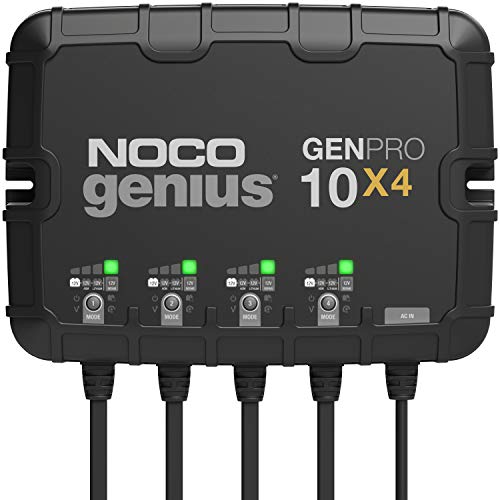 |
NOCO GENPRO10X4 12V 40A 4-Bank OnBoard Marine BatteryNOCO | Upgrade pick | 40A 4-bank marine charger | $424.95
Price as of 6 Oct 2026
|
View |
 |
Battery Tender 5 AMP 12V Battery Charger and Maintainer –Battery Tender | Our pick | 5A smart maintainer for 12V | $79.99
Price as of 6 Oct 2026
|
View |
 |
DBPOWER Peak 3000A 18000mAh Portable Car Jump Starter (upDBPOWER | Budget pick | 3000A jump starter, 18000mAh | $47.49
Price as of 6 Oct 2026
|
View |
 |
CTEK – 40-206 MXS 5.0 Fully Automatic 4.3 amp BatteryCTEK | Also great | 4.3A 8-step automatic charger | $97.99
Price as of 6 Oct 2026
|
View |
This comparison starts with battery health. The right pick depends on how long the car sits, what battery chemistry is installed, and whether the battery still has enough voltage for recovery.
A low-amp automatic maintainer is often a safe default for long storage. Faster units make sense when a battery needs a deeper recharge, but speed is not the same thing as care.
According to Best Car Battery Charger — OPTIMA says the D1200+ can charge flooded lead-acid, AGM lead-acid, or lithium-based 12-volt batteries.
How we chose
The shortlist is built around maintenance mode, float control, and overcharge protection. I also weighed chemistry support for flooded lead-acid, AGM, and 12-volt lithium, because wrong-mode charging is where a lot of battery damage starts.
Safety mattered too. Reverse-polarity protection, spark-free connectors, and clear hookup prompts are worth paying for when the battery sits in a dark garage for months.
Recovery limits were the last filter. Desulfation and reconditioning can help in some cases, but a charger that treats every dead battery as saveable is a bad buy.
NOCO Genius 1-style smart maintainer: best for long-term storage
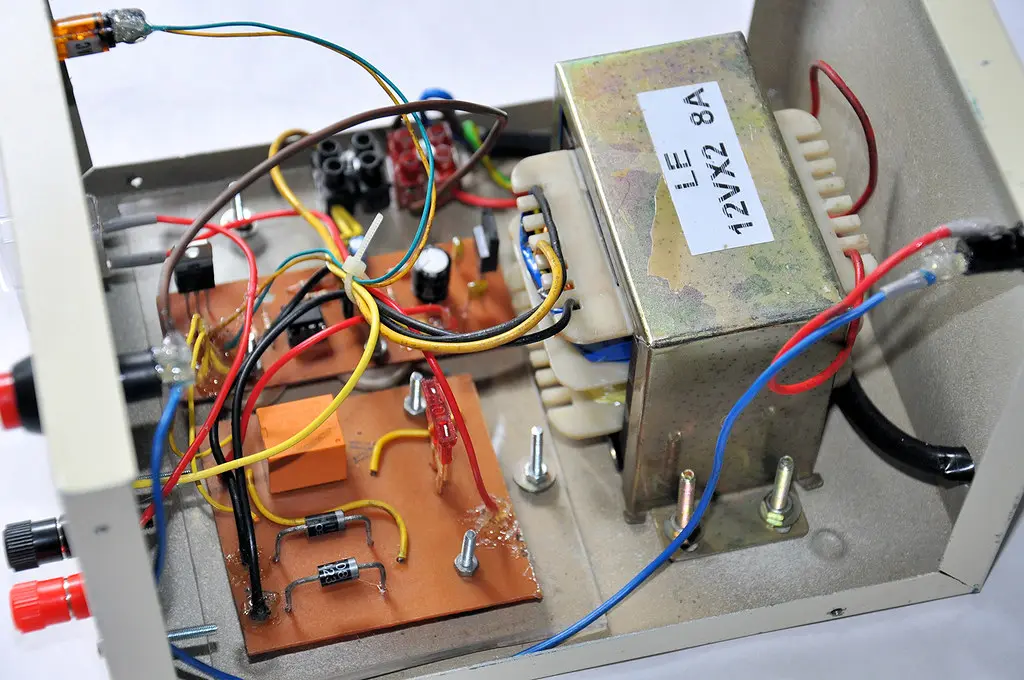
A 1-amp automatic maintainer is the cleanest fit for cars that sit for weeks or months. The lower current helps keep state of charge up without forcing the battery through unnecessary heat and stress, which is the kind of quiet damage that shortens battery life.
This is the right lane for drivers who want a set-and-forget maintainer, not a fast recovery tool. A NOCO Genius 1-style unit makes sense because low-amperage maintenance is usually kinder than speed when the goal is preservation.
The drawback is simple: a 1-amp maintainer is slow, so it is the wrong answer for a battery that is heavily discharged and needs an actual recharge first. It also will not rescue every battery that has fallen below common recovery thresholds.
Battery Tender Plus: best for simple plug-in maintenance
This is a good fit for drivers who want basic, low-drama battery upkeep. Based on the spec sheet and owner feedback, the appeal is steady float behavior, straightforward monitoring, and enough output to handle maintenance without feeling oversized for a stored street car.
Car and Driver describes a maintainer as supplying a small amount of power as needed, and that is the use case here. It keeps a healthy battery healthy. It is not built to revive a neglected one.
The drawback is that it is still a maintenance-minded charger, not a recovery machine. If the battery is deeply discharged, this class of charger may simply refuse to proceed or take far too long to be the right tool.
CTEK MXS 5.0: best for mixed battery types
This is the strongest fit for garages that deal with multiple battery chemistries, especially AGM-heavy vehicles. A fully automatic charger with a reconditioning function is useful when the battery is borderline, and the 4.3-amp class output gives it more pace than a pure trickle maintainer.
It is a better choice than a tiny maintainer when the battery needs a deeper top-off after sitting, but still needs controlled charging. That makes it useful for winter prep, seasonal storage, and batteries that have drifted down but are not dead.
The drawback is that faster, multi-stage charging is not always the gentlest answer for long storage. If the vehicle will sit for months, a smaller maintainer is usually easier on the battery than a unit built to do more work.
Which one should you buy
Choose the 1-amp style maintainer for winter storage, occasional garage parking, and any car that already starts well but needs to stay full. Pick the Battery Tender-style option if you want simple plug-in maintenance with minimal fuss.
Choose the CTEK if you have AGM batteries, a mixed fleet, or a battery that needs some recovery help before maintenance can begin. If the battery is deeply discharged, none of these should be treated as a guaranteed fix.
For recovery-heavy use, a faster charger can help more than a maintainer. Car and Driver calls the Schumacher SC1280 the fastest charging pick, and that is the category to look at when the battery needs a recharge rather than a caretaker.
What is the best car battery charger for keeping a battery healthy?
The best charger for battery health is a smart maintainer with automatic float mode, chemistry matching, and overcharge protection. For a stored car, low-amperage maintenance is usually better than fast charging because it supports state of charge without pushing the battery hard for no reason.
That matters most for cars that sit for weeks. A maintainer’s job is to keep the battery ready, not to act like a rescue tool every time voltage falls too far.
Do I need a charger or a maintainer for my car battery?
If the car sits only overnight or for a short trip cycle, a charger can top the battery back up. If it sits for weeks or months, a maintainer is the better tool because it monitors state of charge and adds only what is needed to keep the battery healthy.
A maintainer is designed for indefinite connection in many cases, provided the battery and charger are compatible and the charger has proper automatic control.
Can I leave a smart charger connected to my car battery all winter?
Yes, if the unit is a true maintainer with float mode, overcharge protection, and the correct chemistry setting. That is the setup meant for long storage, and OPTIMA says its D1200+ can be connected indefinitely without overcharging.
Do not leave a basic charger connected unless it is explicitly a maintainer. A dumb charger can overcook a battery, especially when the car is parked for long stretches.
What amperage charger is best for battery maintenance?
For maintenance, a low-amperage charger in the 1.0-amp class is usually the safest default. It charges slowly and steadily, which is what a healthy stored battery needs when the goal is to preserve condition rather than hurry the process.
Higher output becomes useful when the battery has already drifted down and needs a faster top-off. That is charging work, not maintenance work.
Will a battery maintainer work on AGM and lithium batteries?
Often yes, but only if the charger explicitly supports those chemistries and offers the correct mode. Car and Driver says chargers and maintainers can work with regular lead-acid, AGM, and lithium batteries, but the battery still needs the right profile. (caranddriver.com)
AGM batteries are common in many vehicles and need compatible charging behavior. Lithium 12-volt batteries are more specialized and should only be charged with a unit that names lithium support clearly.
How do I keep a car battery healthy while the car sits for weeks?
Use a smart maintainer, not a jump starter. Keep the battery on the maintainer during storage so the charger can monitor state of charge and feed only a small amount of power as needed, which is the kind of control that prevents slow decline.
- Confirm the battery chemistry before plugging in.
- Use the matching mode for flooded lead-acid, AGM, or lithium.
- Connect the clamps or leads correctly, with the charger unplugged if the manual calls for it.
- Leave the maintainer in place during storage if it is rated for that use.
- Check for error prompts instead of forcing the connection.
Can a battery charger recover a deeply discharged battery?
Sometimes, but there is a hard limit. OPTIMA says its D1200+ can recover deeply discharged batteries that many chargers will not charge below 10.5 volts, but that does not mean every dead battery is saveable.
If voltage is too low for too long, the battery may be beyond recovery. In that case, the charger is doing the right thing by refusing to pretend otherwise.
Charger-selection matrix
| Storage duration | Battery chemistry | Recommended amp output | Best maintainer type | Won’t fix if the battery is too far gone |
|---|---|---|---|---|
| Overnight to a few days | Flooded lead-acid | 1.0–3 amps | Smart charger with automatic finish and float mode | Below common recovery thresholds, especially after long neglect |
| One to four weeks | AGM | 1.0–2 amps | AGM-compatible maintainer with voltage monitoring | Battery that will not hold charge after full recharge |
| One to three months | Flooded lead-acid or AGM | 1.0-amp class | Automatic maintainer with indefinite float capability | Battery sitting below recovery voltage for too long |
| Seasonal storage | 12-volt lithium | Low output, lithium mode required | Smart charger with explicit lithium support | Any charger without a lithium profile |
| Deep recovery attempt | Flooded lead-acid or AGM | Higher than maintenance output | Recovery-capable smart charger with desulfation mode | Battery that drops under the charger’s minimum start threshold |
What safety features should I look for in a battery maintainer?
Look for reverse-polarity protection, spark-free connectors, and clear error prompts for bad hookup. Those features reduce the chance that a simple storage job turns into a damaged charger, a blown fuse, or a battery connection mistake.
Overcharge protection matters just as much. A true smart battery charger uses microprocessor control and maintenance mode so it can stop pushing once the battery is full.
Desulfation mode: useful, but limited
Some smart chargers add desulfation or reconditioning. That can help when a lead-acid battery has been lightly neglected, but it is not a cure for every dead battery and it will not fix physical battery failure.
If a battery is deeply discharged, sulfated, or has an internal fault, desulfation may do little or nothing. A charger that admits failure is more useful than one that promises miracles.
What charger settings work for AGM and lithium batteries?
AGM batteries need a charger that names AGM mode and uses the correct charging profile, because they are common automotive batteries with charging needs that differ from flooded lead-acid. Lithium 12-volt batteries need an even more specific mode, since they are less forgiving of the wrong charging behavior.
The wrong mode can create real damage. A charger that is fine for one lead-acid battery may be a poor match for an AGM unit or a lithium pack.
AGM charging profile basics
AGM batteries usually fit vehicles that ask for cleaner packaging and better resistance to vibration. They still need proper voltage control, and a maintainer should be explicitly compatible rather than vaguely “okay for most batteries.”
12-volt lithium compatibility checks
For lithium, look for a dedicated lithium setting and make sure the charger is built for 12-volt lithium use. Car and Driver notes that chargers and maintainers can work with lithium batteries, but only when they are the right kind of charger.
How do I choose the right charger for battery longevity?
Match the charger to how long the car sits, then match the chemistry. Overnight top-offs can use a smarter charger with more output, but multi-month storage usually calls for a low-amp maintainer with float control and a proven automatic mode.
Do not buy by peak amperage alone. The better question is whether the charger can keep a battery full without overcharging it, and whether it can do that safely for the battery type installed in the vehicle.
Frequently asked questions
What is the best car battery charger for keeping a battery healthy?
The best choice is a smart maintainer with automatic float mode, overcharge protection, and chemistry support for the battery in the car. For storage, a low-amperage unit in the 1–2 amp range is usually kinder to battery life than a fast charger.
Do I need a charger or a maintainer for my car battery?
Use a charger when the battery needs to be filled back up after use. Use a maintainer when the car sits for long periods and the battery only needs small amounts of power to stay healthy.
Can I leave a smart charger connected to my car battery all winter?
Yes, if it is a maintainer with proper float control and it is approved for that battery chemistry. That is the point of a maintainer: it can stay connected and keep the battery ready without cooking it.
What amperage charger is best for battery maintenance?
For maintenance, a 1.0-amp class charger is usually the safest pick. It is slow, but slow is often the right speed when the goal is to preserve a parked battery instead of forcing a fast recharge.
Will a battery maintainer work on AGM and lithium batteries?
Yes, if the maintainer explicitly supports those chemistries and has the correct mode selected. AGM is common in automotive use, and lithium needs a distinct charging profile, so generic compatibility is not enough.
Can a battery charger recover a deeply discharged battery?
Sometimes, but not always. Chargers with recovery or desulfation modes can help if the battery is not too far gone, yet a battery that falls below common recovery thresholds may need replacement instead of charging.
Products related to this article
Sponsored / affiliate links. As an Amazon Associate I earn from qualifying purchases. I may earn additional commission from eligible campaigns.