Should I Buy an Electric Car or Wait for Hydrogen: Proven
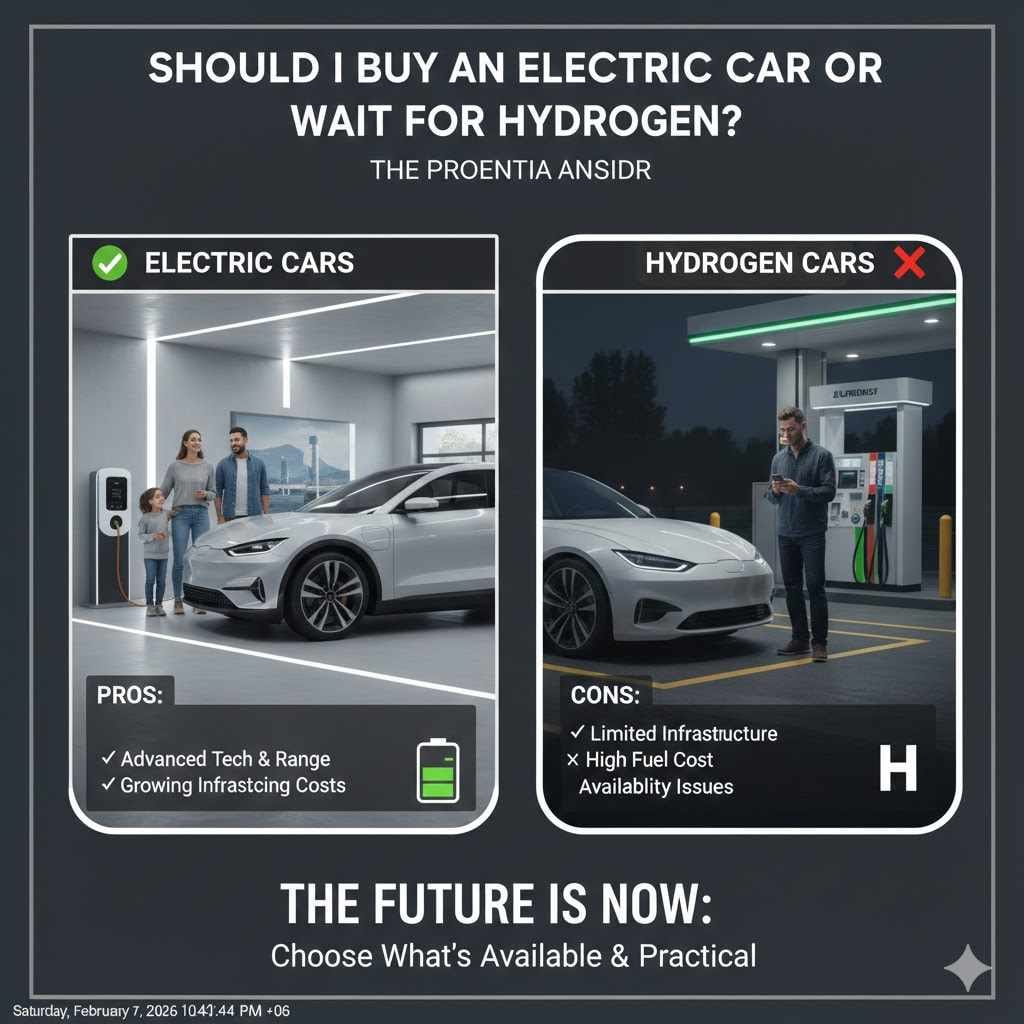
For most drivers today, buying an electric car is the proven and practical choice. EVs have a wide variety of models, a vast and growing charging network, and lower running costs. Hydrogen car technology is promising but faces major hurdles with refueling infrastructure and vehicle availability, making it a choice to wait on for now.
Thinking about a new car? The world of cars is changing fast. You hear about electric cars everywhere. But then you hear whispers about hydrogen cars. They sound like something from the future. It can be confusing. Which one is the right choice for you? It feels like a huge decision, and you don’t want to get it wrong.
Don’t worry. I’m here to help you understand the difference in simple terms. We will look at what each car is, how it works, and what it’s like to own one. We will break it all down, step-by-step. By the end, you’ll feel confident knowing which path is right for your garage and your wallet.
Electric vs. Hydrogen: What’s the Big Difference?
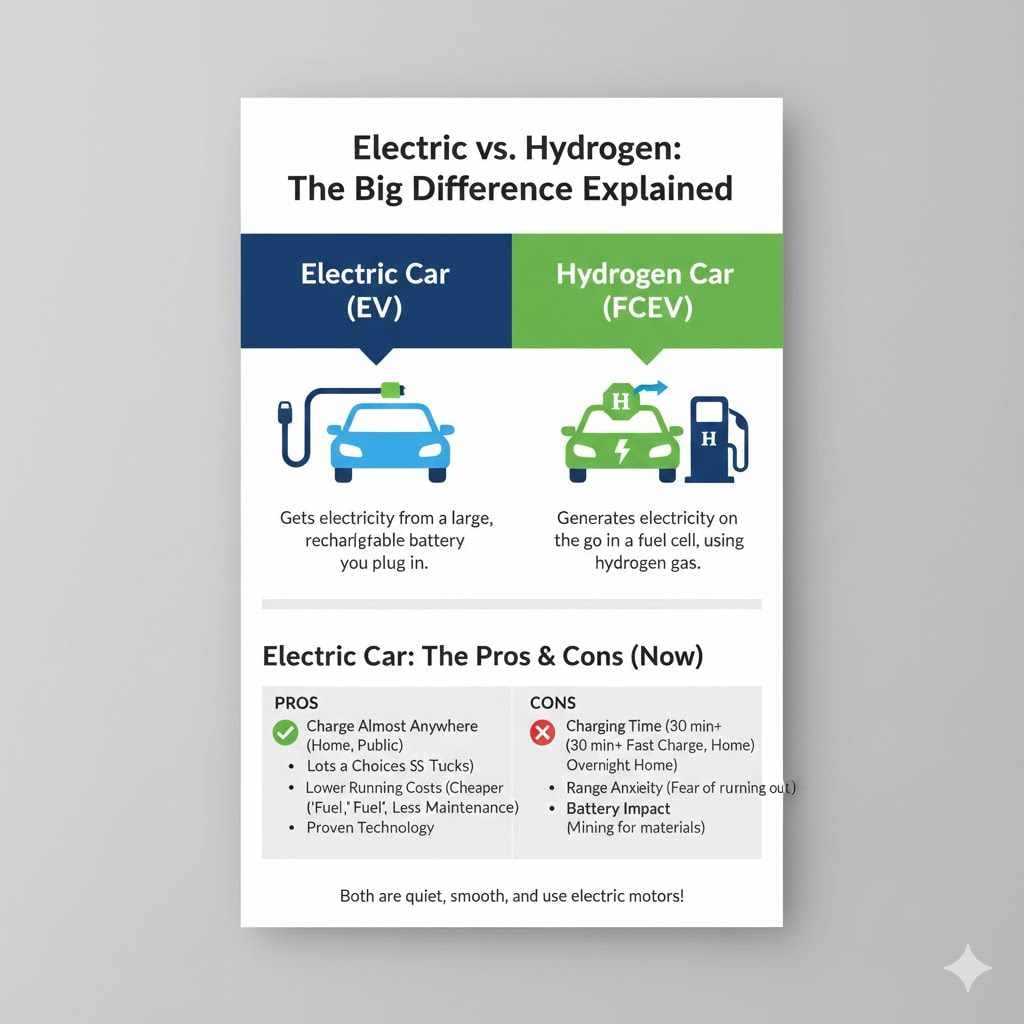
Let’s start with the basics. Both electric cars and hydrogen cars use electric motors to turn the wheels. That’s why they are both so quiet and smooth to drive. The real difference is where they get their electricity from. It’s like choosing between a phone with a rechargeable battery and one that makes its own power on the go.
Understanding the Electric Car (EV)
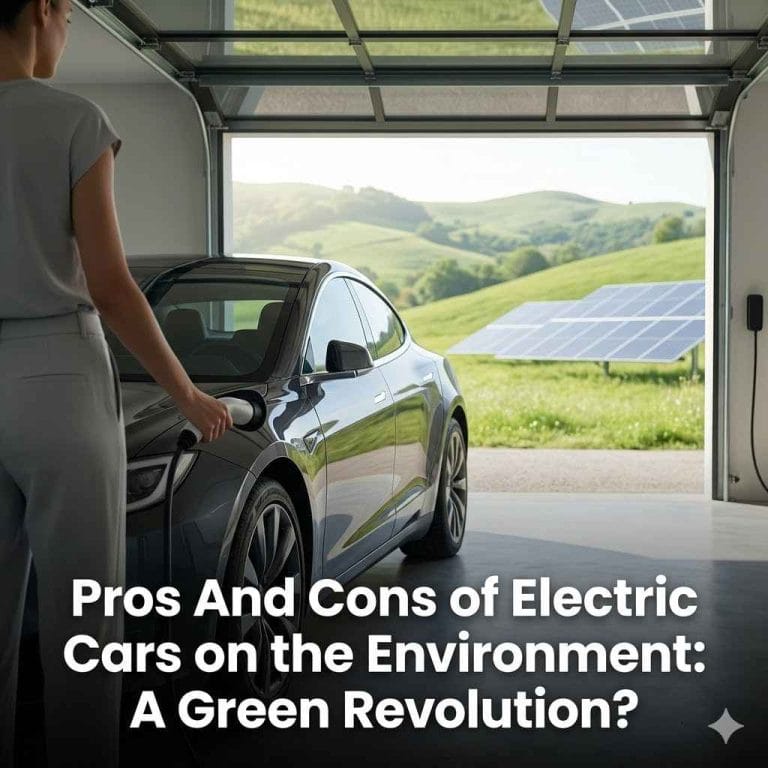
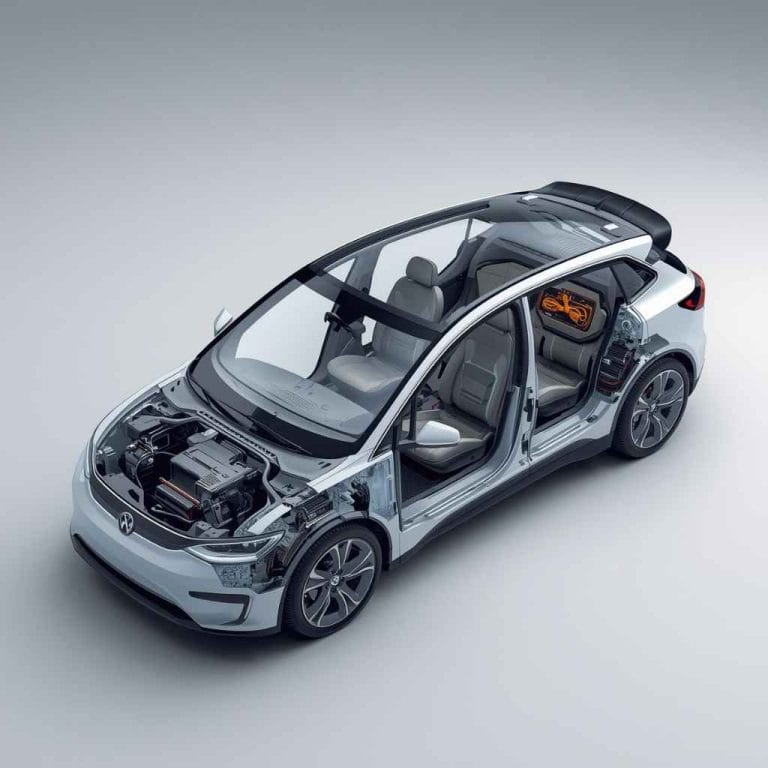
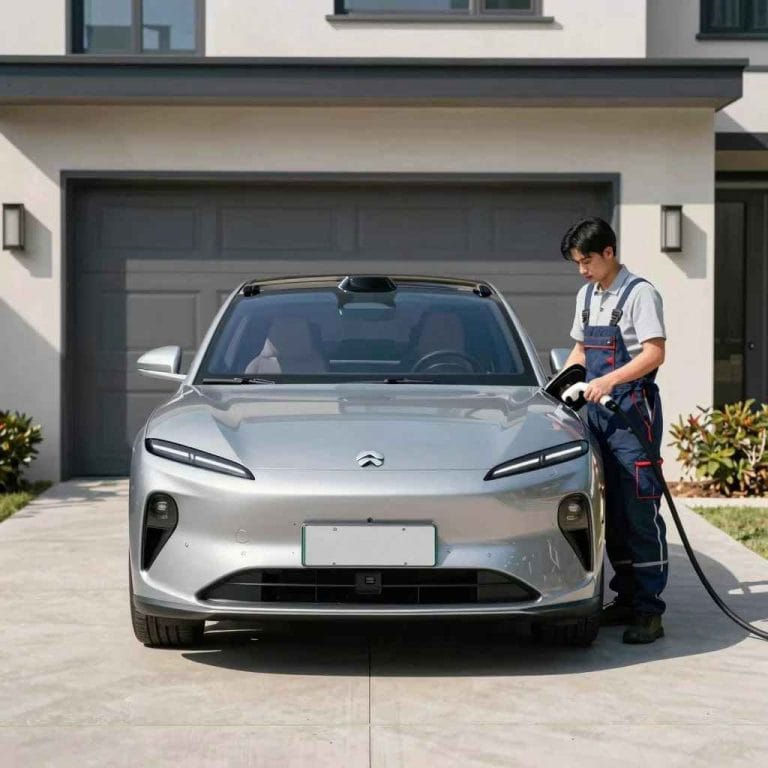
An electric vehicle, or EV, is pretty simple. Think of it like a giant smartphone on wheels. It has a large battery pack that you charge by plugging it into an outlet. You can charge it at home overnight, at work, or at a public charging station. Once the battery is full, you just unplug and drive.
Pros of Buying an Electric Car Now
- Charge Almost Anywhere: The biggest advantage is the charging network. There are thousands of public chargers across the country, and the network is growing every day. Plus, the best place to charge is right in your own garage while you sleep.
- Lots of Choices: Automakers are all-in on EVs. You can find electric sedans, SUVs, trucks, and sports cars. There is an EV for almost every need and budget.
- Lower Running Costs: Electricity is generally cheaper than gasoline. You’ll also save money on maintenance. EVs don’t need oil changes, spark plugs, or exhaust systems.
- Proven Technology: EVs have been on the road for over a decade. The technology is reliable, and we have a lot of real-world data on how they perform.
Cons of Buying an Electric Car
- Charging Time: While convenient, charging takes longer than filling a gas tank. A full charge at home can take all night. A fast charger can get you to 80% in about 30 minutes, but you still have to wait.
- Range Anxiety: This is the fear of running out of power before you reach a charger. While modern EVs have excellent range (many over 250 miles), it’s still a concern for some drivers, especially on long road trips.
- Battery Impact: Making the big batteries for EVs requires mining for materials like lithium and cobalt, which has an environmental impact.
Understanding the Hydrogen Fuel Cell Car (FCEV)
A hydrogen fuel cell electric vehicle, or FCEV, is a bit different. It’s still an electric car, but it has its own power plant on board. Instead of a giant battery, it has tanks that you fill with hydrogen gas. Inside a “fuel cell,” the hydrogen mixes with oxygen from the air. This creates electricity to power the motor. The only thing that comes out of the tailpipe is pure water!
Pros of a Hydrogen Car
- Super Fast Refueling: This is hydrogen’s star quality. Filling the tank with hydrogen gas takes about 3-5 minutes—just like filling up with gasoline.
- Long Driving Range: Many hydrogen cars have a range of over 300 miles on a single tank, which is competitive with both gas cars and long-range EVs.
- Zero Tailpipe Emissions: The only byproduct is water vapor. This means no harmful pollutants are released where you drive.
Cons of Waiting for a Hydrogen Car
- Almost No Fueling Stations: This is the biggest problem by far. As of today, nearly all public hydrogen stations are in California. If you don’t live there, you simply can’t own one. You can check the U.S. Department of Energy’s station map to see this for yourself.
- Very Few Models: Only a handful of hydrogen car models are available for lease or sale, and they are mainly from Toyota and Hyundai. The choice is extremely limited compared to EVs.
- High Fuel and Car Costs: Hydrogen gas is expensive, often costing more to drive per mile than gasoline. The cars themselves are also very expensive to build and buy.
- Energy Intensive: Creating pure hydrogen gas takes a lot of energy. If that energy comes from fossil fuels, then the overall environmental benefit is reduced.
Head-to-Head Comparison: EV vs. Hydrogen
Seeing the details side-by-side makes the choice much clearer. Let’s put these two technologies in the ring and see how they stack up on the issues that matter to you every day.
Infrastructure: Where Do You Get Your Power?
This is the most important factor for most people. A car is useless if you can’t fuel it. For EVs, the infrastructure is already here and is expanding rapidly. There are over 160,000 public charging ports in the United States. Most importantly, you can install a charger at your home, making your garage your personal fuel station.
For hydrogen, the picture is completely different. There are fewer than 60 public hydrogen stations in the entire country, with almost all of them located in California. There is no option for home refueling. This makes FCEVs impractical for nearly everyone living outside of specific areas in the Golden State.
Cost of Ownership: Your Wallet’s Vote
When you buy a car, you think about the sticker price and the cost to keep it running. Here’s how they compare.
| Cost Factor | Electric Car (EV) | Hydrogen Car (FCEV) |
|---|---|---|
| Upfront Price | Wide range from affordable to luxury. Government tax credits can lower the price. | Very high. Limited availability often means leasing is the only option. |
| Fuel Cost | Low. Charging at home is much cheaper per mile than gasoline. Public fast charging costs more but is still competitive. | High. Hydrogen fuel can cost significantly more per mile than gasoline or electricity. |
| Maintenance | Very low. No oil changes, spark plugs, or mufflers. Main costs are tires and brakes. | Lower than gas cars, but more complex than EVs. The fuel cell stack has a limited lifespan and can be expensive to replace. |
As you can see, EVs are the clear winner when it comes to saving money over the life of the car. Federal and state incentives, like the Clean Vehicle Credit, can make buying an EV even more affordable.
The Real-World Driving Experience
Both EVs and FCEVs offer a wonderfully quiet and smooth ride thanks to their electric motors. The acceleration is instant and silent. However, there are subtle differences.
- Electric Cars: The instant torque from the battery gives many EVs thrilling, sports-car-like acceleration from a stop. They feel quick and responsive in city traffic.
- Hydrogen Cars: They also have quick acceleration, but the power delivery often feels a bit more like a traditional gas car. The experience is less about raw, instant power and more about smooth, confident cruising.
The Verdict: Which Car Should You Choose Today?
After looking at the facts, the recommendation becomes very straightforward. We can break it down based on what kind of driver you are and where you live.
You Should Buy an Electric Car If…
- You are like most people. For daily commuting, running errands, and even many road trips, an EV is a practical, cost-effective, and enjoyable choice.
- You can charge at home. The ability to wake up with a “full tank” every morning is the single best part of owning an EV.
- You want lots of options. Whether you need a family SUV, a work truck, or a fun weekend car, there is an EV model for you.
- You want to save money on fuel and maintenance. The long-term savings of owning an EV are significant and proven.
You Should Wait for Hydrogen If…
- You live in a specific part of California with a dense network of hydrogen stations. And even then, an EV is likely still a more convenient choice.
- You absolutely cannot wait 30 minutes to charge on a road trip. If your job or lifestyle requires constant, long-distance travel with no time for charging stops, the 5-minute refuel time of an FCEV is appealing.
- You are an early adopter who is passionate about the technology. For now, owning an FCEV is more of a science experiment than a practical transportation solution for the average person.
The core message is this: Electric cars are the present. Hydrogen cars are, for now, the future. The infrastructure, market, and technology for EVs are years, if not decades, ahead of hydrogen for personal vehicles.
A Quick-Look Decision Guide
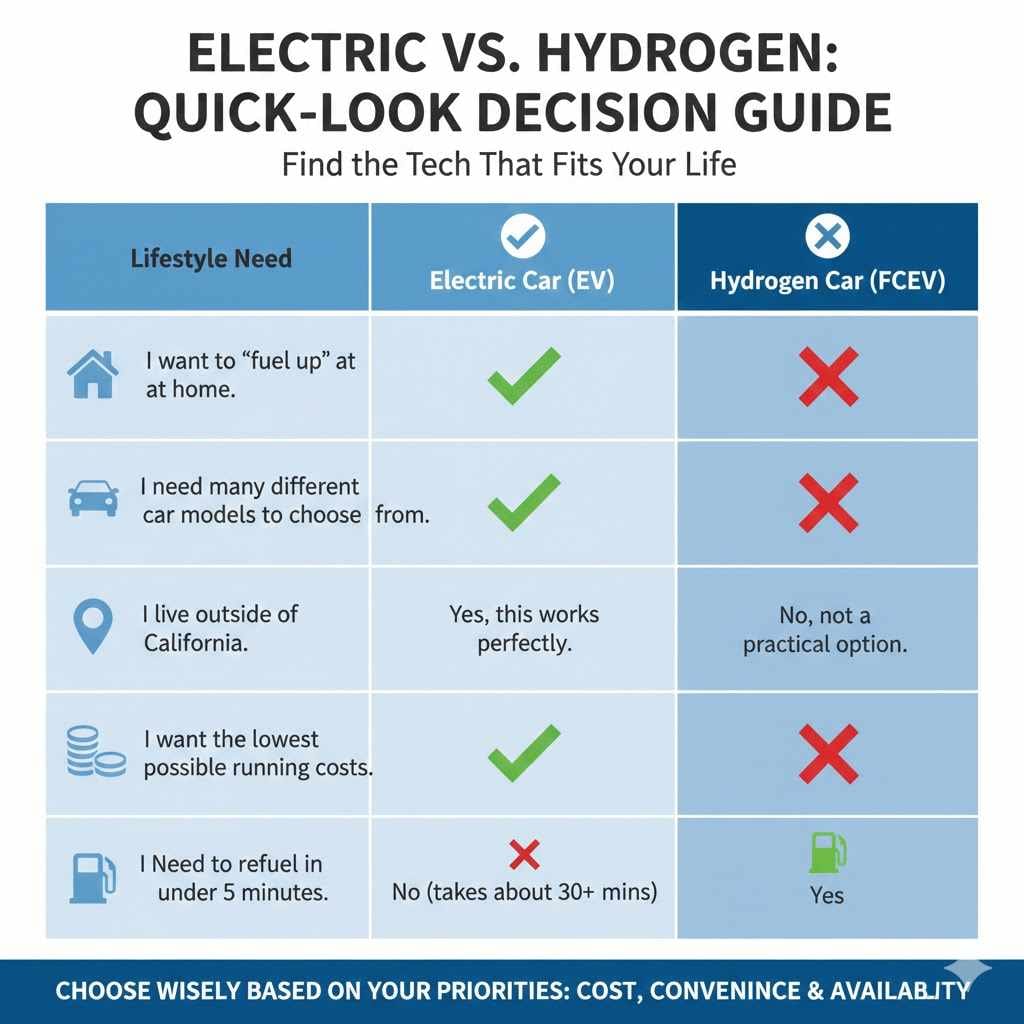
Still on the fence? Use this simple table to see which technology fits your life.
| Lifestyle Need | Electric Car (EV) | Hydrogen Car (FCEV) |
|---|---|---|
| I want to “fuel up” at home. | Yes | No |
| I need many different car models to choose from. | Yes | No |
| I live outside of California. | Yes, this works perfectly. | No, this is not a practical option. |
| I want the lowest possible running costs. | Yes | No |
| I need to refuel in under 5 minutes. | No (takes about 30 mins at a fast charger) | Yes |
Frequently Asked Questions (FAQ)
1. Are hydrogen cars truly better for the environment than electric cars?
It’s complicated. A hydrogen car’s tailpipe only emits water, which is great. But, making the hydrogen fuel is energy-intensive. If that energy comes from natural gas (“gray hydrogen”), it has a large carbon footprint. “Green hydrogen” made with renewable energy is much better, but it’s rare and expensive. EVs have a similar issue—they are only as green as the grid that charges them. For now, neither is perfect, but both are a big step up from gasoline.
2. How much does it cost to fill a hydrogen car’s tank?
Hydrogen is sold by the kilogram (kg). A typical FCEV holds about 5-6 kg of hydrogen. Prices can vary, but it often costs around $15-$20 per kg. This means a full tank can cost $75-$120, which is often more expensive per mile than driving a gas-powered car.
3. Will hydrogen cars ever become popular for everyday drivers?
It’s possible, but it’s a very long road ahead. For hydrogen to become mainstream, the world would need to build a massive and expensive network of fueling stations from scratch. Meanwhile, the EV charging network is already established and growing daily. Most experts believe hydrogen’s future is more likely in heavy-duty transport like trucking and shipping, not personal cars.
4. Is driving a hydrogen car safe?
Yes. Hydrogen cars are designed and tested to be just as safe as regular cars. The hydrogen is stored in extremely strong, carbon-fiber reinforced tanks that have undergone extensive crash and safety testing. In a crash, the systems are designed to safely vent the gas away from the vehicle.
5. What are the main disadvantages of an electric car today?
The three biggest disadvantages are the initial purchase price (though credits help), the time it takes to recharge on long trips compared to a gas station fill-up, and the potential for battery degradation over many years (though modern batteries are warrantied for a long time).
6. Can I install a hydrogen fuel pump at my home?
No, this is not possible for consumers. Hydrogen refueling technology is complex, high-pressure, and requires specialized industrial equipment. Unlike EV chargers, home hydrogen stations are not available.
7. Which car is cheaper to run day-to-day, an EV or a hydrogen car?
An electric car is significantly cheaper to run. Charging an EV at home can cost just a few dollars for a full “tank.” A full tank of hydrogen, as mentioned, can cost close to $100. Over a year of driving, an EV owner will save hundreds, if not thousands, of dollars on fuel costs compared to an FCEV owner.
Conclusion: Your Confident Path Forward
Choosing a new car is a big deal, and it’s smart to look at all the options. When you weigh the evidence, the choice between buying an electric car now or waiting for hydrogen becomes clear. Electric cars are a proven, practical, and financially smart choice for the vast majority of drivers today. The technology is mature, the selection is huge, and the charging network is ready for you.
Hydrogen fuel cell technology is fascinating and holds promise for the future, especially for other types of transportation. But for your driveway, it remains a technology of tomorrow. By choosing an electric car today, you’re not making a risky bet; you’re stepping into a well-established world that offers a quieter, cheaper, and more enjoyable way to drive. You can make this decision with confidence, knowing you are choosing the road that is ready for you right now.