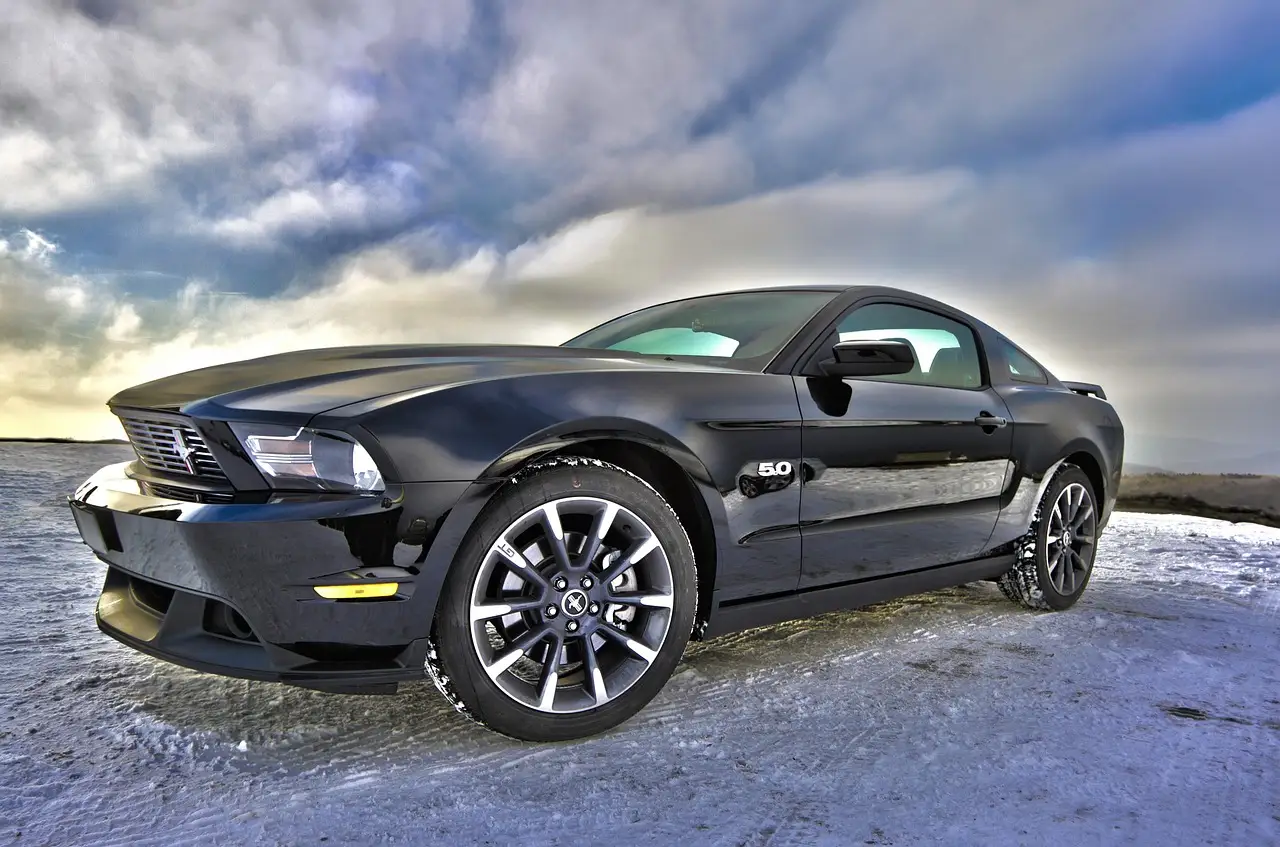
Best Car Batteries for Winter Trips: Based on Specs and Reviews
The best car batteries for winter road trips are AGM models with the right group size, terminal layout, and enough cold-start margin for your vehicle’s factory spec. For repeated freezing starts and long sits, a strong pick is the Odyssey ODX-AGM3478 Extreme Series AGM Battery because it pairs about 850 CCA with dual top-post and side-terminal connections and a group 34/78 fitment.
Quick comparison
| Product | Badge | Best for | Price | ||
|---|---|---|---|---|---|
 |
OPTIMA® Batteries High Performance 25 REDTOP® Sealed AGMOPTIMA | Our pick | 25 REDTOP · 720 CCA · AGM | $254.30
Price as of 17 Oct 2026
|
View |
 |
Odyssey Battery ODX-AGM3478 Extreme Series AGM BatteryOdyssey | Also great | Group 34/78 · 850 CCA · AGM | $411.82
Price as of 17 Oct 2026
|
View |
 |
Weize Platinum AGM Battery BCI Group 49-12v 95ah H8 Size 49WEIZE | Budget pick | Group 49 H8 · 900 CCA · AGM | $189.99
Price as of 17 Oct 2026
|
View |
Use this table to match the battery to the trip, not only to the CCA number. A battery that fits poorly or charges slowly can be the wrong choice even if its cold-start rating looks strong.
How we chose
This ranking uses four checks first: fitment, cold-start output, reserve capacity or amp-hours, and whether the battery suits stop-start use. Winter road trips also reward low self-discharge, fast recharge behavior, and a terminal layout that matches the vehicle cables.
CCA matters for freezing starts, but it is not the whole decision. Reserve capacity and amp-hour rating help with parked time and accessory-heavy driving, while AGM construction usually brings spill resistance, vibration resistance, and better recharge behavior than a basic flooded battery.
| Best for | Model | Cold-start spec | Energy/storage clue | Fitment note | Price |
|---|---|---|---|---|---|
| Repeated cold starts and mixed winter driving | Odyssey ODX-AGM3478 Extreme Series AGM Battery | 850 CCA | Group 34/78 fitment; long reserve capacity | Dual top-post and side-terminal connections | $411.82 |
| Accessory-heavy winter trips on a tighter budget | Weize Platinum AGM Battery Group 49 H8 | 900 CCA | 95 Ah, 160 RC | Group 49 H8; 13.9" x 6.89" x 7.48" | $189.99 |
| Smaller vehicles that still need AGM reliability | OPTIMA 25 REDTOP Sealed AGM Battery | 720 CCA | 44 Ah, 90 minutes reserve capacity | Group 25; SAE terminal | $254.30 |
For winter road trips, the best battery is the one that fits the car, matches the terminal type, and gives the charging system enough margin for cold weather. The most powerful spec is not useful if the tray, hold-down, or cable ends do not match.
Odyssey ODX-AGM3478 Extreme Series AGM Battery: best for repeated cold starts
This is the strongest fit for drivers who face repeated freezing starts, mountain stops, and modern vehicles that expect an AGM-style battery. The listed 850 CCA is the highest cold-start number in this group, and the group 34/78 format plus dual top-post and side-terminal connections make fitment more flexible for vehicles that use that layout.
What stands out is the balance of starting power and winter-friendly construction. AGM batteries are sealed, maintenance-free, and vibration resistant, which matters on rough winter roads and in vehicles that sit outside for days before the next start. The battery is also designed for stop-start technology, which points to stronger cycle life than a basic flooded battery.
The drawback is cost. At $411.82, this is the most expensive option here, and its benefits matter most when the vehicle actually requires a 34/78 fitment and a higher-output battery profile. If your owner’s manual calls for a smaller group or a different terminal arrangement, this is not the right buy no matter how strong the CCA looks.
Who should choose it?
Choose this battery if your winter trips include short city hops, mountain lodging, long overnight parking, or a modern car with stop-start hardware. It suits drivers who need a battery that can support repeated cold cranking without forcing a compromise on fitment.
What to check before buying
Confirm the group size first. Then verify whether your vehicle needs top posts, side posts, or both. A 34/78 battery can fit many applications, but the wrong cable layout or hold-down shape can make installation awkward or impossible.
Picture a car that sits outside for two nights at 10°F, then gets started before dawn for a highway run. That use case rewards the battery with the strongest starting margin and the best chance of recovering quickly once the alternator is running again.
Weize Platinum AGM Group 49 H8: best for long-sit winter trips
This battery may suit winter travelers who leave the vehicle parked for days, run accessories more often, or want more storage capacity in a large-fitment AGM. The listed 95 Ah capacity and 160 RC suggest relatively strong energy storage, and the 900 CCA rating is a solid cold-start figure for freezing weather.
The appeal is not only the starting number. Amp-hour capacity helps compare how much energy the battery can hold, and reserve capacity helps with short-trip winter driving where the alternator may not fully replace what was taken out on the previous start. It is also designed for stop-start vehicles, which points to a stronger cycle-life profile than many basic batteries in the same price band.
The drawback is size. Group 49 H8 is large, and the 13.9-inch length is a fitment issue for vehicles that were not built for that case size. You should also confirm that the terminal layout and hold-down hardware match before you buy, because a strong spec sheet does not fix a wrong tray.
OPTIMA 25 REDTOP Sealed AGM Battery: best for smaller vehicles
This is the better fit for smaller winter-road-trip vehicles that need AGM durability but do not require the largest case or the highest cold-start figure. It is a group 25 battery with 720 CCA, 44 Ah capacity, and 90 minutes of reserve capacity, so it suits drivers who want dependable starting and a more compact footprint.
The strengths are maintenance-free convenience, vibration resistance, and the sealed AGM format. Those traits matter when the car spends nights in freezing weather and the driver wants a battery that needs little attention between trips. The SAE terminal also makes it a straightforward match for vehicles built around that post style.
The drawback is that its numbers are lower than the larger AGM options here. The 720 CCA rating is still substantial, but it is less suited to heavier electrical loads, longer parked periods, or larger engines that already ask for more from the starting system.
Which one should you buy?
If you want the strongest all-around winter-trip pick, start with the Odyssey ODX-AGM3478. It has the highest cold-start rating in this group and a flexible fitment layout for vehicles that use group 34/78.
If your vehicle is larger, parked for longer stretches, or accessory-heavy, the Weize Platinum AGM makes more sense because its 95 Ah capacity and 160 RC point toward better storage for winter use. If your car takes a smaller battery, the OPTIMA 25 REDTOP is the safer fitment-first choice.
Do not buy only on CCA. The correct group size, terminal type, and charging profile matter more than a bigger number that does not fit your car. For stop-start vehicles, AGM is usually the safer path because it is built for more charge-discharge cycling.
Winter battery decision matrix
Use this matrix to match the battery to the trip pattern, not to a single spec line. CCA, reserve capacity, and amp-hours solve different problems, so the right answer changes with climate, parking time, and electrical load.
| Climate severity | Trip length | Vehicle type | Accessory load | Required CCA band | Preferred chemistry | Pre-trip checks | Recommend? | Short rationale |
|---|---|---|---|---|---|---|---|---|
| Below freezing, frequent overnight parking | 1-3 days | Stop-start sedan or crossover | Moderate | Match OEM spec, often 700 CCA or higher | AGM | Age, resting voltage, corrosion, cable condition, alternator output | Yes | AGM handles repeated starts and recoveries better in winter use. |
| Deep cold, mountain route | Several days | Truck or SUV | High | Match OEM spec or higher if the manual allows it | AGM | Group size, terminal type, tray clearance, charging rate | Yes | Higher reserve and stronger fitment margin matter when starts are repeated. |
| Mild winter, short commute, short stops | Daily use | Compact car | Low | OEM spec only | Flooded or AGM if specified | Voltage, age, terminal condition | Yes | OEM fitment matters more than chasing a much larger battery. |
| Very cold, parked for a week | Long sit | Any vehicle | Low to moderate | OEM spec with strong margin | AGM with low self-discharge | Resting voltage, parasitic draw, battery age | No, unless charging support is available | Even a healthy battery can go flat if the vehicle sits too long in cold weather. |
How do you choose the right one?
Start with the owner’s manual and match the battery group size first. Group 94R, 34/78, 25, and 35 are common physical fitment standards, so the tray, hold-down, and terminal layout need to line up before any spec comparison matters.
Next, read CCA, reserve capacity, and amp-hours together. CCA helps with freezing starts, reserve capacity gives a clue about support for winter accessory use and short-trip driving, and amp-hours help compare energy storage for long sits or heavier loads.
Then confirm terminal type. SAE posts, dual SAE and GM posts, and tapered terminals are not interchangeable in practice, and cable compatibility can decide whether a battery is a direct fit or a frustration.
- Check the exact group size in the owner’s manual or on the old battery label.
- Confirm terminal type and cable orientation before ordering.
- Review CCA against the OEM spec, not against a random benchmark.
- Compare reserve capacity and amp-hours if the trip includes long sits or accessory use.
- Look for AGM if the vehicle uses stop-start technology or spends a lot of time in deep cold.
- Check battery age, resting voltage, terminal corrosion, cable condition, and alternator output before a winter trip.
A battery marked with an operating temperature range such as -22°F to 158°F can be a helpful durability clue, but it is not a full guarantee of winter performance. Real-world fit depends on the vehicle’s charging system, the battery’s age, and whether the case and terminals actually match the car.
How to protect car battery in winter starts with keeping the car charged, driving it long enough to replace the energy used on startup, and fixing corrosion before it spreads. Low self-discharge matters after the car sits for days, because winter parking plus parasitic draw can drain a weak battery faster than many drivers expect.
How to maintain rv battery over winter is a different job and should not be treated like a car-road-trip battery plan. For a vehicle battery, the useful habit is simple: keep the battery fully charged, disconnect only when the vehicle and manual allow it, and recheck voltage before the next trip.
Say your crossover is parked outside for four nights before a ski trip, then asked to start at dawn with the heater, defroster, and headlights running. The safer choice is an AGM battery with the correct group size, not a larger random battery that does not fit the tray or cable ends.
Suppose a truck spends winter weekends on highway trips but sits idle for most of the week. In that case, reserve capacity, amp-hours, and low self-discharge matter more than a small gain in CCA, because the battery must recover after sitting cold for days.
Frequently asked questions
What is the best car battery for winter road trips?
The best choice is usually an AGM battery that matches the vehicle’s group size and terminal layout, with enough CCA to meet or slightly exceed the OEM spec. For repeated cold starts, the Odyssey ODX-AGM3478 is the strongest pick in this group because it combines 850 CCA with dual connection options.
How do I choose a car battery for cold weather driving?
Start with fitment. Then compare CCA, reserve capacity, and amp-hours together. AGM is often the better winter choice for stop-start vehicles, long sits, and rough roads because it is sealed, maintenance-free, and more vibration resistant than a basic flooded battery.
Is AGM better than lead-acid for winter road trips?
AGM is usually better for winter road trips because it handles repeated starts, cold parking, and vibration well, and it tends to recharge faster. A flooded lead-acid battery can still work if the vehicle calls for it, but it is less forgiving in stop-start and accessory-heavy use.
How many cold cranking amps do I need for winter starting?
Use the vehicle’s OEM requirement first. A battery with more CCA than the minimum can help in freezing weather, but more is not automatically better if the fitment is wrong or the charging system is weak. The right answer depends on the engine size, climate, and factory spec.
Will a bigger battery help my car start in the cold?
Only if the larger battery still fits the tray, matches the terminals, and stays within the vehicle’s charging limits. Bigger amp-hours can help with long sits and accessory use, but a larger case is not a fix for a weak alternator, bad cables, or the wrong group size.
How do I keep my car battery alive through winter?
Keep it charged, drive long enough to replace startup draw, and clean corrosion from the terminals before it builds up. Check battery age, resting voltage, cable condition, and alternator output before a trip, because a weak charging system can make a good battery fail early in cold weather.
Products related to this article
Sponsored / affiliate links. As an Amazon Associate I earn from qualifying purchases. I may earn additional commission from eligible campaigns.