Best OEM Car Batteries vs Aftermarket Replacements
OEM batteries are the safer default for European cars, stop-start systems, and any vehicle that codes battery changes; quality aftermarket batteries are usually fine for older, simpler cars if group size, CCA, terminal layout, and chemistry match. Get it wrong, and you can trigger charging faults, shorten battery life, or void part of the warranty. This guide compares fitment, coding, warranty risk, and failure cost so you can choose the lower-risk battery for your vehicle.
| Decision factor | Best OEM car batteries | aftermarket replacements | Winner |
|---|---|---|---|
| Fitment and vehicle coding | Built for the factory spec, including model-specific sizing and electrical requirements. | Works only when the exact size, terminal layout, chemistry, and ratings match the car. | Best OEM car batteries |
| Warranty sensitivity | Lower risk where dealer service history, battery registration, or warranty scrutiny matters. | Can be fine, but a mismatch can complicate a battery claim or raise questions during diagnosis. | Best OEM car batteries |
| Total ownership cost | Higher parts cost is more common, but it may reduce repeat-fit and coding risk on complex cars. | Usually lower upfront cost, with the main savings coming from the parts price itself. | aftermarket replacements |
| Best-fit use case | European prestige cars, stop-start systems, and vehicles with battery coding or strict electrical control. | Older non-coded cars and simpler charging systems where the spec is matched carefully. | Tie |
| Failure risk if mismatched | Lower when supplied to the exact vehicle requirement. | Higher if reserve capacity, CCA, chemistry, or BMS registration is off by even a small margin. | Best OEM car batteries |
Best OEM car batteries vs aftermarket replacements
The real trade-off is failure risk, installation cost, and warranty exposure, not brand badge value. Best OEM car batteries and manufacturer-approved equivalents usually make sense when coding, electronics, and warranty exposure make a mismatch expensive; aftermarket replacements win when the vehicle is simpler and the replacement battery matches the original spec exactly.
Fitment and electrical requirements
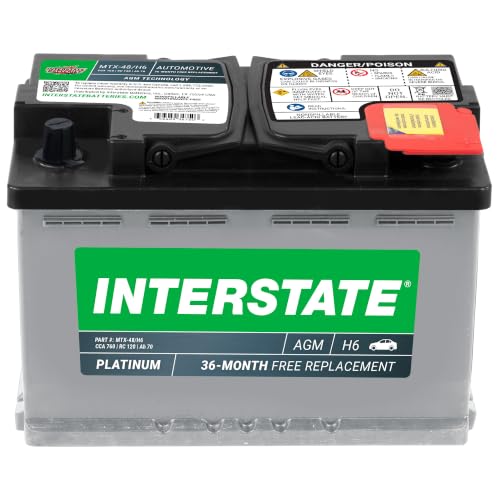
An OEM car battery is the manufacturer-specified fit, built to the factory performance standard for that exact vehicle. A manufacturer-approved battery is an OEM-equivalent option that carries model-specific compatibility and factory-aligned performance, while an aftermarket replacement battery is a non-OEM alternative that may vary by quality and spec match.
Fitment means more than case size. Terminal layout, polarity, group size, chemistry, reserve capacity, and cold-cranking amps all have to match the vehicle’s electrical load and starting needs.
Coding, registration, and modern electronics
Modern European vehicles often need battery coding and registration after replacement. That process uses a diagnostic tool to tell the vehicle’s electrical system what battery was installed, so charging strategy and preserved performance settings stay aligned with the new unit.
Skipping registration can leave the battery management system guessing. The result can be undercharging, overcharging, incorrect charge strategy, or short battery life, especially on cars with stop-start systems or tightly managed alternators.
Total ownership cost
The cheapest battery on the counter is not always the cheapest battery over time. Add coding labour, installation time, charge-system checks, and the cost of an early replacement if the spec is wrong, and the gap can shrink fast.
That is why a low upfront price only matters when the vehicle is tolerant of a straightforward swap. For complex cars, the cost of getting it wrong can exceed the price gap between OEM and aftermarket parts.
OEM vs aftermarket battery fit test
| Vehicle type | Battery chemistry | Coding required | Warranty sensitivity | Expected risk if mismatched | Recommended choice |
|---|---|---|---|---|---|
| European prestige car | Match the original spec exactly, often AGM or an approved equivalent | Yes | High | Charging faults, warning lights, battery-management errors | Best OEM car batteries |
| Stop-start commuter | AGM or EFB, depending on the factory fit | Usually yes | Medium to high | Poor stop-start function, undercharging, short service life | Best OEM car batteries |
| Cold-climate daily driver | Spec-matched battery with the right CCA rating | Sometimes | Medium | Slow cranking, no-start issues in low temperatures | aftermarket replacements |
| Hot-climate vehicle | Spec-matched battery with heat-tolerant construction | Usually no | Low to medium | Accelerated heat stress, sulfation risk, early replacement | aftermarket replacements |
| Older non-coded car | Standard flooded or matched chemistry | No | Low | Mainly fitment or terminal mismatch | aftermarket replacements |
| Budget replacement | Whatever matches the factory spec and charging system | Depends on vehicle | Low to medium | Premature failure if quality or spec is off | aftermarket replacements |
European prestige car
European prestige cars usually carry the highest risk from a mismatch because the battery is part of the electrical strategy, not just a starting component. If the car needs registration or coding, the safer pick is Best OEM car batteries or a manufacturer-approved battery matched to the exact model.
Stop-start commuter
Stop-start systems rely on the battery type and charge profile being right. If the original battery was AGM or EFB, replacing it with the wrong chemistry can weaken stop-start function and increase wear on the charging system, so Best OEM car batteries are the lower-risk choice.
Cold-climate daily driver
Cold starts punish weak batteries. A quality aftermarket replacement is usually enough if the group size, terminal layout, chemistry, and CCA rating match the car, because the key issue is cranking performance rather than coding complexity.
Hot-climate vehicle
Heat increases battery stress and can speed sulfation when the charging system is not matched well. In a simpler vehicle, a carefully matched aftermarket replacement is often enough, provided the battery spec fits the car and the charging system tests clean.
Older non-coded car
Older vehicles with simple charging systems and no battery registration requirement are the easiest case for aftermarket parts. If the fit, polarity, and rating match, a quality replacement is usually the practical choice.
Budget replacement
Budget matters more when the vehicle is tolerant of a standard battery swap. A common first-timer mistake is buying by price alone and ignoring reserve capacity or terminal layout; that saves little if the battery has to be replaced early.
Do European cars need battery coding and registration?
Many modern European cars do. Battery coding and registration tell the vehicle’s electrical system what was installed, which helps preserve charging strategy and performance settings after replacement. If the car expects that update and does not get it, the battery may be charged incorrectly.
Why a diagnostic tool matters
A diagnostic tool is often required because the battery change has to be recorded in the vehicle’s control modules. Without that step, the system may keep using the old battery profile, which can confuse the alternator strategy and shorten service life.
What goes wrong if the BMS is not updated?
A stale battery-management-system setting can cause undercharging, overcharging, or a false impression that the battery is weak. Over time, that can trigger sulfation, repeat start issues, and complaint codes that point to the battery even when the root problem is the registration step.
Memory settings and electrical adaptation
Replacement should keep memory settings alive where possible, especially on cars with stored radio presets, window limits, or learned shift behavior. Safe power supply maintenance during the swap helps preserve those settings while the old battery is out.
When is an OEM or manufacturer-approved battery worth it?
An OEM or manufacturer-approved battery is worth the extra cost when the vehicle has tight fitment, complex charging logic, or high warranty exposure. It is also the better choice when a mismatch would cost more than the price gap between the parts.
Vehicles with tight fitment and high electrical load
Prestige models, stop-start cars, and vehicles with dense electronics are sensitive to reserve capacity, CCA, and chemistry. In those cases, an approved battery reduces the chance of charging faults, adaptation problems, and repeat installations.
Cars where warranty sensitivity is high
Will an aftermarket battery void my warranty? Not automatically, but a poor match can create a dispute if the battery choice or installation contributes to a failure. If the vehicle is new, leased, or still under close warranty scrutiny, factory-aligned parts are usually safer.
Cases where mismatch risk is greater than the price gap
When the battery sits inside a managed electrical system, the real cost includes coding, diagnosis, and the risk of early replacement. If that risk matters more than saving a little on the part, Best OEM car batteries or a manufacturer-approved equivalent are the better buy.
When is an aftermarket replacement enough?
An aftermarket replacement is enough when the battery spec matches the car and the charging system is simple. Older non-coded vehicles, basic daily drivers, and many budget replacements fit that category if the chemistry, size, and terminal layout are correct.
Matching chemistry, size, and performance spec
Good fit means the replacement matches the original battery’s chemistry, reserve capacity, and cold-cranking amps. If those details line up, a quality aftermarket replacement can perform well without dealer sourcing.
Why older cars and simpler charging systems have lower risk
Older cars usually do not depend on battery registration or a tightly managed battery-management system. That lowers the penalty for choosing a non-OEM part, as long as the replacement is secured correctly and the charging system tests normally.
When budget matters more than dealer sourcing
If the vehicle is older and the battery is a routine wear item, the lowest-risk low-cost choice may be a matched aftermarket replacement. Buy on specification, not on price alone.
- Check the battery group size, terminal layout, chemistry, and CCA on the old battery or owner information.
- Confirm whether the car needs battery coding or registration after installation.
- Match reserve capacity and stop-start requirements to the original spec.
- Keep power supplied where needed so memory settings stay intact.
- Fit the battery securely, then test charging and electrical output.
- Recycle the old battery through a proper collection route.
Choose Best OEM car batteries if… / Choose aftermarket replacements if…
Choose Best OEM car batteries if the vehicle needs battery coding, exact fitment, stop-start compatibility, or stronger warranty protection. Choose aftermarket replacements if the car is older, non-coded, and the new battery matches the exact chemistry, size, CCA, and terminal layout.
Choose Best OEM car batteries if…
Use them for European prestige cars, battery-managed vehicles, and any model where coding or registration is part of the replacement procedure. They are also the safer call when a mismatch could trigger faults or complicate a warranty claim.
Choose aftermarket replacements if…
Use them when the vehicle is simple, the spec match is exact, and the installation includes a charging and electrical system test. This is often the better value choice for older cars and budget-conscious replacements.

Trust signals and service checks
Cox Auto says it has nearly half a century of experience in battery replacement. The service rates 4.6 from 1253 reviews, offers a one-year parts guarantee, and replaces a battery that fails within 12 months.
The service says it uses OEM- or manufacturer-approved batteries and notes that battery replacement can matter for some modern European vehicles with coded batteries; it also says the process may include battery registration and coding, maintaining a safe power supply during replacement, testing and calibrating charging and electrical systems, and visually checking wiring for wear, corrosion, or connection faults. Cox Auto specializes in European cars and says it has a VicRoads accredited inspector credential.
Frequently asked questions
Are OEM car batteries better than aftermarket batteries?
Not always. OEM batteries are better when the vehicle needs exact electrical matching, coding, or stronger warranty protection. A quality aftermarket battery can be just as appropriate for a simpler car if the chemistry, size, terminal layout, and electrical ratings match the original spec.
Will an aftermarket battery void my warranty?
Usually not by itself. The risk comes when the battery does not match the vehicle’s requirements, is installed poorly, or is not registered where the car expects coding. Keep the spec correct, document the installation, and the warranty risk drops sharply.
What is the difference between OEM and manufacturer-approved batteries?
OEM batteries are the original manufacturer-specified parts for the vehicle. Manufacturer-approved batteries are equivalent options that are approved for that model and aligned with factory requirements, but they are not the same thing as dealer-supplied original parts.
How long should a replacement car battery last?
There is no single number that fits every vehicle. Battery life depends on heat, charging health, driving pattern, battery chemistry, and whether the replacement was coded and matched correctly. A good install also includes charging system testing, because a bad alternator can shorten life fast.
How do I know if my battery needs OEM replacement?
If the car has battery coding, stop-start, a prestige European electrical system, or a warranty-sensitive lease or new-car period, OEM or a manufacturer-approved battery is usually the safer call. If the vehicle is older and simple, a matched aftermarket replacement is often enough.
Products related to this article
Sponsored / affiliate links. As an Amazon Associate I earn from qualifying purchases. I may earn additional commission from eligible campaigns.