How Much Does a Car Battery Cost? Price Factors Explained
A replacement 12-volt car battery usually costs about $120 to $350 installed, though start-stop vehicles, AGM batteries, and dealer coding can push it higher. Ignore fitment and you can buy the wrong size, strain the charging system, or pay a second labor charge. This guide breaks down installed pricing, battery chemistry, vehicle electronics, warranty effects, and the options that move the final bill.
Battery cost worksheet


This worksheet splits the bill into the pieces people often mix together. The sticker price is only one part. Core charge, labor, diagnostics, programming, and tax can change the amount you pay at the counter.
| Line item | Fill in | Notes |
|---|---|---|
| Battery price | $_____ | List price for the correct group size and battery type. |
| Core charge | $_____ | Refundable after you return the old battery. |
| Labor | $_____ | Install fee, if the seller installs it. |
| Diagnostics / programming | $_____ | Battery registration, memory saver use, or reset work on some vehicles. |
| Tax | $_____ | Sales tax on parts and, in some places, service. |
Worked example: basic flooded battery
Suppose a compact sedan uses a flooded lead-acid battery priced at $140. Add a $20 core charge, $30 labor at an independent shop, no programming fee, and $12 tax. The out-the-door total is $202 before any core refund is processed.
Worked example: AGM stop-start battery
Say your stop-start crossover needs an AGM battery priced at $260. Add a $25 core charge, $45 labor, a $40 registration or reset fee, and $22 tax. The total comes to about $392. The same car can look far more expensive once electronics and fitment are included.
Worked example: dealer-installed battery
Picture a late-model SUV that needs dealer coding. If the battery is about $320, the core charge is $30, labor is $85, diagnostics and registration are $75, and tax is $38, the total comes to about $548. That is why a battery with a similar sticker price can still produce a much bigger repair bill.
How much does a car battery cost to replace?
A replacement 12-volt starter battery is usually the cheapest way to get a car back on the road, but the installed bill depends on the battery type and the shop that fits it. Flooded lead-acid units are usually the lowest-cost option, while AGM batteries, dealer labor, and programming fees push totals upward.
Sticker price versus installed price
The sticker price is the battery only. The installed price adds labor, and some vehicles add diagnostics or battery registration. Core charges also affect the upfront total because you usually pay them before returning the old battery for a refund.
Typical cost buckets by battery type
Flooded lead-acid batteries usually have the lowest upfront price and are common on older or simpler vehicles. AGM batteries cost more because they are built for higher electrical demand and better vibration resistance. A larger battery, a higher CCA rating, or a longer warranty usually raises the price again.
What usually makes the bill rise
Extra cost often comes from the vehicle, not the battery alone. If the car needs battery registration, a memory saver, or charging-system reset work, the final bill can move well above the parts counter price. Local labor rates and regional parts pricing also matter, along with how each shop prices service in your area.
What changes the price?
The final bill changes with battery chemistry, physical fit, electrical rating, and vehicle electronics. Two batteries with the same brand name can still price out differently if one has a different group size, terminal layout, cold cranking amps, or reserve capacity.
Flooded lead-acid versus AGM
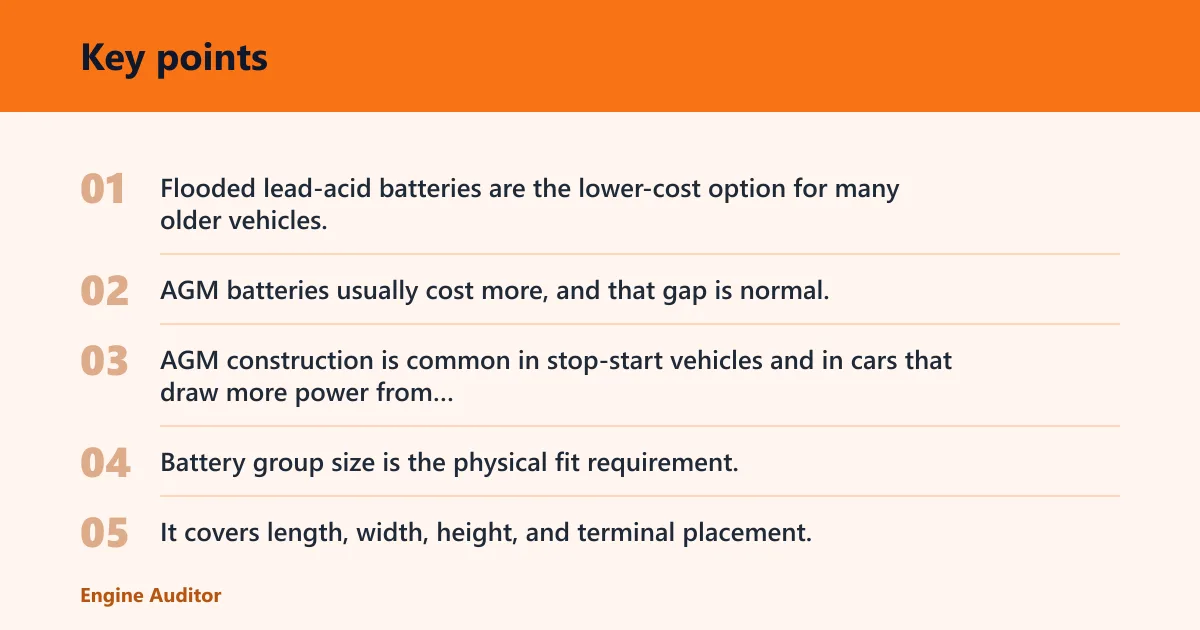
Flooded lead-acid batteries are the lower-cost option for many older vehicles. AGM batteries usually cost more, and that gap is normal. AGM construction is common in stop-start vehicles and in cars that draw more power from accessories, infotainment, heated features, or frequent short-trip use.
Group size and terminal layout
Battery group size is the physical fit requirement. It covers length, width, height, and terminal placement. If the group size is wrong, the battery may not secure properly or the cables may not reach cleanly. That can limit parts availability and raise the price.
Terminal orientation matters too. A battery with the right case size but the wrong positive and negative post layout may require a different part number. That is one reason the same vehicle can have several battery listings, each with a different price.
CCA and RC requirements
Cold cranking amps, or CCA, measure starting power. Higher CCA often costs more, especially for cold-weather climates where the engine needs more starting force. Reserve capacity, or RC, measures how long the battery can support electrical loads if charging drops or the engine stalls. Vehicles with heavier accessory use may benefit from a higher RC rating.
Vehicle electronics and programming
Some newer cars need battery registration or coding after replacement. Others need a diagnostic reset so the charging system knows a new battery is installed. Those steps are not optional on every vehicle, and shops often bill them separately. A memory saver may also be used to preserve settings during the swap.
Say your sedan uses a basic flooded battery and does not need registration. The bill may be close to the parts price plus labor. Now change only one variable: the same sedan in a higher trim uses AGM and requires coding. The total rises even though the body style did not change.
Why an AGM battery costs more
AGM batteries cost more because they are built for a harder job. They are common in stop-start vehicles, where the battery is cycled more often. They also resist vibration better than many flooded batteries, which matters in vehicles with more electrical load or rougher service conditions.
Stop-start system requirements
Stop-start systems shut the engine off at idle and restart it often. That places more strain on the battery than a simple ignition system. Many newer cars require AGM batteries for that reason, and using the wrong battery can shorten service life or cause charging-system issues.
Higher vibration resistance
AGM batteries hold the electrolyte in a glass mat, which helps them resist internal damage from vibration. That construction costs more to make. In practical terms, the buyer pays for a battery that better fits demanding electrical use and repeated cycling.
Where AGM is often required
AGM is often required on vehicles with stop-start systems, high accessory loads, or charging strategies that expect a more stable battery profile. If the owner assumes every 12-volt battery is interchangeable, the replacement can be wrong even when the case looks similar.
How much does labor add?
Labor can add a modest fee or a large one, depending on where you buy the battery and how much setup the car needs. An auto parts store often prices installation differently from an independent shop. Dealers usually charge more, especially when programming or battery registration is required.
Auto parts store install
Many parts stores install batteries for a lower flat fee, especially on vehicles with straightforward access. The charge is often lowest when the battery is easy to reach, the group size is common, and no programming is needed. The battery price may still be higher than elsewhere.
Independent shop labor
An independent shop may charge more for labor than a parts store installer, but it can be a better fit when the vehicle needs diagnosis, charging-system checks, or registration. If the battery is buried under trim, in the trunk, or tied to an electronic reset procedure, labor rises quickly.
Dealer labor and registration fees
Dealers often charge the highest labor rate. That is especially true when the car needs manufacturer-specific coding or a registration step tied to the charging system. The battery itself may also cost more at the dealer counter than at a parts store or independent shop.
Should you buy the battery yourself?
Buying the battery yourself can save money if you know the exact group size, chemistry, and rating the car needs. It is not always cheaper, though. Shops may bundle the battery, core handling, labor, and registration in a way that lowers the total or reduces mistakes.
Parts-store price versus shop-supplied price
A parts-store price may look lower on its own, but the out-the-door total can rise once labor and programming are added elsewhere. A shop-supplied battery can be more expensive at the counter and still cheaper overall if the shop handles installation, diagnostics, and core return in one bill.
Core return and warranty tradeoffs
The core charge is refundable when the old battery is returned. If you buy the battery yourself and forget the return, your effective cost goes up. Warranty terms also matter. A longer warranty can cost more up front, but it may be worth paying for if the vehicle is hard on batteries.
When DIY makes sense
DIY makes sense on vehicles with easy battery access, a clear parts listing, and no registration requirement. It is a poor fit when the battery is buried, the car stores power-management data, or the owner is unsure about group size and terminal layout. A wrong battery can cost more than a professional install.
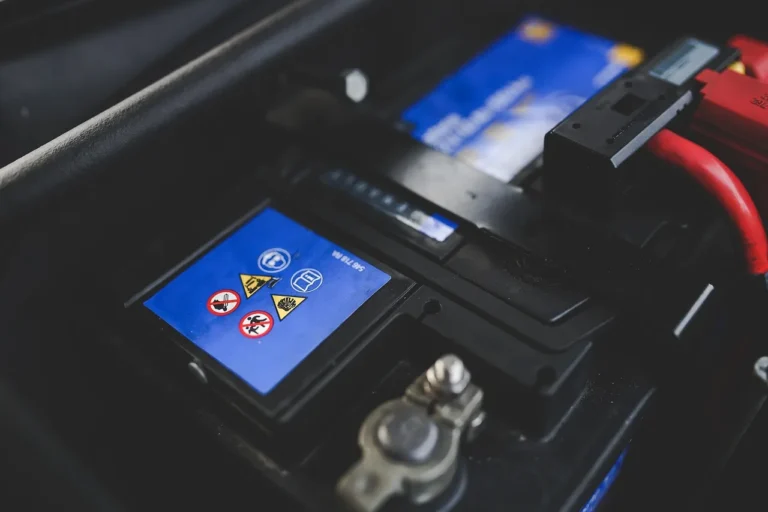
- Check the owner’s manual or the existing battery label for group size, CCA, and terminal layout.
- Confirm whether the vehicle requires AGM, registration, or a reset after replacement.
- Ask for the battery price, core charge, labor, diagnostics, and tax as separate line items.
- Compare the total after the core refund, not just the shelf price.
- Choose the battery that matches the vehicle, not the cheapest one that fits loosely.
Frequently asked questions
What factors make a car battery more expensive?
Battery chemistry, group size, CCA, reserve capacity, warranty length, and vehicle electronics all affect cost. AGM batteries cost more than flooded lead-acid batteries. A battery for a stop-start car, a cold-weather vehicle, or a high-accessory model usually costs more because it needs more performance and better fitment.
Does AGM cost more than a standard lead-acid battery?
Yes. AGM batteries usually cost more than standard flooded lead-acid batteries because they are built for more demanding use and are often required in stop-start vehicles. They also tend to offer better vibration resistance. If the car calls for AGM, replacing it with a cheaper flooded battery is not a safe shortcut.
How much does labor add to car battery replacement?
Labor can add a small fee at an auto parts store or a much larger one at a dealer. Installation is usually cheapest when access is simple and no programming is needed. Once battery registration, diagnostics, or a memory saver step is required, labor can become a meaningful part of the bill.
Can battery size or vehicle type change the price?
Yes. Group size, terminal orientation, and battery chemistry all change price and availability. A vehicle with a trunk-mounted battery, stop-start system, or special CCA requirement often costs more to service than a simpler older car. The same model can also use different batteries by trim level.
Is it cheaper to buy the battery yourself or from a shop?
It depends on the vehicle and the shop. A parts-store battery may be cheaper on the shelf, but a shop-supplied battery can win on total cost if installation, core handling, diagnostics, and registration are bundled. Compare the complete out-the-door number before deciding.
Are dealer battery prices higher than auto parts store prices?
Often, yes. Dealers commonly charge more for both the battery and the labor, especially when programming or battery registration is required. Auto parts stores usually compete on battery price and installation fee, but they may not handle every vehicle’s electronics the way a dealer can.
How long do car batteries usually last before replacement?
Many car batteries are commonly reported to last about 3 to 5 years, though heat, short trips, long storage, and heavy electrical use can shorten that window. A battery that cranks slowly, needs frequent jump-starts, or shows dim lights may be nearing replacement even before it fails completely.
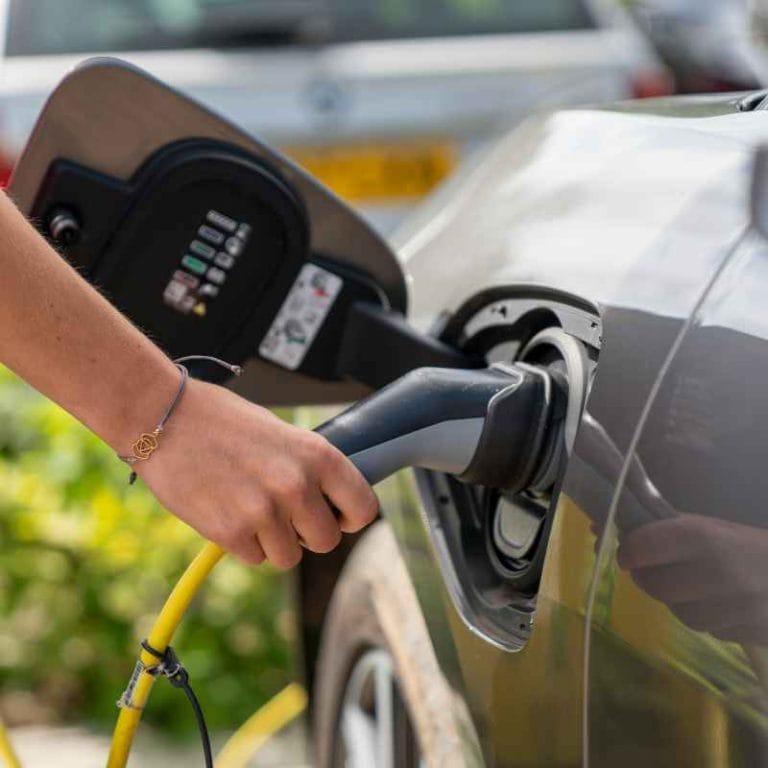
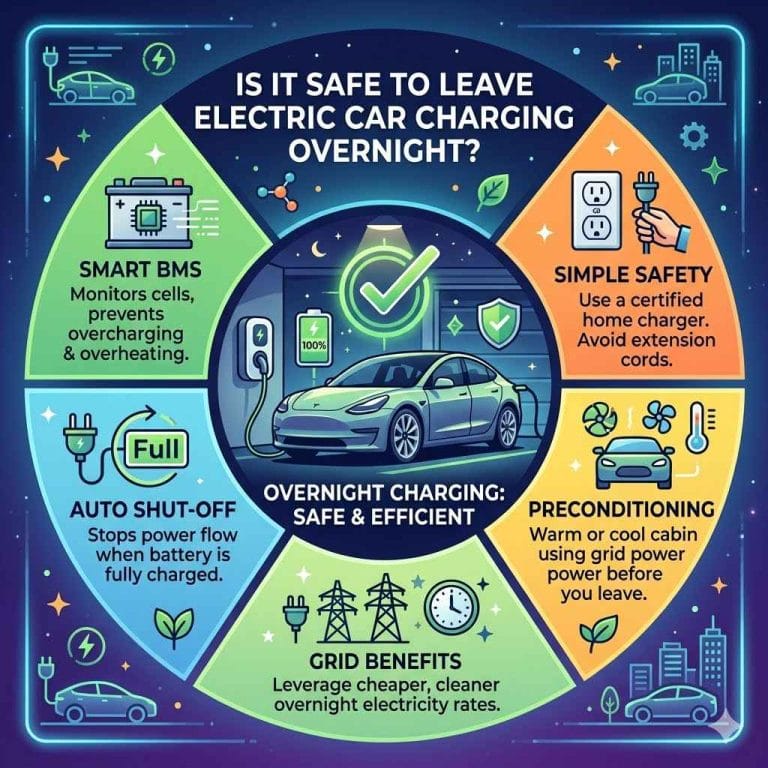
Do not confuse a 12-volt starter battery with an EV battery pack. Tesla says its battery packs are designed to outlast the vehicle, and Tesla battery warranties are generally 8 years or 100,000 to 150,000 miles. EV battery replacements could cost anywhere from $5,000 to $20,000. A Tesla Model 3 starts around $38,990 for the Rear-Wheel Drive version, a Tesla Model Y starts around $44,490 for the Rear-Wheel Drive version, Tesla Model S pricing starts around $72,990 for the Long Range variant, and Tesla Model X pricing starts around $77,990 for the standard variant.
Products related to this article
Sponsored / affiliate links. As an Amazon Associate I earn from qualifying purchases. I may earn additional commission from eligible campaigns.